

Yes, you can absolutely put milk in a rice cooker—it’s a simple swap that opens up a world of creamy, rich dishes beyond plain rice. Whether you’re making risotto, oatmeal, or even pancakes, using milk instead of water adds flavor, moisture, and a velvety texture. Just be mindful of the ratio and cooking time to avoid sticking or uneven cooking.
Key Takeaways
- Yes, milk works in rice cookers: Many grains and ingredients cook well with milk instead of water, creating richer textures and flavors.
- Common uses include risotto, oats, and desserts: Milk is ideal for creamy rice dishes like arborio risotto, overnight oats, or rice pudding.
- Adjust liquid ratios carefully: Milk is denser than water, so use slightly less than the standard water-to-grain ratio to prevent sogginess.
- Cooking time may vary: Some recipes require longer cooking or a warm/hold function to fully absorb the milk.
- Cleaning is easier with milk-based dishes: Creamy meals often leave less starch residue, making cleanup simpler.
- Experiment with flavors: Add cinnamon, vanilla, or nuts to transform plain rice into a gourmet dessert or side dish.
- Not all rice cookers handle milk well: Non-stick models work best; avoid older or poorly designed units that may scorch.
📑 Table of Contents
- Can You Put Milk in Rice Cooker? The Surprising Truth
- Why Use Milk Instead of Water?
- Which Types of Rice Work Best with Milk?
- How to Cook Rice with Milk in a Rice Cooker
- Creative Recipes Using Milk in Your Rice Cooker
- Common Mistakes to Avoid
- Is It Safe to Cook Milk in a Rice Cooker?
- Tips for Cleaning Milk-Based Dishes
- When Not to Use Milk
- Final Thoughts: Embrace the Creamy Possibilities
Can You Put Milk in Rice Cooker? The Surprising Truth
You’ve probably heard that rice cookers are only meant for rice—and maybe oatmeal. But what if I told you that you can actually put milk in a rice cooker? Yes, it’s true! While most people default to water when cooking grains, swapping in milk opens up a whole new realm of possibilities. From creamy risottos to decadent rice pudding, using milk in your rice cooker isn’t just possible—it’s delicious.
In this article, we’ll explore everything you need to know about using milk in your rice cooker. We’ll cover which types of rice and grains work best, how to adjust your recipe, and even share some mouthwatering ideas. So whether you’re a kitchen novice or a seasoned cook looking to experiment, stick around. By the end, you’ll be ready to ditch the water and embrace the creamy goodness of milk in your next pot of grains.
Why Use Milk Instead of Water?
At first glance, using milk might seem like an unnecessary complication. After all, water does the job just fine for most grains. But there are several compelling reasons to make the switch—especially when you want more flavor and texture.
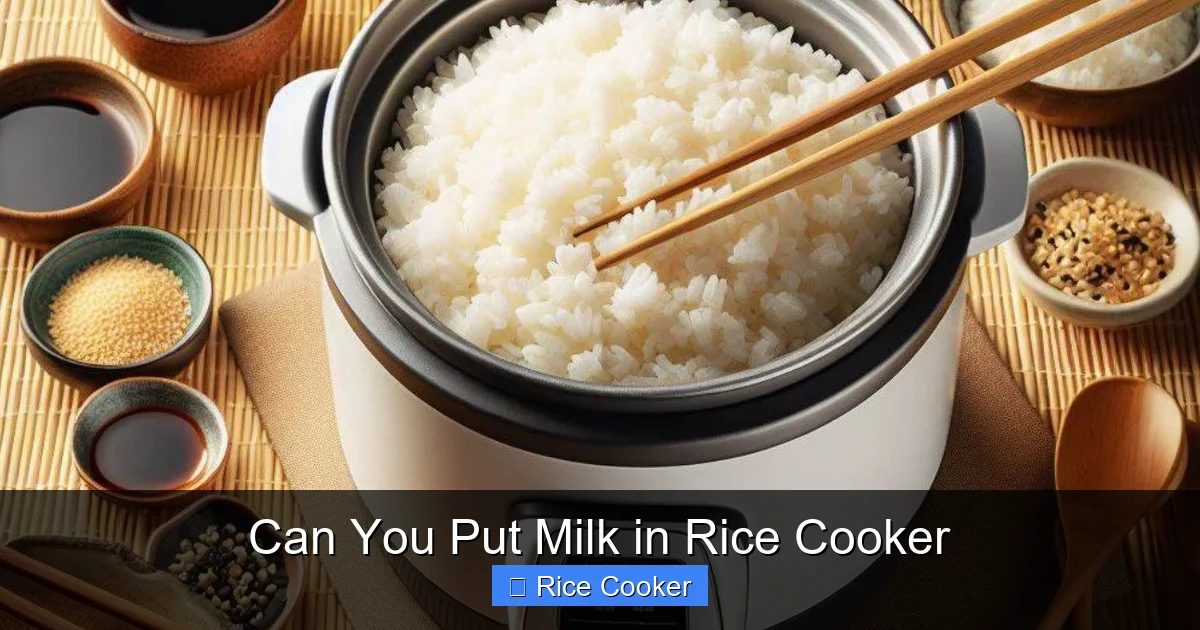
Visual guide about Can You Put Milk in Rice Cooker
Image source: ceejayhome.com
A Rich, Velvety Texture
Milk contains fats and proteins that give cooked grains a creamier, silkier consistency. Think of it this way: water makes fluffy rice, but milk makes creamy rice. This is especially noticeable in short-grain varieties like Arborio, which are traditionally used in risotto. When cooked with milk, these grains release their starches slowly, creating a luxuriously smooth dish without constant stirring.
Enhanced Flavor
Unlike water, milk has its own subtle sweetness and richness. This means your rice doesn’t just taste like grain—it tastes like dessert (or a savory dish with extra depth). For example, a simple bowl of jasmine rice cooked in coconut milk becomes instantly exotic, while vanilla-infused milk turns plain white rice into something special.
Versatility in Cooking
Using milk in a rice cooker allows you to skip the stovetop for certain recipes. No more babysitting a pot of risotto? Just add rice, milk, and seasonings to your rice cooker and let it do the work. It’s perfect for busy days or when you want hands-off cooking.
Which Types of Rice Work Best with Milk?
Not all rice is created equal—and not all rice loves milk. The key is choosing grains that can absorb liquid without turning mushy or staying too firm. Here’s a breakdown of the best options:
Visual guide about Can You Put Milk in Rice Cooker
Image source: ricearray.org
Arborio Rice
This Italian short-grain rice is the gold standard for risotto. Its high starch content makes it ideal for milk-based cooking. When cooked slowly with milk (and sometimes a bit of broth), Arborio transforms into a luscious, creamy dish with each spoonful.
Bomba Rice
Another Spanish favorite, Bomba rice absorbs up to 4 times its weight in liquid. It holds its shape beautifully while becoming tender and flavorful—perfect for paella-style dishes made in a rice cooker.
Sushi Rice
While sushi rice is usually cooked with water, adding a splash of milk (especially almond or coconut) can create a unique sweet-savory base for desserts or fusion recipes.
Basmati and Jasmine Rice
These long-grain varieties are better suited for water-only cooking if you want fluffy results. However, a small amount of milk can add richness to pilafs or desserts—just watch the timing to avoid gumminess.
Oats and Other Grains
Don’t limit yourself to rice! Steel-cut oats, quinoa, and even grits cook wonderfully in milk. Overnight oats, porridge, and breakfast puddings are all excellent candidates for rice cooker experimentation.
How to Cook Rice with Milk in a Rice Cooker
It sounds easy, right? Just pour milk over rice and press “cook”? Not quite. There are a few important steps to get it right every time.
Step 1: Rinse the Rice (Optional but Recommended)
Even though you’re using milk, rinsing removes excess starch and prevents clumping. Use cold water and swish the rice gently before draining. This step is especially helpful for short-grain rices like Arborio.
Step 2: Adjust the Liquid Ratio
This is crucial. Milk is thicker and more dense than water, so you don’t need as much. A general rule of thumb:
- For short-grain rice (Arborio, Bomba): Use 1.5 parts milk to 1 part rice (instead of 2 parts water).
- For oats or quinoa: Try 2 parts milk to 1 part grain.
Always check your specific rice cooker manual—some models recommend starting with less liquid and adding more if needed during cooking.
Step 3: Add Seasonings Early
Since milk takes longer to absorb, you have time to infuse flavor. Add salt, sugar, vanilla extract, or spices at the beginning. For example, toss in a cinnamon stick or a bay leaf for a warming aroma.
Step 4: Choose the Right Setting
Most modern rice cookers have a “warm” or “keep warm” setting after cooking. Use this for rice cooked in milk—it helps finish the absorption process gently. If your model has a “porridge” or “slow cook” mode, that’s perfect for creamy textures.
Step 5: Let It Rest
After the cycle ends, let the rice sit for 5–10 minutes with the lid on. This allows any remaining milk to be absorbed evenly and prevents a wet or soupy result.
Creative Recipes Using Milk in Your Rice Cooker
Ready to get cooking? Here are five delicious ideas to try today:
Rice Pudding (Classic and Modern Variations)
Combine 1 cup of Arborio rice, 3 cups of milk, ¼ cup sugar, a pinch of salt, and ½ teaspoon vanilla. Cook on regular setting, then stir in raisins, chopped almonds, or a dash of cardamom before serving. Serve warm with a drizzle of honey.
Creamy Coconut Rice
Use coconut milk instead of dairy milk for a tropical twist. Add 1 cup jasmine rice, 1.5 cups coconut milk, ½ cup water, and a pinch of turmeric for color. Cook until fluffy, then fluff with a fork and garnish with toasted coconut flakes.
Vanilla-Infused Oatmeal
Perfect for breakfast! Mix ½ cup steel-cut oats, 1.5 cups milk, 1 tbsp maple syrup, and a dash of cinnamon. Cook on porridge setting or high heat for 25–30 minutes, stirring occasionally. Top with fresh berries and nuts.
Cheesy Risotto Hack
Make a quick version of risotto by combining 1 cup Arborio rice, 2 cups milk, 1 cup vegetable broth, and shredded cheese. Cook on regular setting, then stir in Parmesan before serving. It’s creamy, cheesy, and done in under 30 minutes!
Chocolate Rice Porridge
Indulge your sweet tooth. Stir cocoa powder, a pinch of salt, and 2 tbsp sugar into 1 cup white rice and 2 cups milk. Cook until tender, then top with whipped cream and chocolate shavings.
Common Mistakes to Avoid
Even with the right ingredients and technique, things can go wrong. Here’s how to dodge the pitfalls:
Using Too Much Milk
Too much liquid leads to mushy, soupy rice. Always start with reduced amounts and add more only if necessary.
Skipping the Rinse
Unrinsed rice can become gummy, especially in milk. A quick rinse goes a long way.
Overcooking
Milk cooks faster than water in some cases, but not always. Keep an eye on the timer and check consistency halfway through.
Ignoring the Rice Cooker’s Limits
Older or basic rice cookers may not handle thick liquids well. If your pot sticks or burns easily, consider upgrading to a non-stick or fuzzy logic model.
Not Fluffing After Cooking
Fluffing aerates the rice and ensures even texture. Don’t skip this step—even if it looks done!
Is It Safe to Cook Milk in a Rice Cooker?
Absolutely! As long as your rice cooker is in good condition and not cracked or damaged, cooking milk is completely safe. Just avoid using metal utensils that could scratch non-stick coatings—they can flake off and contaminate food.
Also, note that dairy milk should be pasteurized and stored properly before cooking. Never use spoiled milk—it can spoil faster when heated and may produce off-flavors.
Tips for Cleaning Milk-Based Dishes
Cooking with milk can leave sticky residue, but it’s usually easier to clean than starch-heavy meals like congee. Here’s how to keep your rice cooker sparkling:
- Soak immediately: Let the inner pot sit with warm water and a drop of dish soap for 10–15 minutes before scrubbing.
- Use a soft sponge: Avoid abrasive pads that damage non-stick surfaces.
- Check the heating plate: Milk spills can seep underneath. Wipe it dry with a damp cloth after cleaning.
When Not to Use Milk
While milk works wonders in many cases, there are exceptions:
- High-starch grains like sushi rice or glutinous rice: These tend to become overly sticky when cooked in milk.
- Very short cooking times: If your recipe calls for rapid boiling (like instant rice), milk won’t distribute evenly.
- Lactose-intolerant diets: Consider plant-based alternatives like almond, oat, or soy milk for similar results.
Final Thoughts: Embrace the Creamy Possibilities
So, can you put milk in a rice cooker? Yes—and you really should try it. It’s a simple change that transforms ordinary grains into extraordinary meals. Whether you’re craving comfort food, experimenting with global cuisines, or just want to save time on the stove, milk offers a delicious shortcut.
The beauty of using milk in a rice cooker lies in its simplicity and versatility. You don’t need fancy equipment or advanced skills—just a willingness to think outside the box. Next time you open your rice cooker, skip the water jar and reach for the milk instead. Your taste buds will thank you.
Frequently Asked Questions
Can you use milk instead of water in a rice cooker?
Yes, you can use milk instead of water in a rice cooker. It creates a creamier, richer texture and enhances flavor, especially for short-grain rices like Arborio. Just reduce the liquid amount slightly since milk is thicker than water.
What happens if you put too much milk in a rice cooker?
If you add too much milk, the rice may become soupy or mushy. Always start with a lower ratio (e.g., 1.5 cups milk per 1 cup rice) and add more only if needed. Check consistency halfway through cooking.
Do I need to rinse rice before cooking it with milk?
Yes, rinsing is recommended. It removes excess starch that can cause clumping and gummy textures, especially in short-grain rices. Swirl the rice in cold water and drain before adding milk.
Can I use plant-based milk like almond or oat milk?
Absolutely! Plant-based milks work well and offer different flavor profiles. Coconut milk adds tropical richness, while oat milk brings natural sweetness. Just monitor cooking time, as some alternatives thin out more than dairy milk.
How long does it take to cook rice with milk?
Cooking time varies by grain and model, but generally, rice cooked in milk takes 20–30 minutes on high heat, followed by a 5–10 minute rest. Use the “warm” setting afterward to complete absorption.
Will milk burn in a rice cooker?
Milk can scorch if the bottom of the pot gets too hot or the coating is damaged. Use a non-stick rice cooker and avoid metal utensils. If your unit has a fuzzy logic setting, it helps regulate temperature automatically.