

Yes, you can put olive oil in a rice cooker, and doing so can enhance flavor, prevent sticking, and improve the overall quality of your rice. It’s especially useful for long-grain rice or dishes like biryani, but use it sparingly to avoid greasiness. With the right technique, olive oil adds richness without compromising your rice cooker’s performance.
Key Takeaways
- Safety First: Most modern rice cookers handle small amounts of olive oil without damage, but check your manual to confirm heat resistance.
- Flavor Boost: A light coat of olive oil adds subtle richness and aroma, perfect for dishes like jasmine or basmati rice.
- Prevents Sticking: Olive oil creates a protective layer on the inner pot, reducing rice clumping—especially helpful with sticky or high-starch varieties.
- Healthier Option: Compared to butter or ghee, olive oil offers heart-healthy monounsaturated fats and antioxidants.
- Moderation Matters: Too much oil can make rice greasy or affect heat transfer; use just 1–2 teaspoons for typical servings.
- Cooking Method Tips: Add oil before rinsing or soaking rice, or sauté aromatics (onions, garlic) at the start for deeper flavor.
- Best Rice Types: Works well with long-grain white rice, brown rice, and specialty grains—avoid delicate types like sushi rice unless needed.
📑 Table of Contents
- Can You Put Olive Oil in a Rice Cooker? Here’s What You Need to Know
- Is It Safe to Use Olive Oil in a Rice Cooker?
- Why Add Olive Oil to Rice?
- How Much Olive Oil Should You Use?
- Step-by-Step Guide: How to Add Olive Oil to Your Rice Cooker
- Delicious Recipes Using Olive Oil in the Rice Cooker
- Common Mistakes to Avoid
- Alternatives to Olive Oil in Rice Cookers
- Expert Tips for Perfect Oil-Infused Rice
- Conclusion: Yes, Go Ahead—But Do It Smartly
Can You Put Olive Oil in a Rice Cooker? Here’s What You Need to Know
You’re standing in the kitchen, rice cooker ready, measuring cup in hand, and suddenly you wonder: Should I add a little olive oil? Maybe you’ve seen someone sauté onions and garlic in olive oil before adding rice, or perhaps you’re aiming for fluffier, more aromatic grains. The short answer? Yes, you absolutely can put olive oil in a rice cooker—and many home cooks swear by it. But before you pour a whole bottle into your cooker, let’s break down what happens when you do, why it works, and how to do it right.
Rice cookers are designed to handle water, salt, and rice—but oil? That’s a new frontier. Unlike stovetop cooking, where oil is often used for browning or searing, rice cookers rely on steam and controlled heat to do the heavy lifting. So, does adding oil interfere with that process? Or could it actually improve your results? In this article, we’ll explore everything from safety concerns to flavor enhancements, plus share practical tips and even a few delicious recipes where olive oil plays a starring role.
Is It Safe to Use Olive Oil in a Rice Cooker?
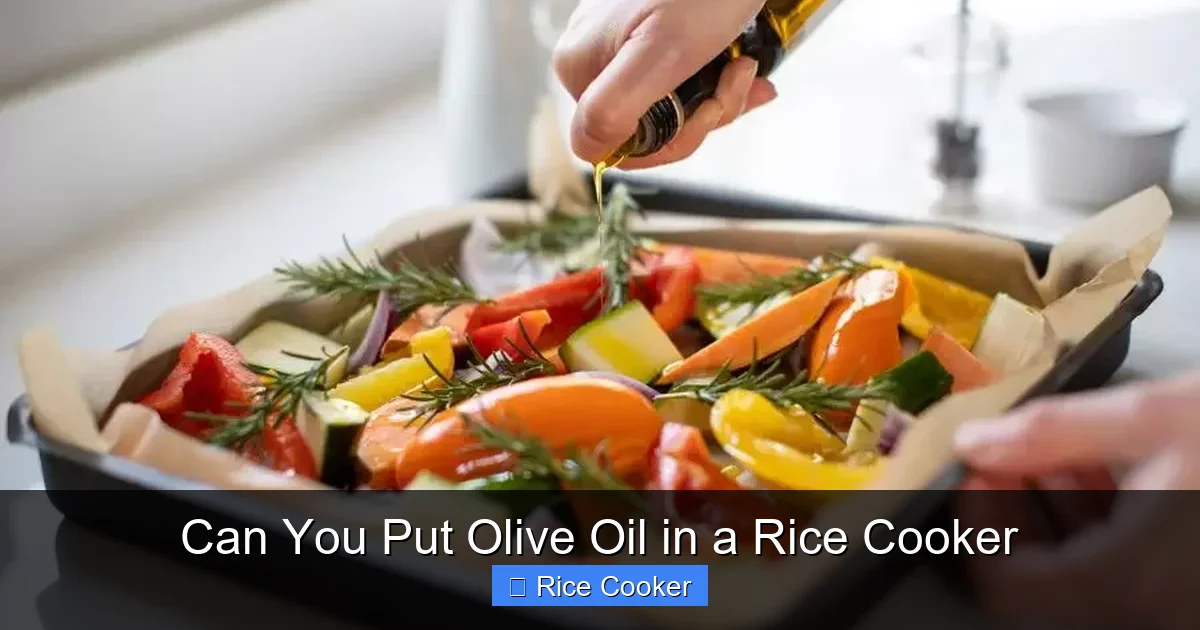
Let’s get one thing straight: your rice cooker won’t explode if you add a teaspoon of olive oil. But safety isn’t just about avoiding meltdowns—it’s also about preserving your appliance’s longevity and ensuring even cooking. Most modern rice cookers have non-stick inner pots made of aluminum or ceramic coating. Olive oil is safe for these surfaces, especially in small quantities.
Visual guide about Can You Put Olive Oil in a Rice Cooker
Image source: wigglywisdom.com
Check Your Manual First
While most rice cookers tolerate oil, some older models or specific brands might warn against using any oil at all. Why? Because oil can create a residue over time or alter the non-stick properties of certain coatings. Always consult your user manual before experimenting. If you’ve lost the manual, search online using your model number—most manufacturers post it within minutes.
Heat Resistance Matters
Extra virgin olive oil has a lower smoke point than refined oils, around 375°F (190°C). While rice cookers rarely reach temperatures above 212°F (100°C), prolonged exposure to heat during extended cooking cycles (like with brown rice) could potentially affect oil quality. However, this is more of a concern for repeated high-heat frying—not typical rice cooking. Still, using a refined olive oil or light olive oil reduces risk if you’re sensitive to this.
Non-Stick Coating Integrity
Over time, acidic or oily ingredients might degrade certain non-stick coatings. But olive oil is mildly acidic and not abrasive. As long as you don’t scrub the pan aggressively with metal utensils after cooking, your cooker should stay in great shape. Just remember: clean gently, store properly, and don’t overdo the oil.
Why Add Olive Oil to Rice?
At first glance, adding oil to plain water-and-rice might seem unnecessary. After all, rice absorbs its own moisture during cooking. But here’s the thing: oil doesn’t just sit there—it integrates into the grain structure and enhances several sensory qualities.
Visual guide about Can You Put Olive Oil in a Rice Cooker
Image source: wigglywisdom.com
Flavor Enhancement
Olive oil carries its own aroma and taste profile—fruity, peppery, or grassy depending on the variety. When added early, it infuses into the rice as it absorbs water, creating a subtly richer flavor. This is especially noticeable in fragrant rice varieties like jasmine or basmati, which already have complex profiles. Think of it as seasoning your rice while it cooks, not after.
Texture Improvement
One of the biggest complaints about rice is that it sticks together or becomes mushy. Oil acts as a barrier between individual grains, reducing clumping. This is particularly helpful with long-grain white rice, which tends to be starchy and prone to glue-like consistency. A light coat of oil helps each grain stay separate and fluffy.
Mouthfeel and Moisture Retention
Oil adds slight creaminess without making rice greasy. It also helps retain moisture during storage—so leftover rice stays soft longer. This is a game-changer for meal prep enthusiasts who cook big batches on weekends.
Aesthetic Appeal
Who doesn’t love a plate of golden, slightly glossy rice? A touch of olive oil gives cooked rice a beautiful sheen, making it look restaurant-quality. It’s the difference between plain boiled rice and something that looks like it belongs in a gourmet dish.
How Much Olive Oil Should You Use?
This is where many beginners go wrong. The key is moderation. Adding too much oil can lead to greasy rice, uneven cooking, or even reduced steam circulation inside the cooker. For most standard rice cookers (measuring 6–10 cups of rice), use only 1 to 2 teaspoons of olive oil. That’s less than 1% of the total volume—barely enough to coat the bottom of the pot.
If you’re cooking smaller portions (e.g., 1–2 cups), a pinch—about half a teaspoon—is plenty. For larger batches, stick to 2 teaspoons max. Remember, rice cookers are precise machines; altering their balance with excess fat can disrupt optimal heat distribution.
Also consider the type of oil:
- Extra Virgin Olive Oil (EVOO): Best for flavor lovers. Use in dishes where taste matters—like Mediterranean rice bowls or pilafs.
- Refined or Light Olive Oil: Lower smoke point concerns, milder taste. Good for neutral flavors or if you’re sensitive to strong oil notes.
When Not to Use Oil
There are exceptions. Delicate rice varieties like sushi rice or glutinous rice absorb oil differently and may become overly rich or sticky. Similarly, if you’re making risotto-style rice in a rice cooker (which requires constant stirring), oil isn’t necessary since you’re controlling texture manually. Stick to traditional methods for those.
Step-by-Step Guide: How to Add Olive Oil to Your Rice Cooker
Ready to try it? Follow these simple steps for foolproof results every time.
Step 1: Measure and Prepare Your Rice
Start by rinsing your rice under cold water until the water runs clear. This removes excess starch and prevents gummy rice. Drain thoroughly in a fine-mesh strainer. While not required, letting rice soak for 15–30 minutes (especially brown rice) improves texture.
Step 2: Add Rice to the Inner Pot
Transfer rinsed (or soaked) rice to the inner cooking pot. Level it out gently—no need to pack it down.
Step 3: Add Water and Oil
Add water according to your rice cooker’s markings (usually 1:1.5 ratio for white rice, 1:1.75 for brown). Then, pour in 1–2 teaspoons of olive oil. Swirl the pot gently to distribute the oil evenly across the bottom and sides.
Step 4: Optional – Sauté Aromatics First
For extra flavor, set your rice cooker to “warm” or use a stove-top method. Heat 1 teaspoon of olive oil in a skillet, add diced onions, garlic, or herbs, and sauté for 2–3 minutes until fragrant. Transfer this mixture directly into the rice cooker with the rice and water. This creates a fragrant base similar to pilafs.
Step 5: Start Cooking
Close the lid and select the appropriate setting (white rice, brown rice, etc.). Let the cooker do its job. Avoid opening the lid frequently—steam loss affects timing.
Step 6: Fluff and Serve
Once done, let the rice rest for 5–10 minutes. Then fluff with a fork. Taste and adjust seasoning if needed. Extra salt, lemon juice, or fresh herbs can brighten the dish.
Delicious Recipes Using Olive Oil in the Rice Cooker
Want proof that olive oil makes rice better? Try these tasty recipes that showcase its versatility.
Mediterranean Lemon Herb Rice
Perfect for pairing with grilled vegetables or chicken. Combine 1 cup jasmine rice, 1.5 cups water, 1 tsp EVOO, zest of ½ lemon, ¼ tsp dried oregano, and a pinch of salt. Cook and let sit. Garnish with parsley and olives before serving.
Garlic Olive Oil Pilaf
Sauté 2 cloves minced garlic in 1 tsp olive oil until golden. Mix into 1 cup basmati rice, add 1.5 cups broth (or water), and cook. Finish with chopped parsley and a squeeze of lemon.
Brown Rice with Turmeric and Coconut
Use 1 cup brown rice, 1.75 cups water, 1 tsp light olive oil, ½ tsp turmeric, and 2 tbsp unsweetened coconut flakes. Cook and stir once halfway through if your cooker allows. Serve with roasted chickpeas.
Simple Everyday Fluffy White Rice
Try this baseline recipe: 1 cup long-grain white rice, 1.5 cups water, 1 tsp olive oil, pinch of salt. Rinse, combine, cook, rest, fluff. You’ll notice less stickiness and more separation.
Common Mistakes to Avoid
Even experienced cooks make errors. Here’s how to sidestep them.
Using Too Much Oil
Remember: a little goes a long way. More oil doesn’t mean better rice. Excess oil can pool at the bottom, create off-flavors, or even prevent proper steaming.
Skipping Rinsing
Oil alone can’t fix improperly washed rice. Starchy residue causes clumping regardless of oil use. Always rinse before cooking.
Adding Oil After Cooking
Once rice is done, tossing in oil won’t infuse flavor deeply. It just coats the surface. For best results, add oil during the initial mix.
Ignoring Rice Type
Not all rice benefits equally from oil. Short-grain and sushi rice absorb oil differently. Experiment cautiously with unfamiliar varieties.
Not Letting Rice Rest
Resting allows steam to redistribute moisture evenly. Skipping this step means uneven texture—even with oil.
Alternatives to Olive Oil in Rice Cookers
While olive oil is popular, it’s not the only option. Depending on your taste and dietary needs, consider these swaps:
- Ghee or Butter: Adds richness and a nutty flavor. Best for Indian or Middle Eastern dishes. Note: higher smoke point than olive oil.
- Coconut Oil: Tropical aroma, solid at room temp. Great for curries or Asian-inspired meals.
- Avocado Oil: High smoke point, neutral taste. Ideal if you want minimal flavor impact.
- Vegetable Oils: Cheap and effective, but lacks the health benefits of olive oil.
Each brings unique qualities. Choose based on flavor goals and nutritional preferences.
Expert Tips for Perfect Oil-Infused Rice
Cooks and food scientists agree: small tweaks yield big results.
- Use High-Quality Oil: Since you’re using less, opt for premium olive oil. You’ll taste the difference.
- Combine with Acid: A splash of lemon juice or vinegar balances oil’s richness and cuts through heaviness.
- Try Different Timings: Some chefs add oil during soaking; others prefer pre-cook sautéing. Test what works for you.
- Store Leftovers Properly: Keep cooked rice in an airtight container. Oil helps maintain moisture, but refrigerate within 2 hours to avoid spoilage.
Conclusion: Yes, Go Ahead—But Do It Smartly
In short, yes, you can put olive oil in a rice cooker, and doing so can elevate your everyday grains into something special. Whether you’re aiming for fluffier rice, deeper flavor, or a healthier twist on classics, a touch of olive oil is a simple yet powerful upgrade. Just remember: safety first, measure carefully, and respect your rice cooker’s design.
Don’t be afraid to experiment—try it with different rice types, seasonings, or even cheese and herbs. The beauty of home cooking is that there’s no single “right” way. But with this guide, you now have a solid foundation to make informed choices. Next time you measure out rice and water, consider adding that teaspoon of olive oil. Your taste buds—and your rice cooker—will thank you.
Frequently Asked Questions
Can olive oil damage my rice cooker?
No, using a small amount of olive oil won’t damage most modern rice cookers. Just avoid pouring large quantities and always clean the inner pot gently after use to preserve the non-stick coating.
Will olive oil make rice greasy?
Only if you use too much. One to two teaspoons for a standard batch keeps rice light and flavorful. Excess oil pools at the bottom and can make grains feel heavy or slimy.
Does olive oil change how rice cooks?
Minimal effect on timing, but it helps distribute heat more evenly and prevents sticking. Rice still cooks via steam, so don’t expect faster results—just better texture.
Can I use olive oil for sushi rice?
Generally not recommended. Sushi rice relies on precise starch control and typically uses vinegar, sugar, and salt instead of fat. Olive oil alters its traditional balance.
What kind of olive oil is best for rice?
Extra virgin olive oil adds the most flavor and aroma. If you prefer a neutral taste, use refined or light olive oil. Both work well in rice cookers.
Can I add herbs or spices with olive oil?
Absolutely! Sauté aromatics like garlic, onion, or bay leaves in a bit of olive oil before adding rice. This builds a flavorful base that infuses throughout the cooking process.