
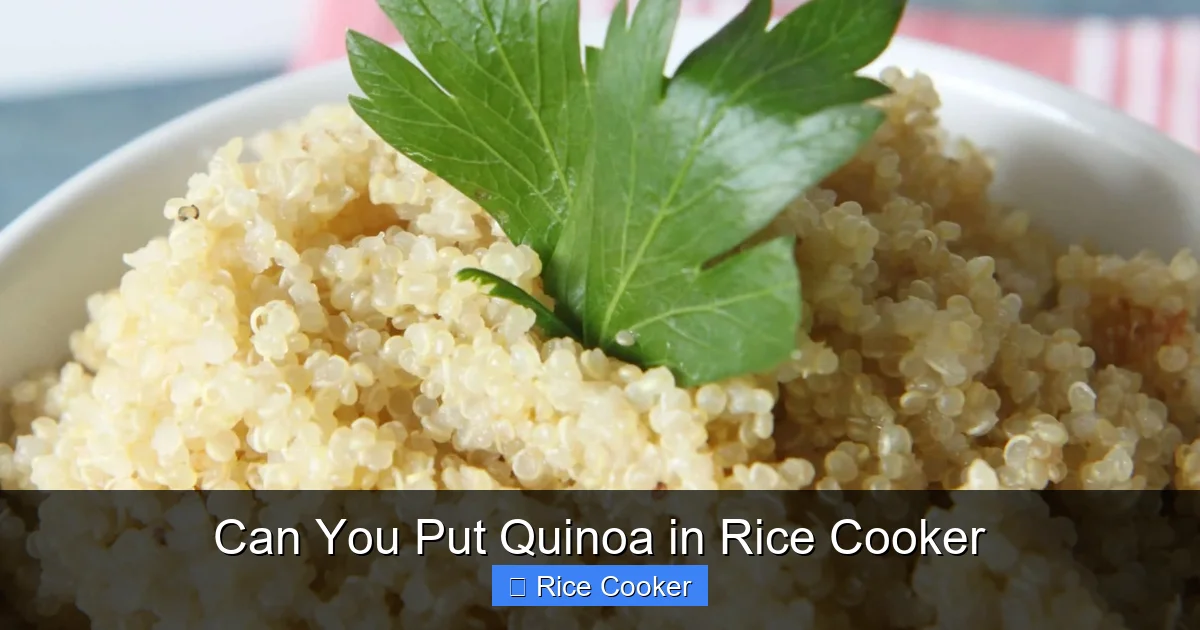
Can you put quinoa in a rice cooker? Absolutely! Quinoa works beautifully in most rice cookers when cooked using the right water-to-quinoa ratio and timing. With just a few simple adjustments, you’ll get perfectly fluffy, golden grains every time—no special equipment needed.
Key Takeaways
- Yes, quinoa cooks well in rice cookers: Most standard rice cookers handle quinoa without any issues, making it a convenient option for quick, healthy meals.
- Use the correct water-to-ratio: The ideal ratio is 1 part quinoa to 2 parts water or broth for fluffy results.
- Rinse quinoa before cooking: Rinsing removes the bitter saponin coating, ensuring better taste and texture.
- Cook time varies by model: While most rice cookers take about 15–20 minutes, some may need slightly longer—check your manual.
- Experiment with flavors: Add herbs, spices, or broth instead of water for extra flavor without altering cooking method.
- Store leftovers properly: Cooked quinoa lasts up to 5 days in the fridge and freezes well for future use.
- Not all rice cookers are equal: High-end models with fuzzy logic offer more consistent results than basic ones.
📑 Table of Contents
- Introduction: Why Use a Rice Cooker for Quinoa?
- Understanding Quinoa and Its Unique Needs
- How to Put Quinoa in a Rice Cooker: Step-by-Step Guide
- Troubleshooting Common Issues When Cooking Quinoa
- Flavor Enhancements and Creative Uses
- Tips for Perfect Every Time
- Conclusion: Embrace the Simplicity of Rice-Cooker Quinoa
Introduction: Why Use a Rice Cooker for Quinoa?
If you’re looking for a hands-off way to cook quinoa that delivers consistently fluffy, golden grains every single time, your rice cooker might just be your new best kitchen friend. You’ve probably already seen rice cookers used for everything from white rice to oats and even steamed vegetables—but did you know they work wonders for quinoa too? Yes, you can absolutely put quinoa in a rice cooker, and doing so couldn’t be simpler.
Quinoa is one of those superfoods everyone talks about—high in protein, fiber, and essential amino acids. But let’s be honest: cooking it on the stovetop often leads to uneven batches: sometimes too dry, other times mushy. That’s where your trusty rice cooker comes in. It takes the guesswork out of the equation by maintaining consistent heat and automatically switching to “warm” mode once the job’s done. Plus, it frees up your stove for other dishes while you wait patiently (or impatiently) for dinner to finish.
In this guide, we’ll walk you through everything you need to know about using your rice cooker for quinoa—from rinsing techniques to troubleshooting common mistakes. Whether you’re a seasoned quinoa pro or just starting out, this step-by-step approach will help you master the art of rice-cooker quinoa in no time.
Understanding Quinoa and Its Unique Needs
What Makes Quinoa Different From Rice?
Unlike regular rice, quinoa isn’t technically a grain—it’s actually a seed from the Amaranthaceae family. This distinction matters because quinoa has different starch content, protein levels, and absorption properties. For example, quinoa holds onto moisture differently than rice, which means it needs careful attention during cooking to avoid becoming gummy or undercooked.
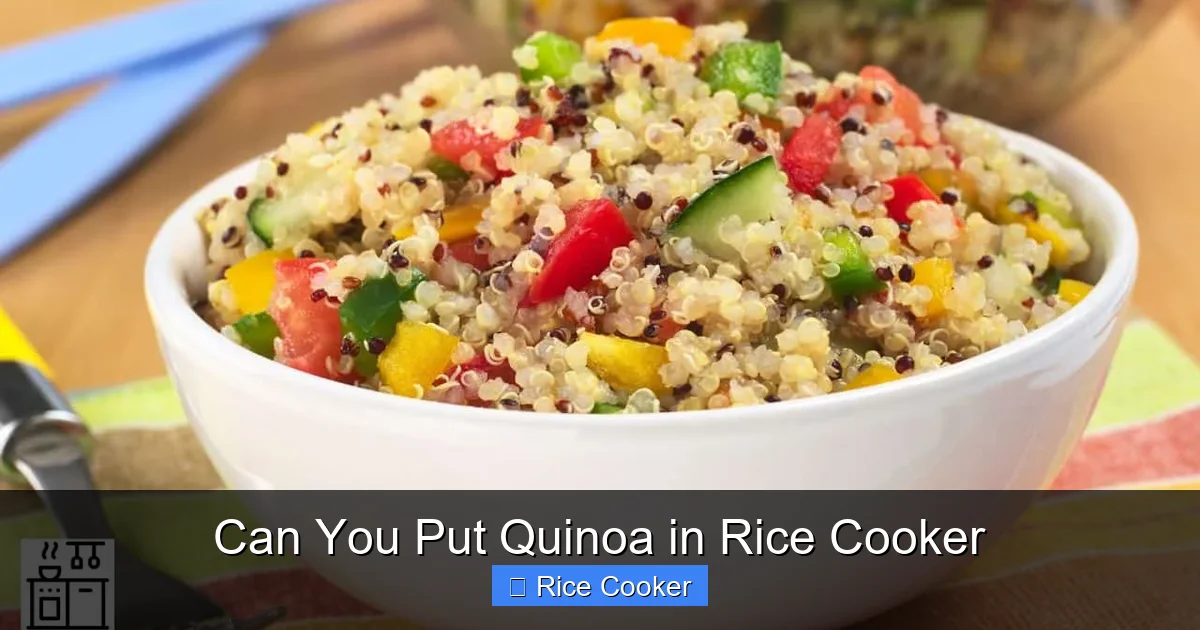
Visual guide about Can You Put Quinoa in Rice Cooker
Image source: kitchencuddle.com
Another key difference is the presence of saponins—naturally occurring compounds on the outer layer of quinoa seeds that give it a bitter taste if not rinsed away. These aren’t harmful, but they definitely affect flavor and texture. That’s why rinsing your quinoa before cooking is non-negotiable if you want pleasant-tasting results.
Why Choose Rice Cookers Over Stovetop Methods?
Cooking quinoa on the stove requires constant monitoring—you have to stir occasionally, watch for boil-overs, and adjust heat as needed. With a rice cooker, all that hard work disappears. Just add ingredients, press start, and come back when it’s done. The built-in thermostat ensures even heating, and the automatic shutoff prevents overcooking. It’s especially helpful if you’re meal-prepping or prefer minimal cleanup.
How to Put Quinoa in a Rice Cooker: Step-by-Step Guide
Step 1: Measure Your Ingredients Accurately
The secret to perfect quinoa lies in precision. For every cup (about 180 grams) of raw quinoa, use exactly 2 cups (475 ml) of liquid—water, vegetable broth, or chicken broth both work great. If you’re feeling fancy, try adding a splash of coconut milk for creaminess or a pinch of salt for depth.
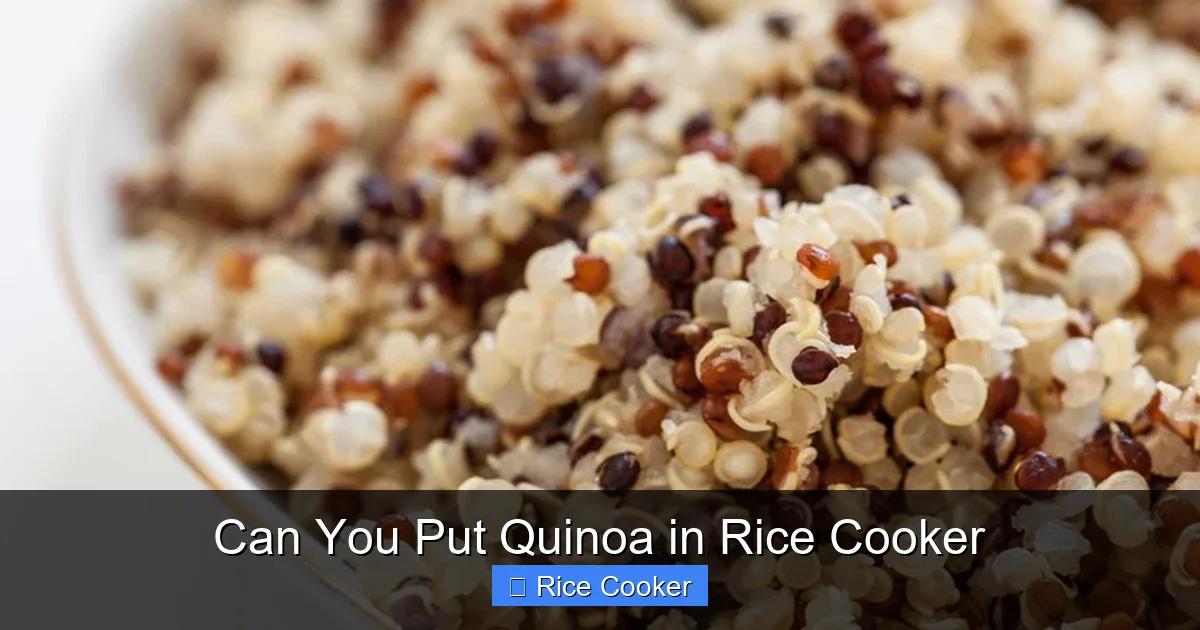
Visual guide about Can You Put Quinoa in Rice Cooker
Image source: mashed.com
Step 2: Rinse the Quinoa Thoroughly
Place your quinoa in a fine-mesh strainer and rinse under cold running water for at least 30 seconds. Swirl it around gently with your fingers until the water runs clear. This removes excess saponins and reduces bitterness. Don’t skip this step—your guests (and taste buds) will thank you!
Step 3: Add Everything to the Inner Pot
Transfer the rinsed quinoa into your rice cooker’s inner pot. Pour in the measured liquid, then give it a quick stir. Make sure nothing sticks to the bottom—this could cause burning later.
Step 4: Close the Lid and Select the Right Setting
Most rice cookers have a default “white rice” setting, but that’s fine for quinoa since both require similar internal temperatures. Some advanced models even offer a dedicated “brown rice” or “quick cook” button—feel free to experiment, but stick with “white rice” unless your manual says otherwise.
Step 5: Let It Cook—And Wait Patiently
Average cooking time ranges between 15 and 20 minutes. Once the cycle completes, let the quinoa sit covered for 5 minutes off-heat. This allows residual steam to finish hydrating the grains evenly. Then fluff with a fork and serve!
Troubleshooting Common Issues When Cooking Quinoa
Problem #1: Gummy or Mushy Texture
This usually happens when there’s too much liquid or the cooker doesn’t get hot enough. Try reducing your liquid to 1½ cups per 1 cup of quinoa next time. Also, ensure your rice cooker isn’t overcrowded—too much quinoa can block airflow and create uneven cooking.
Problem #2: Undercooked or Hard Grains
If your quinoa still feels crunchy after the full cycle, simply close the lid and let it steam for another 5–10 minutes. Avoid opening the lid mid-cycle—that releases heat and interrupts the process.
Problem #3: Bitter Taste Due to Unrinsed Quinoa
Always rinse! Even if the package says “pre-washed,” give it an extra pass under running water. Some brands pack more saponins than others, so don’t assume all pre-rinsed varieties are safe.
Problem #4: Sticky Clumps Forming After Cooking
Overmixing during or after cooking causes clumping. Instead, use a gentle folding motion with a fork. Also check if your quinoa was stored properly—moisture buildup in the bag can lead to clumping.
Flavor Enhancements and Creative Uses
Add Flavor Without Complicating the Process
You don’t need complex recipes to elevate plain quinoa. Try adding fresh herbs like cilantro or parsley to the cooking water, or infuse your liquid with garlic cloves, bay leaves, or a cinnamon stick. Remove solids before serving for clean, aromatic results.
Mix It Up: Quinoa Beyond Salads
Use cooked quinoa as a base for breakfast bowls topped with fruit and nuts. Swap out rice for quinoa in stir-fries for added protein. Or blend cooled quinoa into soups for thickness and nutrition. The possibilities are endless!
Baking with Quinoa Flour
While whole quinoa doesn’t bake like flour, many people enjoy using ground quinoa flour in gluten-free baking. Just note that it absorbs liquids faster than wheat flour, so adjust recipes accordingly.
Tips for Perfect Every Time
- Buy high-quality quinoa: Look for reputable brands labeled “tri-color” or “red/black blends” for variety, but white quinoa remains the most forgiving for beginners.
- Store properly: Keep unopened packages in a cool, dark place. Once opened, transfer to an airtight container to preserve freshness.
- Reheat wisely: Add a tablespoon of water to reheated quinoa and cover while microwaving—it prevents drying out.
- Double-check your cooker’s capacity: Never fill past the max line indicated inside the pot.
- Clean immediately after use: Starchy residues can harden over time, making cleaning harder.
Conclusion: Embrace the Simplicity of Rice-Cooker Quinoa
Cooking quinoa in a rice cooker isn’t just possible—it’s arguably the easiest, most reliable method available. By following these simple steps and keeping a few key tips in mind, you’ll never struggle with mushy or underdone quinoa again. Whether you’re feeding a crowd or whipping up a quick lunch, this kitchen hack saves time, reduces stress, and guarantees delicious results.
So go ahead—grab your rice cooker, measure out that quinoa, and press start. In less than half an hour, you’ll have perfectly cooked, nutritious grains ready to shine in salads, bowls, or side dishes. And the best part? No babysitting required. Happy cooking!
Frequently Asked Questions
Can I use any type of quinoa in a rice cooker?
Yes, all forms of quinoa—white, red, black, or tri-color—work well in rice cookers. They all follow the same basic cooking ratios and times, though colored varieties may retain slightly more texture due to their darker pigments.
Do I really need to rinse quinoa before cooking?
Absolutely. Rinsing removes bitter saponins that coat the quinoa seeds. Skipping this step often leads to unpleasant tastes and affects overall palatability, especially in delicate dishes like salads or breakfast porridge.
How long does it take to cook quinoa in a rice cooker?
Most rice cookers take between 15 and 20 minutes to fully cook quinoa. After the cycle ends, allow 5 minutes of resting time for optimal fluffiness. Cooking duration may vary slightly depending on your model and altitude.
Can I cook quinoa in a slow cooker instead?
Technically yes, but it’s not recommended. Slow cookers lack the rapid boiling phase needed to activate quinoa properly, resulting in dense, undercooked grains. Stick to stovetops or rice cookers for best outcomes.
Is quinoa healthier than rice?
Quinoa contains significantly more protein, fiber, iron, and several essential amino acids compared to white rice. While brown rice is also nutritious, quinoa stands out as a complete protein source, making it ideal for vegetarians and vegans.
Can I freeze cooked quinoa?
Yes! Cool completely, portion into freezer-safe containers, and store for up to 3 months. Thaw overnight in the fridge and refresh with a splash of water or broth before reheating.