
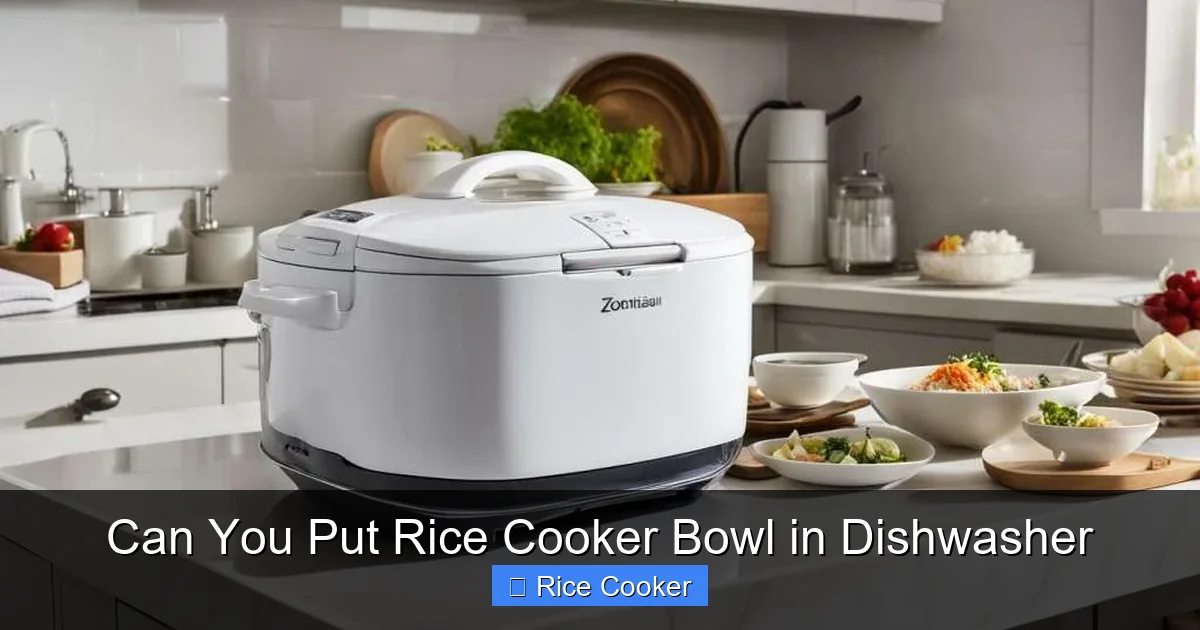
Can you put a rice cooker bowl in the dishwasher? The answer depends on the material it’s made of—aluminum, stainless steel, or non-stick coatings all react differently to dishwasher cycles. While some bowls are dishwasher-safe, others may warp, tarnish, or lose their coating. To protect your investment and ensure safety, always check the manufacturer’s instructions and consider hand washing when in doubt.
Key Takeaways
- Material matters: Rice cooker bowls made of aluminum or stainless steel are often dishwasher-safe, but non-stick coatings usually require hand washing.
- Check the label: Always look for a dishwasher-safe symbol (a dish with a wave line) on the bowl or its packaging before placing it in the dishwasher.
- Heat resistance varies: Not all bowls can handle high heat from dishwashers, which may cause warping or damage over time.
- Non-stick surfaces suffer: If your rice cooker has a non-stick inner pot, avoid dishwashers—they strip the coating faster than hand washing.
- Cleaning method affects longevity: Proper cleaning extends the life of your rice cooker bowl, whether you use a dishwasher or wash by hand.
- Safety first: When unsure, err on the side of caution and hand wash to prevent potential hazards or warranty voiding.
📑 Table of Contents
- Introduction: The Daily Dilemma of Cleaning Your Rice Cooker Bowl
- Understanding Rice Cooker Bowl Materials
- How Dishwashers Affect Rice Cooker Bowls
- When Is It Safe to Put Your Rice Cooker Bowl in the Dishwasher?
- Common Risks of Dishwashing Rice Cooker Bowls
- Best Practices for Cleaning Your Rice Cooker Bowl
- What to Do If You Accidentally Dishwashed Your Rice Cooker Bowl
- Frequently Asked Questions About Dishwashing Rice Cooker Bowls
Introduction: The Daily Dilemma of Cleaning Your Rice Cooker Bowl
We’ve all been there—after making a perfect pot of jasmine rice or a hearty quinoa pilaf, you’re faced with a dirty rice cooker bowl. The question arises: can you put rice cooker bowl in dishwasher? It seems like the easiest solution, right? Just toss it in with the rest of the dishes and let the machine do the work. But hold on—there’s more to it than meets the eye.
Rice cooker bowls come in various materials, each with unique properties that affect how they respond to heat, water, and detergent. Some are built to withstand the rigors of a dishwasher cycle, while others are not. Choosing the wrong cleaning method could lead to warped shapes, dull finishes, or even damage to the non-stick surface. So before you load that inner pot into the dishwasher, take a moment to understand what your specific model needs. This guide will walk you through everything you need to know about cleaning your rice cooker bowl safely and effectively.
Understanding Rice Cooker Bowl Materials
The Role of Material in Dishwasher Safety
Not all rice cooker bowls are created equal. Their construction determines how well they tolerate the high temperatures, strong detergents, and mechanical agitation of a dishwasher. Let’s break down the most common materials used in rice cooker bowls and how they behave in the dishwasher.
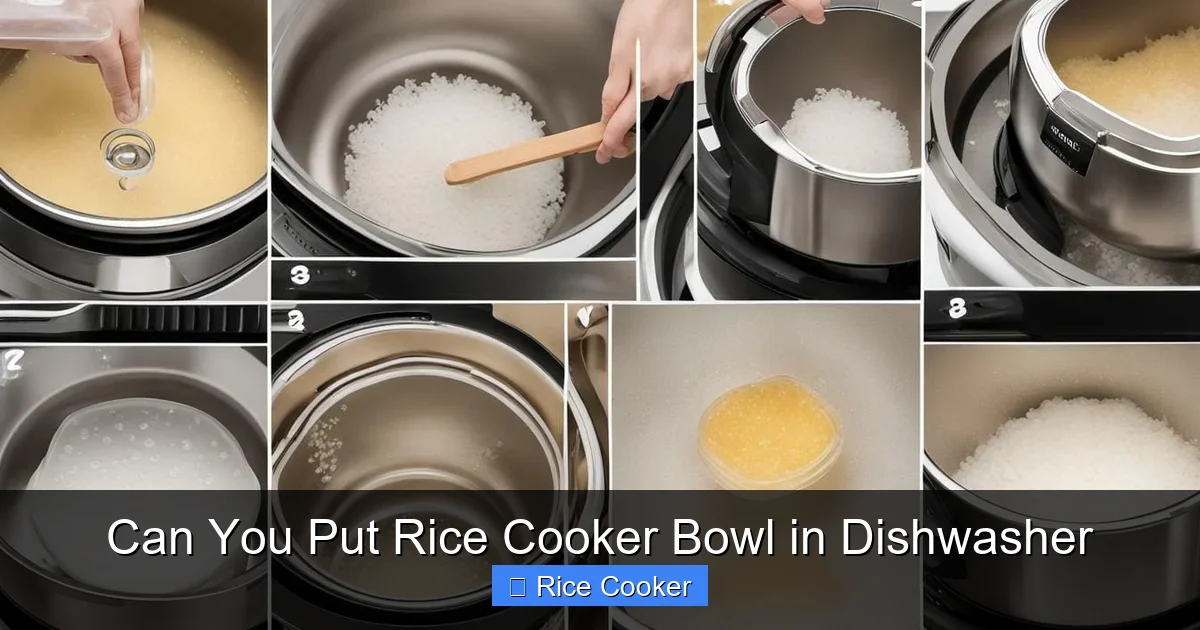
Visual guide about Can You Put Rice Cooker Bowl in Dishwasher
Image source: ricearray.org
Aluminum bowls are lightweight and excellent at conducting heat, making them efficient for cooking. However, they can oxidize or develop a metallic taste if exposed to harsh detergents or prolonged moisture. While many aluminum rice cooker bowls are dishwasher-safe, they may discolor or lose their shine after repeated washes.
Stainless steel bowls, on the other hand, are durable, resistant to corrosion, and generally dishwasher-friendly. They maintain their appearance over time and are less likely to warp under heat. Most modern stainless steel rice cookers are designed with dishwasher-safe components, but always verify with the manual.
The real concern comes with non-stick coated bowls. These are treated with materials like PTFE (commonly known as Teflon) or ceramic coatings to prevent food from sticking. While convenient for cooking, these coatings are sensitive to high heat and abrasive cleaning. Dishwashers expose them to temperatures above 140°F (60°C), which can degrade the coating. Once damaged, the non-stick layer peels off, and food begins to stick again—defeating the purpose of having one.
Other Materials to Watch For
Some rice cookers feature ceramic or enamel-coated interiors. These are often marketed as premium options due to their aesthetic appeal and heat retention. Ceramic bowls can be dishwasher-safe if they’re fully glazed and sealed, but enamel finishes may chip if scrubbed too hard or exposed to extreme temperature shifts.
Plastic components, such as lids or handles, are usually not dishwasher-safe. Heat can warp plastic, causing leaks or malfunctions. Always remove these parts before washing the main bowl.
How Dishwashers Affect Rice Cooker Bowls
Temperature and Steam Exposure
Dishwashers operate at temperatures typically between 130°F and 160°F (54°C to 71°C), depending on the cycle. While this may sound harmless, prolonged exposure can affect certain materials. For example, aluminum may begin to react with alkaline detergents, leading to pitting or darkening. Stainless steel is more forgiving, but even it can show signs of wear if washed frequently in hot water.
Visual guide about Can You Put Rice Cooker Bowl in Dishwasher
Image source: ricearray.org
Steam generated during the drying cycle adds another layer of stress. High humidity and residual heat can cause warping in thin-walled bowls or loosen adhesives holding non-stick coatings in place.
Chemical Reactions with Detergents
Dishwasher detergents contain surfactants, enzymes, and brighteners—some of which are too harsh for delicate surfaces. Non-stick coatings, in particular, can degrade when exposed to these chemicals. Over time, this leads to a rough, uneven surface that traps food particles and becomes harder to clean.
Even stainless steel can develop spots or stains if the detergent isn’t rinsed away completely. Residue buildup inside the bowl may also transfer tiny amounts of metal ions into your food, though this is rare and generally not harmful.
When Is It Safe to Put Your Rice Cooker Bowl in the Dishwasher?
Signs Your Bowl Is Dishwasher-Safe
Before assuming your rice cooker bowl belongs in the dishwasher, look for these indicators:
- A dishwasher symbol engraved or printed on the underside or rim of the bowl. This is the clearest sign of approval.
- Sturdy construction without thin walls or fragile edges. Dishwashers subject items to mechanical shock during the spray and spin phases.
- No non-stick coating visible on the interior. If the surface feels smooth but not slippery, it might still be safe—but proceed with caution.
- Manufacturer confirmation in the user manual. This is the most reliable source of information.
If your bowl checks all these boxes, you can confidently place it in the top rack of the dishwasher. Avoid the bottom rack where temperatures are higher and the spray pressure is stronger.
Recommended Dishwasher Settings
Even dishwasher-safe bowls benefit from gentler cycles. Use the following settings to minimize wear:
- Normal or eco cycle: Avoid heavy-duty or sanitize cycles, which run hotter and longer.
- Top rack placement: Protects the bowl from direct spray and reduces risk of chipping.
- Short dry time: Let the bowl air-dry to prevent thermal shock.
Also, avoid using abrasive sponges or harsh scrubbers when rinsing the bowl by hand after a dishwasher cycle. Even if the bowl survives the wash, residual grit can scratch the surface.
Common Risks of Dishwashing Rice Cooker Bowls
Warping and Deformation
Repeated exposure to heat and moisture can cause aluminum or thin-walled stainless steel bowls to warp. This changes the shape of the cooking chamber, affecting heat distribution and cooking performance. A warped bowl may no longer fit snugly against the heating element, leading to uneven cooking or incomplete heating.
Loss of Non-Stick Properties
This is perhaps the biggest risk for owners of non-stick rice cookers. Dishwashers accelerate the breakdown of the coating. What starts as minor flaking can turn into full peeling within months. Once the coating is gone, food sticks easily, requiring more effort to clean and reducing the lifespan of the appliance.
Tarnishing and Discoloration
Aluminum bowls often develop a dull, grayish film after dishwashing. This is oxidation, and while not dangerous, it ruins the appearance. In severe cases, the bowl may start tasting metallic, especially when cooking acidic foods like tomatoes or citrus-based dishes.
Damage to Lids and Seals
Many rice cookers include silicone or rubber seals around the lid to create an airtight cooking environment. These materials degrade under high heat and harsh detergents. A compromised seal means steam escapes, reducing cooking efficiency and increasing energy use.
Best Practices for Cleaning Your Rice Cooker Bowl
Hand Washing: The Gold Standard
For most rice cooker bowls—especially those with non-stick coatings—hand washing is the safest and most effective method. Here’s how to do it properly:
- Cool the bowl first: Never wash a hot bowl with cold water. Sudden temperature changes can crack certain materials.
- Use warm, soapy water: Mild dish soap works best. Avoid bleach or ammonia-based cleaners.
- Soft sponge or cloth: Opt for non-abrasive tools. Steel wool or scrub pads can scratch surfaces.
- Rinse thoroughly: Ensure no soap residue remains, as it can affect taste or leave a film.
- Dry immediately: Water spots can form on metal surfaces if left to air dry.
For stubborn burnt-on food, soak the bowl in warm water with a drop of dish soap for 15–20 minutes before gently scrubbing.
When Dishwashing Makes Sense
If your bowl is confirmed dishwasher-safe and you prefer convenience, go ahead—but follow these tips:
- Remove any loose debris before loading.
- Place it upside down on the top rack to prevent pooling of water underneath.
- Run the shortest, coolest cycle possible.
- Inspect after washing. If the bowl looks cloudy, discolored, or feels rough, switch to hand washing.
Maintenance Tips for Longevity
Proper care extends the life of your rice cooker bowl significantly:
- Avoid metal utensils: Use wooden or silicone spoons to prevent scratches.
- Don’t pre-soak excessively: Short soaking is fine; long soaking weakens adhesives and coatings.
- Store properly: Keep the bowl and lid separate to prevent warping from pressure.
- Replace when necessary: If the non-stick layer is peeling or the bowl won’t sit flat, it’s time for a new one.
What to Do If You Accidentally Dishwashed Your Rice Cooker Bowl
Accidents happen. Maybe you assumed your bowl was dishwasher-safe, or the manual wasn’t handy. Don’t panic—here’s how to assess the damage and decide next steps.
Immediate Steps After Washing
Once out of the dishwasher, inspect the bowl carefully:
- Feel the surface: Is it smooth or rough? Roughness indicates coating degradation.
- Look for discoloration: Gray spots on aluminum or yellowing on stainless steel suggest chemical reactions.
- Test the fit: Does the bowl still sit evenly on the base? Warping affects performance.
If everything looks normal, your bowl may still be usable. But monitor future use closely. If problems arise—like food sticking or strange odors—switch to hand washing permanently.
Repair Options and Prevention
In most cases, you can’t repair a damaged non-stick coating, but you can prevent further issues by adjusting your cleaning routine. For aluminum bowls with tarnish, try a paste of baking soda and water to restore shine. Always follow up with a gentle rinse and dry thoroughly.
To avoid future confusion, label your bowl with a permanent marker if it’s dishwasher-safe—or keep the manual in a drawer for quick reference.
Frequently Asked Questions About Dishwashing Rice Cooker Bowls
Is it safe to put my rice cooker bowl in the dishwasher every time?
Only if the bowl is specifically labeled as dishwasher-safe and made of durable materials like stainless steel. Frequent dishwashing can shorten the lifespan of any bowl, so occasional hand washing is recommended even for safe models.
How can I tell if my rice cooker bowl is non-stick?
Non-stick bowls feel slightly slick to the touch and often have a glossy finish. They may also come with a warning in the manual about avoiding abrasive cleaners. If in doubt, test by lightly oiling the surface—if food doesn’t stick, it’s likely non-stick.
Can I use a dishwasher pod directly on my rice cooker bowl?
No. Tablets or pods release concentrated chemicals upon contact with water, which can damage coatings and cause staining. Always use powder or liquid detergent instead.
Will dishwashing make my rice cooker bowl last longer?
Not necessarily. While it saves time, the harsh conditions can accelerate wear. Hand washing with care often results in a longer-lasting bowl, especially for non-stick models.
My rice cooker bowl has a dishwasher symbol—should I still hand wash it sometimes?
Yes. Even dishwasher-safe bowls benefit from occasional hand washing. It helps remove mineral deposits and prevents buildup that dishwashers can’t always reach.
What’s the best way to clean burnt rice from the bowl?
Soak the bowl in warm water with a few drops of dish soap for 20 minutes. Then use a soft sponge to gently scrub. Avoid metal scrapers, which can damage the surface.
Frequently Asked Questions
Question?
Answer (2-3 sentences)…