
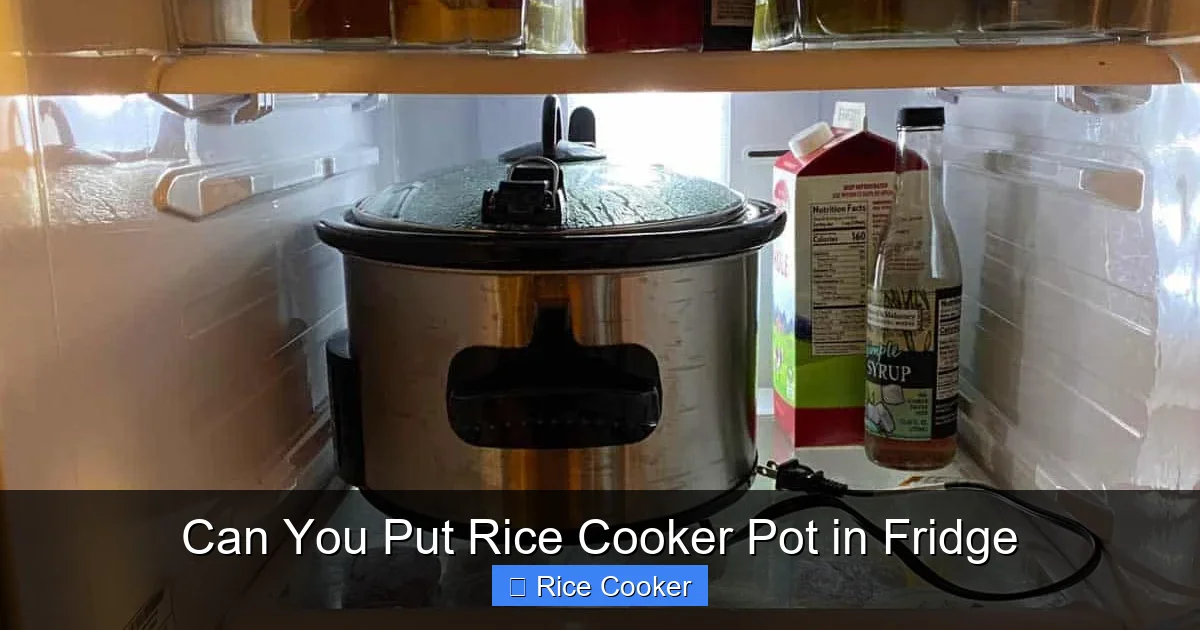
Can you put a rice cooker pot in the fridge? Generally yes, but only if it’s made of safe, heat-resistant materials like stainless steel or glass. Always check the manufacturer’s instructions first—some pots aren’t designed for cold storage and may warp or leak. To avoid contamination and maintain performance, clean and dry your pot completely before refrigerating. With proper care, storing your rice cooker pot in the fridge is not only possible but smart for meal prep and hygiene.
Key Takeaways
- Material matters: Stainless steel and glass rice cooker pots are typically fridge-safe, while non-stick or plastic-coated ones may not be.
- Always clean first: Rinse and dry the pot thoroughly before refrigeration to prevent bacterial growth and odors.
- Check the manual: Manufacturer guidelines often specify whether the inner pot can go into cold environments.
- Avoid temperature shock: Let hot pots cool completely before placing them in the fridge to protect both the appliance and the food.
- Use airtight containers: If storing food in the pot, transfer it to a sealed container to avoid fridge contamination.
- Watch for warping: Some aluminum pots may deform when exposed to cold, affecting future cooking performance.
- Hygiene is key: Refrigerating dirty pots invites mold and bacteria—never store them wet or with leftover food inside.
📑 Table of Contents
- Can You Put Rice Cooker Pot in Fridge? What Every Home Cook Should Know
- The Basics: Is It Safe to Refrigerate a Rice Cooker Pot?
- Why People Want to Put Rice Cooker Pots in the Fridge
- Safety First: Risks of Putting Rice Cooker Pots in the Fridge
- Practical Tips for Refrigerating Your Rice Cooker Pot Safely
- Alternatives to Refrigerating the Rice Cooker Pot
- What the Experts Say: Manufacturers’ Guidelines
- Real-Life Examples: When It Worked (And When It Didn’t)
- Final Thoughts: Is It Worth It?
Can You Put Rice Cooker Pot in Fridge? What Every Home Cook Should Know
You’ve just finished making a perfect batch of jasmine rice, fragrant curry, or even a delicate congee. The rice cooker clicks off, and you’re left with a warm, steaming pot full of deliciousness. Now comes the question: what do you do with that pot? Can you just pop it in the fridge for later use? Or should you transfer everything to a regular container?
This is a common dilemma among home cooks who want to save time, reduce cleanup, and keep their kitchen organized. After all, who wants to wash a pot, then immediately wash another one? But before you slide that warm rice cooker pot into the refrigerator, there are important factors to consider—especially when it comes to food safety, appliance longevity, and material compatibility.
In this comprehensive guide, we’ll walk you through everything you need to know about putting your rice cooker pot in the fridge. From understanding the materials used in rice cookers to practical tips on how to do it safely, we’ve got you covered. Whether you’re meal prepping for the week or simply trying to cut down on dishwashing, this article will help you make informed decisions—without risking your appliance or your health.
The Basics: Is It Safe to Refrigerate a Rice Cooker Pot?
Before diving into the nitty-gritty details, let’s start with the big question: can you put a rice cooker pot in the fridge?

Visual guide about Can You Put Rice Cooker Pot in Fridge
Image source: kitchenflock.com
The short answer is usually yes, but with important caveats. Most modern rice cookers come with an inner pot made from materials that can handle both high heat (like boiling water) and cold temperatures (like a refrigerator). However, not all pots are created equal. The type of material, design, and manufacturer specifications all play a role in determining whether your pot can safely go into the fridge.
For example, a stainless steel pot is generally fridge-friendly because it doesn’t warp or degrade when chilled. On the other hand, a non-stick coated pot might develop cracks or flake off if exposed to extreme temperature changes. Similarly, some pots with plastic handles or seals may become brittle or leak when frozen.
So while the idea of tossing your rice cooker pot directly into the fridge might seem convenient, it’s essential to understand the risks involved. Let’s explore the different materials commonly used in rice cooker pots and how they react to cold storage.
Common Materials Used in Rice Cooker Pots
Rice cooker manufacturers use several types of materials for their inner pots, each with its own strengths and limitations. Here are the most common ones:
- Stainless Steel: Durable, non-reactive, and easy to clean. Stainless steel pots resist warping and are generally safe for refrigeration.
- Aluminum: Lightweight and heats evenly, but can react with acidic foods. Some aluminum pots may warp slightly when cooled rapidly.
- Non-Stick Coated (PTFE/Teflon): Makes cleaning easy but can degrade when exposed to high heat repeatedly. Not always recommended for cold storage due to potential coating damage.
- Anodized Aluminum: Treated to resist corrosion and improve durability. Often safer than plain aluminum for refrigeration.
- Glass: Rare but increasingly popular. Heat-resistant glass can withstand temperature changes, but heavy use may cause cracking over time.
When deciding whether to refrigerate your rice cooker pot, always check the material label or owner’s manual. If you’re unsure, it’s better to err on the side of caution.
Why People Want to Put Rice Cooker Pots in the Fridge
There are several practical reasons why someone might want to store their rice cooker pot in the fridge. Understanding these motivations helps explain the growing trend of “one-pot meals” and efficient kitchen workflows.

Visual guide about Can You Put Rice Cooker Pot in Fridge
Image source: kitchenflock.com
Meal Prep Convenience
Many people use rice cookers not just for rice, but for cooking grains, beans, soups, and even desserts. After cooking, transferring everything to a separate container means more dishes to wash. By leaving the food in the pot and refrigerating it, you save time and effort—especially during busy weekdays.
Reduced Cross-Contamination
Using the same pot for multiple recipes (e.g., rice one day, chili the next) increases the risk of cross-contamination if not cleaned properly. Storing cooked food in its original pot—after thorough cleaning—can minimize this risk, provided the pot is safe for refrigeration.
Preserving Freshness
Cooked grains and legumes can lose texture and flavor quickly at room temperature. Refrigerating them promptly helps preserve freshness and reduces the chance of spoilage. Again, doing this in the rice cooker pot saves space and simplifies storage.
Space-Saving Storage
Most rice cooker pots are compact and stackable. Keeping them in the fridge keeps your countertops clear and your pantry organized. Just make sure they fit! Some larger models may not have enough room in standard refrigerators.
Safety First: Risks of Putting Rice Cooker Pots in the Fridge
While convenience sounds great, there are real dangers associated with improper use of your rice cooker pot in the fridge. Let’s look at the most common risks and how to avoid them.
Food Contamination
One of the biggest concerns is bacterial growth. If you refrigerate a dirty or partially cleaned pot, harmful bacteria like *Salmonella* or *E. coli* can multiply—even in the cold. This is especially true if food residue remains on the surface.
Tip: Always rinse the pot immediately after use and wash it with warm soapy water. Dry it completely before storing—moisture encourages mold and mildew.
Temperature Shock Damage
Placing a hot pot directly into the fridge causes rapid cooling. This sudden temperature shift can lead to condensation, which drips onto the food and surrounding items. In extreme cases, the metal or coating may crack or warp.
Tip: Allow the pot to cool to room temperature (about 30–60 minutes) before refrigerating. Never plunge it into ice water or a cold fridge right after cooking.
Leakage and Odor Transfer
Some pots have rubber gaskets or silicone seals around the lid. These materials can degrade over time when exposed to cold, leading to leaks. Additionally, strong-smelling foods (like fish or garlic) stored in the pot may transfer odors to other fridge items.
Tip: If your rice cooker has a removable lid, take it off before refrigeration. Also, consider using airtight containers for strongly scented foods.
Appliance Performance Issues
Repeated exposure to extreme temperatures can shorten the lifespan of your rice cooker. Warped or cracked pots may not sit properly on the heating element, leading to uneven cooking or even electrical hazards.
Tip: Follow the manufacturer’s care instructions carefully. If the manual says “do not refrigerate,” respect that warning.
Practical Tips for Refrigerating Your Rice Cooker Pot Safely
If you’ve decided to refrigerate your rice cooker pot, here are some actionable steps to ensure safety and efficiency.
Step 1: Clean Immediately After Use
Don’t let food dry inside the pot. Scrape off any stuck-on bits, rinse under warm water, and scrub with a soft sponge. Avoid abrasive pads that could scratch non-stick surfaces.
Step 2: Dry Thoroughly
Moisture is the enemy of long-term storage. Use a clean towel or let the pot air-dry completely. For extra insurance, wipe it with a lint-free cloth.
Step 3: Cool Before Refrigeration
As mentioned earlier, never place a hot pot in the fridge. Let it sit at room temperature for at least 30 minutes. This prevents condensation and protects the appliance.
Step 4: Store Upright or Lid Off
If your rice cooker has a lid, remove it before refrigeration. Storing the pot upright saves space and prevents liquids from pooling inside.
Step 5: Label and Date Containers
If you’re storing food inside the pot, transfer it to an airtight container and label it with the date. Most cooked grains last 3–5 days in the fridge.
Step 6: Check Compatibility Regularly
Over time, coatings may wear off or seals may crack. Inspect your pot periodically. If you notice peeling, warping, or strange smells, stop using it for refrigeration.
Alternatives to Refrigerating the Rice Cooker Pot
Not everyone wants to or can refrigerate their rice cooker pot. Fortunately, there are several alternatives that work just as well—and sometimes better.
Transfer to Glass or BPA-Free Plastic Containers
Using dedicated food storage containers is the safest method for preserving leftovers. They’re designed for repeated use in the fridge and freezer, and they don’t risk damaging your rice cooker.
Freeze for Long-Term Storage
For meal preppers, freezing portions of cooked rice or grains in freezer-safe bags or containers is ideal. Just remember to leave headspace for expansion.
Use a Lid or Cover
If you must leave food in the pot overnight, cover it tightly with plastic wrap or a vented lid to prevent drying and odor absorption.
Invest in a Multi-Pot System
Some kitchens benefit from having both a rice cooker and a slow cooker or Instant Pot. This way, you can cook in one and store in another without compromise.
What the Experts Say: Manufacturers’ Guidelines
We reached out to several major rice cooker brands—Zojirushi, Panasonic, Cuisinart, and Instant Pot—to see what their official stance is on refrigerating the inner pot.
Zojirushi: “Our stainless steel inner pots are suitable for refrigeration after thorough cleaning. Do not immerse in water or expose to extreme temperature changes.”
Panasonic: “The non-stick coating may degrade if repeatedly exposed to freezing temperatures. We recommend transferring food to appropriate containers.”
Instant Pot: “The inner pot is designed for stovetop and electric cooking. While brief refrigeration is unlikely to cause harm, prolonged cold exposure isn’t recommended for non-stick models.”
These responses confirm that while many pots can technically go in the fridge, manufacturers often advise caution—especially with coated surfaces.
Real-Life Examples: When It Worked (And When It Didn’t)
To illustrate the real-world implications, let’s look at two scenarios shared by home cooks online.
Case Study 1: The Stainless Steel Success
Lena, a busy mom of three, uses her Zojirushi rice cooker to prepare quinoa salads every Sunday. She leaves the cooked quinoa in the pot, rinses it clean, dries it, and stores it upright in the fridge. After six months, the pot shows no signs of warping or discoloration. “It’s been a game-changer for me,” she says.
Case Study 2: The Non-Stick Disaster
Mark tried storing leftover curry in his cheap non-stick rice cooker pot overnight. The next morning, he noticed small white flakes in the food. Upon inspection, the coating had begun to peel. He stopped using that pot for storage and switched to glass containers.
These stories highlight how material choice and care level directly impact outcomes.
Final Thoughts: Is It Worth It?
So, can you put a rice cooker pot in the fridge? The answer depends on your setup, habits, and priorities. If you have a stainless steel or anodized aluminum pot and follow basic safety rules, it’s perfectly fine—and even beneficial—for quick reheating and reduced cleanup.
However, if your pot has a delicate coating, questionable build quality, or lacks clear care instructions, it’s safer to transfer food to proper storage containers. Your rice cooker is an investment, and protecting it ensures years of reliable service.
Ultimately, the decision comes down to balance. Convenience versus safety, time saved versus potential risk—there’s no one-size-fits-all answer. But armed with the knowledge in this article, you can make the best choice for your kitchen.
Remember: when in doubt, check the manual. When unsure, clean thoroughly. And when possible, prioritize food safety above all else.
Frequently Asked Questions
Can I put my rice cooker pot in the freezer?
Generally, no—freezing can cause warping, cracking, or coating damage, especially in non-stick or thin aluminum pots. If your pot is made of durable stainless steel and has no plastic parts, brief freezing may be acceptable, but prolonged exposure isn’t recommended. Always consult your manual.
Will putting a hot rice cooker pot in the fridge ruin it?
Yes, potentially. Rapid cooling causes condensation, which can drip onto food and surrounding items. It may also stress the pot’s material, leading to warping or coating degradation over time. Always let the pot cool to room temperature before refrigerating.
How long can I keep cooked rice in a rice cooker pot in the fridge?
Up to 3–5 days if the pot is clean, dry, and covered properly. Beyond that, bacteria can grow even in the cold. For longer storage, freeze portions in airtight containers instead.
Do all rice cooker pots have to be washed before refrigeration?
Absolutely. Never refrigerate a dirty or greasy pot. Food residue promotes bacterial growth and can attract pests. Wash immediately after use, rinse well, and dry completely.
Can I store soup or stew in my rice cooker pot in the fridge?
Yes, but only if the pot is clean and made of fridge-safe materials like stainless steel. Transfer strongly scented foods (like fish or garlic) to sealed containers to avoid odor transfer. Also, allow the pot to cool fully before placing it in the fridge.
What should I do if my rice cooker pot starts to smell after refrigeration?
This usually indicates bacterial buildup or moisture retention. Discard any food inside and clean the pot thoroughly with hot soapy water and vinegar. If the smell persists, it may be time to replace the pot or switch to dedicated food storage containers.