
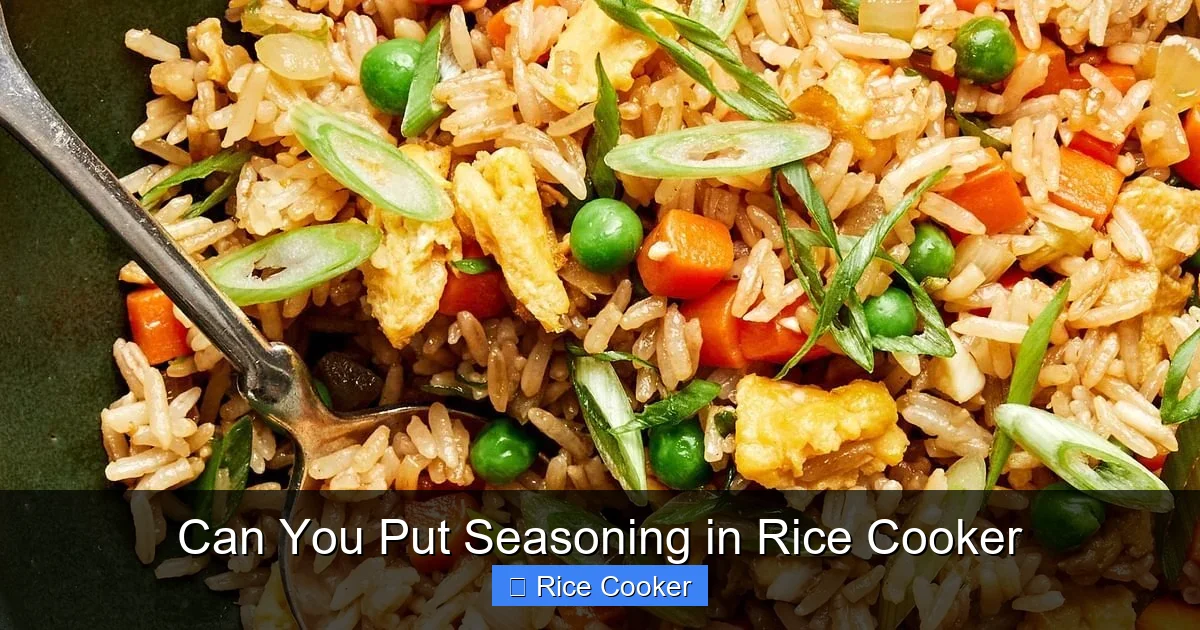
You can definitely add seasoning to your rice cooker for delicious, flavorful results without extra effort. Whether using broth, spices, or aromatics, there are safe and creative ways to boost taste. This guide covers everything from basics to gourmet tips so your rice always tastes amazing.
Key Takeaways
- Seasoning is not only possible but encouraged: Adding herbs, spices, or broth enhances flavor without complicating the process.
- Safe ingredients include: Water-based liquids like broth, wine, or vinegar; dry spices; and aromatic vegetables like garlic or onion.
- Too much liquid affects texture: Stick to 1–2 cups of additional liquid per cup of rice to avoid mushy or soggy results.
- Herbs and spices work best when added early: Toss them in with dry rice before cooking for even distribution.
- Cooking times may vary: Some liquids cook off faster, requiring slight adjustments in timing or heat level.
- Cleaning is easier than you think: Most modern rice cookers have removable inner pots that are dishwasher-safe.
- Experimentation leads to mastery: Start simple (like turmeric or cumin) and build up to complex spice blends or infused broths.
📑 Table of Contents
- Can You Put Seasoning in Rice Cooker?
- Why Add Seasoning to Rice?
- Safety First: What You Can (and Can’t) Put in Your Rice Cooker
- How to Add Seasoning Like a Pro
- Creative Seasoning Ideas for Every Taste
- Common Mistakes to Avoid
- Cleaning and Maintenance Tips
- Frequently Asked Questions
- Final Thoughts: Embrace the Possibilities
Can You Put Seasoning in Rice Cooker?
Have you ever wondered if your rice cooker is just a one-trick pony—making plain white rice over and over again? The truth is, your rice cooker is far more versatile than you might think. While it excels at turning raw grains into fluffy, tender perfection, it’s also a fantastic vessel for infusing rich flavors. Yes, you can absolutely put seasoning in your rice cooker—and doing so opens up a world of culinary possibilities. From savory jasmine rice cooked in coconut milk to fragrant basmati infused with saffron and cardamom, the secret to flavorful rice lies not just in technique, but in what you choose to cook it in.
Adding seasoning doesn’t mean standing over the stove constantly stirring. In fact, one of the greatest benefits of using a rice cooker is its ability to do most of the work for you. Whether you’re preparing a quick weeknight dinner or impressing guests with restaurant-quality dishes, learning how to properly season your rice cooker meals can elevate your entire meal. This guide will walk you through everything you need to know—safe ingredients, common mistakes, recipe ideas, and pro tips—so you never serve bland rice again.
Why Add Seasoning to Rice?
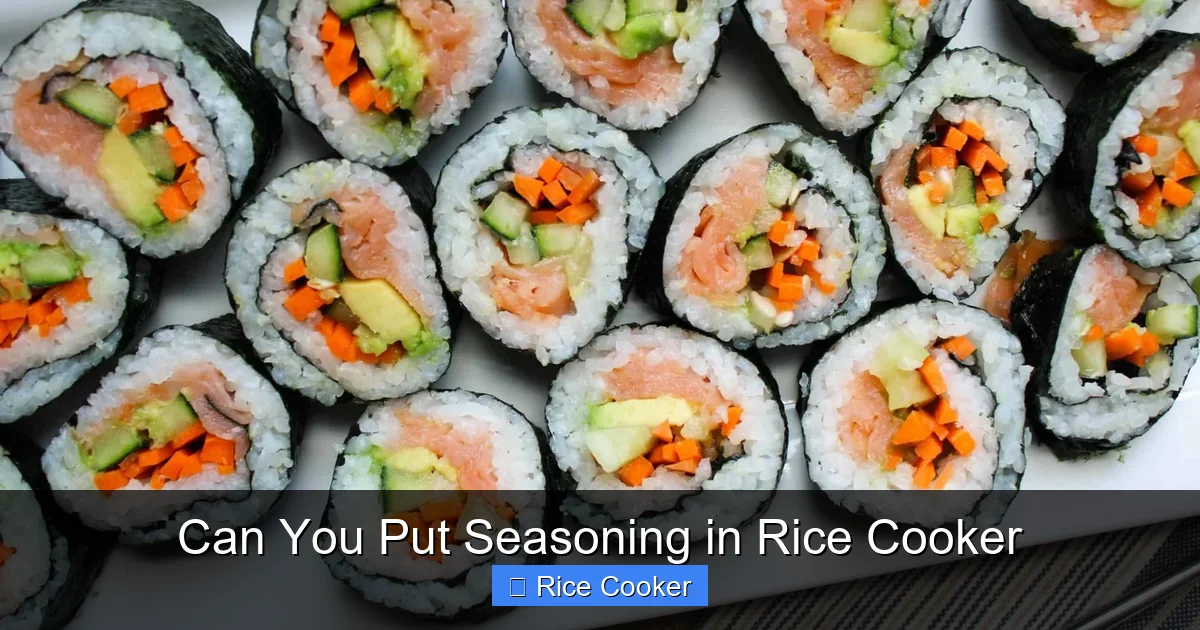
Rice is often seen as a neutral base—perfect for soaking up sauces, curries, or stir-fry flavors. But why stop there? Cooking rice with seasonings from the start builds depth and complexity that carries through the entire dish. Imagine serving a bowl of plain steamed rice next to a spicy Thai curry versus serving rice that’s already been kissed by lemongrass, ginger, and chili. The difference is night and day.
Visual guide about Can You Put Seasoning in Rice Cooker
Image source: sushiandrice.com
The Science Behind Flavor Infusion
When rice absorbs liquid during cooking, it doesn’t just take in water—it soaks up dissolved flavors too. That’s why cooking rice in broth instead of water creates a richer, more aromatic result. Heat helps break down starches and allows volatile compounds in spices and herbs to release their essence into the grain. Even subtle additions like a bay leaf or pinch of salt can transform ordinary rice into something extraordinary.
Benefits of Seasoned Rice Cooker Cooking
- Time-saving: No need to make separate rice side dishes—seasoned rice becomes the star.
- Even flavor distribution: Spices blend uniformly throughout the batch.
- Healthier options: Use low-sodium broth or vegetable stock instead of butter and cream.
- Reduced cleanup: One pot means fewer dishes after dinner.
Safety First: What You Can (and Can’t) Put in Your Rice Cooker
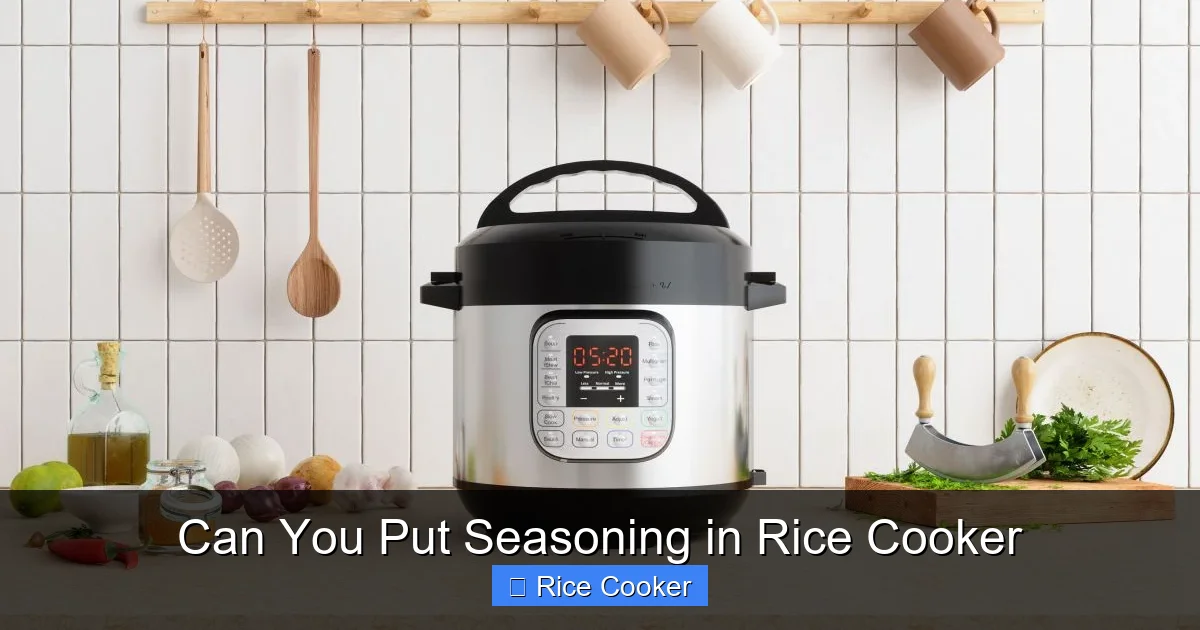
Not all seasonings are created equal when it comes to rice cookers. While many ingredients work beautifully, others can damage your appliance or create unpleasant odors. Let’s break down what’s safe—and what to avoid.
Visual guide about Can You Put Seasoning in Rice Cooker
Image source: storables.com
Liquid-Based Seasonings: The Best Friends
Liquids are the easiest and most effective way to add flavor. Broth, wine, vinegar, coconut milk, and even fruit juices all dissolve easily and distribute evenly. Just remember: rice cookers measure volume based on water content, so adding extra liquid means you’ll need slightly more dry rice to maintain the ideal ratio (typically 1:1.5 rice to liquid).
Dry Spices and Herbs: Low Risk, High Reward
Most whole or ground spices are perfectly fine in a rice cooker. Cinnamon sticks, cumin seeds, bay leaves, and dried thyme all release their aroma slowly during steaming. However, avoid overly oily spices like curry powder with heavy masala pastes—they can leave residue that’s hard to clean. Also, skip anything with high sugar content (like honey or molasses), as they may caramelize and stick to the pot.
Aromatic Vegetables: Boost Depth Without Mess
Chopped onions, garlic, ginger slices, or even a sprig of fresh cilantro can deepen flavor naturally. These aromatics soften during cooking and infuse the rice without requiring constant monitoring. Just be sure to chop them finely so they don’t clump or burn at the bottom.
Ingredients to Avoid
- High-fat oils: Olive oil or butter can smoke at low temperatures and leave a greasy film.
- Sugary additives: Maple syrup or jam may burn and gum up the heating element.
- Fresh dairy: Milk or cream can curdle or spoil during long cook cycles.
- Acidic mixtures: Lemon juice combined with certain grains (like brown rice) may affect texture.
How to Add Seasoning Like a Pro
Now that we’ve covered safety, let’s talk technique. Properly incorporating seasoning ensures even flavor and prevents scorching. Here’s a step-by-step approach anyone can follow.
Step 1: Measure Accurately
Start by measuring your dry rice and liquid precisely. A general rule is 1 cup uncooked rice to 1.5 cups liquid. If adding extra broth or wine, increase the rice slightly—usually by ¼ cup per additional ½ cup of liquid.
Step 2: Combine Dry Ingredients First
Toss your rice with spices, salt, and any solid aromatics before pouring in liquid. This ensures even coating and prevents pockets of unseasoned grain. For example, mix 1 tsp cumin with 1 cup basmati rice before adding chicken broth.
Step 3: Pour in Liquid Slowly
Gradually pour in your seasoned liquid while stirring gently. This helps dissolve salt or sugar evenly and prevents clumping. If using coconut milk, warm it slightly beforehand for better integration.
Step 4: Don’t Overload
Remember, rice cookers aren’t designed for massive batches. Stick to no more than 4 cups of rice at once unless your model specifically supports larger quantities. Overfilling restricts airflow and leads to uneven cooking.
Step 5: Let It Rest After Cooking
Once the cycle ends, let the rice sit for 5–10 minutes with the lid closed. This allows residual steam to finish hydrating the grains and distributes any lingering flavors evenly.
Creative Seasoning Ideas for Every Taste
Feeling inspired yet? Let’s explore some tried-and-true recipes that showcase how versatile your rice cooker truly is.
Golden Turmeric Rice (Healthy & Vibrant)
This bright yellow rice gets its color and anti-inflammatory properties from turmeric. Cook 1 cup jasmine or basmati rice with 1.5 cups vegetable broth, 1 tsp turmeric, ½ tsp cumin, and a pinch of black pepper (which helps absorb the turmeric). Add sliced almonds or raisins at the end for crunch and sweetness.
Mexican Street Corn Rice
Infuse white rice with the bold flavors of Mexican cuisine. Use 1.5 cups chicken or vegetable broth, 1 tbsp lime zest, 1 tsp smoked paprika, and ½ cup corn kernels. Stir in crumbled cotija cheese and chopped cilantro right before serving.
Italian Saffron Risotto-Style Rice
While true risotto requires stirring, this version mimics the creamy texture of Italian risotto. Cook 1 cup Arborio or Carnaroli rice with 1.5 cups warm chicken broth, 1 pinch saffron threads, 1 clove minced garlic, and 1 tbsp olive oil. Finish with Parmesan and fresh parsley.
Thai Coconut Lemongrass Rice
Simmer 1 cup jasmine rice with 1.5 cups coconut milk, 1 stalk lemongrass (bruised), 1 kaffir lime leaf, and 1 tsp fish sauce. Serve alongside red curry or satay dishes for an authentic Southeast Asian experience.
Spiced Apple Cinnamon Rice (Sweet Option)
For dessert-inspired meals, try 1 cup white rice with 1.5 cups apple cider, 1 apple (diced), 1 cinnamon stick, and 1 tbsp maple syrup. Cook until tender, then fluff with a fork and dust with powdered sugar.
Common Mistakes to Avoid
Even experienced cooks make errors when seasoning rice. Being aware of these pitfalls helps ensure success every time.
Mistake 1: Using Too Much Liquid
Overloading causes mushy rice. Always check your recipe ratios and err on the side of less liquid if unsure. Drain excess if necessary after cooking.
Mistake 2: Skipping Salt
Rice needs salt to develop full flavor. Even if you’re using seasoned broth, a pinch enhances overall taste.
Mistake 3: Not Cleaning Residue
Spices and oils can build up over time, affecting future batches. Clean your inner pot immediately after use—many are microwave-safe or dishwasher-friendly.
Mistake 4: Ignoring Ventilation
Some rice cookers have steam vents. Make sure they’re clear during cooking to prevent pressure buildup or overflow.
Mistake 5: Using Cold Liquid
Cold liquids slow down absorption. Warm broth or coconut milk helps rice cook more evenly and quickly.
Cleaning and Maintenance Tips
Keeping your rice cooker in top shape extends its lifespan and ensures hygienic cooking. Follow these easy steps:
- Unplug before cleaning: Safety first!
- Remove the inner pot: Wash with warm, soapy water. Non-stick models should not be scrubbed aggressively.
- Wipe exterior surfaces: Use a damp cloth—never submerge the main unit.
- Check the lid seal: Replace if cracked to prevent leaks.
- Descaling mineral deposits: Once a month, run a cycle with equal parts water and white vinegar to remove limescale.
Frequently Asked Questions
Can I put butter or oil directly in the rice cooker?
It’s not recommended. Butter can smoke at low temperatures, and oil may leave a sticky residue. Instead, sauté aromatics separately, then add them with broth for safer, tastier results.
Will adding seasoning change the cooking time?
Usually no—most seasonings don’t significantly alter cook time. However, thicker liquids like coconut milk may require slightly longer cycles. Check rice toward the end if uncertain.
Can I use frozen vegetables in seasoned rice?
Yes! Add thawed peas, corn, or carrots along with your liquid. They’ll cook through during the rice cycle and add color and nutrition.
Is it okay to reuse leftover seasoned rice?
Absolutely. Store it in an airtight container and reheat with a splash of water or broth to restore moisture. Avoid leaving it at room temperature for more than two hours.
Do all rice cookers support adding seasoning?
Yes—any standard electric rice cooker works. Just ensure your model has a removable inner pot for easy cleaning after flavored batches.
Can I make fried rice in my rice cooker?
Not traditionally—fried rice requires wok hei (high-heat tossing). However, you can cook seasoned rice first, cool it, then pan-fry it later for a hybrid approach.
Final Thoughts: Embrace the Possibilities
Your rice cooker isn’t just a kitchen gadget—it’s a gateway to endless flavor adventures. By confidently adding seasoning, you turn a humble grain into the foundation of memorable meals. Whether you prefer bold spices, herbal notes, or creamy coconut richness, there’s a perfect combination waiting for you.
Start small: try turmeric rice one night, then experiment with Moroccan-spiced lentils another. As you gain confidence, layer in new techniques—like adding lemon zest at the end or finishing with toasted nuts. Remember, even professional chefs began with the basics. With practice, you’ll develop your own signature styles.
So go ahead—open that rice cooker, grab your favorite spices, and transform plain rice into pure magic. Your taste buds (and dinner guests) will thank you.
Frequently Asked Questions
Can I put butter or oil directly in the rice cooker?
It’s not recommended. Butter can smoke at low temperatures, and oil may leave a sticky residue. Instead, sauté aromatics separately, then add them with broth for safer, tastier results.
Will adding seasoning change the cooking time?
Usually no—most seasonings don’t significantly alter cook time. However, thicker liquids like coconut milk may require slightly longer cycles. Check rice toward the end if uncertain.
Can I use frozen vegetables in seasoned rice?
Yes! Add thawed peas, corn, or carrots along with your liquid. They’ll cook through during the rice cycle and add color and nutrition.
Is it okay to reuse leftover seasoned rice?
Absolutely. Store it in an airtight container and reheat with a splash of water or broth to restore moisture. Avoid leaving it at room temperature for more than two hours.
Do all rice cookers support adding seasoning?
Yes—any standard electric rice cooker works. Just ensure your model has a removable inner pot for easy cleaning after flavored batches.
Can I make fried rice in my rice cooker?
Not traditionally—fried rice requires wok hei (high-heat tossing). However, you can cook seasoned rice first, cool it, then pan-fry it later for a hybrid approach.