
Yes, you can re-cook undercooked rice—but doing it the right way matters. Whether using a rice cooker, stovetop, or microwave, there are effective techniques to transform mushy, clumpy grains into fluffy, edible perfection. With proper moisture control and timing, even the most disappointing rice bowl can be saved.
Have you ever pulled rice out of the rice cooker only to find it’s still hard, gummy, or just plain unappetizing? Undercooked rice is more common than you might think—especially if you’re new to using a rice cooker or experimenting with different types of rice. But before you toss it in the compost bin (or worse, eat it straight from the pot), let me tell you: yes, you can re-cook rice if it’s undercooked. And not only that—you can do it without turning your kitchen into a science lab.
Whether you’re dealing with jasmine, basmati, brown rice, or even wild rice, the principles of fixing undercooked grains remain surprisingly consistent. In this complete guide, we’ll walk through everything from diagnosing the problem to salvaging your meal with confidence. We’ll also explore why rice sometimes turns out wrong, how to prevent it next time, and when it’s actually better to start over.
So grab a cup of coffee, pull out your rice cooker, and let’s dive into the world of perfect rice—even when things go sideways.
Key Takeaways
- Re-cooking undercooked rice is possible: It’s not always a lost cause—many methods exist to fix rice that didn’t absorb enough water or heat.
- Use a rice cooker for best results: The controlled environment of a rice cooker helps evenly distribute steam and heat, reducing risk of burning or uneven texture.
- Add small amounts of water gradually: Over-saturating can lead to soggy rice, so start with just a few tablespoons and check consistency often.
- Fluff while cooking: Gently stir with a fork every 2–3 minutes during re-cooking to prevent clumping and promote even moisture absorption.
- Let it rest after cooking: Allow the rice to sit covered for 5–10 minutes after re-heating—this helps redistribute moisture and fluff up the grains.
- Prevention beats correction: Proper water ratios, rinsing, and timing reduce the chance of undercooking in the first place.
- Safety first: Always ensure the rice reaches an internal temperature of at least 165°F (74°C) to kill potential bacteria like Bacillus cereus.
📑 Table of Contents
- Understanding Why Rice Gets Undercooked
- Can You Re-Cook Undercooked Rice Safely?
- How to Re-Cook Undercooked Rice Using a Rice Cooker
- Stovetop Method: Bringing Undercooked Rice Back to Life
- Microwave Rescue: Quick Fix for Small Portions
- Tips for Preventing Undercooked Rice
- Different Types of Rice and Their Re-Cooking Needs
- Common Mistakes When Re-Cooking Rice
- Final Thoughts: Rice Is Resilient
Understanding Why Rice Gets Undercooked
Before we talk about solutions, it helps to understand why rice ends up undercooked in the first place. Rice cookers are designed to automate the cooking process, but they’re not magic wands. Several factors can throw off the balance of water, heat, and timing.
One of the most common culprits is incorrect water-to-rice ratios. Different rice varieties absorb water differently. For example, short-grain rice likes more moisture, while long-grain types like basmati need less. If you use too little water, the rice simply won’t have enough to soften properly. On the flip side, too much water can lead to mushy rice—but that’s a whole other story.
Another issue is interrupted cooking cycles. If your rice cooker shuts off early due to power fluctuations or a faulty sensor, the rice may not reach its full potential. This is especially true with older models or those used in areas with unstable electricity.
Finally, the type of rice plays a big role. Brown rice, for instance, takes longer to cook than white rice because of its bran layer. If you treat brown rice like white rice—using the same water ratio and time—it’s almost guaranteed to come out undercooked.
Recognizing these causes helps you avoid repeating mistakes. But again, even if your rice is still slightly chewy or dry, don’t panic. There are ways to fix it.
Can You Re-Cook Undercooked Rice Safely?
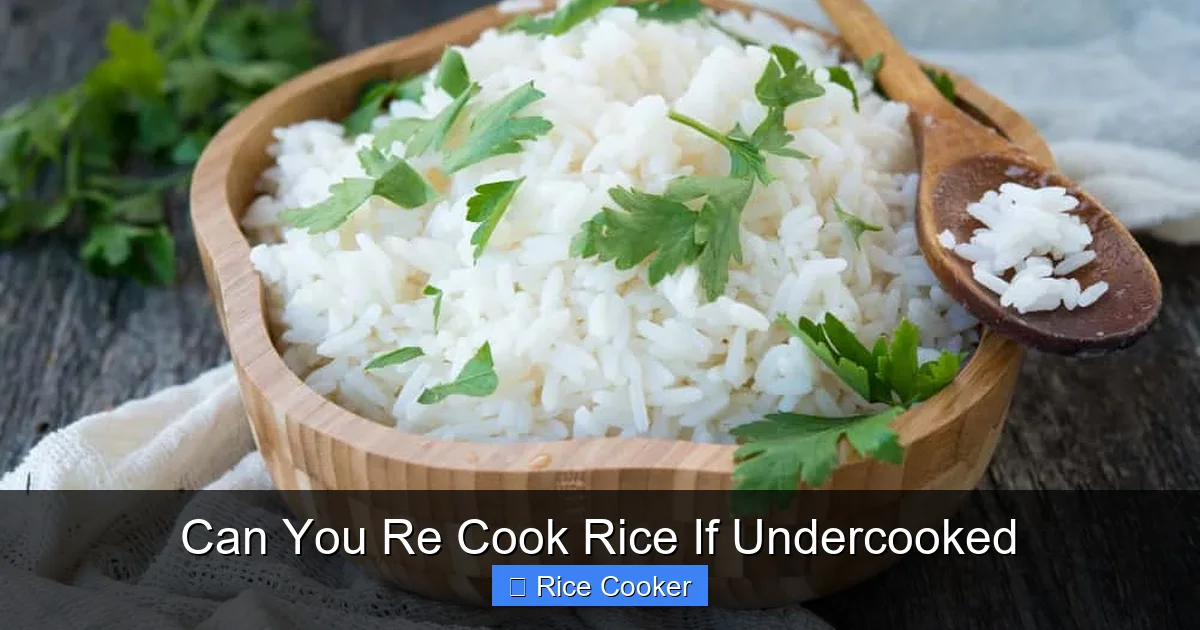
Visual guide about Can You Re Cook Rice If Undercooked
Image source: preparedcooks.com
Absolutely—and safely! Re-cooking undercooked rice doesn’t mean boiling it raw again. Instead, you gently reheat it while adding moisture and allowing the starches to fully gelatinize. The goal is to bring the rice back to a safe internal temperature (at least 165°F / 74°C) while restoring texture.
However, safety comes first. Raw or partially cooked rice can harbor bacteria like Bacillus cereus, which survives cooking but produces toxins that aren’t killed by reheating. That’s why experts recommend never consuming undercooked rice unless it has been brought to a rolling boil for several minutes or cooked thoroughly in a rice cooker.
When re-cooking, make sure the rice reaches that critical temperature throughout. Use a food thermometer if possible, or trust your senses—the grains should feel soft and tender, not crunchy or chalky.
Now, let’s get into the practical methods.
How to Re-Cook Undercooked Rice Using a Rice Cooker
Visual guide about Can You Re Cook Rice If Undercooked
Image source: stretchrecipes.com
Using your rice cooker is often the easiest and most effective method. Here’s how:
Step-by-Step Guide
- Assess the current state: Is the rice mostly dry and firm? Or still slightly moist but uncooked in the center? This will help determine how much water to add.
- Add a small amount of water: Start with 1–2 tablespoons per cup of rice. Too much can oversaturate the dish.
- Cover and set to “Warm” or “Cook”: Most rice cookers have a “Keep Warm” setting—don’t leave it on that forever! Instead, switch it back to “Cook” mode for 5–10 minutes.
- Check frequently: After 5 minutes, open the lid and fluff the rice with a fork. Add another spoonful of water if needed, then cover again.
- Let it rest: Once tender, turn off the cooker and let the rice sit covered for 5 minutes. This allows residual heat to finish the job and improves texture.
Pro tip: If your rice cooker has a “Steam” or “Rinse” function, you can briefly run it to help loosen stubborn grains. Just don’t overdo it—excess steam can make rice soggy.
This method works best for white rice. Brown rice may require longer re-cooking times due to its denser structure.
Stovetop Method: Bringing Undercooked Rice Back to Life
Not everyone owns a rice cooker—or maybe yours broke mid-repair. No worries! The stovetop can be your rescue tool.
What You’ll Need
- A saucepan with a tight-fitting lid
- Small amount of water or broth
- Fork or rice paddle
- Oven mitt (to protect your hands)
The Process
Begin by placing the undercooked rice in the saucepan. Add 2–3 tablespoons of water per cup of rice, cover tightly, and bring to a simmer over medium heat. Reduce heat to low and cook uncovered for 5–8 minutes, stirring occasionally. The key here is gentle heat—too high, and the bottom will burn; too low, and it stays gummy.
If the rice feels too dry after 8 minutes, add another tablespoon of liquid and continue cooking. Keep checking until all grains are soft and separated.
Once done, remove from heat and let it steam covered for 5 minutes. Fluff gently with a fork before serving.
For extra flavor, consider using vegetable broth instead of water—especially if you’re planning to serve the rice as a base for stir-fries or curries.
Microwave Rescue: Quick Fix for Small Portions
Running late? Need a fast solution? The microwave works surprisingly well—especially for single servings.
Instructions
Transfer the undercooked rice to a microwave-safe bowl. Dampen a paper towel and place it over the rice (this prevents splatter). Add 1–2 teaspoons of water per cup of rice. Cover the bowl loosely with plastic wrap or a microwave-safe lid, leaving a small vent.
Microwave on high for 1–2 minutes, then check. Stir the rice and add another teaspoon of water if needed. Repeat in 30-second intervals until tender. Total time usually ranges from 2–4 minutes depending on quantity and starting condition.
Be careful not to over-microwave—rice can dry out quickly in microwaves due to uneven heating.
Tips for Preventing Undercooked Rice
While re-cooking is totally fine, prevention is always easier (and tastier) than fixing mistakes. Here’s how to avoid undercooked rice altogether:
Use the Right Water Ratio
Most recipes call for a 2:1 water-to-rice ratio for white rice. Brown rice typically needs 2.5:1. Always rinse the rice first—this removes excess starch and prevents stickiness. Just drain well afterward.
Don’t Rush the Soak (When Needed)
Some rices, like sushi or glutinous varieties, benefit from a quick soak in cold water for 15–30 minutes before cooking. This ensures even hydration.
Trust Your Cooker’s Cycle
Modern rice cookers auto-shut off when done. Don’t interfere unless necessary. Let the built-in timer do the work.
Store Leftovers Properly
If you end up with extra perfectly cooked rice, cool it quickly and refrigerate within two hours. Reheat leftovers thoroughly—ideally using a rice cooker or stovetop—before eating.
Know When to Start Over
Sometimes, despite your best efforts, the rice is beyond saving. Signs include:
- Rice tastes bitter or metallic
- Large chunks remain hard even after extended re-cooking
- Mold or unusual odors appear
In those cases, it’s safer to discard the batch. Food safety trumps pride.
Different Types of Rice and Their Re-Cooking Needs
Not all rice behaves the same when undercooked. Let’s break it down by variety:
White Rice
The most forgiving type. Usually recovers well with added water and gentle reheating. Jasmine and basmati fall into this category.
Brown Rice
Higher fiber content means slower absorption. May need up to 30% more water and longer re-cooking time. Patience is key.
Sushi Rice
Sticky by nature. If undercooked, it tends to clump rather than stay separate. Adding a splash of warm water and steaming briefly usually fixes it.
Wild Rice
Long grain and very absorbent. Often requires multiple rounds of hydration. Best re-cooked slowly on the stovetop.
Coconut Rice or Fried Rice
These dishes are forgiving because they’re mixed with other ingredients. A quick stir-fry session can revive undercooked grains easily.
Common Mistakes When Re-Cooking Rice
Even experienced cooks slip up. Watch out for these pitfalls:
Adding Too Much Water at Once
This leads to soggy, glue-like rice. Always add water incrementally.
Over-Stirring
Gentle fluffing is enough. Vigorous stirring breaks apart the delicate structure of rice grains.
Skipping the Rest Period
Without letting rice rest after cooking, moisture stays trapped, resulting in uneven texture.
Using Cold Water
Cold water slows down heat transfer. Warm water helps distribute temperature faster.
Ignoring Safety Guidelines
Never serve undercooked rice to vulnerable populations—young children, pregnant women, elderly individuals, or anyone with weakened immunity.
Final Thoughts: Rice Is Resilient
At the end of the day, rice is one of the most adaptable foods in your kitchen. Even when it disappoints, it rarely fails completely. With a little patience, the right technique, and a touch of moisture, you can turn a subpar batch into something delicious.
Remember: a rice cooker isn’t just a gadget—it’s your ally in the fight against bad meals. By understanding how it works and what goes wrong, you gain control over your cooking outcomes. And when disaster strikes? You now know exactly how to rise from the ashes.
Next time your rice comes out undercooked, don’t despair. Grab that fork, add a little warmth and water, and give it another chance. Because in the world of rice, second chances are not only allowed—they’re expected.
Frequently Asked Questions
Is it safe to eat undercooked rice?
It’s generally not recommended to eat undercooked rice because it may contain bacteria like Bacillus cereus, which can cause food poisoning. However, if you re-cook it thoroughly to at least 165°F (74°C), it becomes safe to consume.
Can I re-cook rice in the microwave?
Yes, the microwave works well for small portions. Add a bit of water, cover, and heat in short bursts while checking for doneness. Stir between intervals to ensure even cooking.
Why does my rice cooker keep undercooking rice?
This could be due to incorrect water ratios, low-quality rice, or a malfunctioning temperature sensor. Try adjusting the water amount and ensure your cooker is clean and functioning properly.
How much water should I add when re-cooking?
Start with 1–2 tablespoons of water per cup of rice. Add more only if needed, and avoid over-saturating, which leads to soggy results.
Does re-cooking affect the taste of rice?
Re-cooking can alter texture slightly, but with proper technique, the flavor remains intact. The key is gentle heating and minimal disturbance to the grains.
Should I rinse rice before re-cooking?
If the original rice was rinsed before cooking, no need to rinse again. Rinsing adds unnecessary moisture and can wash away flavor compounds.