
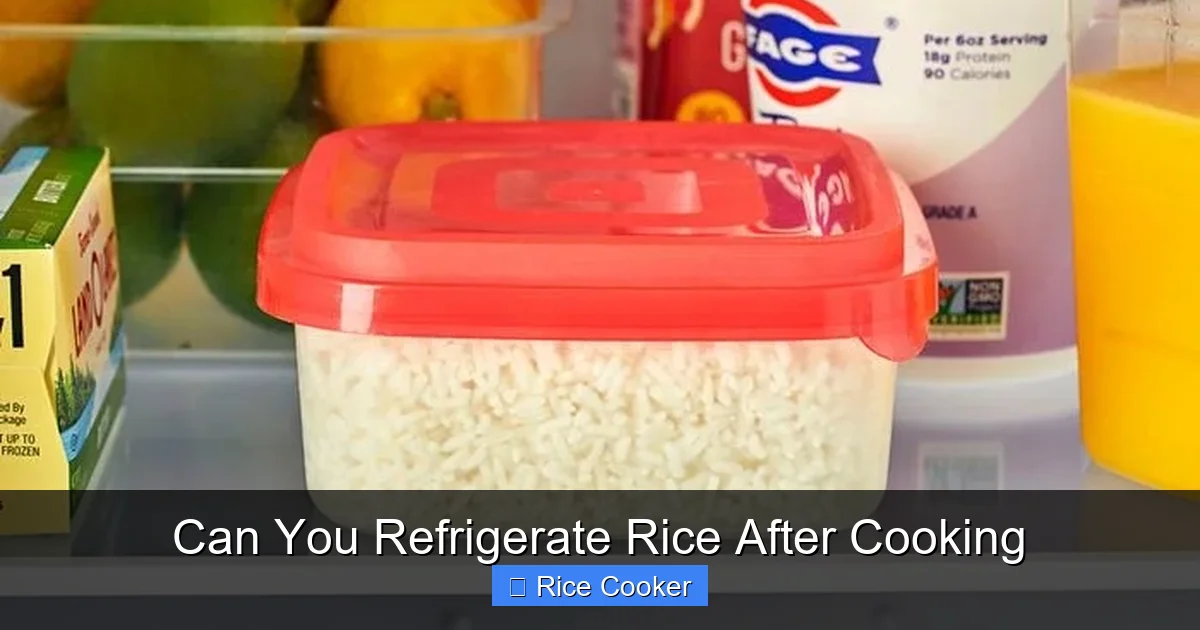
Can you refrigerate rice after cooking? Absolutely—refrigerating cooked rice is not only safe but recommended when done correctly. The key is cooling it quickly and storing it in airtight containers to prevent bacterial growth. With proper handling, leftover rice can stay fresh for up to 5–7 days in the fridge.
Key Takeaways
- Refrigeration slows spoilage: Cooling rice quickly in the refrigerator prevents the growth of harmful bacteria like Bacillus cereus.
- Use airtight containers: Store rice in shallow, covered containers to promote even cooling and reduce exposure to air and contaminants.
- Never leave rice at room temperature too long: Rice should not sit out for more than 1–2 hours before refrigeration to avoid bacterial multiplication.
- Reheat thoroughly before eating: Always reheat refrigerated rice to an internal temperature of 165°F (74°C) to kill any potential bacteria.
- Freezing extends shelf life: For longer storage, freeze rice in portion-sized bags or containers—it can last up to 3 months.
- Cool rice fast with ice baths: Speed up cooling by placing the container in an ice bath to reduce the risk of temperature danger zone buildup.
- Label and date your containers: Keep track of how long the rice has been stored to ensure maximum safety and quality.
Quick Answers to Common Questions
Can I eat cold rice straight from the fridge?
It’s safe to eat cold rice if it was refrigerated properly and hasn’t been sitting out too long. However, always reheat it thoroughly before consumption to eliminate any potential bacteria.
How long does cooked rice last in the fridge?
Properly stored cooked rice can last 5–7 days in the refrigerator. Brown rice may only last 3–4 days due to its higher fat content.
Is it OK to reheat rice multiple times?
It’s best to reheat rice only once. Repeated reheating can increase the risk of bacterial contamination and affect texture. Prepare only what you’ll eat.
Can you freeze uncooked rice?
Yes, you can freeze uncooked rice, but it’s not necessary. Uncooked rice lasts indefinitely in a cool, dry place. Freezing is more useful for cooked rice.
Does rinsing rice affect its safety when refrigerating?
Rinsing removes excess starch and can reduce stickiness, but it doesn’t impact safety. Just make sure to cook rice thoroughly before refrigerating.
📑 Table of Contents
- Can You Refrigerate Rice After Cooking? A Complete Guide to Safe Storage
- Why Refrigerating Rice Is Safe—When Done Correctly
- Step-by-Step Guide: How to Safely Refrigerate Cooked Rice
- Common Mistakes People Make When Storing Rice
- How Long Can You Keep Refrigerated Rice?
- Freezing Rice: An Alternative to Refrigeration
- Best Practices for Rice Cookers and Other Appliances
- Myths About Refrigerating Rice Debunked
- Tips for Better-Tasting Leftover Rice
- Conclusion: Yes, You Can Refrigerate Rice After Cooking—Safely
Can You Refrigerate Rice After Cooking? A Complete Guide to Safe Storage
If you’re someone who cooks rice regularly—whether it’s for a quick weeknight dinner, meal prep, or a large family gathering—you’ve likely found yourself wondering: Can you refrigerate rice after cooking? The short answer is yes, absolutely. But like many kitchen questions, the real story is more nuanced. Proper storage isn’t just about convenience; it’s about food safety. In this article, we’ll dive deep into everything you need to know about refrigerating cooked rice—from why it’s safe to do so, to how to do it right, and what to avoid at all costs.
Whether you’re using a traditional pot on the stove or a modern rice cooker, understanding the best practices for cooling and storing rice can save you from unpleasant surprises—like finding mold or worse, food poisoning. We’ll cover practical tips, common mistakes, and even explore alternatives like freezing. By the end of this guide, you’ll feel confident every time you refrigerate rice after cooking.
Why Refrigerating Rice Is Safe—When Done Correctly
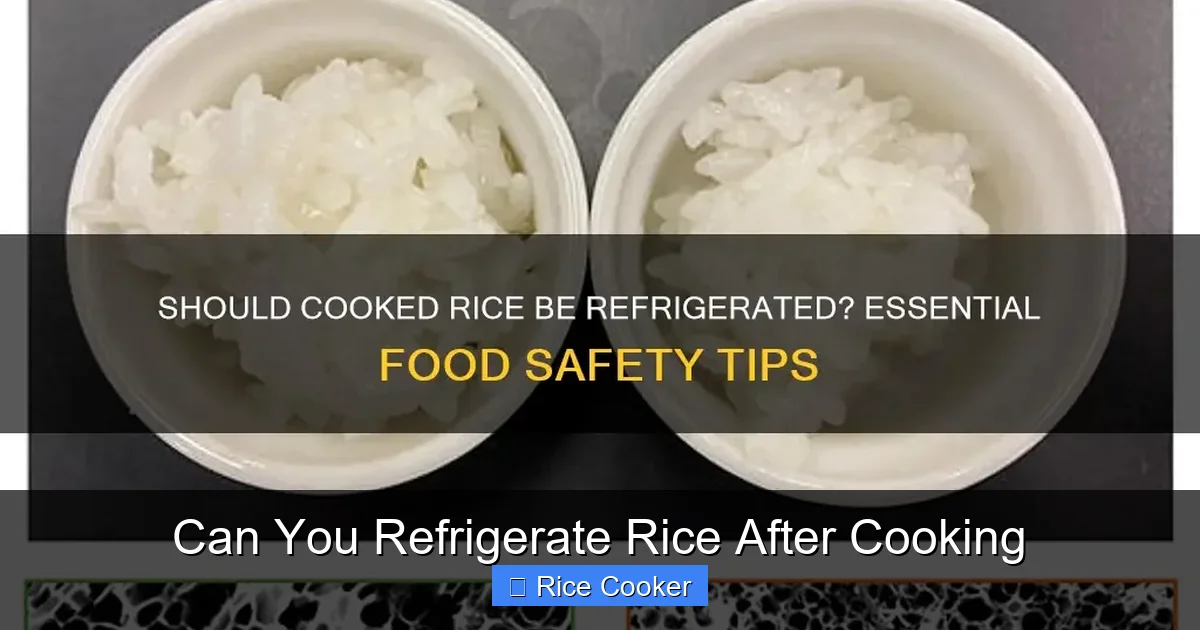
Rice is a staple in many diets around the world, but it comes with a hidden risk: Bacillus cereus, a type of bacteria that can grow in cooked rice if it’s not handled properly. This bacterium produces toxins that can cause food poisoning, leading to symptoms like nausea, vomiting, and diarrhea. The scary part? These spores are naturally present in rice and can survive the cooking process.
Visual guide about Can You Refrigerate Rice After Cooking
Image source: cycookery.com
The Danger Zone Explained
The “danger zone” for food is between 40°F (4°C) and 140°F (60°C). Bacteria multiply rapidly in this temperature range, especially in moist, starchy foods like cooked rice. If rice is left sitting at room temperature for too long, these spores can germinate and start producing toxins—even before you taste it.
This is why the USDA recommends that perishable foods, including cooked rice, should not be left out at room temperature for more than two hours (or one hour if the ambient temperature is above 90°F/32°C). Refrigerating rice within this window helps keep it out of the danger zone and slows bacterial growth significantly.
How Refrigeration Helps
When you refrigerate cooked rice promptly and cool it quickly, you drastically reduce the chance of Bacillus cereus thriving. Cold temperatures slow down metabolic processes in bacteria, effectively putting them into a dormant state. That’s why refrigeration is such a powerful tool in food preservation—and why it’s perfectly safe (and smart) to put rice in the fridge after cooking.
Step-by-Step Guide: How to Safely Refrigerate Cooked Rice
Now that we’ve established that yes, you can refrigerate rice after cooking, let’s walk through the safest way to do it. Follow these steps to protect your health and extend the shelf life of your rice.
Visual guide about Can You Refrigerate Rice After Cooking
Image source: pantrytips.com
Step 1: Let It Cool Slightly—But Not Too Long
After cooking your rice, remove it from the heat source. Don’t wait until it’s completely cooled before refrigerating. In fact, the faster you get it into the fridge, the better. However, if you’re transferring it directly from a hot pan or rice cooker, let it cool for about 10–15 minutes first. This prevents condensation from forming inside the container and reduces the strain on your refrigerator.
Step 2: Divide Into Shallow Containers
Use shallow, airtight containers or resealable plastic bags. Why shallow? Because thin layers cool more evenly and quickly than thick piles of rice. Think of it like slicing bread—thin slices toast faster. The same principle applies here. Avoid using wide, deep bowls unless you plan to spread the rice out before covering it.
Step 3: Use an Ice Bath for Faster Cooling (Optional)
For extra speed, place the container of hot rice in a larger bowl filled with ice water. Stir occasionally to help distribute the cold evenly. This method can cut cooling time by half and is especially useful if you’re preparing rice in advance for meal prep.
Step 4: Seal and Label
Once cooled, seal the container tightly to prevent moisture loss and contamination from other fridge odors. Label it with the date so you know exactly how long it’s been stored. Most cooked rice stays safe in the fridge for 5–7 days—but better safe than sorry!
Step 5: Reheat Thoroughly Before Eating
When you’re ready to enjoy your leftovers, reheat the rice until steaming hot throughout. Use a microwave, stovetop, or oven—just make sure it reaches at least 165°F (74°C) internally. Adding a splash of water or broth during reheating helps restore moisture and improves texture.
Common Mistakes People Make When Storing Rice
Even with good intentions, many people unknowingly compromise their rice’s safety. Here are some frequent errors to avoid:
- Leaving rice at room temperature overnight: This allows dangerous bacterial growth. Always refrigerate within 2 hours.
- Using non-airtight containers: Exposure to air increases oxidation and contamination risks.
- Piling rice in a deep pot or casserole dish: Thick layers retain heat and cool unevenly, creating warm pockets where bacteria can grow.
- Not labeling containers: It’s easy to forget how long rice has been stored—labeling avoids guesswork.
- Reheating partially: Never eat cold or lukewarm leftover rice. Always reheat fully.
How Long Can You Keep Refrigerated Rice?
Cooked white rice can generally be safely stored in the refrigerator for up to 5–7 days. Brown rice, due to its higher oil content, tends to go stale faster and may only last 3–4 days. Always trust your senses—if it smells off, has an unusual texture, or shows signs of mold, discard it immediately.
Signs Your Rice Has Gone Bad
- Unpleasant sour or rancid smell
- Visible mold or fuzzy spots
- Unusual sliminess or stickiness
- Off-color appearance (yellowish or green tinge)
When in doubt, throw it out. Foodborne illness is no joke, and rice is a common culprit.
Freezing Rice: An Alternative to Refrigeration
Want to store rice for longer than a week? Freezing is an excellent option. Properly frozen rice can last up to 3 months without significant loss of quality.
How to Freeze Cooked Rice
- Let the rice cool completely.
- Portion it into freezer-safe containers or zip-top bags.
- Remove as much air as possible to prevent freezer burn.
- Label with the date and contents.
- Store in the freezer.
Thawing and Reheating Frozen Rice
To thaw, move the rice from the freezer to the refrigerator overnight. Alternatively, microwave it directly from frozen—just add a tablespoon of water per cup to prevent drying. Reheat until hot throughout, stirring occasionally.
Best Practices for Rice Cookers and Other Appliances
If you use a rice cooker frequently, you might be tempted to leave the rice in the appliance until you’re ready to serve or store it. But here’s the catch: most rice cookers aren’t designed for long-term holding. Leaving cooked rice in the machine for over 30 minutes can push it into the danger zone.
What to Do After Using a Rice Cooker
- Turn off the cooker and unplug it.
- Transfer the rice to a shallow container within 10 minutes.
- Follow the cooling and refrigeration steps outlined earlier.
Some high-end rice cookers have a “keep warm” function that cycles the rice to maintain heat. While convenient for serving, this feature isn’t meant for prolonged storage. Use it sparingly—only for immediate serving, not for overnight holding.
Myths About Refrigerating Rice Debunked
There are plenty of old wives’ tales and myths floating around about rice and refrigeration. Let’s clear them up.
Myth #1: “Rice Should Never Be Refrigerated”
This is false. Many cultures routinely refrigerate rice—especially in places like Japan, China, and Southeast Asia, where rice is eaten daily and often prepared in large quantities. As long as it’s done correctly, refrigeration is not only safe but essential.
Myth #2: “Cooked Rice Loses Nutrients When Stored”
While some vitamins (like vitamin C) degrade over time, rice remains nutritious for days when stored properly. The main concern isn’t nutrient loss—it’s bacterial growth. So focus on safety first.
Myth #3: “You Can Leave Rice Out All Night and Reheat It”
Nope. Even if you plan to reheat it later, leaving rice at room temperature allows toxins to form. Reheating won’t destroy pre-formed toxins produced by Bacillus cereus. Bottom line: refrigerate promptly.
Tips for Better-Tasting Leftover Rice
Safety is important, but so is flavor and texture. Here’s how to keep your refrigerated rice tasting great:
- Add moisture before reheating: Steamy rice is less likely to dry out. Add a teaspoon of water or broth per cup before microwaving.
- Fluff with a fork: Overworked rice becomes gummy. Gently fluff it with a fork before serving.
- Use it creatively: Turn cold rice into fried rice, rice salads, or rice balls for new flavors.
- Avoid over-reheating: Microwave in short bursts with stirring to prevent hot spots and drying.
Conclusion: Yes, You Can Refrigerate Rice After Cooking—Safely
In summary, yes, you can refrigerate rice after cooking, and doing so responsibly is one of the best ways to prevent foodborne illness. By cooling rice quickly, storing it in airtight containers, and reheating it thoroughly, you protect yourself and your loved ones from unnecessary risks. Whether you’re using a rice cooker, stovetop, or Instant Pot, the principles remain the same.
Remember: the goal isn’t just to preserve rice—it’s to preserve health. With a little attention to timing, temperature, and technique, you can enjoy safe, delicious rice leftovers for up to a week. And if you want to go further, freezing offers an even longer shelf life without sacrificing quality.
So next time you cook a big batch of rice, don’t hesitate to pop it in the fridge. Your future self (and your stomach) will thank you.
Frequently Asked Questions
Should I cover rice while it’s cooling before refrigerating?
No, avoid covering hot rice immediately. Let it cool uncovered for 10–15 minutes to reduce condensation, then transfer to an airtight container for refrigeration.
Can I refrigerate rice cooked in a rice cooker?
Yes, but only after transferring it to a shallow container within 15–20 minutes. Do not leave rice in the rice cooker for extended periods, as it can enter the danger zone.
How do I know if my rice has gone bad?
Check for a sour smell, slimy texture, mold, or discoloration. If any of these signs appear, discard the rice immediately to avoid food poisoning.
Does type of rice affect refrigeration safety?
All types of cooked rice—white, brown, jasmine, basmati—can harbor Bacillus cereus. Safety depends on proper cooling and storage, not the rice variety.
Can I refrigerate rice with sauce or gravy?
Yes, but stir gently before refrigerating to prevent separation. Reheat thoroughly and stir again before serving to blend flavors.
Is it safe to eat rice that’s been in the fridge for a week?
Most cooked rice is safe for up to 5–7 days. After a week, it may still be technically edible, but flavor and texture decline. When in doubt, throw it out.