
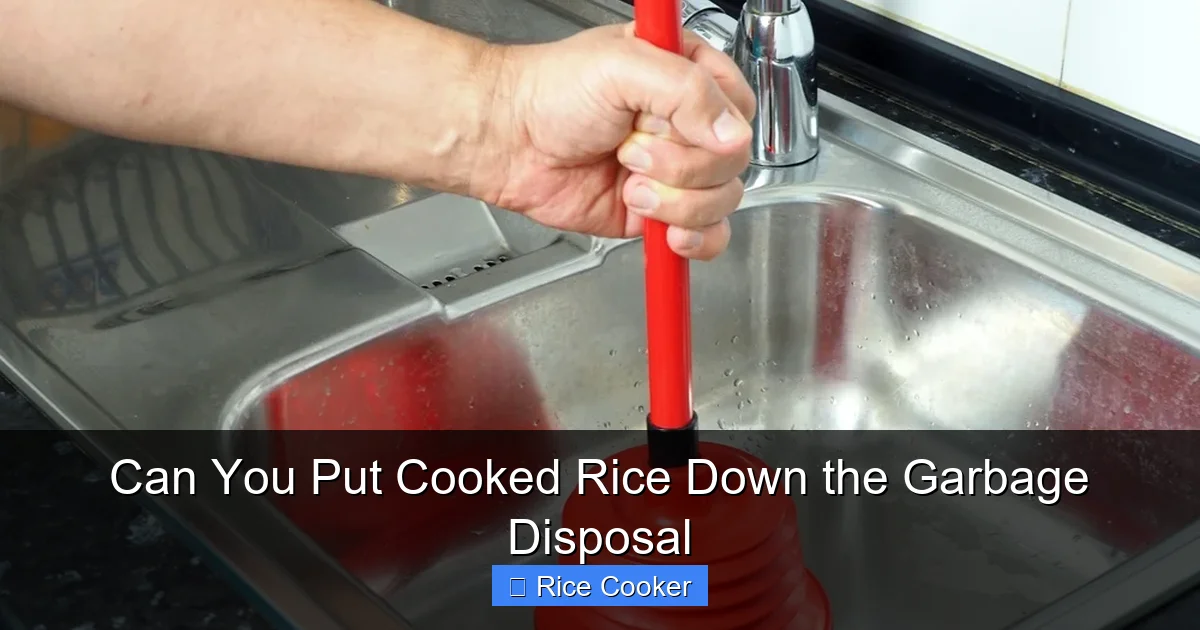
Can you put cooked rice down the garbage disposal? The short answer is no—and here’s why. Cooked rice expands when wet, creating a sticky mass that can clog your pipes and damage your disposal over time. While it might seem harmless, rice behaves like gelatin in your plumbing system, trapping grease and other debris. Instead, scrape rice into the trash or compost it to avoid costly repairs and maintain your kitchen’s efficiency. With simple habits, you can keep your disposal running smoothly.
Key Takeaways
- Rice expands and sticks: Cooked rice absorbs water and swells, becoming gooey and prone to forming clogs in your pipes.
- Garbage disposals aren’t designed for starchy foods: These appliances handle food waste, but not items that dissolve or expand unpredictably.
- Prevention is easier than cleanup: Scoop rice into the trash or compost bin instead of rinsing it down the drain.
- Clogs lead to bigger problems: Ignoring rice disposal can cause backups, foul odors, and expensive plumber visits.
- Use cold water when operating the disposal: Cold water helps solidify grease and fats, reducing the chance of buildup.
- Regular maintenance prevents issues: Clean your disposal monthly with ice cubes and citrus peels to keep it fresh and functional.
- Composting is a green alternative: If you have a compost pile, cooked rice (in moderation) can be safely added as organic material.
Quick Answers to Common Questions
Can a tiny bit of rice really clog my pipes?
Yes—even a small amount of cooked rice can cause problems over time. As it absorbs water and mixes with other debris, it forms a sticky mass that coats and blocks your pipes.
Does rice break down in water?
Not effectively. Unlike banana peels or eggshells, rice doesn’t biodegrade quickly in water and tends to clump together, creating long-term clogs.
Is it okay to compost cooked rice?
Yes, but only in moderation and without oils or meats. Add it to a well-maintained outdoor compost bin to balance carbon content.
Will vinegar remove rice clogs?
No. Vinegar doesn’t dissolve rice effectively, and it can corrode rubber components in your disposal over time.
Should I run hot or cold water when using the disposal?
Always run cold water. It keeps fats solid and helps flush food particles through your pipes more efficiently.
📑 Table of Contents
- Can You Put Cooked Rice Down the Garbage Disposal?
- Why Cooked Rice Is Problematic for Garbage Disposals
- What Happens When You Ignore the Rules?
- Safe Alternatives to Disposal Disposal
- Tips to Keep Your Garbage Disposal Running Smoothly
- Common Misconceptions About Rice and Plumbing
- Conclusion: Protect Your Plumbing, One Grain at a Time
Can You Put Cooked Rice Down the Garbage Disposal?
You’re standing at the kitchen sink after dinner, scraping leftover fried rice into the sink. The rice is soft, slightly greasy, and warm—perfect for the garbage disposal. You turn on the water and flip the switch, watching the blades spin and the rice disappear. But pause. Have you ever wondered if that little bit of rice actually goes down the drain—or if it’s doing more harm than good?
The short answer: no, you shouldn’t put cooked rice down the garbage disposal. While it may seem harmless, cooked rice behaves in ways that can quickly turn into plumbing nightmares. It expands when wet, becomes sticky, and traps other food particles, creating a sludge-like substance that slowly but surely clogs your pipes. Over time, this buildup can lead to slow drains, unpleasant odors, and even complete blockages that require professional intervention.
In this article, we’ll dive deep into why cooked rice is a poor choice for your garbage disposal, what happens when you ignore the rules, and how to safely dispose of rice and other starchy leftovers. Whether you’re a busy parent, a college student living off takeout, or someone who loves cooking rice-based dishes, these tips will help you keep your kitchen—and your plumbing—running smoothly.
Why Cooked Rice Is Problematic for Garbage Disposals
At first glance, cooked rice looks like ordinary food waste. After all, it’s just grains that were once dry and firm. But once they’re boiled and cooled, their structure changes dramatically. The starches in rice absorb moisture and begin to break down, turning into a gel-like substance. This transformation is what makes rice so dangerous for garbage disposals.
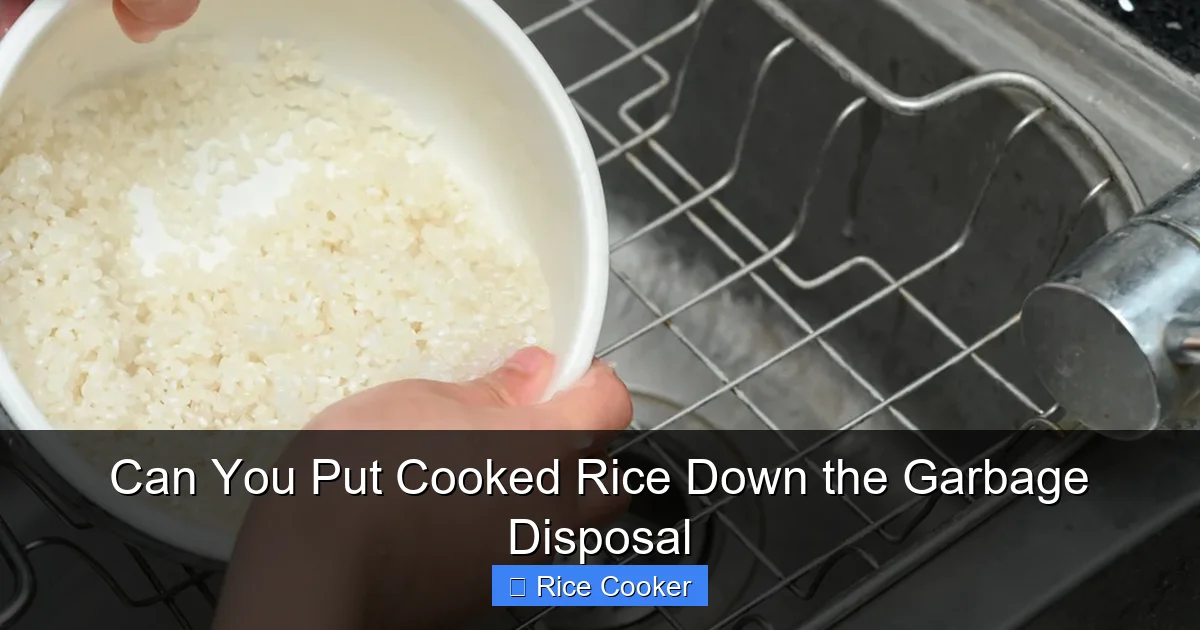
Visual guide about Can You Put Cooked Rice Down the Garbage Disposal
Image source: plumbjoe.com
The Science Behind Rice and Water
When raw rice is cooked, the heat causes the starches to gelatinize. This means the starch granules swell up and burst, releasing amylose and amylopectin—two types of carbohydrates that become highly soluble in water. When you rinse rice down the sink, these dissolved starches mix with water and other food particles, forming a thick, gluey film that coats the inside of your pipes.
This isn’t just a minor inconvenience. Over time, repeated exposure to rice and similar starches can lead to a buildup called biofilm, a slimy layer of bacteria, grease, and food residue that clogs your pipes from the inside out. Unlike meat or vegetable scraps, which break down quickly under mechanical action, rice doesn’t disintegrate. Instead, it sticks to everything it touches.
How Rice Clogs Your Pipes
Imagine pouring a spoonful of uncooked rice into a glass of water. At first, it floats. But as it soaks up water, it sinks and starts to clump together. That’s exactly what happens in your pipes—except instead of a glass, you have narrow, twisting plumbing that’s already carrying grease, coffee grounds, and other debris.
As rice travels through your disposal and into the main drain line, it continues to absorb moisture. In a matter of hours or days, it hardens into a solid mass that blocks the flow of water. Once a clog forms, it’s nearly impossible to flush out without plunging, snaking, or calling a plumber. And because rice doesn’t break down easily, even chemical drain cleaners often fail to dissolve it completely.
What Happens When You Ignore the Rules?
Many people assume that a small amount of rice won’t make a difference. But even a teaspoon can cause trouble if done repeatedly. Let’s look at what actually happens when you consistently pour cooked rice down the disposal.
Visual guide about Can You Put Cooked Rice Down the Garbage Disposal
Image source: shinymodern.com
Slow Drains and Foul Odors
The first sign of trouble is usually a slow-draining sink. Water pools around the basin, and you might notice a sour smell coming from the disposal. This odor comes from anaerobic bacteria thriving in the dark, moist environment created by trapped food waste and rice sludge.
Over time, the smell gets worse. You might start noticing it in the bathroom sink too, as the clog moves further into your home’s plumbing system. The longer you wait to address the issue, the more difficult—and expensive—it becomes to fix.
Malfunctioning Disposal Units
Your garbage disposal isn’t built to handle large amounts of starchy or fibrous materials. When rice mixes with grease, it creates a paste that coats the metal blades and housing. This buildup reduces the motor’s efficiency and increases strain, leading to overheating and premature wear.
In severe cases, a clogged disposal can cause the motor to burn out. Replacing a disposal unit costs anywhere from $150 to $700, not including labor. That’s money you could have saved by simply tossing rice in the trash.
Pipe Damage and Structural Issues
If a rice clog goes untreated, it can force water back up into your cabinets or basement. In older homes with clay or cast iron pipes, the pressure can crack pipes or joints, leading to leaks and water damage. Mold growth and structural weakening are real risks in such situations.
Even in modern homes with PVC pipes, persistent clogs can warp fittings or push debris into sewer lines, affecting your entire neighborhood’s drainage system.
Safe Alternatives to Disposal Disposal
So what should you do with that bowl of leftover fried rice? Fortunately, there are several safe and eco-friendly options.
Scrape Into the Trash
The simplest solution is to scrape all cooked rice—and any sauces or seasonings—into a sealed trash bag before washing your dishes. This prevents rice from entering your sink and eliminates the risk of clogs entirely. It takes less than 10 seconds, and it protects your plumbing for years.
Compost It (With Caution)
If you have a backyard compost bin, cooked rice can be a valuable addition—but only in moderation. Rice is rich in carbon, which balances nitrogen-heavy materials like grass clippings or vegetable scraps. However, avoid adding rice with oils, sauces, or meat, as these can attract pests and create odors.
Also, don’t compost rice in plastic-lined bins or indoor systems unless they’re specifically designed for high-moisture, starchy materials. Traditional bins may struggle to break down rice quickly enough, leading to mold or slow decomposition.
Freeze for Later Use
Another smart move is to freeze portions of cooked rice for future meals. Place rice in airtight containers or freezer bags, label them with dates, and store them for up to six months. Thaw in the fridge overnight before reheating. This method saves time, reduces waste, and ensures your rice stays fresh.
Donate Unopened Packages
If you’ve bought extra rice packages and haven’t opened them, consider donating them to a local food bank or shelter. Many organizations accept dry goods year-round, especially during holidays or community drives.
Tips to Keep Your Garbage Disposal Running Smoothly
Even if you avoid rice, other foods can still harm your disposal. Here are some best practices to keep your system healthy and efficient.
Run Cold Water During Use
Always run cold water while operating your disposal. Cold water keeps fats and oils solid, making them easier to chop and flush away. Hot water, by contrast, melts grease into a liquid that coats pipes and traps debris.
Avoid Fibrous and Starchy Foods
Stay away from pasta, bread, potatoes, and oatmeal. Like rice, these foods expand in water and form clumps that stick to pipes. Even small amounts can accumulate over time.
Clean Monthly
Once a month, grind a few ice cubes and lemon or orange peels in your disposal. The ice sharpens the blades, while citrus peels scrub the interior and leave a fresh scent. Avoid vinegar or bleach-based cleaners, as they can corrode rubber seals.
Use a Drain Strainer
Install a mesh strainer over your sink drain when washing dishes. This catches rice grains and other small particles before they enter the disposal. Just empty the strainer regularly into the trash.
Never Put Grease Down the Drain
Grease is the #1 cause of kitchen clogs. Always wipe greasy pans with paper towels before washing. Dispose of the towels in the trash—not the disposal.
Common Misconceptions About Rice and Plumbing
There’s a lot of confusion about what’s safe to flush down the drain. Let’s clear up some myths.
Myth: A Little Rice Won’t Hurt
While one spoonful might not cause immediate damage, consistent use adds up. Plumbing issues rarely appear overnight—they build slowly over weeks or months. Prevention is always cheaper than repair.
Myth: Rice Breaks Down Naturally
Unlike banana peels or eggshells, rice doesn’t biodegrade quickly in water. It may pass through your disposal, but it lingers in your pipes until it hardens into a plug.
Myth: All Starches Are the Same
Some starches, like cornstarch, behave differently than rice. Cornstarch can form a gel when mixed with water, but it doesn’t expand or cling to pipes as aggressively. Still, it’s safer to avoid all non-digestible starches in the disposal.
Conclusion: Protect Your Plumbing, One Grain at a Time
Putting cooked rice down the garbage disposal might seem like an easy way to clean up after dinner, but it’s a shortcut that can lead to serious plumbing problems. The truth is, rice is a starchy, expanding substance that turns into a sticky, clog-causing menace in your pipes. By choosing safer disposal methods—like tossing rice in the trash or composting it—you protect your home’s infrastructure and save yourself time and money.
Remember, your garbage disposal is designed to handle meat, fruit, and vegetable scraps, not foods that dissolve, expand, or trap grease. With a few simple habits—scraping rice, using cold water, and cleaning monthly—you can keep your disposal running efficiently for years. Small choices today prevent big headaches tomorrow. So next time you finish a bowl of rice, think twice before rinsing it down the drain. Your future self—and your plumber—will thank you.
Frequently Asked Questions
Is it safe to put uncooked rice down the garbage disposal?
No, uncooked rice is even worse than cooked rice. It expands dramatically when exposed to water, creating larger clumps that are harder to break down and more likely to cause blockages.
What foods should never go down the garbage disposal?
Avoid pasta, bread, oatmeal, potato skins, rice, grease, coffee grounds, and fibrous vegetables like celery or onion peels. These items either expand, stick, or trap debris in your pipes.
How can I tell if my disposal is clogged?
Signs include slow drainage, gurgling sounds, foul odors, or the disposal not spinning properly. If multiple sinks are affected, the clog may be deeper in your plumbing system.
Can I use baking soda and vinegar to clean my disposal?
It’s better to avoid this combination. Baking soda and vinegar react too quickly and produce foam that can overflow. Instead, use ice cubes and citrus peels for natural cleaning.
How often should I clean my garbage disposal?
Clean it once a month with ice cubes and citrus peels. This removes buildup, sharpens blades, and leaves a fresh scent. Don’t forget to run cold water during and after cleaning.
What should I do if I already poured rice down the disposal?
Monitor your drains closely for slow flow or odors. Run plenty of cold water and consider using a plunger or drain snake. If the problem persists, call a plumber before the clog worsens.