

Can you reheat cooked rice the next day? Absolutely — but only if you store and reheat it correctly. The key is proper refrigeration within two hours of cooking, followed by thorough reheating to kill any bacteria like *Bacillus cereus*. When done right, reheated rice is safe, tasty, and just as good as fresh!
Key Takeaways
- Reheating cooked rice the next day is safe when stored properly in the refrigerator and heated thoroughly.
- Proper storage is critical — cool rice quickly and refrigerate within two hours to prevent bacterial growth.
- Always reheat to steaming hot temperatures (at least 165°F or 74°C) to ensure food safety.
- Use a rice cooker or microwave for even reheating, adding moisture to prevent dryness.
- Never reheat rice more than once — this reduces the risk of contamination and preserves texture.
- Freezing rice is a great option for long-term storage, extending its shelf life up to six months.
- Flavor and texture matter — add a splash of water or broth when reheating to revive dry rice.
📑 Table of Contents
- Can You Reheat Cooked Rice the Next Day? A Complete Guide
- Understanding the Risks: Why Rice Can Be Dangerous
- How to Store Cooked Rice Safely
- Best Ways to Reheat Cooked Rice
- Tips to Keep Reheated Rice Fluffy and Delicious
- Can You Freeze Rice for Long-Term Storage?
- Common Mistakes to Avoid
- Creative Ways to Use Leftover Rice
- Conclusion: Yes, You Can Safely Reheat Cooked Rice the Next Day
Can You Reheat Cooked Rice the Next Day? A Complete Guide
Have you ever had leftover rice after dinner and wondered: “Can I reheat cooked rice the next day?”? The short answer is yes — but with important caveats. Rice, especially plain white rice, is often linked to food poisoning because it can harbor a bacterium called Bacillus cereus. This germ produces toxins that cause nausea, vomiting, and diarrhea. However, if you handle and reheat your rice correctly, there’s no reason you can’t enjoy it safely the next day or even later.
In this guide, we’ll walk through everything you need to know about reheating cooked rice — from safe storage practices to the best tools and techniques. Whether you’re using a rice cooker, microwave, or stovetop, we’ve got practical tips to help you avoid foodborne illness and keep your rice tasting fresh. So grab your leftovers, and let’s dive into the world of reheated rice!
Understanding the Risks: Why Rice Can Be Dangerous
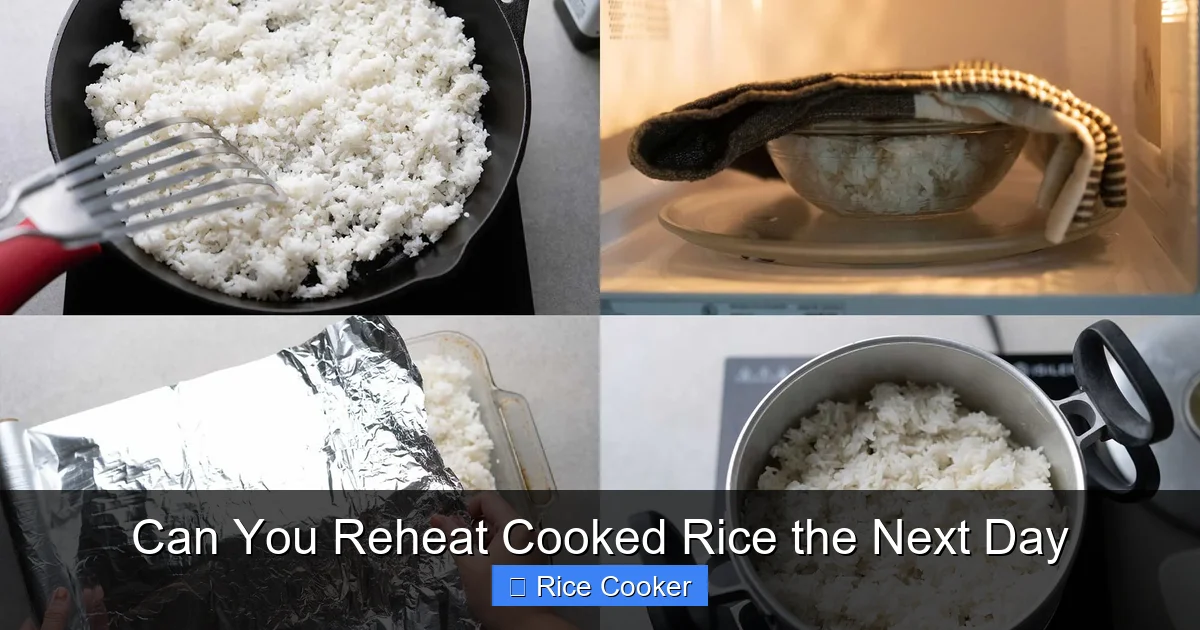
Many people don’t realize that rice isn’t inherently dangerous — it becomes risky when handled improperly. Bacillus cereus spores are naturally present in soil and grains. During cooking, these spores survive because the heat doesn’t destroy them — it actually wakes them up. When the cooked rice cools slowly at room temperature, the spores begin to multiply and produce toxins.
Visual guide about Can You Reheat Cooked Rice the Next Day
Image source: hungryhuy.com
The Science Behind Bacillus Cereus
This bacterium thrives in starchy environments like rice and pasta. Once the toxins are formed, simply reheating won’t eliminate them. That’s why leaving rice out overnight (or even for a few hours) dramatically increases the risk of food poisoning. But here’s the good news: if you refrigerate rice within two hours of cooking, the growth of Bacillus cereus is slowed significantly.
Refrigeration keeps the rice below 40°F (4°C), where bacteria grow much more slowly. Freezing is even better for long-term storage. Just remember: cooling too slowly is the real enemy. Never leave rice sitting on the counter for more than two hours — and definitely not overnight.
How to Store Cooked Rice Safely
If you want to reheat cooked rice the next day (or beyond), proper storage is non-negotiable. The goal is to cool the rice quickly and maintain a cold environment until reheating.
Visual guide about Can You Reheat Cooked Rice the Next Day
Image source: diyjoy.com
Cooling Rice Fast
The first step is cooling. Don’t just pile hot rice into a bowl and stick it in the fridge. That creates a warm zone where bacteria love to grow. Instead:
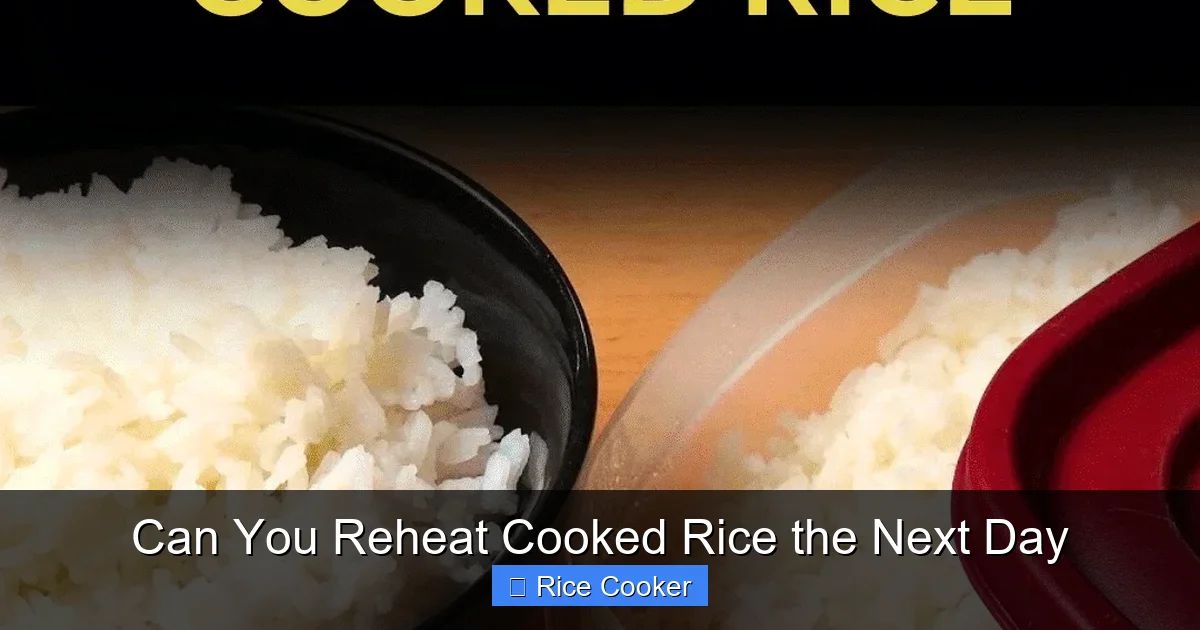
- Spread the rice thinly on a baking sheet or shallow dish to speed up cooling.
- Place it in the refrigerator within two hours of cooking — ideally sooner.
- Use airtight containers to prevent drying and contamination.
Smaller portions cool faster and reheat more evenly. If you’re storing large quantities, divide it into smaller containers. This also makes portion control easier and reduces waste.
Labeling and Dating Your Rice
Keep track of how long your rice has been in the fridge. Plain cooked rice is safe to eat within 3–5 days. Brown rice, which has more oil, should be used within 1–2 days due to higher spoilage risk. Always label your containers with the date so you don’t accidentally eat rice that’s been sitting too long.
When in doubt, smell it. If it smells sour, fermented, or off, toss it — even if it’s still within the recommended time frame.
Best Ways to Reheat Cooked Rice
Now comes the fun part: bringing your rice back to life. The key is reheating it thoroughly to eliminate any potential bacteria. Here are the safest and most effective methods.
Using a Microwave
The microwave is quick and convenient — perfect for single servings. Follow these steps:
- Place rice in a microwave-safe dish and cover it with a damp paper towel or lid to retain moisture.
- Add a tablespoon of water to prevent dryness.
- Heat on high for 1 minute, then stir well.
- Continue heating in 30-second intervals until the rice is steaming hot throughout (check the center).
Stirring ensures even heating. Use a food thermometer to confirm the internal temperature reaches at least 165°F (74°C).
Stovetop Reheating
This method gives you better control over texture and is great for larger batches. Here’s how:
- Transfer rice to a saucepan and sprinkle with 1–2 tablespoons of water.
- Cook over medium-low heat, stirring frequently, for 5–7 minutes.
- Cover the pot to trap steam and soften the grains.
- Remove from heat once the rice feels hot and moist.
This method works especially well for fried rice or dishes with sauce.
Reheating in a Rice Cooker
Yes, you can absolutely reheat cooked rice the next day using a rice cooker! It’s one of the best tools for this job because it maintains consistent heat and prevents scorching. Here’s how:
- Add rice and a splash of water to the inner pot.
- Close the lid and set to “Warm” or “Cook” mode.
- Let it sit for 5–10 minutes without pressing the button — the residual heat does the work.
- Stir gently before serving to redistribute moisture.
This method is ideal if you have leftover rice from a rice cooker and want to preserve its fluffy texture. Plus, it’s hands-off — perfect for busy mornings!
Tips to Keep Reheated Rice Fluffy and Delicious
Nobody likes mushy, dry, or gummy rice. Here are some pro tips to make reheated rice taste almost as good as new.
Add Moisture
Dried-out rice is a common issue. Combat this by adding a little liquid during reheating:
- Water — best for plain rice.
- Broth — adds flavor, ideal for savory dishes.
- Milk or cream — perfect for rice pudding or sweet rice.
Just a spoonful goes a long way. Too much liquid, however, can make rice soggy. Aim for a light, steamy texture.
Steam It
Steaming rice in the microwave or covered pot helps rehydrate it without overcooking. Place a small dish of water nearby while microwaving to increase humidity — this mimics a steamer.
Season Lightly
Reheated rice can taste bland. A pinch of salt, a dash of soy sauce, or a sprinkle of herbs can revive the flavor. For fried rice, a splash of vinegar or sesame oil works wonders.
Avoid Overheating
Too much reheating dries out rice. Heat in short bursts and check frequently. Stir between cycles to distribute heat evenly.
Can You Freeze Rice for Long-Term Storage?
Absolutely! Freezing is one of the best ways to store rice for future use. It extends shelf life up to 6 months and slows bacterial growth almost completely.
How to Freeze Rice Properly
- Cool rice completely before freezing.
- Portion into freezer bags or containers, removing as much air as possible.
- Label with the date and freeze immediately.
When ready to use, thaw in the refrigerator overnight or reheat directly from frozen (add a bit more water). Frozen rice reheats beautifully and retains its texture surprisingly well.
Common Mistakes to Avoid
Even with the best intentions, mistakes happen. Here are the most common errors people make when reheating rice:
- Leaving rice at room temperature too long — always refrigerate within two hours.
- Not reheating thoroughly — ensure the center is steaming hot.
- Reheating multiple times — do it once, and that’s it.
- Using low heat settings — this can lead to uneven heating and bacterial survival.
- Ignoring signs of spoilage — trust your senses. If it looks, smells, or tastes bad, throw it out.
Remember: when it comes to rice, safety first. It’s better to lose a small amount of food than risk getting sick.
Creative Ways to Use Leftover Rice
Don’t let leftover rice go to waste! It’s incredibly versatile. Try these ideas:
- Rice bowls — top with grilled chicken, veggies, and sauce.
- Fried rice — stir-fry with eggs, soy sauce, and your favorite mix-ins.
- Risotto — slow-cook with broth and cheese for creamy perfection.
- Arroz con leche — turn it into a sweet dessert with cinnamon and condensed milk.
- Molded rice cakes — press into shapes and pan-fry for crispy snacks.
These recipes not only reduce food waste but also give your rice a delicious second life.
Conclusion: Yes, You Can Safely Reheat Cooked Rice the Next Day
So, can you reheat cooked rice the next day? Yes — absolutely, and it’s perfectly safe if you follow the right steps. The key lies in prompt refrigeration, proper reheating, and smart storage. With tools like rice cookers, microwaves, and airtight containers, you can enjoy leftover rice without worry.
Whether you’re meal prepping for the week, saving time on busy nights, or just love rice bowls, knowing how to handle leftovers is a kitchen superpower. By understanding the risks and taking simple precautions, you can turn yesterday’s rice into today’s delicious meal.
Next time you have leftovers, don’t toss them. Cool them fast, store them right, and reheat with care. Your taste buds — and stomach — will thank you!
Frequently Asked Questions
Can you reheat cooked rice more than once?
No, you should never reheat cooked rice more than once. Each time you reheat, the risk of bacterial growth increases, and the texture degrades. Always reheat rice only once, and make sure it reaches 165°F (74°C) throughout.
Is it safe to eat rice that’s been left out overnight?
No, rice left out at room temperature overnight is unsafe. Bacteria like Bacillus cereus can produce toxins that cause food poisoning. Always refrigerate rice within two hours of cooking.
How long can cooked rice stay in the fridge?
Plain cooked white rice is safe in the refrigerator for 3–5 days. Brown rice, due to its higher oil content, should be eaten within 1–2 days. Always check for signs of spoilage before eating.
Does microwaving rice kill bacteria?
Microwaving can kill live bacteria if the rice is heated to 165°F (74°C) throughout. However, it won’t destroy toxins already produced by Bacillus cereus. That’s why proper storage and reheating are essential.
Can you reheat frozen rice?
Yes, you can reheat frozen rice directly from the freezer. Add a bit more water or broth, cover it, and heat in the microwave or on the stove until steaming hot. It’s a great way to save time and reduce waste.
What’s the best way to reheat rice in a rice cooker?
To reheat rice in a rice cooker, add a splash of water to the inner pot, close the lid, and let it sit on “Warm” for 5–10 minutes. The residual heat will gently reheat the rice without overcooking it. Stir before serving.