
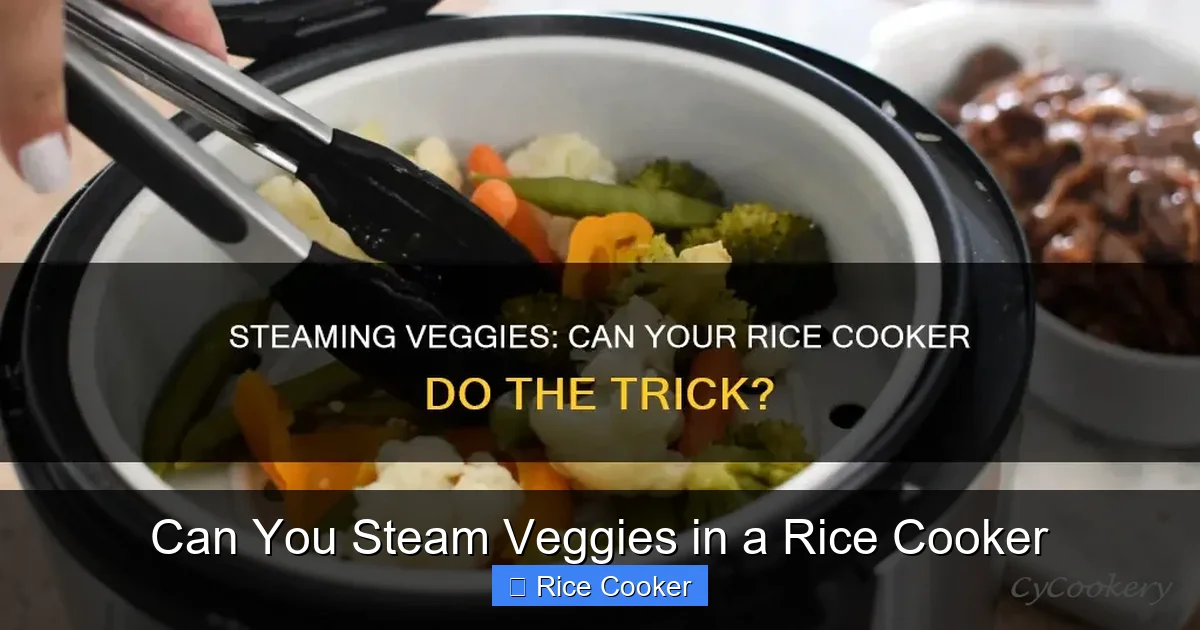
Steaming vegetables in a rice cooker is not only possible but also incredibly convenient. This method locks in nutrients, requires minimal cleanup, and works with most rice cooker models. Whether you’re meal prepping or whipping up a quick side dish, steaming veggies in a rice cooker is a smart, time-saving hack every home cook should know.
Key Takeaways
- Yes, it’s possible: Most modern rice cookers come with a steaming function that allows you to cook vegetables quickly and evenly.
- Nutrient retention: Steaming at lower temperatures helps preserve water-soluble vitamins like vitamin C and B-complex compared to boiling.
- Time-efficient: Cooking multiple types of vegetables simultaneously is easy, making meal prep faster and more organized.
- Minimal cleanup: Using the inner pot or a steamer basket reduces dishes needed, especially when cooking rice and veggies together.
- Versatile usage: You can steam broccoli, carrots, green beans, asparagus, zucchini, and more—almost any vegetable benefits from gentle heat.
- Energy-saving: Rice cookers use less electricity than stovetop steamers or microwaves, offering a cost-effective cooking option.
Quick Answers to Common Questions
Can all rice cookers steam vegetables?
Most modern rice cookers can steam vegetables, though models with a dedicated “steam” button or fuzzy logic technology perform more consistently. Even basic models generate enough steam to cook softer veggies like spinach or zucchini.
How long does it take to steam vegetables in a rice cooker?
It usually takes 5–12 minutes depending on the vegetable. Leafy greens like spinach cook in 3–4 minutes, while denser roots like carrots take 8–10 minutes. Always check for doneness before serving.
Do I need a special steamer basket?
Not necessarily—you can use a heat-safe glass bowl or even crumpled parchment paper as a makeshift separator. But a proper steamer basket helps prevent sogginess and makes cleanup easier.
Can I steam meat or fish along with vegetables?
Yes! Fish fillets or chicken breasts can be placed in the steamer basket alongside veggies. Adjust cooking times accordingly—fish cooks faster, so remove it first and cover the rest to finish.
Is steaming in a rice cooker healthier than boiling?
Absolutely. Steaming preserves more vitamins and minerals since food doesn’t sit in hot water. It also avoids adding extra calories from fats or oils, making it ideal for weight management and heart health.
📑 Table of Contents
- Can You Steam Veggies in a Rice Cooker? The Ultimate Guide to Effortless Healthy Cooking
- How Does Steaming Work in a Rice Cooker?
- Step-by-Step: How to Steam Vegetables in Your Rice Cooker
- Best Vegetables to Steam in a Rice Cooker
- Benefits of Steaming Veggies in a Rice Cooker
- Troubleshooting Common Issues
- Creative Ways to Use Your Steamed Veggies
- Final Thoughts: Why Every Home Cook Should Try This
Can You Steam Veggies in a Rice Cooker? The Ultimate Guide to Effortless Healthy Cooking
Have you ever stood over a steaming pot on the stove, wondering if there’s an easier way to cook your favorite vegetables? If so, you’re not alone. With busy schedules and a growing interest in healthier eating, many home cooks are looking for kitchen hacks that save time without sacrificing nutrition. Enter the humble rice cooker—a countertop appliance that’s long been associated with fluffy grains, but now proving its versatility in the world of plant-powered meals.
The short answer? Absolutely, you can steam veggies in a rice cooker. In fact, this method is one of the simplest and most effective ways to prepare nutritious, tender-crisp vegetables with minimal effort. Whether you’re cooking broccoli florets, baby carrots, or delicate spinach, your rice cooker can do the job just as well—or even better—than a traditional steamer. Not only does it eliminate the need for constant monitoring, but it also keeps your kitchen cooler and your cleanup lighter. Plus, when used correctly, steaming in a rice cooker preserves more flavor and nutrients than boiling or microwaving.
How Does Steaming Work in a Rice Cooker?
At its core, steaming is a gentle cooking process that uses hot steam to transfer heat to food, cooking it without direct contact with water. This method prevents nutrients from leaching into cooking water and helps retain color, texture, and taste. Most modern rice cookers—especially those with a “steaming” or “keep warm” setting—are designed to generate and circulate steam efficiently inside the inner pot or lid.
Visual guide about Can You Steam Veggies in a Rice Cooker
Image source: ricearray.org
The Science Behind It
When you add water to the bottom of the rice cooker (or use the built-in reservoir), it heats up and creates steam. As the steam rises, it surrounds the food placed above it—typically in a steamer basket or bowl. Because the temperature stays between 100°C and 115°C (212°F to 239°F), vegetables don’t get overcooked or soggy. Instead, they become tender while maintaining their vibrant colors and crunch. This low-heat environment is ideal for preserving heat-sensitive vitamins like vitamin C and folate.
Types of Rice Cookers That Support Steaming
Not all rice cookers are created equal, but the good news is that nearly every model made in the last two decades can handle basic steaming tasks. Here’s a breakdown:
- Basic Electric Rice Cookers: These often have a simple switch and may lack advanced settings. However, they still produce enough steam to cook soft vegetables like zucchini or spinach.
- Fuzzy Logic Models: Equipped with microchips that adjust temperature and timing automatically, these offer consistent results and are great for beginners.
- Multifunctional Rice Cookers: Some high-end models include dedicated steaming trays, yogurt-making functions, and even soup or porridge modes—making them true kitchen multitaskers.
- Non-stick vs. Stainless Steel Pots: While both work, stainless steel retains heat better and is easier to clean after steaming greasy foods.
Step-by-Step: How to Steam Vegetables in Your Rice Cooker
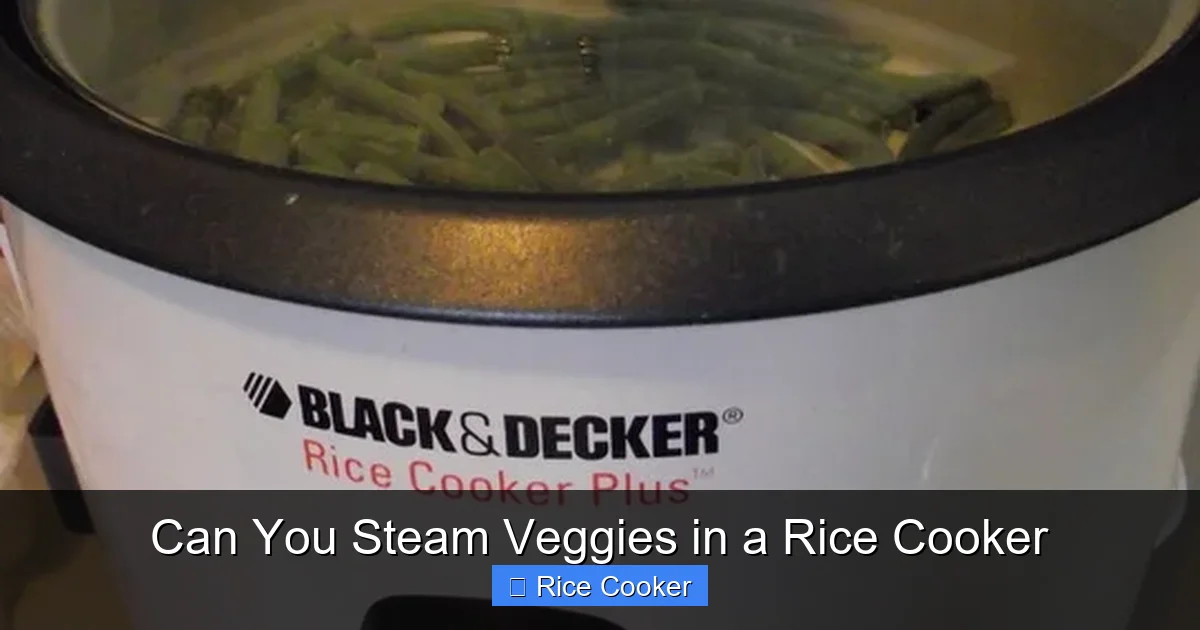
Cooking vegetables in a rice cooker is surprisingly straightforward. With just a few simple steps, you can have perfectly steamed greens, crunchy carrots, and tender asparagus ready in under 15 minutes.
Visual guide about Can You Steam Veggies in a Rice Cooker
Image source: msjme.com
What You’ll Need
- A rice cooker with a functioning heating element
- Fresh or frozen vegetables (see list below)
- Water (about 1–2 cups, depending on size)
- A steamer basket (optional but recommended)
- A timer or phone alarm
Preparation Tips
- Wash and chop: Rinse vegetables under cold water and cut them into uniform sizes so they cook evenly.
- Use a steamer basket: This keeps veggies out of the water and allows steam to flow freely around them.
- Don’t overcrowd: Leave space between pieces for proper airflow and even cooking.
Step 1: Add Water to the Base
Fill the inner pot with about 1 cup of water. Too little, and you won’t generate enough steam; too much, and the bottom layer might boil dry. For reference, 1 cup of water typically lasts 8–12 minutes for most vegetables.
Step 2: Place Vegetables in the Basket
Put your chopped vegetables in a heat-safe bowl or steamer basket and place it on top of the inner pot. Avoid placing food directly into the water—this defeats the purpose of steaming!
Step 3: Close the Lid and Turn On
Plug in your rice cooker and press the “Steam” button if available. If not, simply turn it on—many models will begin heating once the water reaches boiling point. Let it run until the cycle ends or your timer goes off.
Step 4: Check Doneness
Open the lid carefully (watch out for escaping steam!) and check if your veggies are tender. Overcooking leads to mushiness, so aim for al dente texture. Broccoli should be bright green and slightly firm; carrots should bend without breaking.
Step 5: Serve Immediately or Keep Warm
Once done, transfer the veggies to a plate and season with salt, pepper, olive oil, lemon juice, or your favorite herbs. Alternatively, leave them in the cooker on “Keep Warm” mode for up to 30 minutes.
Best Vegetables to Steam in a Rice Cooker
While almost any vegetable can be steamed, some respond especially well to the gentle heat and moisture of a rice cooker. Here’s a curated list of top performers:
Green Vegetables
- Broccoli: Retains its vivid green color and becomes tender without turning bitter. Steam for 6–8 minutes.
- Spinach & Kale: Cook in just 3–4 minutes—these leafy greens wilt quickly and lose volume fast.
- Green Beans: Trim ends and steam for 7–9 minutes until crisp-tender.
Root Vegetables
- Carrots: Cut into sticks or rounds and steam for 8–10 minutes.
- Sweet Potatoes: Cube and steam for 12–15 minutes until fork-tender.
- Beets: Whole beets take longer (20+ minutes), but peeled slices cook in 10–12 minutes.
Delicate & Tender Cuts
- Asparagus: Snap off woody ends and steam spears for 6–8 minutes.
- Zucchini & Summer Squash: Steam chunks for 5–7 minutes—they fall apart easily if overdone.
- Mushrooms: Cleaned and sliced mushrooms cook in 4–6 minutes and absorb flavors beautifully.
Tips for Success
- Frozen veggies: Add them straight from the freezer—they’ll thaw and steam in one step.
- Seasoning: Toss steamed veggies with garlic powder, chili flakes, or sesame oil right after cooking for extra flavor.
- Meal prep: Steam a batch on weekends and store in airtight containers for grab-and-go sides during the week.
Benefits of Steaming Veggies in a Rice Cooker
Beyond convenience, steaming vegetables in a rice cooker offers several advantages over other cooking methods. Let’s explore why this technique is gaining popularity among health-conscious cooks.
Nutrient Preservation
Boiling causes water-soluble vitamins (like vitamin C and B vitamins) to dissolve into the cooking water. Steaming, by contrast, minimizes nutrient loss because food doesn’t touch the liquid. Studies show that steaming can retain up to 90% of certain antioxidants compared to only 40–60% when boiled. This makes your meals not just tastier, but more nutritionally dense.
Time and Energy Efficiency
Rice cookers are designed to automate cooking processes. Once set, they require no attention—unlike stovetop steamers, which need manual monitoring. They also consume less energy than ovens or microwaves. According to energy experts, electric rice cookers use about half the power of microwave-based reheating for similar tasks.
Reduced Mess and Cleanup
No pots to scrub, no splattering pans, and no excess water to drain. The closed environment of a rice cooker contains all steam and moisture inside, keeping your counters dry. Just wipe the lid and remove the inner pot—easy peasy.
Flavor and Texture Perfection
Steamed vegetables maintain their natural sweetness and crunch, unlike boiled versions that often taste bland and waterlogged. The subtle heat enhances aromatics like garlic or ginger if added to the water before steaming.
Safe for Gluten-Free & Plant-Based Diets
Since no additional ingredients are required, steaming is inherently gluten-free and vegan-friendly. It’s also ideal for those managing allergies or following specific dietary plans.
Troubleshooting Common Issues
Even with the best intentions, things don’t always go as planned. Here’s how to fix common problems when steaming veggies in a rice cooker.
Problem: Vegetables Are Soggy or Mushy
Cause: Overcooking or too much water.
Fix: Reduce cooking time by 1–2 minutes next time. Also, ensure the steamer basket isn’t submerged in water.
Problem: Not Enough Steam
Cause: Low water level or a faulty heating element.
Fix: Double-check water levels (start with 1 cup). Test your cooker by boiling water first—if it doesn’t reach a boil within 5 minutes, it may need maintenance.
Problem: Burnt Bottom Layer
Cause: Boiling dry or mineral buildup in the pot.
Fix: Use filtered water and descale your rice cooker monthly. Never let it run without water.
Problem: Uneven Cooking
Cause: Crowded steamer basket or inconsistent heat distribution.
Fix: Stir vegetables halfway through (carefully!) or rearrange them before closing the lid.
Problem: Smell Lingers After Cleaning
Cause: Food particles trapped in crevices.
Fix: Wash immediately after use with warm, soapy water. Soak stubborn residue overnight before scrubbing gently.
Creative Ways to Use Your Steamed Veggies
Steamed vegetables aren’t just for side dishes—they’re versatile ingredients that elevate countless meals.
Add to Grain Bowls
Layer steamed broccoli, sweet potato cubes, and sautéed mushrooms over quinoa or brown rice. Top with tahini dressing or miso glaze for a satisfying plant-forward bowl.
Blend Into Soups or Sauces
Purée steamed carrots and cauliflower into creamy soups. Or mix spinach and garlic into pesto for a nutrient-packed pasta sauce.
Make Crispy Chips
Slice thin zucchini or beet rounds, brush lightly with olive oil, and bake briefly after steaming for a healthy snack.
Freeze for Later
Portion steamed veggies into ice cube trays with broth, then freeze for instant soup bases or stir-fry additions.
Final Thoughts: Why Every Home Cook Should Try This
Steaming vegetables in a rice cooker isn’t just a gimmick—it’s a practical, sustainable habit that aligns perfectly with modern lifestyles. It’s beginner-friendly, budget-conscious, and delivers restaurant-quality results with zero stress. Whether you’re feeding a family, meal prepping for the week, or simply craving a healthy snack, this method checks all the boxes.
So the next time you open your fridge and see a bunch of fresh veggies staring back at you, remember: your rice cooker is ready. No pots, no pans, no fuss. Just add water, toss in your favorites, hit start, and enjoy vibrant, nourishing food that tastes like care—and costs less too.
Frequently Asked Questions
Can I steam frozen vegetables in a rice cooker?
Yes, frozen vegetables work well in a rice cooker. Just add them directly from the freezer—no need to thaw first. They’ll steam and defrost simultaneously, saving time and energy.
Will my rice cooker burn if left unattended?
Modern rice cookers are designed with safety features that shut off automatically when done or if boiling dry. However, it’s still wise to check occasionally, especially when steaming for the first time.
How much water do I need for steaming?
Start with about 1 cup of water for most vegetables. Adjust based on your cooker size and how long you plan to steam—more water extends cooking time slightly.
Can I reuse the same steamer basket for raw and cooked foods?
Yes, but wash it thoroughly after each use to avoid cross-contamination. A quick rinse with hot water is usually sufficient unless food has dried on.
Are there any vegetables that shouldn’t be steamed?
Very delicate herbs or sprouts may lose potency, but most vegetables benefit from steaming. Even artichokes, cabbage, and Brussels sprouts turn out tender and flavorful this way.
Can I steam eggs in my rice cooker?
Yes! Eggs can be steamed whole or hard-boiled in the steamer basket. Expect about 10–12 minutes for hard-boiled eggs. Just monitor closely to avoid cracking.