
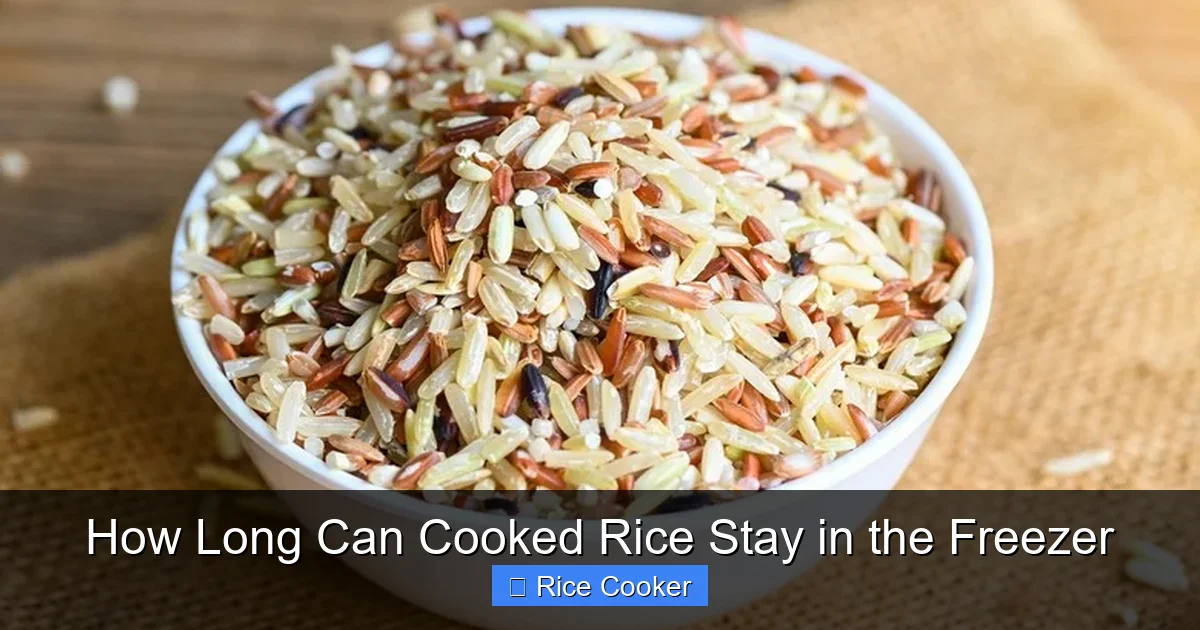
Cooked rice can safely stay in the freezer for up to 3 months, but for best quality, use within 1 to 2 months. Properly stored rice maintains texture and flavor while preventing bacterial growth. Always cool rice quickly before freezing and use airtight containers or freezer bags to avoid freezer burn.
If you’re anything like me, you’ve probably found yourself staring into your rice cooker one too many times after a big meal, wondering, “Can I save this for later?” The answer is yes—cooked rice can absolutely go into the freezer, and doing so is a smart way to reduce food waste, plan ahead for busy days, or make batch cooking even easier. But here’s the real question: **how long can cooked rice stay in the freezer**? And more importantly, how do you do it without ending up with rubbery, icy clumps that ruin your stir-fries or fried rice?
Let’s dive into everything you need to know about freezing cooked rice—from safe storage times to expert tips on preserving flavor, texture, and freshness. Whether you’re using a classic rice cooker, an electric pressure cooker, or just boiling rice on the stovetop, these guidelines apply to all types of cooked rice.
Why Freeze Cooked Rice?
Before we get into the nitty-gritty of freezing, let’s talk about why you might want to do it in the first place. Life gets busy. Sometimes you cook a big pot of jasmine rice or basmati and end up with leftovers that you don’t feel like eating again the next day. Instead of tossing it out (which wastes money and food), freezing it is a simple, effective solution.
Freezing cooked rice is especially helpful if:
– You’re meal prepping for the week
– You’ve made a large batch for a party or family gathering
– You want to have quick, ready-to-eat sides for busy nights
– You’re trying to cut down on food waste
But remember—freezing isn’t just about saving time; it’s also about safety. Rice can harbor bacteria like Bacillus cereus, which survives cooking and can grow at room temperature. That’s why proper storage in the freezer (or refrigerator) is crucial.
How Long Can Cooked Rice Stay in the Freezer?
So, back to the main question: **how long can cooked rice stay in the freezer**? The short answer is up to 3 months. Most experts—including the USDA and food safety organizations—agree that cooked rice can be safely stored in the freezer for up to three months without significant loss of safety. However, for the best texture, flavor, and overall quality, aim to use it within 1 to 2 months.
Here’s a quick breakdown:
– **1–2 months**: Best quality (soft texture, no freezer burn)
– **2–3 months**: Safe to eat, but may start to lose moisture and become slightly drier
– **Beyond 3 months**: Possible degradation in flavor and texture; not recommended
While rice won’t technically spoil after 3 months, it’s not ideal to eat. Over time, exposure to air, fluctuating freezer temperatures, and natural drying can affect the rice’s structure. So even though it’s safe, why risk it?
How to Freeze Cooked Rice Properly
Freezing rice sounds easy, but doing it right makes all the difference. If you rush the process or skip key steps, you could end up with clumpy, icy blocks instead of fluffy grains. Follow these steps for perfect results:
Step 1: Cool the Rice Quickly
After cooking, let the rice sit for about 5–10 minutes to release excess steam. Then, spread it out on a baking sheet or shallow dish. This step is called “flash cooling” and helps prevent moisture from forming on the surface, which leads to ice crystals and sogginess.
Step 2: Portion It Out
Divide the rice into manageable portions—about 1 cup each. Think of it like pre-portioning meals. This way, you only thaw what you need, reducing waste and improving reheating results.
Step 3: Use Airtight Containers or Bags
Transfer each portion to a freezer-safe bag or container. If using plastic bags, squeeze out as much air as possible before sealing. For containers, choose ones with tight-fitting lids. Label each with the date so you can track how long it’s been stored.
Step 4: Freeze Flat
Place the bags flat in the freezer. This saves space and allows them to freeze evenly, making them easier to stack and retrieve later.
Step 5: Store in a Single Layer First
If you’re freezing multiple portions, lay them out in a single layer on a tray for the first hour. Once frozen solid, transfer them to a larger container or zip-top bag. This prevents them from sticking together into one giant block.
What Types of Rice Freeze Best?
Not all rice is created equal when it comes to freezing. Here’s a quick guide:
White Rice (like Jasmine or Basmati): These varieties freeze well because they’re starchier and less prone to breaking down. They hold their shape and texture beautifully when properly stored.
Brown Rice: While brown rice can be frozen, it tends to absorb more moisture and may become slightly softer over time. Still, it’s safe to freeze and works great in soups, stews, or casseroles.
Instant Rice (like Minute Rice): Not ideal for freezing. Instant rice is already par-cooked and dried, so freezing can make it mushy or overly sticky.
Wild Rice: This mix of grains can vary, but generally freezes okay. Just be aware that it may separate slightly when thawed.
Pro Tip: If you’re planning to use your frozen rice in dishes like fried rice or rice bowls, white rice works best due to its firm texture.
Common Mistakes to Avoid
Even with the best intentions, mistakes happen. Here are some common errors people make when freezing rice—and how to fix them:
Mistake #1: Freezing Hot Rice
Placing hot rice directly into the freezer causes rapid temperature changes, leading to condensation, ice buildup, and uneven freezing. Always cool rice first.
Mistake #2: Using Regular Plastic Wrap or Paper Bags
These aren’t freezer-safe and can tear or leach chemicals. Stick to labeled freezer bags or glass/plastic containers designed for freezing.
Mistake #3: Not Labeling
You’ll forget when you froze it. Always write the date on the container or bag.
Mistake #4: Freezing in Large Blocks
Big chunks of rice take forever to thaw and often end up gummy. Smaller portions freeze and thaw faster.
Mistake #5: Storing Near Strong-Smelling Foods
Rice absorbs odors easily. Keep it away from fish, onions, or garlic.
How to Thaw Frozen Rice Safely
Thawing is just as important as freezing. If done wrong, your rice can become slimy, dry, or uneven. Here are safe and effective methods:
Refrigerator Thawing (Best Method):
Place the frozen rice in the fridge overnight. This slow thawing preserves texture and prevents bacterial growth. Once thawed, reheat immediately.
Cold Water Bath:
If you’re in a hurry, submerge the sealed bag in cold water for 20–30 minutes. Change the water every 10 minutes to keep it cold. Never use warm or hot water—it encourages bacteria.
Microwave Thawing (Use with Caution):
Use the defrost setting on your microwave. Check frequently to avoid partial cooking. Stir between intervals to ensure even thawing.
Avoid Room Temperature Thawing:
Leaving rice at room temp for too long increases the risk of bacterial growth, even if it’s frozen.
Reheating Frozen Rice Like a Pro
Once your rice is thawed, you’ll want to bring it back to life. Here’s how to reheat it perfectly:
Method 1: Stovetop
– Place rice in a saucepan with a splash of water or broth.
– Cover and heat on low-medium heat, stirring occasionally.
– Add more liquid if it starts to dry out.
Method 2: Microwave
– Transfer rice to a microwave-safe bowl.
– Add 1–2 tablespoons of water per cup of rice.
– Cover with a damp paper towel or lid to trap steam.
– Heat in 30-second intervals, stirring in between.
Method 3: Steamer Basket
– Place rice in a steamer basket over simmering water.
– Cover and steam for 5–7 minutes until heated through.
Tips for Reheating:
– Don’t overcook—rice continues to cook during reheating.
– Add butter, oil, or a bit of soy sauce for extra flavor and softness.
– For fried rice, sauté the rice in a pan with oil and seasonings.
Uses for Frozen Rice
Frozen rice isn’t just for eating cold. In fact, many chefs prefer using frozen rice for certain dishes because it’s already cooled and doesn’t clump. Here are some popular uses:
Fried Rice:
Frozen rice fries up beautifully—grains stay separate and absorb flavors well.
Soups and Stews:
Add a handful to miso soup, curry, or chili for instant bulk and creaminess.
Pilafs and Casseroles:
Mix with vegetables, meat, and spices for hearty meals.
Rice Pudding:
Old-fashioned frozen rice works great in sweet dishes when rehydrated with milk.
Salads:
Chill thawed rice with veggies and dressing for a refreshing side.
Can You Freeze Rice Cooker Leftovers?
Absolutely! Whether your rice cooker is basic or high-tech, leftover cooked rice can go straight into the freezer. Just follow the same steps: cool, portion, and store. Modern rice cookers often have settings for warming or keeping rice warm—but never leave rice sitting in the “warm” mode for more than 2 hours, as this creates a breeding ground for bacteria.
One pro tip: If your rice cooker has a non-stick inner pot, make sure to remove the rice before freezing. Some models allow you to transfer the rice directly into a freezer bag using a ladle or spatula.
How to Prevent Freezer Burn
Freezer burn happens when air reaches the food, causing dehydration and oxidation. To avoid it:
– Remove as much air as possible from bags or containers.
– Double-wrap rice in two layers of plastic wrap inside a freezer bag.
– Store in the coldest part of the freezer (usually the back).
If you do get freezer burn, trim off the affected areas before reheating.
Signs Your Frozen Rice Has Gone Bad
Even though rice can last up to 3 months in the freezer, it’s good to know when to toss it. Watch out for:
– Off smells (musty, sour, or rancid)
– Discoloration (black spots or mold)
– Excessive ice crystals (indicates poor packaging)
– Slimy texture
When in doubt, throw it out. Food safety always comes first.
Environmental and Cost Benefits of Freezing Rice
Freezing rice isn’t just convenient—it’s eco-friendly too. By reducing food waste, you’re helping the planet and saving money. According to the USDA, nearly 40% of food in the U.S. goes uneaten. Freezing leftovers is a simple way to fight that trend.
Plus, buying rice in bulk and freezing portions means fewer trips to the grocery store and less packaging waste.
Final Thoughts: How Long Can Cooked Rice Stay in the Freezer?
To wrap things up, **how long can cooked rice stay in the freezer**? Up to 3 months—but for the best quality, aim to use it within 1 to 2 months. With proper cooling, portioning, and storage, your rice will stay fresh, safe, and delicious.
Whether you’re using a rice cooker, stove, or pressure cooker, these tips work across the board. Freezing rice is a game-changer for meal prep, busy families, and anyone who loves good rice but hates waste.
So next time you cook a big batch, don’t hesitate—freeze it. Your future self (and your wallet) will thank you.
Key Takeaways
- Freezing duration: Cooked rice can be stored safely in the freezer for up to 3 months, though optimal taste and texture last 1–2 months.
- Cooling is essential: Always cool rice to room temperature before placing it in the freezer to prevent condensation and ice buildup.
- Use proper containers: Airtight freezer-safe bags or containers help maintain moisture and prevent freezer burn.
- Label and date: Clearly mark containers with the date so you know when they were frozen—this helps avoid confusion and waste.
- Thawing matters: Thaw frozen rice in the refrigerator or under cold running water for best results.
- Reheating tips: Add a splash of water or broth when reheating to restore softness and prevent dryness.
- Quality over quantity: It’s better to freeze smaller portions so you only thaw what you need—this reduces waste and improves consistency.
Frequently Asked Questions
Can you freeze cooked rice from a rice cooker?
Yes, cooked rice from any rice cooker can be safely frozen. Just cool it first, portion it, and store in airtight containers or bags. Avoid leaving rice in the “warm” setting for more than 2 hours to prevent bacterial growth.
How should I thaw frozen rice?
The safest method is thawing in the refrigerator overnight. For quicker results, use a cold water bath—submerge the sealed bag in cold water for 20–30 minutes. Never thaw rice at room temperature to avoid bacterial contamination.
Does frozen rice taste different?
When properly stored and reheated, frozen rice tastes almost identical to fresh. Minor texture changes may occur after 2–3 months, but it remains safe and edible. Adding a little water or broth during reheating helps restore softness.
Can I freeze rice in aluminum foil?
No, aluminum foil isn’t ideal for long-term freezer storage. It can tear and doesn’t create an airtight seal. Use freezer-safe plastic bags or containers instead to prevent freezer burn and odor absorption.
Is it better to freeze rice in batches or all at once?
Freezing in smaller batches is better. Smaller portions freeze and thaw faster, reduce waste, and make reheating more consistent. Plus, they take up less space and are easier to manage.
Can you refreeze rice?
It’s not recommended to refreeze rice once it has been thawed. Each freeze-thaw cycle increases the risk of texture degradation and bacterial growth. Only thaw what you plan to eat.