
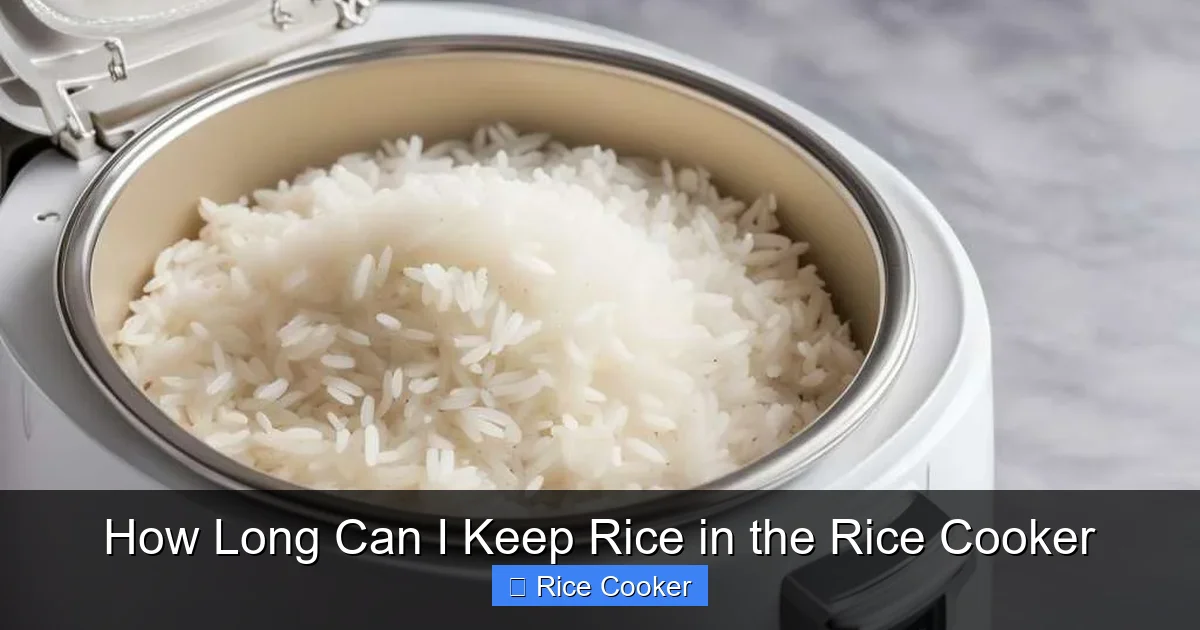
Wondering how long rice stays fresh in a rice cooker? Most cooked rice can be stored safely for 4–6 hours at room temperature, but for best quality and safety, refrigerate within 2 hours. Never leave rice out overnight, as bacteria like Bacillus cereus can grow rapidly and cause food poisoning. Proper cooling, sealing, and timely refrigeration are key to preserving flavor, texture, and nutrition.
Have you ever opened your rice cooker after a long day only to find leftover rice still sitting there? Maybe you were busy with work, kids, or just didn’t get around to storing it. You might wonder: How long can I keep rice in the rice cooker? This is a question many home cooks ask—and for good reason. Rice is a staple in countless households, and knowing how to handle leftovers properly ensures both safety and delicious meals.
In this complete guide, we’ll walk you through everything you need to know about storing rice in a rice cooker—how long it’s safe, what affects its shelf life, and how to keep it tasting fresh. Whether you’re meal-prepping for the week or just trying to reduce food waste, these tips will help you make the most of every grain.
Key Takeaways
- Room Temperature Limit: Cooked rice should not sit at room temperature for more than 2 hours, especially in warm climates or during hot weather.
- Refrigeration is Key: Store rice in an airtight container and refrigerate within 2 hours of cooking to prevent bacterial growth.
- Shelf Life in Fridge: Refrigerated rice lasts 3–5 days; frozen rice can last up to 6 months.
- Rice Cooker Lid Matters: The rice cooker lid helps slow spoilage but doesn’t eliminate the need for proper storage.
- Reheating Tips: Always reheat rice to 165°F (74°C) to kill any potential bacteria and maintain texture.
- Signs of Spoilage: Discard rice if it smells off, feels slimy, or develops mold—don’t risk foodborne illness.
- Type of Rice Matters: White rice has a longer shelf life than brown rice due to lower oil content and higher starch stability.
📑 Table of Contents
- Understanding Rice Safety and Bacterial Growth
- How Long Can Rice Sit in the Rice Cooker?
- Best Practices for Storing Leftover Rice
- How Long Does Rice Last in the Refrigerator vs. Freezer?
- Does the Type of Rice Affect Shelf Life?
- Can You Reheat Rice Safely?
- Common Mistakes People Make With Rice Storage
- How to Tell if Your Rice Has Gone Bad
- Tips for Meal Prep and Batch Cooking
- Conclusion: Keep Your Rice Safe and Delicious
Understanding Rice Safety and Bacterial Growth
When rice is cooked, it becomes a perfect environment for bacteria—especially if left unrefrigerated. One of the biggest concerns is Bacillus cereus, a common foodborne pathogen that thrives in moist, starch-rich environments. This bacterium can survive cooking temperatures, so even though your rice may look fine, harmful spores might already be present.
These spores don’t cause immediate sickness, but when rice sits at room temperature, they begin to multiply rapidly. Within just 4 to 6 hours, bacterial levels can rise to dangerous levels, leading to food poisoning symptoms like nausea, vomiting, and diarrhea.
That’s why the “danger zone” for food (the temperature range between 40°F and 140°F) is so critical. Bacteria grow fastest in this range, and rice cooked in water and cooled slowly is especially vulnerable.
How Long Can Rice Sit in the Rice Cooker?
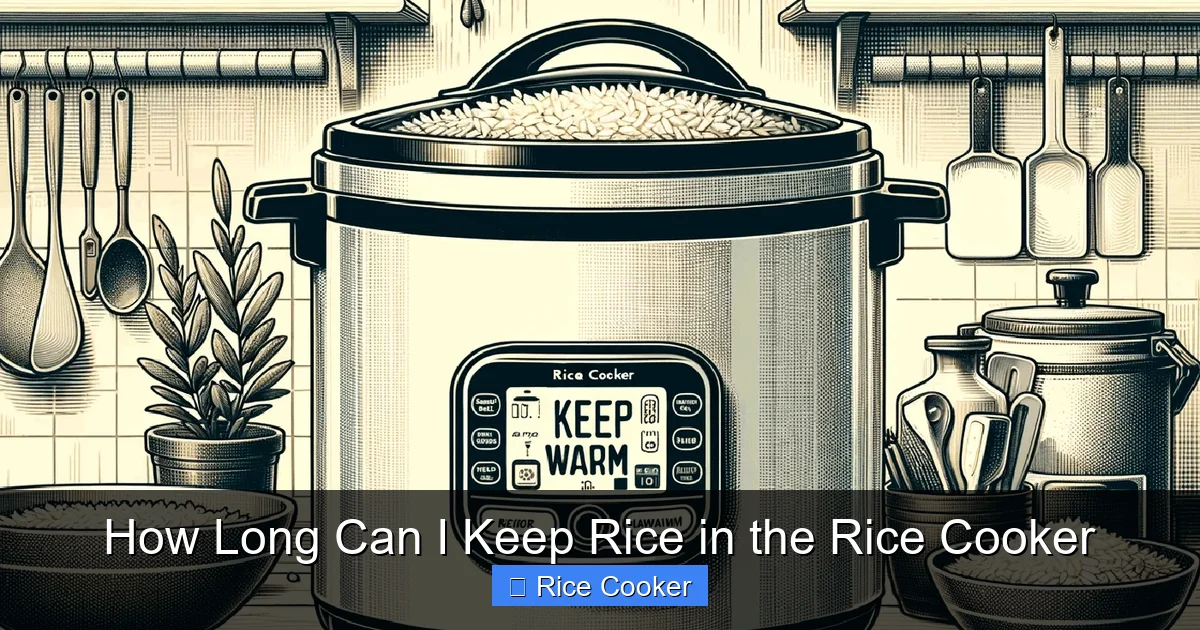
Visual guide about How Long Can I Keep Rice in the Rice Cooker
Image source: expertreviewsbestricecooker.com
The answer depends on whether your rice cooker is still plugged in and whether the rice is covered or exposed.
If your rice cooker is still on the “warm” setting, it maintains a consistent temperature around 165–190°F (74–88°C), which kills bacteria. In this case, you can safely keep rice in the cooker for up to 10 hours. However, this doesn’t mean it tastes great after a few hours. The texture may become gummy or overly soft, and the flavor can dull.
On the other hand, if the rice cooker is unplugged or turned off, the rice begins to cool rapidly—entering the danger zone. Once the rice drops below 140°F, bacteria start multiplying. At this point, you should not leave rice sitting for more than 2 hours at room temperature.
So, if you’re using your rice cooker for meal prep and plan to serve dinner later, it’s best to switch it off and transfer the rice to a sealed container within 30–60 minutes. This prevents bacterial growth while preserving quality.
What Happens If You Leave Rice in the Cooker All Night?
We’ve all been there—staying up late, working on a project, and forgetting about dinner. By the time you remember, the rice cooker has been off for hours. Is it still safe?
Unfortunately, no. Leaving rice in a rice cooker after it’s finished cooking—especially overnight—is risky. Even if the cooker has a keep-warm function, prolonged exposure to room temperature increases the chance of contamination.
Studies show that cooked rice left at room temperature for over 6 hours can contain enough Bacillus cereus to cause illness. While some people may eat it without issues, others could experience gastrointestinal distress. It’s simply not worth the risk.
Instead, always transfer rice to a clean, shallow container within 2 hours. This helps cool it faster and reduces the time spent in the danger zone.
Best Practices for Storing Leftover Rice
Proper storage is essential to maintaining rice’s flavor, texture, and safety. Here’s how to do it right:
1. Cool the Rice Quickly
After removing the rice from the cooker, spread it out in a thin layer in a shallow dish or large bowl. This increases surface area and speeds up cooling. Stir occasionally to distribute heat evenly. Avoid leaving it in a thick pile—it traps moisture and takes longer to cool.
You can also use an ice bath: place the bowl over a larger pan filled with ice water. This method can cut cooling time by half.
2. Use Airtight Containers
Once the rice reaches room temperature (usually within 30–60 minutes), transfer it to an airtight container. Glass or BPA-free plastic containers with tight-fitting lids work best. These prevent air and moisture from entering, which can lead to spoilage or freezer burn.
Label the container with the date so you know exactly when it was made. This helps you track freshness and avoid confusion.
3. Refrigerate Promptly
Place the container in the refrigerator as soon as possible. The colder temperature slows bacterial growth and keeps the rice fresh longer. For best results, aim to refrigerate within 2 hours of cooking.
4. Portion for Reheating
If you plan to eat the rice over several days, portion it into smaller containers. This allows you to reheat only what you need, reducing waste and ensuring each serving is heated evenly.
How Long Does Rice Last in the Refrigerator vs. Freezer?
Understanding shelf life helps you decide whether to eat, freeze, or toss your rice.
Refrigerated Rice: 3–5 Days
Most experts agree that refrigerated rice is safe for consumption within 3 to 5 days. After that, the risk of bacterial growth increases, and the quality declines. You may notice changes in smell, texture, or appearance.
To test if your rice is still good, look for:
– A sour or off odor
– Slimy or sticky texture
– Mold or discoloration
If any of these are present, discard the rice immediately.
Frozen Rice: Up to 6 Months
For long-term storage, freezing is an excellent option. Frozen rice can last up to 6 months without significant loss of quality. Just make sure it’s in a freezer-safe container with minimal headspace.
When ready to use, thaw rice overnight in the refrigerator or reheat directly from frozen (adding a splash of water to prevent drying).
Does the Type of Rice Affect Shelf Life?
Yes! Different types of rice have varying storage requirements due to their composition.
White Rice
White rice has a longer shelf life because it lacks the natural oils found in whole grains. It’s less prone to rancidity and retains its texture better over time. When cooked, white rice can last 3–5 days in the fridge and up to 6 months in the freezer.
Brown Rice
Brown rice contains bran and oil, which make it more susceptible to spoilage. Cooked brown rice should be used within 3–4 days in the refrigerator. Its nutty flavor and chewy texture can change quickly if not stored properly.
Specialty Rices (Wild, Black, Red)
These varieties often have similar shelf lives to brown rice but may be more sensitive to temperature fluctuations. Always store them in airtight containers and consume them sooner rather than later.
Can You Reheat Rice Safely?
Absolutely—but only if it’s been stored correctly. Reheating kills any bacteria that may have developed, but only if done thoroughly.
Microwave Method
Place rice in a microwave-safe dish, cover with a damp paper towel, and heat in 30-second intervals. Stir between cycles to ensure even heating. Aim for an internal temperature of 165°F (74°C).
Stovetop Method
Heat rice in a saucepan over low-medium heat, adding a tablespoon of water or broth to restore moisture. Cover and stir frequently until warmed through.
Oven Method
Spread rice on a baking sheet and warm in a preheated oven at 300°F (150°C) for 10–15 minutes, stirring halfway.
Important Tip:
Never reheat rice more than once. Each time you reheat, bacteria can regrow. Instead, portion rice into individual servings and freeze extras.
Common Mistakes People Make With Rice Storage
Even experienced cooks sometimes overlook key details. Here are some frequent errors and how to fix them:
Mistake 1: Leaving Rice in the Cooker Too Long
Many people assume the keep-warm setting is safe indefinitely. But even with heat, rice can develop off-flavors and textures over time. Switch off the cooker after 10 hours max.
Mistake 2: Not Using Airtight Containers
Leaving rice uncovered allows moisture loss and contamination. Always seal it tightly.
Mistake 3: Skipping the Cooling Step
Putting hot rice directly into the fridge raises the internal temperature, potentially warming other foods. Always cool rice first.
Mistake 4: Ignoring the Date
Without labeling, you might forget how long the rice has been stored. Write the date on every container.
Mistake 5: Reheating Unevenly
Cold spots in reheated rice can harbor bacteria. Always stir and check the center for warmth.
How to Tell if Your Rice Has Gone Bad
Trust your senses. If your rice looks, smells, or feels off, it’s better to be safe than sorry.
Visual Signs
– Discoloration (grayish or green patches)
– Mold or fuzzy growth
– Excess liquid or separation
Olfactory Signs
– Sour, fermented, or rotten smell
– Unpleasant odor unlike fresh rice
Tactile Signs
– Slimy or sticky texture
– Clumping or hardening
If you notice any of these, discard the rice immediately. Do not taste it to “confirm” spoilage—once contaminated, it’s unsafe.
Tips for Meal Prep and Batch Cooking
If you’re cooking rice in bulk for the week, here’s how to manage it efficiently:
Cook Once, Serve Many
Cook a large batch on Sunday and store portions throughout the week. This saves time and reduces energy use.
Use the Rice Cooker Wisely
Many modern rice cookers have delay timers and keep-warm functions. Use these to schedule cooking for early morning or late evening.
Freeze in Batches
Portion rice into freezer bags or containers. Label with the date and type of rice. Thaw as needed.
Pair with Flavor Boosters
Add herbs, garlic, or vegetables while cooking to infuse flavor. This makes leftover rice taste more like a main dish.
Rotate Stock
Follow the FIFO rule (First In, First Out): use older rice first to prevent waste.
Conclusion: Keep Your Rice Safe and Delicious
Knowing how long you can keep rice in the rice cooker is about more than convenience—it’s about food safety and quality. While the cooker itself can hold rice safely for up to 10 hours on warm mode, best practices recommend transferring rice to a container and refrigerating within 2 hours of cooking.
By cooling quickly, using airtight storage, and reheating thoroughly, you can enjoy leftover rice for days—even weeks—without risk. Remember: when in doubt, throw it out. Foodborne illness is no joke, and prevention starts with smart storage habits.
Whether you’re cooking for one or feeding a family, these guidelines ensure every meal is safe, tasty, and satisfying. So next time you open that rice cooker, you’ll know exactly what to do with what’s inside.
Frequently Asked Questions
How long can rice stay in the rice cooker on the “warm” setting?
On the “warm” setting, rice can safely stay in the rice cooker for up to 10 hours. However, the quality may decline over time, becoming mushy or losing flavor. It’s best to transfer rice to a container after 4–6 hours for optimal taste.
Is it safe to leave rice in the rice cooker overnight?
No, leaving rice in the rice cooker overnight is not recommended. Even with the keep-warm function, prolonged exposure to room temperature increases bacterial growth. Transfer rice to a sealed container and refrigerate within 2 hours of cooking.
Can you eat rice that’s been left out for 8 hours?
It’s not safe to eat rice left out for 8 hours, especially if the cooker is off or unplugged. Bacteria like Bacillus cereus can multiply rapidly in the danger zone (40°F–140°F). When in doubt, discard rice that’s been sitting out too long.
How do you properly store leftover rice?
Cool rice quickly, spread it in a shallow container, cover with an airtight lid, and refrigerate within 2 hours. Label with the date and use within 3–5 days. For longer storage, freeze in portioned containers.
Why does my rice taste weird after being stored?
Unusual flavors can result from improper cooling, old ingredients, or bacterial growth. Always store rice promptly in airtight containers. If it smells sour, slimy, or has mold, discard it immediately.
Can you reheat rice multiple times?
No, reheating rice more than once increases the risk of bacterial contamination. Instead, portion rice into individual servings and reheat only what you plan to eat. Freeze extras for future use.