Cooked rice can typically stay in the refrigerator for 3 to 4 days if stored properly in an airtight container. However, due to the risk of Bacillus cereus, a bacteria that thrives in starchy environments, it’s important to cool rice quickly and avoid leaving it at room temperature for too long. Always reheat rice thoroughly before eating to ensure safety.
Have you ever opened your fridge and wondered, “Is this rice still good?” Whether you’re meal prepping for the week, saving leftovers from dinner, or simply trying to use up that extra batch of jasmine rice, knowing how long cooked rice can stay in the refrigerator is essential for both safety and flavor. Rice is a staple in diets around the world, but its safety after cooking isn’t always obvious. Unlike many other foods, cooked rice can harbor bacteria that aren’t killed by normal reheating—especially if it’s been sitting at room temperature.
This article will walk you through everything you need to know about storing cooked rice safely, from proper cooling techniques to recognizing signs of spoilage. We’ll also cover freezing options, reheating tips, and answer common questions so you can enjoy your rice dishes with confidence.
Key Takeaways
- Safe Refrigeration Time: Cooked rice should be consumed within 3 to 4 days when refrigerated at or below 40°F (4°C).
- Proper Cooling Is Critical: Never leave cooked rice sitting out for more than 2 hours (1 hour if above 90°F/32°C), as this promotes bacterial growth.
- Use Airtight Containers: Store rice in sealed, shallow containers to speed up cooling and reduce exposure to air and contaminants.
- Reheat Thoroughly: Always reheat rice until it reaches an internal temperature of 165°F (74°C) to kill potential bacteria.
- Freezing Extends Shelf Life: Frozen cooked rice can last up to 6 months, making it ideal for meal prep or reducing waste.
- Watch for Signs of Spoilage: Discard rice if it has an off smell, unusual texture, or mold—never taste to check.
- Raw vs. Cooked Matters: Raw rice is safe indefinitely if kept dry; the risk comes only after cooking and improper handling.
Quick Answers to Common Questions
How long can cooked rice stay in the refrigerator?
You can safely store cooked rice in the refrigerator for 3 to 4 days if it’s cooled properly and kept in an airtight container at or below 40°F (4°C).
Can I leave rice out overnight?
No. Cooked rice should not be left at room temperature for more than 2 hours (1 hour if it’s hot outside), as this allows harmful bacteria to grow.
How do I reheat frozen rice?
Thaw rice in the fridge overnight or reheat directly from frozen. Add a splash of water, cover, and microwave or simmer until heated through to 165°F (74°C).
Is it safe to eat rice that’s been in the fridge for 5 days?
It’s not recommended. After 3–4 days, rice begins to lose quality and increases the risk of foodborne illness. When in doubt, discard it.
Does freezing rice kill bacteria?
Freezing stops bacterial growth but doesn’t kill existing bacteria. However, since no new growth occurs, safely stored frozen rice remains safe for up to 6 months.
📑 Table of Contents
- Why Does Cooked Rice Become Unsafe Over Time?
- How Long Can Cooked Rice Stay in the Refrigerator Safely?
- Best Practices for Storing Cooked Rice
- Can You Freeze Cooked Rice?
- How to Reheat Rice Without Making It Mushy
- Types of Rice and Their Storage Differences
- Common Myths About Storing Cooked Rice
- Tips for Safe Meal Prep with Rice
- Conclusion: Keep Your Rice Safe and Delicious
Why Does Cooked Rice Become Unsafe Over Time?
Cooked rice can become unsafe primarily due to the presence of Bacillus cereus, a type of bacteria commonly found in soil and grains. While raw rice contains spores of this bacteria, they remain dormant until moisture and warmth activate them during the cooking process. Once cooked, these spores survive and can multiply rapidly if the rice is not cooled and stored correctly.
The danger zone for bacterial growth is between 40°F and 140°F (4°C to 60°C). If cooked rice sits in this temperature range for too long—especially if left uncovered or in large clumps—Bacillus cereus can produce toxins that cause food poisoning. Symptoms often appear within 6 to 15 hours and include nausea, vomiting, and diarrhea. Unlike most bacteria, these toxins aren’t destroyed by typical cooking temperatures, which means even well-cooked leftover rice might make you sick.
How Long Can Cooked Rice Stay in the Refrigerator Safely?

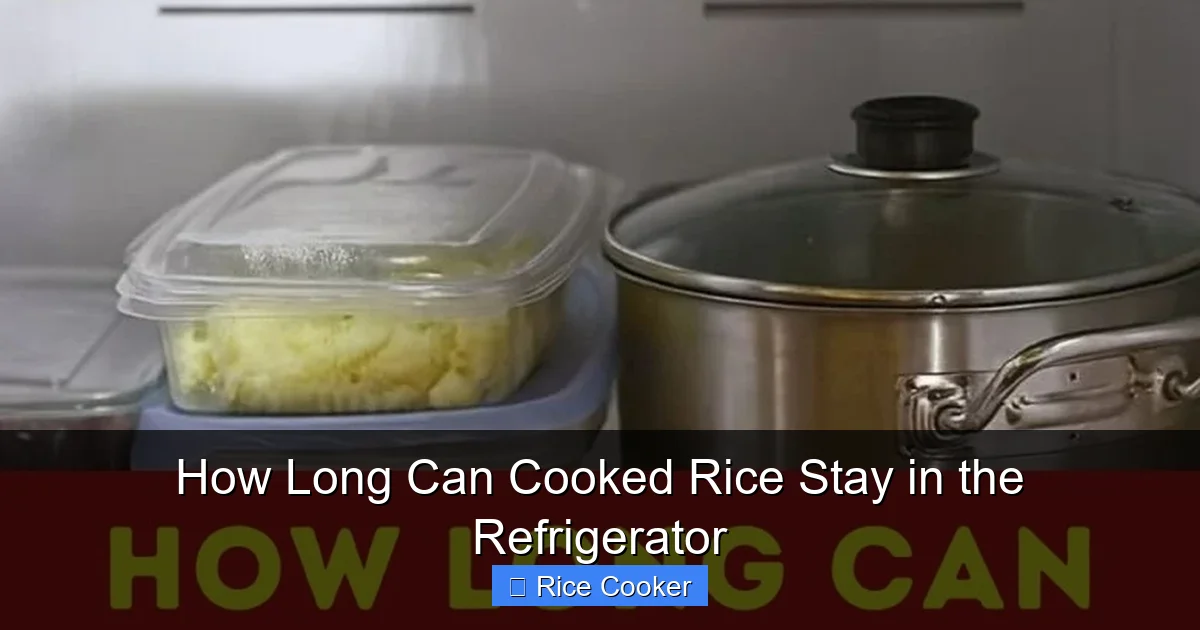
Visual guide about How Long Can Cooked Rice Stay in the Refrigerator
Image source: cycookery.com
Under ideal conditions, cooked rice can safely stay in the refrigerator for 3 to 4 days. This timeframe assumes that the rice was cooled quickly, stored in an airtight container, and kept at or below 40°F (4°C). Most home refrigerators are set between 35°F and 38°F (1.7°C to 3.3°C), which is within the safe range.
It’s important to note that this is a general guideline. Factors like the type of rice (jasmine, basmati, brown, etc.), whether it was cooked with broth or oil, and how much was prepared all influence shelf life. For example, rice cooked in broth may spoil faster due to higher moisture content. Similarly, if you cooked a large pot that took hours to cool on the counter, the risk of bacterial growth increases significantly.
Signs It’s Time to Toss Your Leftover Rice
Even within the 3- to 4-day window, it’s wise to inspect your rice before eating. Here are some red flags:
– Unusual odor: Freshly cooked rice has a mild, slightly nutty scent. If it smells sour, fermented, or just “off,” discard it.
– Mold: Visible mold (white, green, or black spots) is never acceptable. Mold indicates contamination and potential mycotoxins.
– Texture changes: Sticky, slimy, or overly soft textures suggest bacterial or fungal growth.
– Color shifts: Discoloration—like grayish or yellowish hues—can signal spoilage.
Never rely solely on smell or appearance. When in doubt, throw it out.
Best Practices for Storing Cooked Rice
Visual guide about How Long Can Cooked Rice Stay in the Refrigerator
Image source: ilovefood.website
Proper storage is key to maximizing the safety and quality of your leftover rice. Follow these steps to keep your rice fresh and delicious:
Cool Quickly Before Refrigerating
The golden rule: don’t let rice sit at room temperature for more than 2 hours. In hot environments (above 90°F/32°C), this limit drops to just one hour. Rapid cooling reduces the time rice spends in the dangerous temperature zone where bacteria thrive.
To cool rice quickly:
– Spread it in a shallow pan or divide into smaller portions.
– Stir occasionally to release heat.
– Place the container in an ice bath (a bowl of ice water) if needed.
– Transfer to the fridge once it’s no longer steaming.
Store in Airtight Containers
Using airtight containers prevents contamination from fridge odors and slows moisture loss. Glass or BPA-free plastic containers work well. Avoid leaving rice in the original cooking pot unless it has a tight-fitting lid—this keeps it exposed to air and slows cooling.
Label containers with the date so you can track how long it’s been stored.
Portion Control Helps Preservation
Large batches of rice take longer to cool and are more likely to develop harmful bacteria throughout. Instead, cook only what you’ll eat within 2–3 days, or freeze extras. Smaller portions cool faster and reheat more evenly.
Can You Freeze Cooked Rice?
Yes! Freezing is an excellent way to extend the shelf life of cooked rice. When frozen properly, rice can last up to 6 months without significant loss of quality. This makes it perfect for meal prep, camping trips, or avoiding kitchen waste.
Steps to Freeze Cooked Rice Safely
- Let rice cool completely after cooking.
- Divide into single-serving or family-sized portions.
- Place portions in freezer-safe bags or containers, removing as much air as possible.
- Label with the date and contents.
- Store upright in the freezer. Lay flat if using bags to save space.
When ready to use, thaw rice in the refrigerator overnight or reheat directly from frozen (adding a splash of water to prevent drying).
Does Frozen Rice Reheat Well?
Absolutely. Frozen rice reheats beautifully when handled correctly. To reheat:
– Add a tablespoon of water per cup of rice to a microwave-safe dish.
– Cover loosely with a damp paper towel or vented lid.
– Microwave on high for 2–3 minutes, stirring halfway through.
– Check temperature to ensure it reaches 165°F (74°C).
For stovetop reheating, simmer rice with a bit of liquid over low heat, stirring frequently.
How to Reheat Rice Without Making It Mushy
Reheating rice incorrectly can turn it into a gluey mess. Follow these tips for perfect results every time:
Microwave Method
Use a microwave-safe container with a lid or plate on top. Add moisture—rice dries out quickly when heated. A few drops of water or broth go a long way. Heat in 30-second intervals, fluffing with a fork between cycles.
Stovetop Method
Bring a small amount of water or broth to a simmer in a saucepan. Add rice, cover, and cook on low for 5–7 minutes, stirring occasionally. The steam will revive the grains without overcooking them.
Avoid These Common Mistakes
– Overcrowding the container: Too much rice heats unevenly.
– Skipping moisture: Dry rice becomes tough and chewy.
– Using high heat: This cooks the outside while leaving the inside cold—dangerous and unpleasant.
Types of Rice and Their Storage Differences
Not all rice behaves the same when stored. Here’s how different varieties compare:
White Rice
White rice—such as jasmine, basmati, or long-grain—has been processed to remove the bran and germ, making it less prone to rancidity. It stores well but still carries Bacillus cereus risks after cooking. Refrigerate within 2 hours and consume within 3–4 days.
Brown Rice
Brown rice retains its fiber-rich outer layer, which contains natural oils that can go rancid. Cooked brown rice should be refrigerated within 1 hour and eaten within 2–3 days. Its higher fat content means it spoils faster than white rice.
Sushi Rice
Sushi rice is sticky and often cooked with vinegar, salt, and sugar. While these ingredients act as preservatives, they don’t eliminate bacterial risks entirely. Store sushi rice within 2 hours and consume within 2 days for best quality and safety.
Instant Rice
Pre-cooked or instant rice packets are convenient but must be treated like regular cooked rice once opened. Follow the same cooling and storage rules.
Common Myths About Storing Cooked Rice
There’s a lot of misinformation out there about rice storage. Let’s clear up a few myths:
Myth: Rice Can Be Left Out All Night
False. Leaving rice at room temperature for more than 2 hours (or 1 hour in warm climates) invites dangerous bacterial growth. Never skip the cooling step.
Myth: Boiling Leftover Rice Kills Bacteria
Partially true—but not enough. While boiling kills Bacillus cereus, it doesn’t destroy the heat-stable toxins it produces. So even if the rice looks fine after boiling, it could still make you sick.
Myth: Rice Lasts Forever in the Fridge
False. No food lasts forever. Even under ideal conditions, rice loses flavor, texture, and nutritional value over time. Stick to the 3–4 day rule.
Myth: Brown Rice Is Safer Than White Rice
Not necessarily. While brown rice has more nutrients, it also has more oil that can spoil. Both types require careful handling post-cooking.
Myth: You Can Taste-Smell Rice to Check Safety
Risky advice. Some spoiled foods look and smell normal. Never taste questionable food—when in doubt, toss it.
Tips for Safe Meal Prep with Rice
If you love meal prepping, consider these strategies to keep your rice safe and tasty:
– Batch cook on weekends: Prepare a large pot of rice and portion it into containers immediately after cooking.
– Freeze half for later: Divide into freezer bags and label clearly. Use within 6 months.
– Use dated containers: Write the date on each container to track freshness.
– Pair with acidic ingredients: Tomatoes, citrus, or vinegar can help preserve flavor and inhibit some bacteria.
– Avoid cross-contamination: Wash hands, utensils, and surfaces before handling food.
With these habits, you’ll minimize waste and enjoy safe, delicious meals all week long.
Conclusion: Keep Your Rice Safe and Delicious
Cooked rice can safely stay in the refrigerator for 3 to 4 days when handled correctly—cooled quickly, stored in airtight containers, and reheated thoroughly. While raw rice is safe indefinitely, the moment it’s cooked, it enters a vulnerable state where bacteria like Bacillus cereus can thrive. By following simple food safety practices, you protect yourself and your loved ones from foodborne illness.
Remember: when in doubt, throw it out. Your health matters more than saving one extra bite. With proper techniques—like quick cooling, portion control, and smart freezing—you can enjoy rice dishes safely and sustainably.
Whether you’re using a rice cooker for the first time or you’ve been making perfect fluffy batches for years, these guidelines apply to everyone. Invest a little time in proper storage, and you’ll avoid headaches, wasted food, and potential illness.
Frequently Asked Questions
Can you eat rice that’s been in the fridge for a week?
Generally, no. Cooked rice older than 3–4 days increases the risk of Bacillus cereus contamination. Even if it looks fine, it may cause food poisoning.
How do you tell if rice has gone bad?
Check for mold, sour smell, slimy texture, or unusual color. If any of these signs appear, discard the rice immediately—don’t taste it to confirm.
Should you rinse rice before cooking?
It depends on the type. Some prefer rinsing to remove excess starch, but it’s not required. Rinsing doesn’t affect safety, only texture.
Can I reuse rice water?
Yes, rice water can be used for plants or skincare, but never drink it raw. It’s fine to use after proper cooking and cooling.
Does adding oil or butter extend rice shelf life?
Small amounts of oil or butter won’t significantly extend shelf life. Proper cooling and refrigeration are far more effective for safety.
Is it safe to reheat rice multiple times?
Reheating once is safest. Multiple reheating increases moisture loss and texture degradation, though it’s not inherently dangerous if done properly each time.