
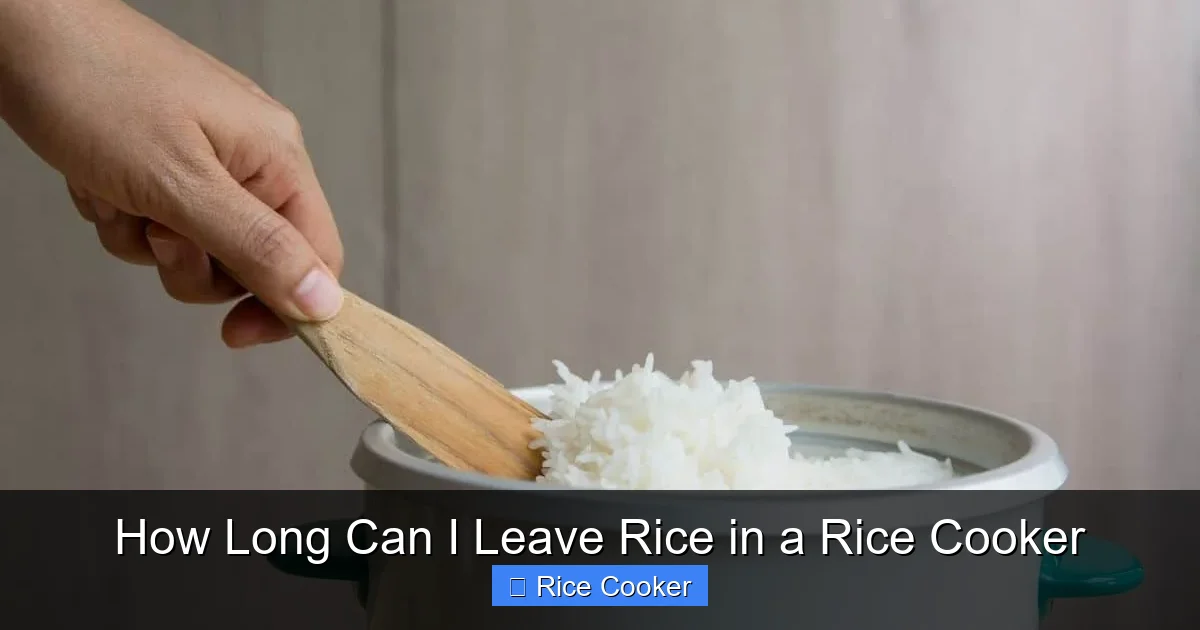
Leaving rice in a rice cooker for too long can lead to bacterial growth and foodborne illness. Most experts agree that cooked rice should be cooled quickly and refrigerated within two hours. Never let rice sit at room temperature for more than 1–2 hours, especially in warm climates or after cooking.
Key Takeaways
- Room Temperature Danger: Cooked rice left at room temperature for over 2 hours can harbor harmful bacteria like Bacillus cereus, which causes food poisoning.
- Cooling is Critical: To safely store rice, cool it rapidly—ideally within 1 hour—and then refrigerate or freeze it promptly.
- Refrigeration Limits: Refrigerated rice lasts 3–5 days; frozen rice can stay fresh for up to 6 months if stored properly.
- Rice Cookers Aren’t Safely Stored: The warm setting on rice cookers is for cooking, not long-term storage. Leaving rice on “warm” for hours increases contamination risk.
- Reheating Matters: Always reheat rice thoroughly until steaming hot throughout to kill any potential bacteria.
- Signs of Spoilage: Discard rice if it smells off, feels slimy, or has an unusual texture or color.
- Portion Control Helps: Cooking only what you need reduces waste and lowers the chance of having leftover rice that sits too long.
Quick Answers to Common Questions
Can I leave rice in a rice cooker overnight?
No, it’s not safe. Cooked rice left in a rice cooker overnight can develop harmful bacteria like Bacillus cereus, which causes food poisoning. Always refrigerate rice within 2 hours of cooking.
Is the warm setting on a rice cooker safe for storing rice?
Short-term, maybe—but not for hours. The warm setting maintains temperature but doesn’t eliminate bacteria. Rice left on warm for more than 2 hours should be discarded. For safety, cool and refrigerate instead.
How long can rice be left at room temperature?
No more than 1 to 2 hours. After that, bacteria begin multiplying rapidly in the danger zone (40°F–140°F). Cool rice quickly and refrigerate to stay safe.
Can I reheat rice multiple times?
No. Reheating rice more than once increases the risk of bacterial growth. Each time you reheat, new bacteria may survive and produce toxins. Reheat only once and eat immediately.
Does freezing rice change its taste?
It might become slightly softer, but it won’t spoil. Properly frozen rice stays safe for up to 6 months. Thaw in the fridge and reheat thoroughly before eating.
📑 Table of Contents
- How Long Can I Leave Rice in a Rice Cooker?
- Why Is Rice Especially Vulnerable to Bacteria?
- How Long Is Too Long?
- Safety Tips for Handling Leftover Rice
- Can You Reuse Rice Cooker Water?
- Special Cases: Fried Rice and Sushi Rice
- Myths vs. Facts About Rice Storage
- Best Practices for Meal Prep With Rice
- What Happens If You Eat Bad Rice?
- Conclusion: Safety First, Convenience Second
How Long Can I Leave Rice in a Rice Cooker?
We’ve all been there: you just finished making a big batch of rice for dinner, but you only ate half. Instead of tossing the rest, you think, “No problem—I’ll just leave it in the rice cooker overnight.” But how safe is that really? And more importantly, how long can I leave rice in a rice cooker before it becomes a health risk?
The truth is, leaving cooked rice in a rice cooker—especially on the “warm” setting—isn’t as safe as you might think. While modern rice cookers have convenient warming functions, they’re designed to maintain temperature, not to eliminate bacteria. In fact, the warm zone creates an ideal environment for dangerous microbes to grow. So whether you’re meal-prepping for the week or saving leftovers for tomorrow, understanding how long rice can safely stay in your appliance is essential for both safety and taste.
Why Is Rice Especially Vulnerable to Bacteria?
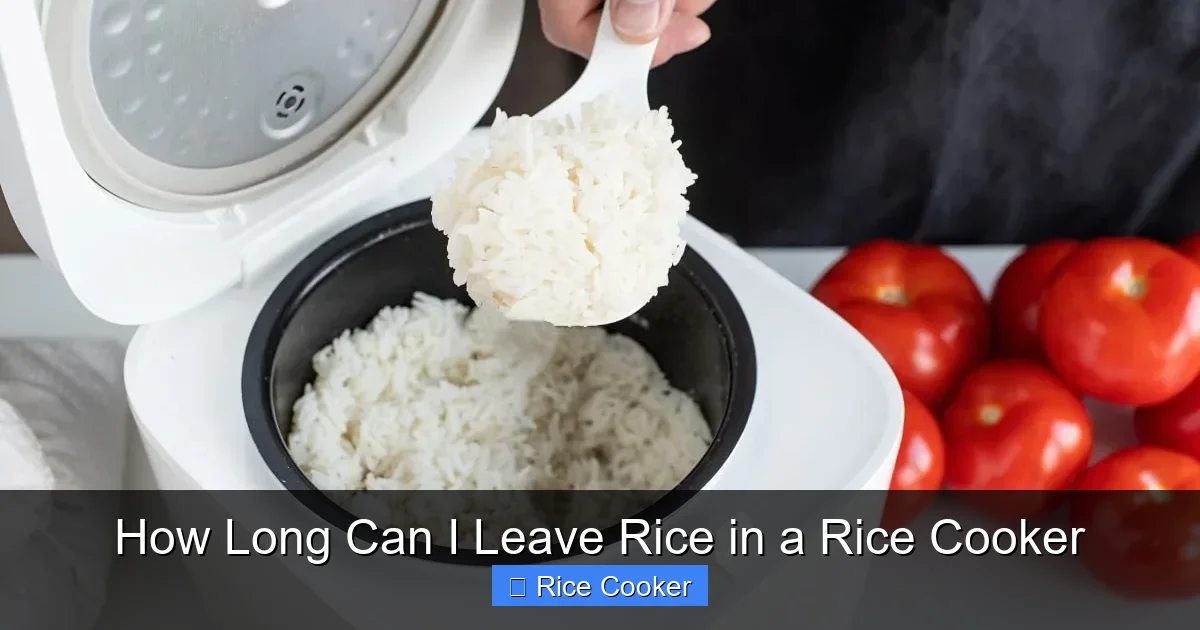
Rice is unique because it naturally contains spores of a bacterium called Bacillus cereus. These spores are harmless when dry, but once rice is cooked and exposed to water (or moisture from steam), the spores wake up and multiply. If the warm, moist environment persists, these bacteria can produce toxins that cause food poisoning—even if the rice looks and smells fine.
Visual guide about How Long Can I Leave Rice in a Rice Cooker
Image source: sushiandrice.com
The Science Behind Bacillus Cereus
Bacillus cereus is particularly tricky because it thrives in starch-rich environments like cooked rice. When rice is left sitting at room temperature or in a warm rice cooker, the bacteria reproduce rapidly. Within just a few hours, toxin levels can rise to dangerous amounts. The symptoms—vomiting, diarrhea, stomach cramps—usually appear within 6 to 12 hours, making it easy to mistake for food poisoning from other sources.
This is why experts strongly advise against letting cooked rice sit out for too long. Unlike meat or vegetables, rice doesn’t have natural preservatives to slow bacterial growth. That’s one reason why ancient preservation methods like drying or fermenting rice were so effective.
How Long Is Too Long?
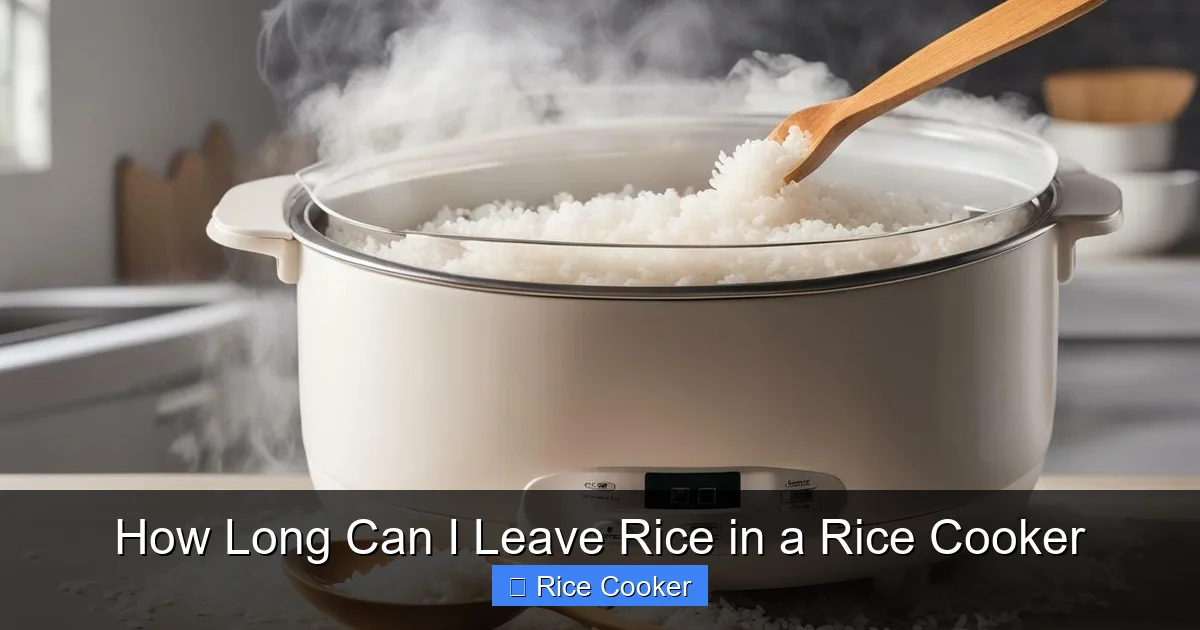
So, back to the main question: how long can I leave rice in a rice cooker? The short answer is no more than 1 to 2 hours at room temperature. After that, the risk of bacterial growth increases significantly.
Visual guide about How Long Can I Leave Rice in a Rice Cooker
Image source: ricearray.org
Room Temperature: A Bacterial Playground
The danger zone for food safety is between 40°F (4°C) and 140°F (60°C). This is where bacteria multiply fastest. When rice is freshly cooked, it’s often still above this range. If you don’t cool it quickly, it lingers in the danger zone for hours—perfect conditions for Bacillus cereus to thrive.
If you leave rice in a rice cooker on the “warm” setting, it stays around 170°F to 190°F. While that’s technically above the danger zone, the real issue isn’t the heat—it’s the moisture. The warm plate keeps the rice damp, which encourages bacterial activity. Plus, the longer rice sits, the more time bacteria have to grow.
What About Overnight?
Leaving rice in a rice cooker overnight is a common habit—but it’s risky. Even if the rice looks fine in the morning, harmful bacteria may already be present. Studies show that rice left at room temperature for 8 hours can contain enough toxins to make someone sick. Refrigerating rice within 1 hour of cooking drops its temperature below 40°F, slowing bacterial growth dramatically.
That said, some rice cookers come with a “keep warm” function that cycles between heating and holding. These models reduce risk slightly, but they’re not foolproof. The American Academy of Pediatrics and the USDA both recommend refrigerating leftovers within 2 hours of cooking, regardless of the appliance used.
Safety Tips for Handling Leftover Rice
Now that you know how long rice can safely stay in a rice cooker, here’s how to handle leftovers like a pro.
Cool It Fast
The key to safe rice storage is rapid cooling. Spread the rice in a shallow container or divide it into smaller portions. This exposes more surface area to air, helping it lose heat faster. You can even place the container in a bowl of ice water while stirring occasionally. Aim to get the rice below 40°F within 1 hour.
Store Properly
Once cooled, transfer rice to an airtight container. Glass or BPA-free plastic works best. Label the container with the date so you know when it was made. Refrigerated rice should be eaten within 3 to 5 days. For longer storage, freeze it in portions of about 1 cup each. Frozen rice stays safe for up to 6 months.
Reheat Thoroughly
When reheating rice, always bring it to a rolling boil or heat it until steaming hot throughout. Use a microwave-safe dish with a lid or cover it with foil to retain moisture. Stir halfway through to ensure even heating. Never reheat rice more than once—this increases the risk of contamination.
Can You Reuse Rice Cooker Water?
Another common question: can you reuse the water from your rice cooker? Technically, yes—but only if the rice was cooked and cooled properly. However, reusing water increases the risk of cross-contamination. If you do reuse water, make sure to bring it to a full boil before adding new rice. Still, it’s safer to use fresh water each time.
Special Cases: Fried Rice and Sushi Rice
Some types of rice require different handling. For example, fried rice often includes eggs, meat, or vegetables—all of which can spoil faster than plain rice. Always follow the same rules: cool and refrigerate within 2 hours.
Sushi rice, on the other hand, is typically served immediately or kept cold. Because it’s often mixed with vinegar and sugar, it has a shorter shelf life—usually just 1 to 2 days in the fridge. Never leave sushi rice in a rice cooker overnight.
Myths vs. Facts About Rice Storage
Let’s clear up some misconceptions.
- Myth: “The warm setting kills bacteria.”
Fact: Heat kills bacteria, but only briefly. Once rice cools, bacteria start growing again. - Myth: “Rice can sit out all day if it smells okay.”
Fact: Toxins from Bacillus cereus don’t affect smell or appearance. Rice can look and smell normal but still be unsafe. - Myth: “Freezing ruins rice.”
Fact: Freezing preserves rice well. Just thaw and reheat properly.
Best Practices for Meal Prep With Rice
If you love meal prepping, here’s how to do it safely.
Batch Cook and Cool Immediately
Cook rice in large batches, then spread it out on baking sheets to cool. Once chilled, portion and store in containers. This method saves time and reduces risk.
Use Ice Baths for Speed
Place a large bowl of ice water on the counter. Put your rice container inside the bowl and stir occasionally. This can cut cooling time by half.
Label Everything
Write the date on each container. Use older rice first. Rotate your stock regularly.
Avoid Double Cooking
Never reheat rice twice. Always consume or freeze within 3 to 5 days.
What Happens If You Eat Bad Rice?
If you accidentally eat rice that’s been sitting too long, watch for symptoms within 6 to 24 hours. Common signs include nausea, vomiting, abdominal pain, and diarrhea. These usually last 24 hours and resolve on their own. But if you feel severely ill, seek medical attention—especially if you’re elderly, pregnant, or have a weakened immune system.
To prevent illness, always trust your senses: if rice looks, smells, or feels off—discard it. Don’t take chances.
Conclusion: Safety First, Convenience Second
So, how long can I leave rice in a rice cooker? The bottom line is simple: not long at all. Keep cooked rice out of the danger zone by cooling it fast and refrigerating it within 2 hours. Avoid using the “warm” setting for extended periods. Treat your rice cooker like a kitchen tool—not a storage unit.
With proper handling, rice can be a safe, nutritious part of your diet. But ignoring food safety rules can lead to serious health issues. By following these guidelines, you’ll enjoy delicious rice meals without the worry. Next time you cook rice, remember: convenience matters, but safety comes first.
Frequently Asked Questions
How long can cooked rice be left in a rice cooker?
Cooked rice should not be left in a rice cooker for more than 1 to 2 hours at room temperature. After that, bacterial growth increases significantly, especially in the warm, moist environment created by the appliance.
Is it safe to leave rice on the “warm” setting overnight?
No, it’s not recommended. While the warm setting prevents the rice from getting cold, it doesn’t kill existing bacteria. Overnight exposure raises the risk of foodborne illness due to bacterial toxins.
How should I cool rice before refrigerating?
Spread rice in a shallow container or divide it into smaller portions to cool faster. You can also use an ice bath by placing the container in a bowl of ice water while stirring occasionally.
Can I eat rice that smells fine but was left out?
Even if rice looks and smells normal, it may still contain harmful toxins from Bacillus cereus. When in doubt, throw it out. Appearance and smell aren’t reliable indicators of safety.
How long does refrigerated rice last?
Refrigerated rice is safe to eat within 3 to 5 days. Always store it in an airtight container and label it with the date to track freshness.
Can I freeze rice for long-term storage?
Yes! Frozen rice can be stored for up to 6 months. Portion it into usable sizes, label, and freeze in airtight containers or freezer bags. Thaw in the refrigerator before reheating.