
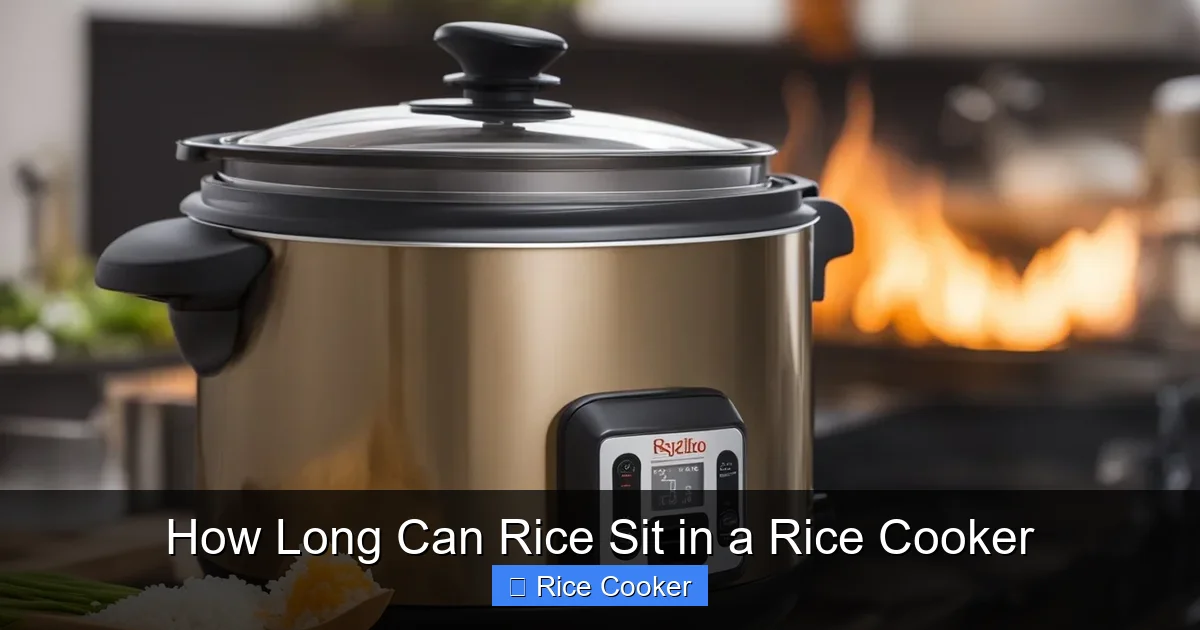
Rice left in a rice cooker after cooking should not sit out at room temperature for more than 2 hours due to rapid bacterial growth, especially from Bacillus cereus. While the rice cooker keeps it warm, it doesn’t prevent spoilage or contamination. For best results, transfer cooked rice to an airtight container and refrigerate within 1–2 hours to maintain freshness and safety.
Have you ever finished cooking rice, turned off your rice cooker, and then wondered: “How long can rice sit in a rice cooker before it goes bad?” It’s a question many home cooks ask—especially when they’re preparing meals in advance or dealing with unexpected delays. The truth is, while rice cookers are fantastic appliances designed to perfectly cook and even keep rice warm, they aren’t built for long-term food storage. In fact, leaving rice sitting in the cooker for too long can lead to serious food safety issues, unpleasant textures, and wasted meals.
Understanding how long rice can safely sit in a rice cooker isn’t just about convenience—it’s about protecting your health. Bacteria like Bacillus cereus, which produce heat-resistant spores, can thrive in cooked rice, especially in warm, moist environments. These spores survive normal cooking temperatures but can grow and release toxins if rice is left to sit too long at room temperature or in the “keep warm” setting. This guide will walk you through everything you need to know about rice storage, safety timelines, and how to enjoy leftover rice without risk.
Whether you’re meal prepping for the week, cooking for a large family gathering, or simply want to avoid wasting perfectly good rice, knowing how to handle it after cooking is essential. Let’s dive into the science, practical tips, and expert advice to help you master rice storage like a pro.
Key Takeaways
- Room Temperature Danger: Rice should never be left in the rice cooker at room temperature for over 2 hours, as bacteria like Bacillus cereus multiply quickly.
- Warm Hold Mode Risks: Even with keep-warm settings, the rice cooker doesn’t kill bacteria—only slows their growth, so prolonged use increases food safety risks.
- Refrigeration is Safer: Transfer cooked rice to a sealed container and cool it rapidly in the fridge within 1–2 hours to preserve quality and prevent spoilage.
- Reheating Matters: Always reheat rice thoroughly to 165°F (74°C) to destroy potential toxins and ensure safe consumption.
- Texture Deteriorates: Prolonged sitting in the rice cooker dries out rice, making it mushy, sticky, or unappetizing.
- Use Within 3–4 Days: Properly stored rice in the refrigerator lasts up to 3–4 days; beyond that, flavor and texture decline.
- Freezing Extends Life: Freeze rice in portions for up to 6 months if you don’t plan to eat it within a few days.
Quick Answers to Common Questions
Can rice be left in the rice cooker overnight?
No, rice should not be left in the rice cooker overnight. Even with the keep-warm function, bacteria can grow and produce toxins that survive reheating. For safety, transfer rice to the refrigerator within 1–2 hours of cooking.
Is it safe to eat rice that’s been in the cooker for 4 hours?
If the rice cooker was on keep-warm mode and the internal temperature stayed above 140°F, it might be safe if used within 4 hours. However, the USDA recommends discarding rice that has been at room temperature or in the danger zone for more than 2 hours.
Does the rice cooker kill bacteria?
No, the rice cooker does not kill bacteria. Its primary role is to cook rice to the right temperature. Once cooking is complete, bacteria can begin to grow if the rice is not cooled and stored properly.
How do I reheat rice safely?
Reheat rice to an internal temperature of 165°F (74°C). You can use a stovetop, oven, or microwave. Add a little water to restore moisture and stir frequently to ensure even heating.
Can I freeze rice in the rice cooker pot?
It’s not recommended to freeze rice directly in the rice cooker pot. The pot isn’t designed for freezing, and it may crack. Instead, transfer rice to freezer-safe containers before freezing.
📑 Table of Contents
- Why You Shouldn’t Leave Rice in the Rice Cooker for Too Long
- How Long Can Rice Sit at Room Temperature Before It Goes Bad?
- The Truth About Rice Cooker Keep-Warm Settings
- How to Safely Store Cooked Rice
- Can You Reheat Rice That Sat in the Cooker All Day?
- Signs Your Rice Has Gone Bad
- Best Practices for Rice Meal Prep and Storage
Why You Shouldn’t Leave Rice in the Rice Cooker for Too Long
Many people assume that since a rice cooker keeps rice warm, it must also keep it safe to eat for hours. Unfortunately, that’s a common misconception. While the appliance maintains a consistent temperature—usually around 170°F to 185°F (77°C to 85°C) in keep-warm mode—this isn’t enough to eliminate bacteria or prevent spoilage. In fact, the warm, humid environment inside the rice cooker creates ideal conditions for microbial growth, particularly from Bacillus cereus.
This bacterium is especially dangerous because it produces spores that survive boiling. Once the rice cools below 140°F (60°C), these spores can begin to germinate, multiply, and release toxins that cause food poisoning. Symptoms typically appear within 6 to 15 hours and include nausea, vomiting, and diarrhea. Unlike other bacteria, B. cereus toxins are not destroyed by reheating, so simply warming up old rice won’t make it safe again.
Additionally, prolonged exposure to heat and moisture alters the rice’s structure. Starch molecules break down over time, leading to a gummy, clumpy, or mushy texture. The rice may also absorb odors from the cooker or nearby ingredients, affecting its taste. So, while your rice cooker keeps rice warm, it doesn’t preserve it—it merely delays spoilage.
How Long Can Rice Sit at Room Temperature Before It Goes Bad?
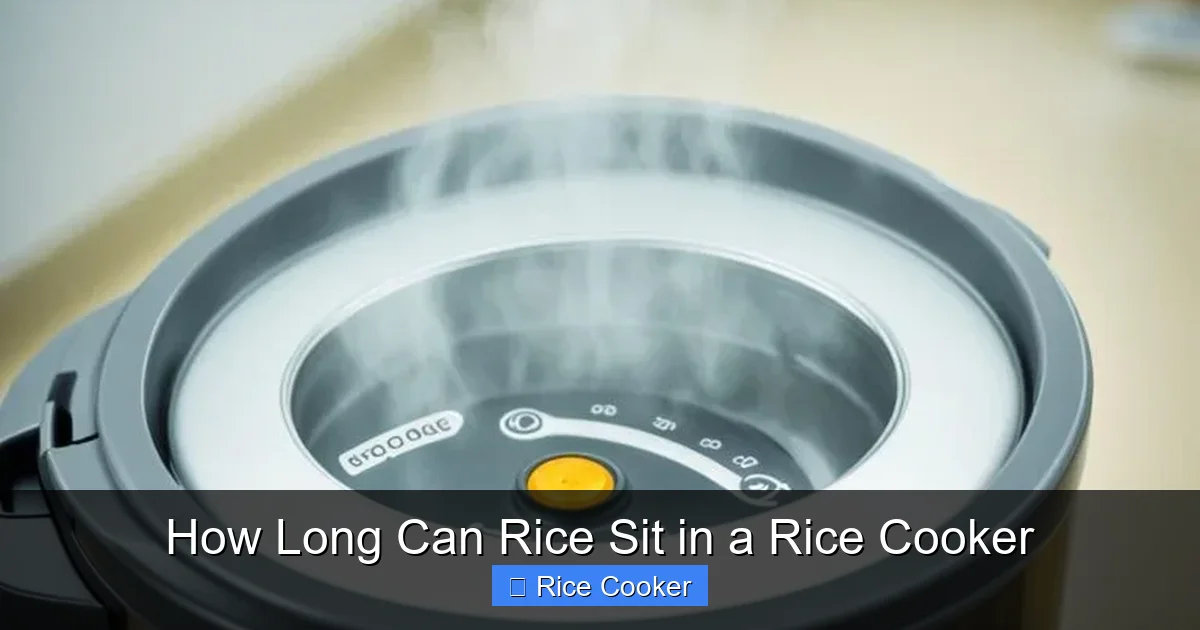
Visual guide about How Long Can Rice Sit in a Rice Cooker
Image source: ricecookerjunkie.com
According to the U.S. Department of Agriculture (USDA) and the FDA, cooked rice should not be left at room temperature for more than two hours. After that, the risk of bacterial growth becomes significantly higher. The “danger zone” for food is between 40°F and 140°F (4°C and 60°C), where bacteria reproduce most rapidly.
If you’ve cooked rice and forgotten about it on the counter—say, during a busy dinner rush—you might be tempted to just reheat it later. But if more than two hours have passed, it’s safest to discard the rice. Even if it looks and smells fine, harmful bacteria may already be present. Visual cues and smell are unreliable indicators of food safety.
For example, imagine you’re hosting a holiday dinner and cook a large batch of jasmine rice. You serve part of it right away, but the rest remains in the rice cooker while guests enjoy dessert. If the cooker was left unplugged or turned off, the rice would cool into the danger zone within an hour. If it stayed at room temperature for three hours, it would likely be unsafe to eat—no matter how delicious it tasted earlier.
The Truth About Rice Cooker Keep-Warm Settings
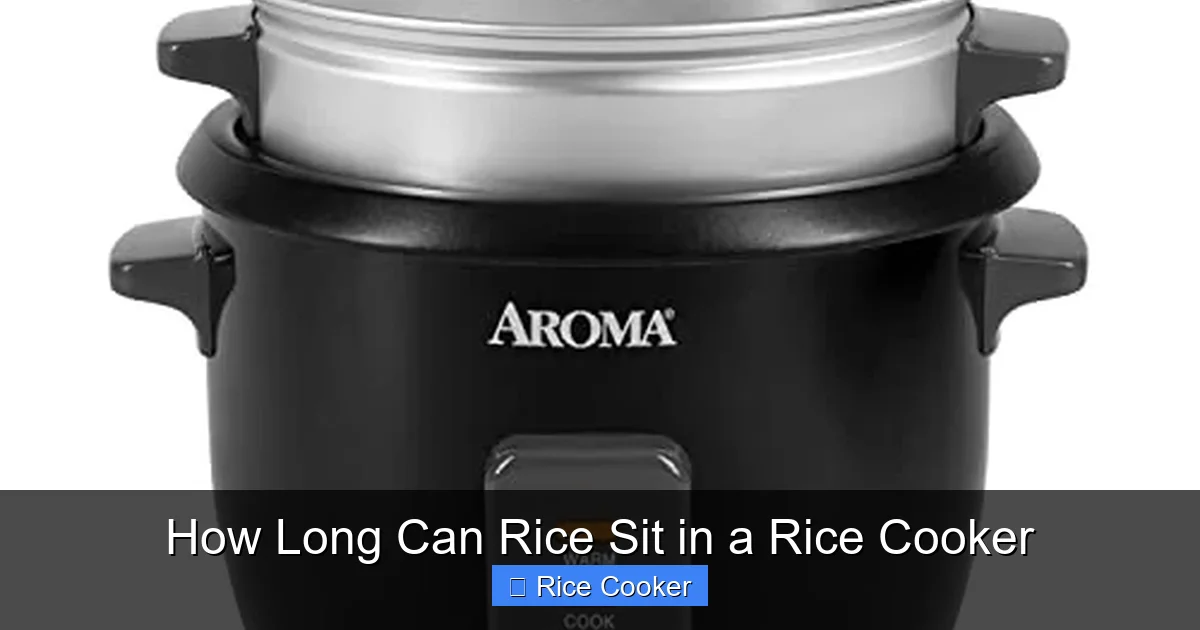
Visual guide about How Long Can Rice Sit in a Rice Cooker
Image source: m.media-amazon.com
Most modern rice cookers come with a “keep warm” function that maintains rice at a set temperature after cooking. This feature is convenient, but it comes with limitations. The keep-warm setting usually holds rice between 170°F and 185°F (77°C to 85°C), which is hot enough to slow bacterial growth but not hot enough to kill existing bacteria or spores.
In other words, the keep-warm mode preserves rice temporarily but doesn’t sterilize it. If rice has been sitting in this mode for four to six hours, the risk of foodborne illness increases. Some manufacturers recommend not using the keep-warm function for more than 10 hours, but food safety experts advise against exceeding two to four hours for maximum safety.
For instance, if you cook rice in the morning and turn on keep warm for lunchtime, you’re probably okay. But if you leave it overnight, the rice could develop off-flavors, texture changes, and potential toxins. Always err on the side of caution—transfer rice to the refrigerator or freezer once it’s no longer needed.
How to Safely Store Cooked Rice
The best way to store cooked rice is to cool it quickly and transfer it to an airtight container. Here’s a simple step-by-step process:
Step 1: Cool Rapidly
Don’t let rice sit in the pot for more than 1–2 hours. If possible, spread it out in a shallow bowl to speed cooling.
Step 2: Portion and Seal
Divide rice into single-serving sizes using airtight containers or freezer bags. This makes reheating easier and reduces waste.
Step 3: Refrigerate Promptly
Place containers in the refrigerator within two hours of cooking. Properly stored rice lasts 3–4 days.
Step 4: Label and Date
Write the date on the container so you know when it was cooked. This helps prevent confusion and ensures you use it before it spoils.
For example, if you cook a batch of brown rice on Sunday evening, portion it into four containers, label them, and refrigerate. By Wednesday, it should still be safe to eat—but by Thursday, it’s time to toss it.
Can You Reheat Rice That Sat in the Cooker All Day?
Reheating rice that has been sitting in the rice cooker all day is risky and not recommended. Even if it looks fine, bacteria may have already produced toxins that survive reheating. However, if the rice was kept in the keep-warm setting and used within a few hours, reheating is generally safe.
When reheating, always bring rice to a rolling boil or heat it in the oven until it reaches 165°F (74°C). Stir occasionally to ensure even heating. Avoid microwaving small portions unless you’re certain the rice was fresh and handled properly.
One helpful tip is to add a splash of water or broth when reheating dry rice. This restores moisture and prevents it from becoming tough or rubbery. You can also fluff the rice with a fork before reheating to improve texture.
Signs Your Rice Has Gone Bad
Even if rice hasn’t reached the two-hour danger window, it may still spoil due to poor handling. Watch for these signs:
- Unpleasant Odor: A sour, rancid, or fermented smell indicates spoilage.
- Mold Growth: Visible mold means the rice is unsafe—discard immediately.
- Off Texture: Grittiness, sliminess, or clumping suggest bacterial growth.
- Discoloration: Dark spots or grayish color mean the rice has degraded.
- Taste Test (Cautiously): If it tastes sour or bitter, don’t eat it.
Remember, when in doubt, throw it out. Food poisoning is no joke, and rice is a common culprit in outbreaks due to Bacillus cereus.
Best Practices for Rice Meal Prep and Storage
If you’re planning ahead, follow these best practices:
- Cook in Batches: Prepare rice on weekends and store portions for weekday meals.
- Use Glass Containers: They’re microwave-safe, easy to clean, and don’t absorb odors.
- Freeze for Longevity: Freeze rice in ice cube trays for easy portioning—use within 6 months.
- Thaw Gradually: Move frozen rice from the freezer to the fridge overnight before reheating.
- Rotate Stock: Use older rice first to avoid waste.
For example, cook a double batch of basmati rice on Sunday. Divide it into eight containers, freeze four, and refrigerate the rest. By Wednesday, reheat one container for lunch, and save the rest for dinner. This method saves time and ensures you always have safe, tasty rice ready to go.
Frequently Asked Questions
How long can rice sit in a rice cooker at room temperature?
Cooked rice should not be left at room temperature for more than 2 hours. After that, bacteria like Bacillus cereus can multiply rapidly and produce toxins that cause food poisoning.
Is it safe to keep rice in the rice cooker all day?
No, keeping rice in the rice cooker all day is not safe. Even with the keep-warm setting, prolonged exposure allows bacteria to grow and degrade the rice’s quality. Transfer it to the refrigerator within 1–2 hours.
Can I reheat rice that was left in the cooker for 3 hours?
Reheating rice that has been sitting for 3 hours increases the risk of foodborne illness. If the rice was kept hot and used within 2–4 hours, it may be safe, but if it cooled into the danger zone, it’s best to discard it.
What temperature kills bacteria in rice?
Boiling rice at 212°F (100°C) kills most bacteria, but Bacillus cereus spores survive cooking. The key is preventing bacterial growth by storing rice properly and reheating to 165°F (74°C).
How do I store cooked rice properly?
Cool rice rapidly, divide it into airtight containers, and refrigerate within 2 hours. Label with the date and use within 3–4 days. For longer storage, freeze in portion-sized containers.
Can I leave rice in the cooker after it finishes cooking?
Yes, but only briefly. Once the rice is cooked, turn off the cooker and remove the rice within 1–2 hours. Leaving it on keep warm for extended periods increases spoilage and bacterial growth.