

Properly stored cooked rice can last 3–4 days in the refrigerator, but only if cooled quickly and kept at 40°F (4°C) or below. Never leave rice out for more than two hours—especially in warm weather—to prevent bacterial growth like Bacillus cereus. With the right techniques, you can enjoy safe, fresh-tasting leftovers without risking foodborne illness.
Key Takeaways
- Cooked rice lasts 3–4 days in the fridge: When stored properly in an airtight container, cooked rice remains safe to eat for up to four days.
- Cooling matters: Rice must cool quickly: Leaving rice at room temperature for over two hours increases the risk of harmful bacteria forming.
- Reheating kills most bacteria—but not toxins: Even if you microwave leftover rice thoroughly, pre-existing toxins from improper storage may remain dangerous.
- Store in shallow containers: This helps rice cool faster and prevents condensation buildup, which can lead to spoilage.
- Label and date your containers: Track how long your rice has been stored to avoid confusion and ensure freshness.
- Freezing extends shelf life safely: Cooked rice can be frozen for up to one year when wrapped tightly to prevent freezer burn.
- Always trust your senses—and safety: If your rice smells off, feels slimy, or tastes strange, throw it away immediately.
📑 Table of Contents
- How Long Can Rice Stay in the Fridge Cooked?
- Understanding the Risks of Storing Cooked Rice
- Best Practices for Cooling Cooked Rice
- Safe Refrigeration Guidelines
- Signs Your Cooked Rice Has Gone Bad
- Reheating Leftover Rice Safely
- Freezing Cooked Rice for Long-Term Storage
- Special Considerations: Different Types of Rice
- Food Safety Myths Debunked
- Expert Tips for Busy Households
- Conclusion: Enjoy Rice Safely, Every Time
How Long Can Rice Stay in the Fridge Cooked?
You’ve just finished a delicious dinner—steamed jasmine rice, perfectly fluffed and fragrant. But now there’s too much for one meal. What do you do? Should you toss it, or can you save it for tomorrow? The short answer: yes, you can store cooked rice in the fridge, but only if you do it right. Most people don’t realize that rice—once cooked—is no longer as safe as raw grains. In fact, it becomes a potential breeding ground for bacteria if handled improperly. So, how long can rice stay in the fridge cooked? And more importantly, how can you make sure it stays safe to eat?
In this complete guide, we’ll walk you through everything you need to know about storing cooked rice. From cooling techniques to container choices, reheating tips, and signs of spoilage, we’ll cover it all. Whether you’re using a rice cooker at home or managing leftovers from a big family meal, these insights will help you enjoy safe, tasty rice every time. Let’s dive in!
Understanding the Risks of Storing Cooked Rice
Before we get into storage tips, let’s talk about why cooked rice can be tricky to store. Unlike other foods, cooked rice contains spores of a bacterium called Bacillus cereus. These spores are harmless when the rice is cooked because heat destroys the bacteria. But here’s the catch: if rice cools slowly at room temperature, the spores can wake up and start multiplying. They produce toxins that cause food poisoning—often within 6 to 18 hours after eating contaminated rice.
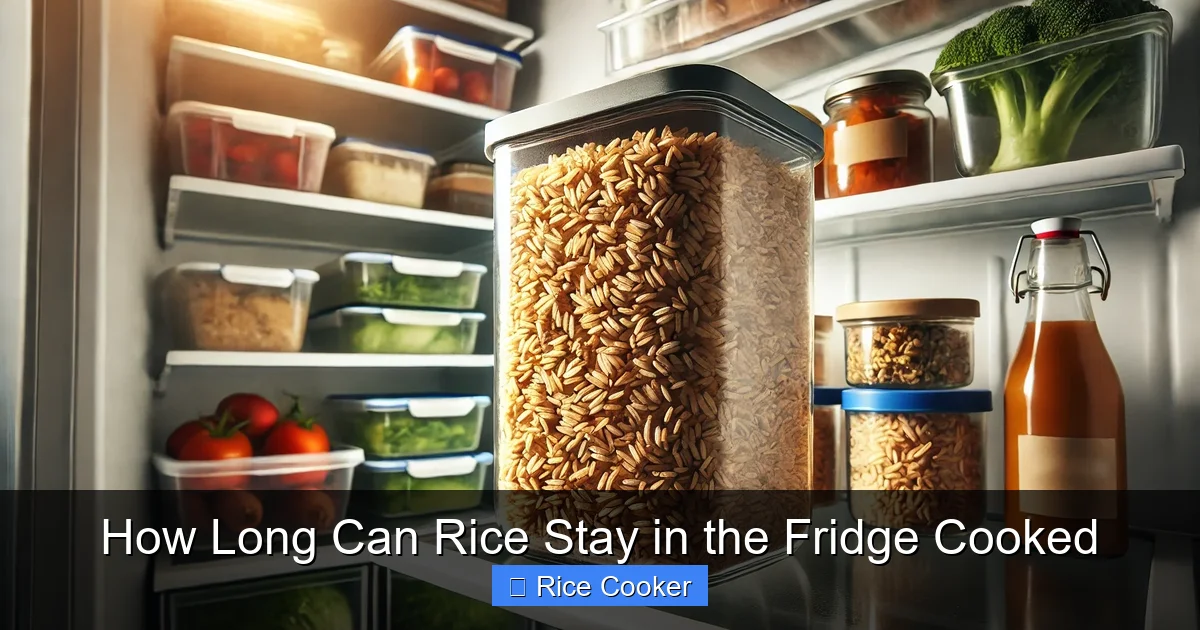
Visual guide about How Long Can Rice Stay in the Fridge Cooked
Image source: expertreviewsbestricecooker.com
This is why the “two-hour rule” exists: perishable foods, including cooked rice, should never sit out at room temperature for more than two hours (or one hour if the temperature is above 90°F/32°C). After that window, harmful bacteria have a chance to grow rapidly. That’s also why refrigeration isn’t a cure-all—it stops bacterial growth but doesn’t undo toxins already produced before cooling began.
The Science Behind Rice Spoilage
When rice is cooked, its starches gelatinize, creating an ideal environment for microbial activity. If left uncovered on the counter, moisture evaporates unevenly, and the surface dries while the inside stays warm and moist—perfect conditions for bacteria. Refrigeration slows this process, but only if the rice reaches 40°F (4°C) within two hours.
Studies show that Bacillus cereus can double every 20 minutes under ideal conditions. That means in just six hours, you could go from a few spores to thousands—enough to make someone very sick. So even if your rice looks fine, it might still be unsafe. Always prioritize safety over convenience when dealing with leftovers.
Common Misconceptions About Rice Storage
Many people assume that since rice is a dry grain, it won’t spoil easily. But once water is added and heat is applied, that changes everything. Another myth is that freezing ruins rice texture forever. While frozen rice can become slightly mushy upon thawing, it’s still completely edible and often preferable to letting it rot in the fridge.
Some also believe that microwaving rice multiple times makes it safer. Unfortunately, reheating doesn’t destroy pre-formed toxins—only live bacteria. So if the rice was mishandled earlier, reheating won’t fix it. Trust me: better to lose a little food than risk an upset stomach or worse.
Best Practices for Cooling Cooked Rice
The first step to safe rice storage is rapid cooling. Here’s how to do it right:
- Use shallow containers: Spread the rice evenly in wide, shallow pans or containers. This increases surface area so heat escapes faster.
- Avoid large piles: Never transfer hot rice directly into a deep Tupperware. It takes too long to cool and invites bacterial growth.
- Stir occasionally: Gently stir the rice every 15 minutes while it cools. This redistributes heat and speeds up the process.
- Refrigerate promptly: Once the rice reaches room temperature, move it straight into the fridge. Don’t let it linger on the counter.
If you’re cooking a large batch—like for a potluck or holiday dinner—consider dividing it into smaller portions before refrigerating. This reduces the amount of rice exposed to air and minimizes temperature fluctuations.
What Not to Do
Avoid these common mistakes:
- Leaving rice uncovered: Exposure to air increases oxidation and contamination risk.
- Using metal containers for hot rice: Metal conducts heat well but can warp plastic lids or create hot spots that encourage bacterial growth.
- Storing near strong-smelling foods: Rice absorbs odors easily. Keep it away from onions, garlic, or fish.
Safe Refrigeration Guidelines
So, exactly how long can rice stay in the fridge cooked? The general rule is 3 to 4 days. According to the USDA and food safety experts, cooked rice stored in an airtight container at 40°F (4°C) or below remains safe during this period.
However, quality degrades over time. After day three, the rice may dry out, become gummy, or develop off-flavors. For best taste and texture, aim to consume it by day four. Always label your containers with the date so you know when it was made.
Container Tips
Choose containers wisely:
- Airtight lids: Prevent drying and odor absorption.
- Glass or BPA-free plastic: Both work well; glass is easier to clean and less likely to retain stains.
- Size matters: Use containers that fit the portion size. Leftover rice expands slightly when frozen, so leave headspace if planning to freeze.
Remember: even if the container looks full, pack it tightly to remove excess air. Moisture promotes mold and bacterial growth.
Signs Your Cooked Rice Has Gone Bad
Trust your senses—but know what to look for:
- Smell: Fresh rice should have a mild, slightly nutty aroma. If it smells sour, fermented, or rotten, discard it.
- Texture: Mold patches, sliminess, or unusual stickiness are red flags.
- Color: Discoloration—like grayish or greenish spots—indicates spoilage.
- Taste test caution: If in doubt, don’t risk it. One bite of bad rice can ruin your whole night.
Even if the rice passed visual and olfactory checks, remember: Bacillus cereus doesn’t always change appearance or smell. When in uncertainty, err on the side of caution.
When Is Rice Definitely Unsafe?
Throw out rice if:
- It’s been sitting at room temperature for over two hours.
- You see visible mold.
- It’s been in the fridge for more than four days.
- Someone in your household has a weakened immune system (elderly, pregnant, or immunocompromised individuals).
For vulnerable groups, consider treating rice like high-risk food—meaning shorter shelf life and stricter handling rules.
Reheating Leftover Rice Safely
Reheating is simple—but do it correctly:
- Microwave with care: Place rice in a microwave-safe dish, cover loosely, and heat in 30-second intervals until steaming hot throughout.
- Add moisture if needed: A splash of water or broth prevents drying out.
- Stir between heats: Ensures even warming and eliminates cold spots where bacteria could survive.
- Check temperature: Use a food thermometer—rice should reach 165°F (74°C) internally.
Avoid reheating rice on the stove unless you’re stirring constantly. Microwaves heat unevenly, so thorough stirring is key.
Creative Ways to Reheat Rice
Don’t just serve it plain! Try these ideas:
- Rice bowls: Top with veggies, beans, and sauces.
- Risotto-style: Add broth gradually while stirring for creamy perfection.
- Fried rice: Sauté with soy sauce, egg, and whatever protein you have on hand.
- Baked goods: Mix into muffins, pancakes, or casseroles for extra starchiness.
These methods not only refresh stale rice but also reduce waste—win-win!
Freezing Cooked Rice for Long-Term Storage
Want to extend rice’s shelf life? Freeze it! Properly frozen rice stays safe for up to one year.
Freezing Steps
- Cool completely: Make sure rice is fridge-cold before freezing.
- Portion control: Divide into meal-sized amounts to avoid repeated thawing cycles.
- Wrap tightly: Use freezer-safe bags or containers. Squeeze out air to prevent ice crystals.
- Label clearly: Include the date and contents.
Thawing Tips
- Refrigerator method (slow): Thaw overnight in the fridge. Best for maintaining texture.
- Microwave method (fast): Use defrost setting or low power. Stir frequently to avoid hot spots.
- Cook-through thaw: Add frozen rice to a pan with a bit of liquid and simmer until heated.
Frozen rice may become softer, but it’s still perfectly edible. Just adjust recipes accordingly—add extra liquid if needed.
Special Considerations: Different Types of Rice
Not all rice behaves the same way when stored. Here’s a quick breakdown:
White Rice vs. Brown Rice
- White rice: Higher in amylopectin, which resists drying. Stores slightly better in the fridge (up to 4 days).
- Brown rice: Contains more fiber and oil, making it more prone to rancidity. Consume within 3 days for best quality.
Sushi Rice & Other Specialties
Sushi rice, with its sticky texture and vinegar dressing, should be used within 24 hours. Vinegar inhibits some bacteria, but not enough to ignore basic safety rules. Same goes for coconut milk-based rice dishes—they spoil faster due to dairy or tropical oils.
Instant Rice Mixes
Pre-packaged instant rice often includes preservatives, extending shelf life slightly. But once opened, treat it like homemade rice. Check expiration dates and store in a cool, dry place—not the fridge unless cooked.
Food Safety Myths Debunked
Let’s clear up some confusion:
- Myth: “If I boil rice again, it’s safe.”
Truth: Boiling won’t destroy pre-formed toxins. Only fresh, properly cooled rice is guaranteed safe. - Myth: “Rice keeps forever if frozen.”
Truth: While technically edible for years, quality drops after 6–12 months. Taste and texture suffer. - Myth: “Leftover rice is always safe if reheated.”
Truth: Reheating kills bacteria but not toxins. Safety starts at storage, not reheating.
Expert Tips for Busy Households
Life gets hectic. Here’s how to manage rice safely without stress:
- Batch cook & freeze: Make a large pot of rice on weekends, portion it, and freeze for quick weeknight meals.
- Use ice bath trick: Fill a sink with ice water, submerge the pot of hot rice, and stir occasionally. Cools 5x faster than air!
- Keep a rice log: Note what you cooked and when. Helps track freshness automatically.
- Invest in good containers: Stackable, leak-proof containers save space and keep things organized.
What About Restaurant Leftovers?
Restaurant rice is often stored longer than home-prepared batches due to volume and turnover. If you bring home takeout rice, consume it within 3 days—even if it looks fine. Restaurants may use different cooling protocols than home kitchens.
Conclusion: Enjoy Rice Safely, Every Time
So, how long can rice stay in the fridge cooked? The answer is three to four days, provided you cool it quickly, store it properly, and reheat it thoroughly. By following these guidelines, you’ll minimize health risks and maximize flavor. Remember: speed, temperature, and cleanliness are your best friends when it comes to rice safety.
Whether you’re using a rice cooker, stovetop, or microwave, the principles remain the same. Treat each batch like a new opportunity—not a leftover burden. With a little planning, you can enjoy delicious, safe rice leftovers for days, or freeze them for weeks. And who knows? Maybe next time, you’ll cook just the right amount!
Stay curious, stay safe, and keep enjoying every grain.
Frequently Asked Questions
Can you eat rice that’s been in the fridge for a week?
No, cooked rice should not be eaten after being refrigerated for more than 3–4 days. Beyond that, the risk of bacterial growth increases significantly, even if it looks and smells normal. When in doubt, throw it out.
Is it safe to reheat rice multiple times?
Yes, reheating rice is safe as long as it reaches 165°F (74°C) throughout. However, each reheating cycle reduces quality. Avoid repeated reheating if possible, and always check for spoilage before each use.
Does rinsing rice before cooking affect storage life?
Rinsing removes surface starch, which can slightly improve texture and reduce stickiness after storage. However, it doesn’t impact how long cooked rice stays safe—cooling and storage practices matter more.
Can I leave rice out overnight and then refrigerate it?
No, rice left out overnight violates the 2-hour rule and may contain dangerous levels of Bacillus cereus toxins. Discard any rice that has been at room temperature for over two hours, especially in warm environments.
Why does my refrigerated rice sometimes taste bland?
Over time, rice loses moisture and flavor compounds. To revive it, add a splash of water, broth, or sauce when reheating. You can also try frying it briefly with oil and seasonings for a fresher taste.
Does the type of rice cooker affect storage safety?
No, the appliance itself doesn’t impact storage safety. What matters is how you handle the rice afterward—cooling speed, container choice, and refrigeration timing are universal rules regardless of whether you used a rice cooker, pot, or steamer.