
Freezing cooked rice is a smart way to save time and reduce food waste. When stored properly in airtight containers, it can last up to 6 months in the freezer. However, quality may decline after 3–4 months due to texture changes.
Key Takeaways
- Maximum Freeze Time: Cooked rice can be frozen safely for up to 6 months, though best quality lasts 3–4 months.
- Proper Packaging: Use airtight, freezer-safe containers or heavy-duty plastic bags to prevent freezer burn and moisture loss.
- Cool Before Freezing: Always cool rice to room temperature before sealing to avoid condensation and ice crystals.
- Label & Date: Clearly label containers with contents and freeze date to track freshness and avoid confusion.
- Thaw Safely: Thaw in the refrigerator overnight or reheat directly from frozen—never at room temperature.
- Texture Matters: Repeated freeze-thaw cycles or improper storage can make rice dry, grainy, or crumbly.
- Best for Leftovers: Ideal for large batches of fried rice, casseroles, or meal prep to save time and ingredients.
Quick Answers to Common Questions
Can you freeze cooked rice directly from the stove?
No, never freeze hot rice in a sealed container. Always cool it to room temperature first to prevent condensation and bacterial risk during thawing.
Does rice taste different after freezing?
It may lose some freshness, especially after 4+ months. Texture can become firmer, but proper reheating with added liquid restores much of the original quality.
Is it safe to eat rice that’s been frozen for 8 months?
Technically yes, if kept at 0°F or below. However, flavor, texture, and aroma will likely be poor. Discard if you detect off smells or discoloration.
Can you freeze rice with sauces or mix-ins?
Yes, as long as ingredients are freezer-safe (e.g., no dairy-heavy creams). Avoid highly acidic sauces like tomato-based ones if freezing longer than 2 months.
What’s the best way to reheat frozen rice without drying it out?
Add a teaspoon of water or broth per cup of rice, cover tightly, and reheat on low heat or in short microwave bursts. Fluff immediately after.
📑 Table of Contents
- How Long Can You Freeze Cooked Rice?
- The Science Behind Freezing Cooked Rice
- How Long Can You Freeze Cooked Rice? The Official Guidelines
- Best Practices for Freezing Cooked Rice
- Thawing and Reheating Frozen Cooked Rice
- Types of Rice and Their Freezing Performance
- Myths About Freezing Cooked Rice
- Creative Ways to Use Frozen Cooked Rice
- Signs Your Frozen Rice Has Gone Bad
- Environmental and Economic Benefits of Freezing Rice
- Final Thoughts: Should You Freeze Cooked Rice?
How Long Can You Freeze Cooked Rice?
If you’re like most home cooks, you’ve probably found yourself with more cooked rice than needed—whether from a big batch of fried rice, a pot of jambalaya, or just leftover dinner. Instead of tossing it out, freezing cooked rice seems like a smart solution. But here’s the real question: how long can you freeze cooked rice without losing quality?
In this comprehensive guide, we’ll dive into everything you need to know about freezing cooked rice—from safe storage times and proper techniques to tips for maintaining flavor and texture. Whether you’re meal prepping for the week or trying to cut down on kitchen waste, understanding how long cooked rice lasts in the freezer can save you time, money, and disappointment.
The Science Behind Freezing Cooked Rice
Before we get into timing and methods, let’s talk about what happens when rice hits the freezer. Unlike fresh produce, cooked rice is mostly starch-based, which means it’s less prone to bacterial growth once frozen. However, freezing doesn’t kill bacteria—it just puts them to sleep. That’s why proper handling before freezing is crucial.
Visual guide about How Long Can You Freeze Cooked Rice
Image source: canyoufreezethis.com
Why Does Rice Freeze Well?
Cooked rice has a high water content, but when frozen rapidly and stored correctly, the water forms tiny ice crystals that don’t damage the grain structure as much as with other foods. This helps preserve its shape and texture better than, say, steamed vegetables.
Additionally, rice lacks the high fat content found in meats or dairy, so it doesn’t develop off-flavors quickly in the freezer. That said, over time, oxidation and moisture loss can still affect quality—especially if the container isn’t sealed tightly.
Risks of Improper Freezing
Freezer burn isn’t just a problem with meat—it affects rice too. It occurs when air reaches the surface of the food, causing dehydration and oxidation. This leads to a dry, leathery texture and stale taste. The key to avoiding this? Airtight packaging and minimizing exposure to air.
Another issue is cross-contamination. If your rice was cooked in a pan that had raw chicken earlier (even briefly), bacteria like Salmonella or E. coli could survive the cooking process. Freezing won’t eliminate these pathogens—they’ll just become inactive until thawed. That’s why it’s vital to follow safe food handling practices from start to finish.
How Long Can You Freeze Cooked Rice? The Official Guidelines
So, how long can you actually freeze cooked rice? Let’s break it down by timeframe:

Visual guide about How Long Can You Freeze Cooked Rice
Image source: canyoupreserve.com
Short-Term Freezing (Up to 1 Month)
For best results, use or consume frozen rice within one month. At this point, texture and flavor remain nearly identical to freshly cooked rice. This is ideal for people who want to freeze small portions for quick meals like stir-fries or rice bowls.
Medium-Term Freezing (1 to 4 Months)
This is the sweet spot for most home freezers. Most experts agree that rice maintains good quality for up to four months when stored properly. After this, you might notice slight changes—grains may become slightly firmer or more absorbent upon reheating.
Long-Term Freezing (5 to 6 Months)
Technically, cooked rice is safe to eat after six months in the freezer. The USDA allows frozen foods to be stored indefinitely if kept at 0°F (-18°C) or below. However, quality declines significantly after four months. By six months, rice often tastes bland, develops a chalky texture, or absorbs odors from other items in the freezer.
Beyond 6 Months
While not dangerous, rice older than six months should be treated with caution. It may have lost nutrients, developed off-flavors, or absorbed unwanted smells from the freezer. If you open a container and smell something unusual—like chemical or moldy notes—discard it immediately.
Best Practices for Freezing Cooked Rice
Timing is only part of the equation. How you store rice makes all the difference between great-tasting leftovers and mushy disappointment.
Step 1: Cool the Rice Quickly
Never put hot rice directly into a sealed container and pop it in the freezer. Doing so traps steam, creating condensation inside the bag or box. When this ice melts later, it can dilute flavor and promote bacterial growth during thawing.
Instead, spread the rice out on a baking sheet or shallow dish and let it cool at room temperature for 30–60 minutes. Stir occasionally to speed up cooling and prevent crusting.
Step 2: Portion It Smartly
Divide rice into manageable portions—about 1–2 cups per bag or container. This prevents you from thawing more than you need and reduces waste. Plus, smaller portions freeze faster and thaw more evenly.
Step 3: Use Airtight Containers or Bags
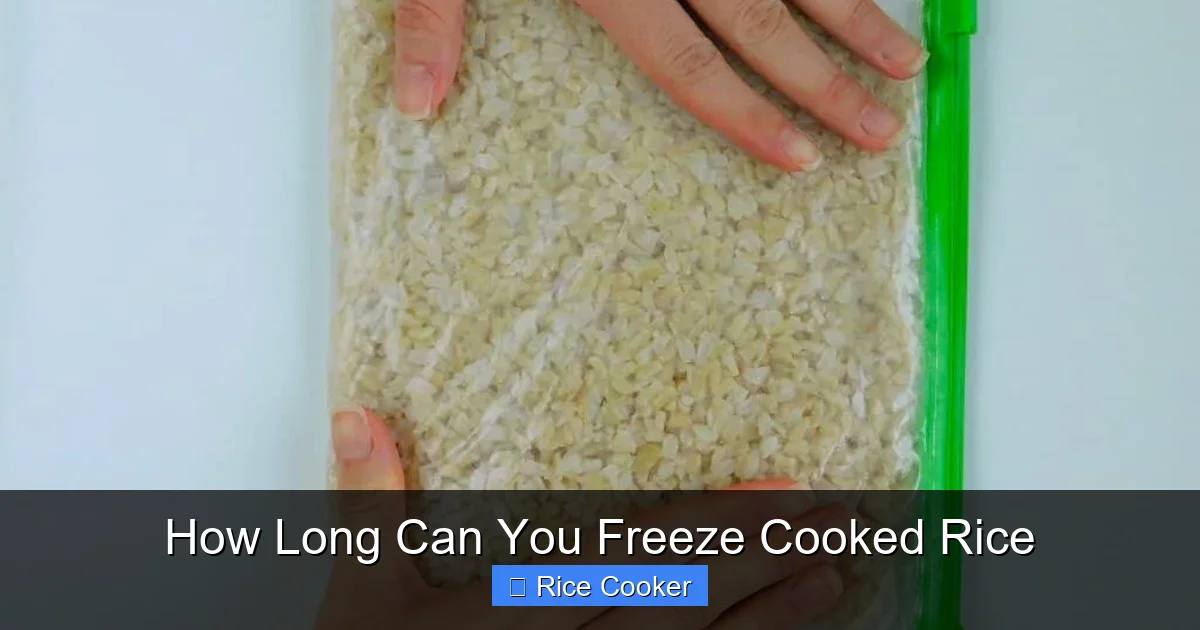
Choose either freezer-safe glass jars with tight lids or heavy-duty plastic bags rated for freezing. If using bags, squeeze out as much air as possible before sealing. You can also use vacuum-sealed bags for maximum protection against freezer burn.
Step 4: Label Everything
Write the date and contents on a waterproof label or use masking tape that won’t peel off in the cold. Trust us—you’ll thank yourself later when you forget whether that batch of brown rice is from last Tuesday or last Tuesday six months ago.
Step 5: Freeze Flat
If using bags, lay them flat in the freezer so they stack neatly and take up minimal space. This also helps with even freezing and quicker thawing later.
Thawing and Reheating Frozen Cooked Rice
You’ve made it this far—now comes the fun part: eating it! But how do you bring frozen rice back to life without turning it into paste?
Safety First: Never Thaw at Room Temperature
Leaving rice on the counter allows bacteria to multiply rapidly in the “danger zone” (40°F–140°F). Instead, always thaw in the refrigerator overnight. For faster results, place the sealed container in cold water, changing the water every 30 minutes until thawed.
Reheating Methods
Once thawed, rice can be reheated in several ways:
- Stovetop: Add a splash of water or broth to a saucepan, bring to a simmer, and cover for 5–7 minutes while stirring occasionally.
- Microwave: Place rice in a microwave-safe bowl, cover with a damp paper towel, and heat in 30-second intervals until warm throughout.
- From Frozen: No need to thaw! Just add a tablespoon of liquid per cup of rice and reheat on the stovetop or in the microwave. Cover to retain moisture.
Fluff and Refresh
After reheating, fluff with a fork and add a pat of butter or a drizzle of olive oil to restore creaminess. A pinch of salt can also help revive faded flavors.
Types of Rice and Their Freezing Performance
Not all rice is created equal when it comes to freezing. Some varieties hold up better than others.
White Rice
Short-grain white rice freezes exceptionally well. Its starchy interior becomes soft and clingy, making it perfect for dishes like risotto or fried rice. Because it’s refined, it resists drying out longer than whole grains.
Brown Rice
Brown rice contains more fiber and oils, which can go rancid over time—even in the freezer. Still, it freezes safely for up to 3 months. After that, flavor degradation and texture changes become noticeable.
Basmati and Jasmine Rice
These aromatic long-grain varieties lose some fragrance when frozen. They also tend to separate more upon reheating. Best used within 2 months if you want to preserve their signature scent and texture.
Instant or Pre-Cooked Rice
Most instant rice packets are designed to be eaten cold or reheated quickly. They freeze well but may become overly firm if stored too long. Stick to 1–2 months for best results.
Myths About Freezing Cooked Rice
There are plenty of misconceptions floating around about freezing rice. Let’s clear them up.
Myth #1: Rice Can’t Be Refrozen After Thawing
False! If you thaw rice properly in the fridge and plan to use it within 3–4 days, it’s perfectly safe to refreeze. Just make sure it hasn’t been sitting out at room temperature for more than two hours.
Myth #2: Freezing Kills Bacteria
Incorrect. Freezing stops bacterial growth but doesn’t kill harmful microbes. Proper cooking and storage are essential to ensure safety.
Myth #3: All Rice Must Be Used Within 2 Days Unfrozen
Not true. While refrigerated cooked rice should be used within 4–6 days, freezing extends usability far beyond that—as long as you follow best practices.
Myth #4: Rice Loses Nutrients When Frozen
Nutrient loss during freezing is minimal compared to other cooking methods like boiling or microwaving. In fact, flash-freezing preserves vitamins better than slow refrigeration.
Creative Ways to Use Frozen Cooked Rice
Don’t let frozen rice sit in the back of your freezer forever. Here are some delicious ideas:
- Fried Rice: Sauté with eggs, vegetables, soy sauce, and protein for a quick dinner.
- Rice Pudding: Combine with milk, cinnamon, and sugar, then bake until creamy.
- Sushi Rolls: Thaw and season with rice vinegar for homemade sushi.
- Casseroles: Mix into mac and cheese, shepherd’s pie, or lasagna layers.
- Breakfast Bowls: Top with avocado, beans, salsa, and scrambled eggs for a hearty morning meal.
Signs Your Frozen Rice Has Gone Bad
Knowing when to toss rice is just as important as knowing how to store it.
- Off Odor: If it smells sour, musty, or chemically, discard it immediately.
- Discoloration: Grayish or green tints indicate bacterial or mold growth.
- Hard Texture: While some firmness is normal, rock-hard rice suggests severe freezer burn.
- Unusual Taste: Blandness or bitterness means it’s past its prime.
If in doubt, throw it out. Food poisoning is no joke.
Environmental and Economic Benefits of Freezing Rice
Beyond convenience, freezing cooked rice offers real-world advantages.
- Reduces Waste: Up to 40% of food gets thrown away in U.S. households. Freezing extends shelf life dramatically.
- Saves Money: Buying rice in bulk and portioning it out reduces cost per serving.
- Lowers Carbon Footprint: Less food waste means fewer resources used in production, transport, and disposal.
Final Thoughts: Should You Freeze Cooked Rice?
Absolutely—if done right. Freezing cooked rice is one of the simplest, most effective ways to manage leftovers, streamline meal prep, and reduce waste. With proper cooling, packaging, and timing, you can enjoy flavorful, textured rice for months.
Just remember: quality drops after four months, and safety hinges on proper handling. Treat each batch like a gift—wrap it tight, label it clearly, and respect its limits.
Next time you cook a big pot of rice, think twice before tossing half of it. With this guide, you’re ready to freeze, store, and serve like a pro.
Frequently Asked Questions
How long does cooked rice last in the refrigerator?
Cooked rice should be consumed within 4–6 days when refrigerated at 40°F or below. Past this, bacteria like Bacillus cereus can grow and cause foodborne illness.
Can you freeze rice in glass containers?
Yes, but only use containers labeled “freezer-safe.” Glass expands and contracts with temperature changes, so avoid regular mason jars unless specifically rated for freezing.
Will freezing change the nutritional value of rice?
Freezing causes minimal nutrient loss. Most vitamins and minerals remain intact, though prolonged storage may slightly reduce certain antioxidants over time.
How do I prevent freezer burn on frozen rice?
Use airtight containers or vacuum-sealed bags, remove as much air as possible, and avoid storing rice near strong-smelling foods that can transfer odors.
Can I freeze rice in aluminum foil?
Not recommended. Aluminum isn’t food-safe for long-term storage and can leach metals. Use glass, stainless steel, or thick plastic instead.
Is it okay to freeze rice that already has oil or butter added?
Yes, but oil can oxidize over time, leading to off-flavors. For best results, add fats during reheating instead of storing them together.