
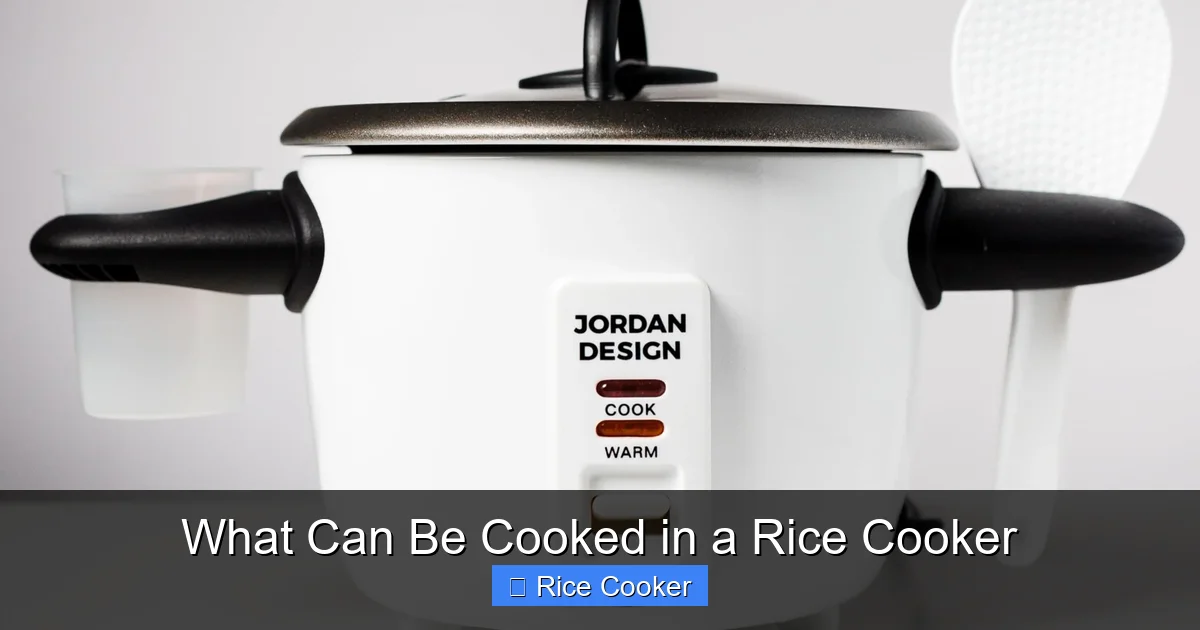
Your rice cooker is more than just for rice. With the right ingredients and techniques, you can make everything from fluffy quinoa to tender chicken and even steamed desserts. It’s a versatile kitchen appliance that simplifies cooking and saves time. Whether you’re a beginner or an experienced cook, exploring what can be cooked in a rice cooker opens up a world of quick, healthy, and flavorful meals.
Key Takeaways
- Rice cookers are versatile: Beyond rice, they can cook grains, meats, vegetables, soups, and even desserts.
- They simplify meal prep: Use timers and automatic shut-off for hands-free cooking.
- Healthy options abound: Steam vegetables, poach fish, or make overnight oats easily.
- Energy-efficient: Rice cookers use less electricity than ovens or stovetops.
- Great for batch cooking: Cook large portions for meal prep or freezing.
- Easy cleanup: Non-stick inner pots make washing a breeze.
- Perfect for dorm rooms and small kitchens: Compact and portable for any living space.
Quick Answers to Common Questions
Can I cook pasta in a rice cooker?
Yes! Add pasta and boiling water to the cooker, then cook on high for 8–12 minutes until pasta is al dente. Stir occasionally to prevent sticking.
Is it safe to leave a rice cooker on overnight?
Only if it has a built-in keep-warm function. Never leave it unattended without this feature, as it may overheat or burn food.
Can I cook frozen meat in a rice cooker?
It’s not recommended. Frozen meat can create uneven cooking and increase the risk of bacterial growth. Thaw completely before cooking.
Do I need special ingredients for rice cooker baking?
No special ingredients are needed—just standard baking staples like flour, sugar, eggs, and leavening agents. Make sure your cooker pot is grease-free.
How do I prevent rice from becoming mushy?
Use the correct water-to-rice ratio, don’t lift the lid during cooking, and let the rice rest for 5–10 minutes after it finishes. Also, rinse long-grain rice before cooking.
📑 Table of Contents
- What Can Be Cooked in a Rice Cooker?
- Cooking Grains and Cereals
- Steaming Vegetables and Proteins
- Braising and Slow Cooking
- Making Soups and Broths
- Cooking Meat and Poultry
- Baking and Desserts
- Breakfast Ideas
- Cleaning and Maintenance Tips
- Choosing the Right Rice Cooker for Your Needs
- Common Mistakes to Avoid
- Conclusion: Unlock the Full Potential of Your Rice Cooker
What Can Be Cooked in a Rice Cooker?
You probably think of a rice cooker as the appliance that turns raw rice and water into fluffy, golden-brown goodness. And yes—it does that beautifully. But if you stop there, you’re missing out on a kitchen powerhouse. A rice cooker is actually one of the most underappreciated tools in your culinary arsenal. It’s not just for rice anymore.
In fact, modern rice cookers—especially the smart, programmable ones—can do so much more. From steaming vegetables to braising meats, making porridge, or even baking a cake, these devices are quietly revolutionizing home cooking. The secret? Their ability to maintain consistent heat and moisture, which is perfect for a wide range of foods beyond grains. So, what can be cooked in a rice cooker? Let’s explore the incredible versatility of this humble machine and how it can transform your everyday meals.
Cooking Grains and Cereals
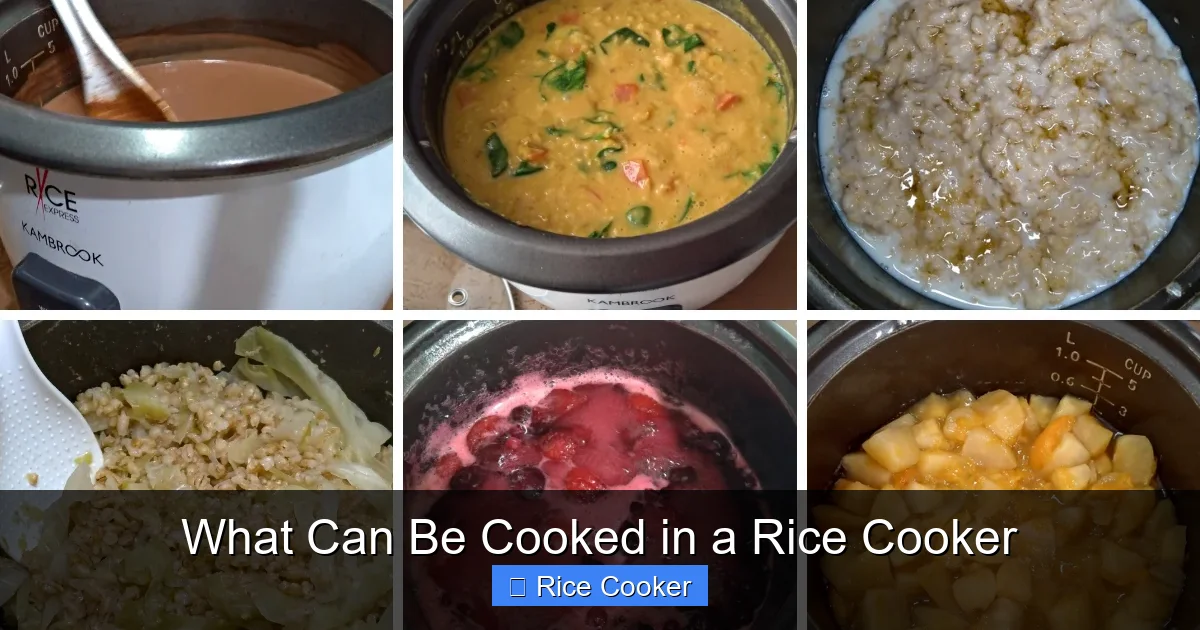
Let’s start with the obvious: rice. But not just white or brown rice—your rice cooker can handle a variety of grains, each requiring slightly different settings. For example, jasmine rice comes out fragrant and separate, while basmati stays light and fluffy. Quinoa? No problem—cook it without sticking, thanks to the non-stick pot.
Visual guide about What Can Be Cooked in a Rice Cooker
Image source: frugalandthriving.com.au
Beyond Rice: Other Grains You Can Cook
Try cooking millet, barley, farro, or even amaranth in your rice cooker. These ancient grains often need longer cooking times, so use the “porridge” or “multigrain” setting if available. A simple tip: rinse grains before cooking to remove excess starch and prevent clumping.
Overnight Oats and Hot Cereals
Want overnight oats or a warm bowl of oatmeal in the morning? Just mix rolled oats, milk (or plant-based milk), and your favorite toppings, set the timer, and wake up to a ready-to-eat breakfast. Some models even have a “slow cook” function for creamy, thick oats.
Tips for Perfect Grains
- Use a 1:1.5 to 1:2 ratio of grain to water (adjust for sticky grains like risotto).
- Let the cooker rest for 5–10 minutes after cooking to finish steaming.
- Add a splash of broth instead of water for extra flavor.
Steaming Vegetables and Proteins
One of the best uses for a rice cooker is steaming. The steam basket accessory (included in most models) makes it easy to cook veggies or fish without losing nutrients. Steaming preserves color, texture, and vitamins better than boiling or frying.
Visual guide about What Can Be Cooked in a Rice Cooker
Image source: png.pngtree.com
Vegetable Staples
Steam broccoli, carrots, green beans, asparagus, or bok choy in just 8–12 minutes. For a complete meal, add the veggies during the last 5 minutes of the main dish’s cooking time. Pro tip: toss steamed vegetables with olive oil, lemon juice, and herbs for a bright side dish.
Poaching Fish and Chicken
Yes, you can poach chicken breasts or fish fillets in your rice cooker. Add aromatics like garlic, ginger, and bay leaves to the water, then place the protein in the steamer basket. Cook for 10–15 minutes depending on thickness. The result? Tender, moist meat every time.
Eggs and Dumplings
Hard-boiled eggs? Easy. Just place them in the steamer basket with the shell on and cook for 12–15 minutes. Want dumplings? Steam frozen potstickers or homemade ones for a quick appetizer or snack.
Braising and Slow Cooking
If your rice cooker has a “slow cook” or “braise” setting, you can make rich, tender stews and curries without a dedicated slow cooker. Browning meat first (in a pan) adds depth, but even un-browned proteins can become fall-apart tender when cooked low and slow in the cooker.
Hearty Stews and Curries
Make a Thai red curry with chicken and coconut milk, or a classic beef stew with potatoes and carrots. The rice cooker locks in moisture and flavors, creating a rich, cohesive dish. Add noodles or rice at the end for a complete meal.
Tips for Braising Success
- Use a tight-fitting lid or foil to seal in steam.
- Add liquids gradually to avoid thinning the sauce.
- Let the dish rest for 10 minutes before serving to allow flavors to meld.
Making Soups and Broths
While not all rice cookers are designed for soup, many can handle it—especially those with a “soup” or “porridge” setting. The key is to use enough liquid and stir occasionally to prevent sticking.
Quick Vegetable Soup
Combine diced tomatoes, onions, carrots, celery, beans, and vegetable broth. Cook on high for 45–60 minutes until vegetables are tender. Season with herbs and spices.
Bone Broth
Simmer chicken or beef bones with vinegar, onions, and garlic for several hours. The rice cooker maintains a steady simmer, extracting collagen and flavor. Strain and store for soups, sauces, or sipping.
Safety Note
Always ensure the rice cooker is designed for soup. Overfilling can cause overflow and damage the unit. Leave at least 1/3 empty space.
Cooking Meat and Poultry
Meat doesn’t belong only on the grill or in the oven. Your rice cooker can cook whole chicken legs, pork chops, or even brisket with surprising results. The moist environment keeps meat juicy and flavorful.
Chicken Thighs and Drumsticks
Season chicken thighs with salt, pepper, and your favorite rub. Place them in the steamer basket over simmering water (add broth for extra flavor). Cook for 25–30 minutes until internal temperature reaches 165°F.
Pork Tenderloin
Slice pork tenderloin into medallions. Sear briefly in a hot pan, then transfer to the rice cooker with a splash of apple cider vinegar and rosemary. Cook on high for 20 minutes. The result: tender, tangy slices perfect for salads or sandwiches.
Ground Meat Dishes
Cook spaghetti sauce, chili, or taco meat in the rice cooker. Brown ground beef or turkey in a skillet first, then add tomatoes, beans, and spices to the cooker. Simmer for 30–45 minutes.
Baking and Desserts
Yes, you can bake in a rice cooker! With the right recipe and a little creativity, you can make cakes, breads, and even cookies. The enclosed environment helps trap heat, acting like a mini oven.
Simple Rice Cooker Cakes
Mix flour, sugar, eggs, and melted butter. Pour into a greased cooker pot and cook on high for 25–30 minutes. Test with a toothpick—if it comes out clean, it’s done. Top with fruit or frosting.
Mug Cake Upgrade
Take your favorite mug cake recipe and scale it up. Use a heat-safe bowl placed inside the cooker with a lid above it (use two bowls to create a makeshift double boiler). Steam for 20–25 minutes.
Banana Bread
Mash bananas, mix with flour, sugar, egg, and baking soda. Cook on high for 45–50 minutes. The result is soft, moist bread with a caramelized crust. Let cool before slicing.
Dessert Tips
- Grease the pot well to prevent sticking.
- Use heat-resistant utensils and containers.
- Check halfway through cooking to avoid overbaking.
Breakfast Ideas
Start your day right with rice cooker breakfasts. These recipes are hands-off and perfect for busy mornings.
Oatmeal and Creamy Porridge
Combine oats, milk, cinnamon, and a pinch of salt. Set the timer and return to a warm, creamy breakfast. Top with nuts, berries, or honey.
Frittatas and Savory Egg Dishes
Bake a frittata with spinach, cheese, and tomatoes. Pour egg mixture into a greased pot and cook on high for 20–25 minutes. Cut into wedges and serve warm.
French Toast Casserole
Layer cubed bread with cinnamon, vanilla, and milk. Cook on high for 40–50 minutes. Serve with maple syrup and fresh fruit.
Smoothie Bowls
Blend frozen fruit, yogurt, and a banana. Pour into the rice cooker and cook on low for 15–20 minutes until thickened. Top with granola and seeds.
Cleaning and Maintenance Tips
To keep your rice cooker in top shape, follow these cleaning tips:
- Always unplug and let it cool before cleaning.
- Wash the inner pot with warm, soapy water. Avoid abrasive scrubbers.
- Wipe the exterior and lid with a damp cloth.
- Check the steam vent regularly and remove any food debris.
- Store with the lid off to air dry completely.
Choosing the Right Rice Cooker for Your Needs
Not all rice cookers are created equal. When shopping, consider size, features, and durability.
Capacity Matters
A 3-cup model works for singles or couples. A 6–10 cup model is ideal for families or meal prepping. Choose based on how many people you usually cook for.
Features to Look For
- Multiple settings (rice, porridge, soup, steam, bake)
- Keep-warm function
- Timer and delay start
- Non-stick inner pot
- Transparent lid with steam vent
Top Brands
Zojirushi, Panasonic, and Instant Pot are known for quality and reliability. Read reviews and compare warranties before buying.
Common Mistakes to Avoid
Even experienced cooks make these errors. Here’s how to avoid them:
- Overfilling: Always leave room for expansion, especially when cooking soups or baking.
- Skipping the rinse: Rinsing grains removes excess starch and prevents gunk buildup.
- Using the wrong ratio: Too much water leads to mush; too little causes dryness.
- Opening the lid too often: This lets heat escape and extends cooking time.
- Ignoring the keep-warm setting: It prevents burnt bottoms and keeps food at safe temperatures.
Conclusion: Unlock the Full Potential of Your Rice Cooker
So, what can be cooked in a rice cooker? The answer is: almost anything. From fluffy rice and tender meats to hearty soups and sweet desserts, this versatile appliance does it all. It’s not just a shortcut—it’s a smarter way to cook.
Whether you’re preparing a weeknight dinner, meal-prepping for the week, or whipping up a surprise dessert, your rice cooker is ready to help. Experiment with new recipes, try steaming veggies, or bake a cake—there’s no limit to what you can achieve. And the best part? It’s easy, energy-efficient, and requires minimal cleanup.
Next time you reach for your rice cooker, remember: it’s not just for rice. It’s a multi-functional kitchen companion waiting to transform your meals. Start exploring today, and discover how much fun and flavor you can pack into one simple appliance.
Frequently Asked Questions
===
Can I cook lentils in a rice cooker?
Yes, lentils cook quickly in a rice cooker—usually in 15–20 minutes. Use a 1:2 ratio of lentils to water and avoid overcooking to keep them firm.
Is a rice cooker better than a slow cooker?
It depends on the recipe. A rice cooker excels at steaming and quick-cooking grains, while a slow cooker is better for long, slow braises. Many people use both for different tasks.
Can I cook rice and steam vegetables at the same time?
Absolutely! Use the steamer basket for veggies and place rice in the main pot. Start both together—veggies usually take less time, so add them near the end.
How do I clean a stuck-on rice cooker pot?
Soak the pot in warm, soapy water with a few drops of dish soap for 30 minutes. Gently scrub with a non-abrasive sponge. Avoid metal scouring pads.
Can I use a rice cooker to make yogurt?
Some advanced models have a yogurt setting, but it’s rare. Most rice cookers aren’t designed for fermentation. For best results, use a dedicated yogurt maker or Instant Pot.
What should I do if my rice cooker stops working?
First, check if it’s unplugged or if the fuse blew. If it still doesn’t work, inspect the cord and switch. If damaged, contact the manufacturer for repair or replacement.