
A rice cooker is far more than just a device for cooking rice. With its simple one-pot design and precise temperature control, it’s a versatile kitchen tool that can prepare grains, beans, soups, desserts, and even yogurt with minimal effort. Whether you’re meal prepping or whipping up a quick dinner, your rice cooker opens up a world of possibilities beyond white or brown rice.
Key Takeaways
- Versatility: A rice cooker can cook more than 20 different types of food, including grains, legumes, soups, and desserts.
- Time-saving: Most recipes require little to no active cooking time—just add ingredients and press start.
- Nutritious options: Cook quinoa, lentils, oats, and whole grains for healthier, fiber-rich meals.
- Hands-off convenience: Set it and forget it—ideal for busy lifestyles or overnight cooking.
- Budget-friendly: Eliminate the need for multiple appliances by using one device for diverse meals.
- Easy cleanup: Non-stick inner pots make washing up a breeze.
- Creative recipes: Try banana bread, chia pudding, or even yogurt in your rice cooker.
[FEATURED_IMAGE_PLACEHOLDER]
Your rice cooker isn’t just for fluffy white rice—it’s a powerhouse kitchen appliance capable of transforming everyday ingredients into wholesome, delicious meals with minimal effort. Whether you’re preparing breakfast, lunch, dinner, or dessert, this unassuming countertop gadget has quietly become a must-have for home cooks, college students, and busy families alike. From steaming vegetables to baking moist cakes, the rice cooker’s ability to regulate temperature and maintain consistent heat makes it ideal for a wide range of cooking methods. In fact, many modern models come with programmable settings, delay timers, and even steam functions that further expand their utility. So, what can you actually cook in a rice cooker besides rice? The answer is: nearly anything that benefits from moist, even heating.
Imagine waking up to warm oatmeal, coming home to a perfectly cooked pot of chili, or enjoying a slice of homemade banana bread after work—all without standing over the stove. That’s the magic of a rice cooker. It’s not about replacing traditional cooking methods entirely, but rather enhancing your culinary toolkit with a device that does the heavy lifting while you focus on other things. And the best part? You don’t need to be a chef to master these techniques. With a few basic tips and recipe ideas, your rice cooker can become your go-to appliance for healthy, tasty, and stress-free meals.
Key Takeaways
- Understanding what can you cook in a rice cooker besides rice: Provides essential knowledge
Quick Answers to Common Questions
Can I cook pasta in a rice cooker?
Yes, but it requires a specific method. Add pasta and boiling water to the cooker, then cook on high for 8–10 minutes, stirring occasionally. Drain excess water before serving.
Is it safe to leave a rice cooker unattended overnight?
Most modern rice cookers have automatic shut-off and keep-warm functions, making them safe for short periods. However, never leave any electrical appliance running for extended periods without supervision.
Can I use my rice cooker to make coffee?
No, not effectively. While some people try, coffee grounds can clog filters and damage the appliance. Stick to dedicated coffee makers for the best results.
What’s the difference between a regular rice cooker and a pressure cooker rice cooker?
A pressure cooker rice cooker combines high pressure with moist-heat cooking, allowing faster cooking times for tough grains and stews. Regular models rely solely on steam and convection.
Can I cook meat in a rice cooker?
Absolutely. Brown meat first, then add it to the cooker with liquid and seasonings. Cook on high for 30–60 minutes depending on the cut.
📑 Table of Contents
Cooking Grains and Legumes Beyond Rice
While rice is the classic use case, your rice cooker can handle a variety of grains and legumes with ease. These staples are not only nutritious but also incredibly filling, making them perfect for building balanced meals.
Quinoa and Other Ancient Grains
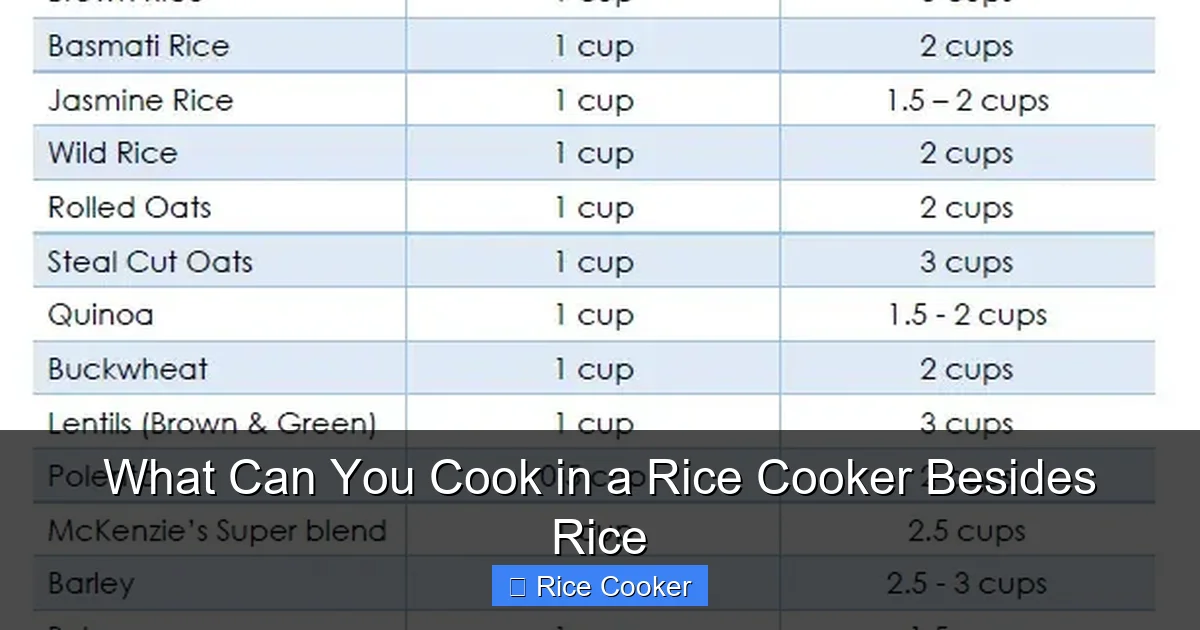
Quinoa is one of the most popular alternatives to rice, and it’s easy to cook in a rice cooker. Use a 1:2 ratio of quinoa to water (or broth for extra flavor) and set your cooker to the “grain” setting if available. Cook time is typically around 15–18 minutes. Quinoa becomes fluffy and slightly chewy, making it a great base for bowls, salads, or side dishes. You can also try barley, farro, or amaranth—each adds unique texture and nutrients.
Lentils and Beans
Yes, you can cook dried lentils and beans in a rice cooker! For lentils, use a 1:3 ratio of lentils to water and cook for about 20–25 minutes. Split or red lentils work best as they break down slightly, creating a creamy texture. For beans like black beans or chickpeas, soak them overnight first, then cook with a 1:3 ratio for 45–60 minutes. This method saves time compared to stovetop boiling and ensures even cooking.
Oats and Porridge
Breakfast lovers will appreciate how well rice cookers handle oats. Simply combine rolled oats with milk or water (try a mix for creaminess), add a pinch of salt, and cook on the “porridge” or manual setting for 20–30 minutes. Stir occasionally if your model allows. Top with fruits, nuts, or honey for a satisfying morning meal.
Tips for Cooking Grains
– Always rinse grains before cooking to remove excess starch.
– Use broth instead of water for richer flavor.
– Let the cooker keep food warm for up to 12 hours—perfect for meal prep.
– Experiment with spices like turmeric or cinnamon for added taste.
One-Pot Meals and Stews
Visual guide about What Can You Cook in a Rice Cooker Besides Rice
Image source: i.pinimg.com
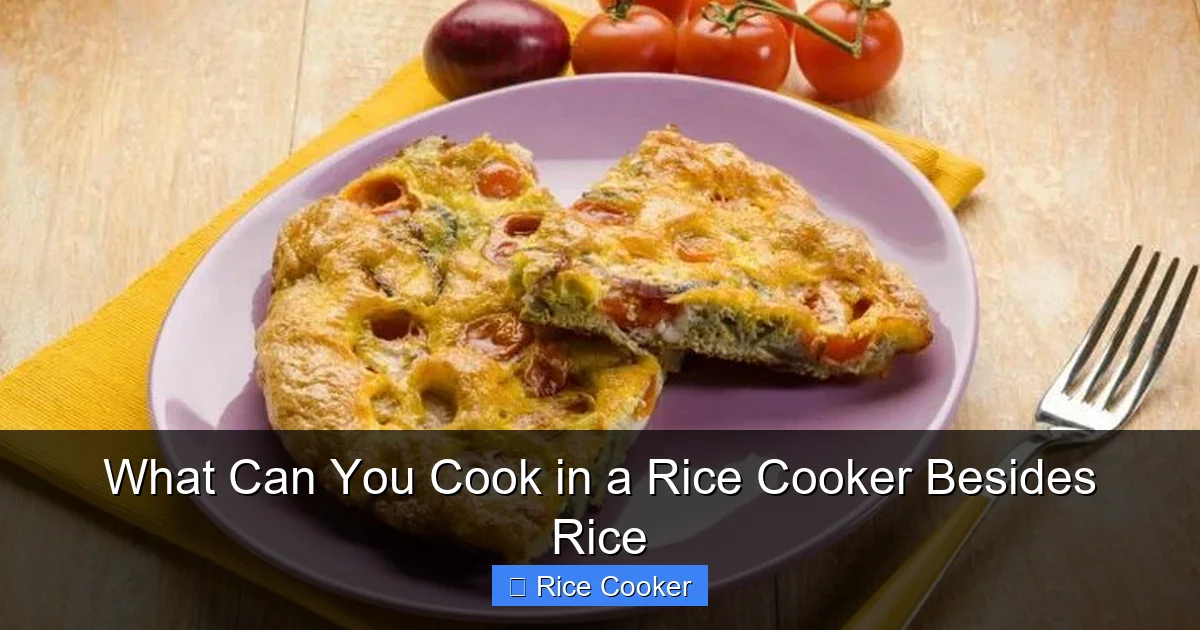
The rice cooker shines when it comes to one-pot meals. Its sealed environment traps steam and flavors, creating tender, aromatic dishes that simmer gently without constant attention.
Hearty Vegetable Stews
Build a colorful stew by layering ingredients: start with onions and garlic, add diced carrots, celery, potatoes, and tomatoes. Pour in vegetable or chicken broth, season with herbs like thyme or rosemary, and let it cook for 30–40 minutes on high. Add leafy greens in the last 5 minutes for freshness. Serve over quinoa or crusty bread for a complete meal.
Beef or Chicken Chili
Brown ground beef or shredded chicken in a pan before adding it to the rice cooker. Combine with kidney beans, diced tomatoes, corn, chili powder, cumin, and a splash of beer or broth. Cook on high for 45–60 minutes. The result is a thick, flavorful chili with minimal cleanup.
Curries and Braised Dishes
Make Indian-inspired curries by sautéing onions, ginger, and garlic in oil, then adding coconut milk, curry paste, and cubed vegetables or protein. Simmer for 30 minutes. The rice cooker’s gentle heat helps meld flavors beautifully.
Tips for One-Pot Cooking
– Add liquids first, then solids, to prevent sticking.
– Avoid overfilling—stick to two-thirds of the inner pot.
– Stir ingredients midway if possible (some models have stir functions).
– Use a timer to delay cooking until you’re ready to eat.
Desserts and Baked Goods
Visual guide about What Can You Cook in a Rice Cooker Besides Rice
Image source: superhealthykids.com
Who knew your rice cooker could bake? Thanks to its consistent heat distribution, it’s perfect for creating moist, tender desserts with minimal effort.
Banana Bread
Mash ripe bananas, mix with eggs, melted butter, sugar, flour, baking soda, and a dash of vanilla. Pour into a greased insert and cook on high for 50–60 minutes. Test with a toothpick—it should come out clean. The result is a soft, fragrant loaf that rivals store-bought versions.
Chia Pudding
Combine chia seeds with almond milk, maple syrup, and vanilla extract. Let sit for 10 minutes, then stir. Cook on low for 15–20 minutes, stirring occasionally, until thickened. Chill before serving with fresh fruit.
Rice Pudding
A comforting classic, rice pudding is easy to make in a rice cooker. Mix uncooked rice with milk, sugar, cinnamon, and a pinch of salt. Cook on high for 30–40 minutes, stirring occasionally. The rice absorbs the milk, creating a creamy, luscious dessert.
Tips for Baking in a Rice Cooker
– Grease the insert thoroughly to prevent sticking.
– Don’t open the lid during cooking to maintain temperature.
– Use a cake tester to check doneness.
– Clean the insert immediately after use to avoid residue buildup.
Steaming and Healthy Side Dishes
Many rice cookers come with a steaming tray, making them ideal for preparing vegetables, dumplings, and even fish.
Steamed Vegetables
Place broccoli, cauliflower, green beans, or asparagus in the steamer basket. Add water to the main pot, cover, and steam for 8–12 minutes. Season with olive oil, lemon juice, or a sprinkle of salt and pepper.
Dumplings and Buns
Steam frozen or homemade dumplings for 10–15 minutes. The gentle heat keeps them tender without overcooking.
Fish and Seafood
Place a piece of salmon or cod in the steamer basket, season with soy sauce, ginger, and scallions. Steam for 8–10 minutes until flaky.
Tips for Steaming
– Always use the steamer basket to avoid direct contact with water.
– Fill the main pot with just enough water to create steam.
– Check food frequently to prevent overcooking.
Fermented Foods and Yogurt
Yes, your rice cooker can help ferment foods too! While not all models have fermentation settings, the warm, stable environment is perfect for cultures like yogurt or sourdough starter.
Homemade Yogurt
Heat milk to 180°F (82°C) to kill bacteria, cool to 110°F (43°C), then add yogurt starter or culture. Pour into jars and place in the rice cooker. Use the “warm” or “keep warm” setting for 8–12 hours. The result is rich, tangy yogurt—store-bought versions never tasted so good.
Sourdough Starter
Maintain your sourdough starter by feeding it daily and keeping it at room temperature or in the rice cooker on low warmth. It’s a great way to ensure consistent fermentation.
Kombucha or Kefir
Some users ferment kombucha scoby or kefir grains in the rice cooker using the warm setting. Monitor closely to avoid over-fermentation.
Tips for Fermentation
– Sanitize all containers and utensils.
– Use distilled or filtered water to avoid contaminants.
– Keep a log of temperatures and times for consistency.
Meal Prep and Batch Cooking
The rice cooker is a dream for meal preppers. Its large capacity and programmable features allow you to cook multiple portions at once.
Batch Cooking Grains
Cook a big pot of brown rice, quinoa, or farro at the start of the week. Portion into containers and refrigerate or freeze for quick meals.
Overnight Oats
Combine oats, milk, yogurt, and fruit in the insert. Set the timer to cook overnight on low. Wake up to ready-to-eat oats.
Protein-Rich Bowls
Prepare grains, roasted vegetables, and grilled chicken in separate batches. Reheat together in the rice cooker with a splash of broth to revive moisture.
Tips for Meal Prep
– Label containers with dates and contents.
– Store cooked food in airtight containers.
– Reheat with a bit of liquid to prevent dryness.
Frequently Asked Questions
Can I cook soup in a rice cooker?
Yes, rice cookers are excellent for soups. Just ensure there’s enough liquid and cook on high for 30–60 minutes, stirring occasionally. Add delicate ingredients like spinach in the last few minutes.
How do I clean my rice cooker after cooking beans?
Soak the insert immediately in warm, soapy water to loosen residue. Use a non-abrasive sponge to scrub gently. Avoid metal utensils that can scratch the non-stick surface.
Can I cook frozen vegetables in a rice cooker?
Yes, but add them toward the end of cooking time. Frozen veggies may require extra liquid and longer steaming time—start checking after 10 minutes.
Is it okay to cook acidic foods like tomatoes in a rice cooker?
Yes, but prolonged exposure to acid may affect stainless steel components over time. For long-term use, stick to neutral or alkaline ingredients.
Can I make risotto in a rice cooker?
It’s possible, but traditional risotto requires constant stirring to release starch. A rice cooker version will be creamier but less authentic. Use arborio rice and stir occasionally if your model allows.
What should I do if my rice cooker stops mid-cycle?
Unplug it immediately and let it cool. Check if it’s overfilled or if the heating plate is dirty. Consult the manual—most models have safety mechanisms to prevent burning.
In conclusion, your rice cooker is far more than a one-trick pony. With a little creativity and the right ingredients, it can transform into a versatile kitchen companion capable of preparing everything from nutritious grains and hearty stews to sweet desserts and fermented treats. By exploring these alternative uses, you not only save time and energy but also reduce the number of appliances cluttering your kitchen. Whether you’re a beginner cook or a seasoned home chef, unlocking the full potential of your rice cooker opens up endless culinary possibilities. So next time you reach for your appliance, remember: the humble rice cooker is ready for much more than just rice.