
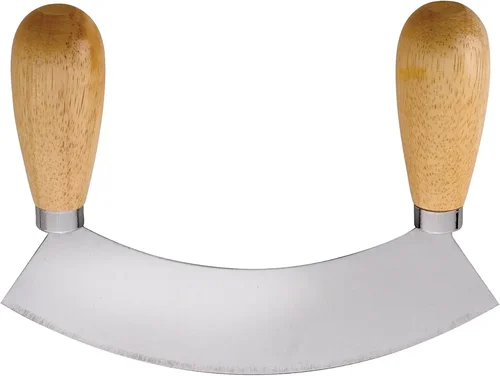
When it comes to chopping fresh herbs with precision, speed, and minimal effort, few kitchen tools are as effective—or as satisfying to use—as a mezzaluna knife. This crescent-shaped blade, often paired with a wooden or plastic handle on either end, has been a staple in Mediterranean and Italian kitchens for generations. Whether you’re mincing basil for pesto, dicing parsley for a salad, or finely chopping cilantro for salsa, the mezzaluna’s rocking motion allows for quick, even cuts without bruising delicate leaves. But with so many options on the market—ranging from budget-friendly models to high-end, handcrafted versions—choosing the right one can feel overwhelming.
That’s where this guide comes in. Whether you’re a home cook looking to upgrade your herb prep routine or a culinary enthusiast seeking a reliable, long-lasting tool, we’ve done the research so you don’t have to. In this comprehensive buying guide, you’ll learn everything you need to know about mezzaluna knives: how they work, what separates a good one from a great one, and which models offer the best value for your needs. We’ll walk you through key factors like blade material, handle design, size, and ergonomics, and help you avoid common pitfalls that lead to disappointing purchases. By the end, you’ll have the confidence to choose a mezzaluna that fits your cooking style, budget, and kitchen setup.
The mezzaluna market has evolved significantly in recent years. While traditional single-blade models remain popular, modern innovations include double-blade designs for faster chopping, ergonomic handles for better grip, and even stainless steel or ceramic blades for enhanced durability and sharpness retention. Brands like Wüsthof, OXO, Kyocera, and Mercer Culinary now offer a range of options catering to everyone from casual cooks to professional chefs. With prices ranging from under $15 to over $100, there’s a mezzaluna for every budget—but not all are created equal. This guide will help you navigate the choices and find the perfect balance of performance, comfort, and value.
What to Look for When Buying Buying Guide
1. Blade Material and Sharpness
The blade is the heart of any mezzaluna, and its material directly impacts performance, durability, and maintenance. Most mezzalunas feature blades made from stainless steel, high-carbon steel, or ceramic. Stainless steel is the most common—it’s rust-resistant, easy to clean, and holds a decent edge. High-carbon steel offers superior sharpness and edge retention but requires more care to prevent rust and discoloration. Ceramic blades are extremely sharp and retain their edge longer than metal, but they’re brittle and can chip if dropped or used on hard surfaces.
When evaluating sharpness, look for a blade that’s precision-ground and honed to a fine edge. A dull blade will crush herbs instead of cutting them, resulting in a mushy, unappetizing texture. Some premium models come pre-sharpened and include sharpening instructions or compatible sharpening tools. If you’re buying online, check customer reviews for mentions of blade quality—many users report whether the knife arrives sharp or needs immediate honing.
2. Blade Design: Single vs. Double Blade
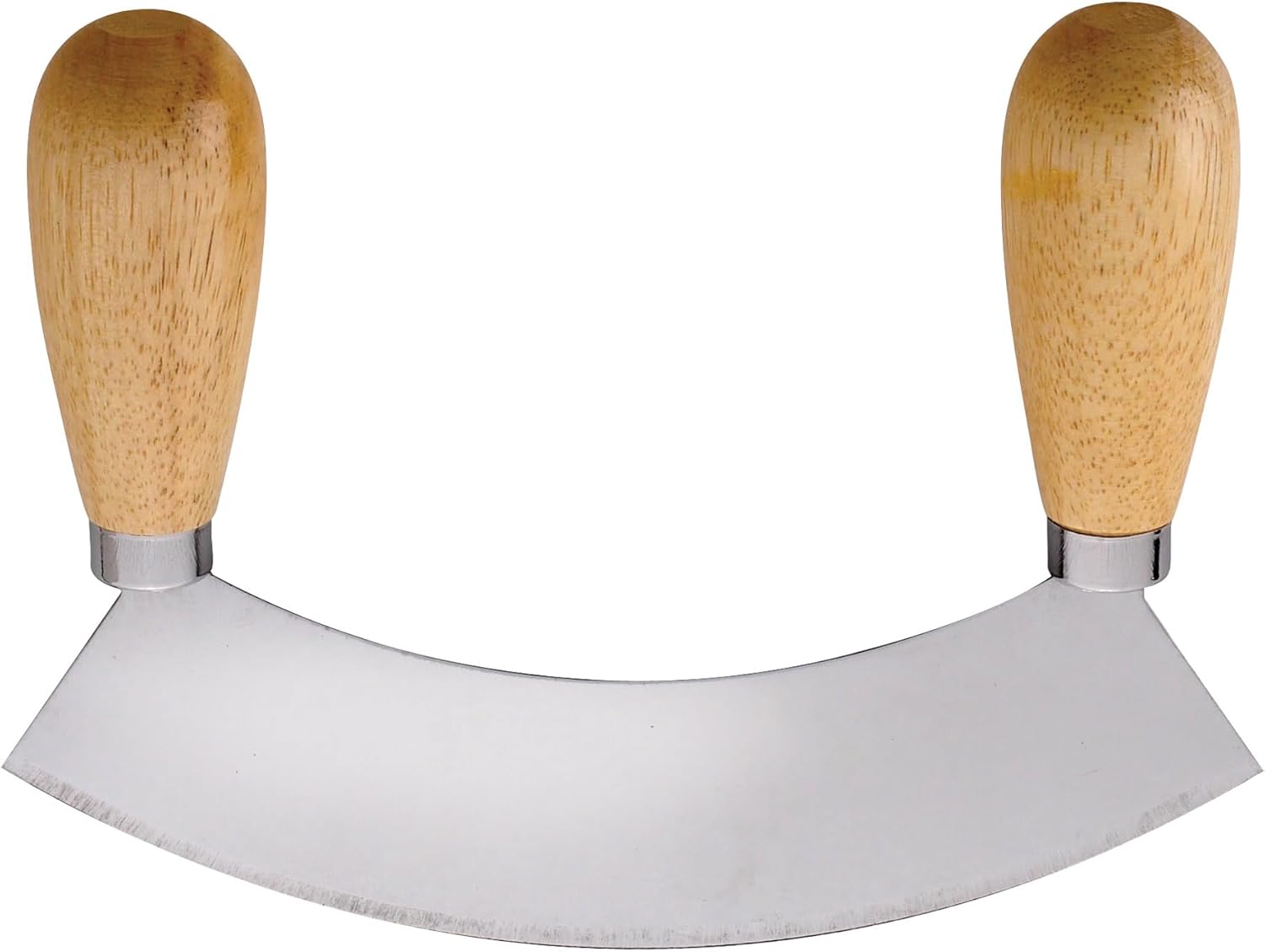
Mezzaluna knives come in two primary designs: single-blade and double-blade. Single-blade models feature one curved blade and are ideal for smaller tasks like chopping a handful of basil or parsley. They’re lightweight, easy to control, and great for beginners. Double-blade mezzalunas, on the other hand, have two parallel blades spaced slightly apart, allowing you to chop larger quantities more efficiently. The dual blades create a scissor-like action that reduces the number of passes needed, making them perfect for preparing large batches of herbs or making pesto.
Consider your typical usage. If you cook frequently and often use fresh herbs, a double-blade model can save time and effort. However, double-blade knives are generally heavier and may require more wrist strength. They also tend to be more expensive. For occasional use or small kitchens, a single-blade mezzaluna is often the better choice.
3. Handle Ergonomics and Grip
Since mezzaluna knives rely on a rocking motion, comfort and grip are crucial. Look for handles that are ergonomically shaped and made from non-slip materials like rubber, silicone, or textured plastic. Wooden handles offer a classic look and natural feel but can become slippery when wet. Some models feature contoured grips or finger grooves to reduce hand fatigue during extended use.
The length and balance of the handles also matter. Longer handles provide better leverage and control, especially for double-blade models. If you have small hands or limited wrist mobility, opt for a lighter knife with shorter, well-padded handles. Test the weight distribution—some mezzalunas feel front-heavy due to a thick blade, which can strain your wrists over time.
4. Size and Blade Length
Mezzaluna blades typically range from 6 to 12 inches in length. Shorter blades (6–8 inches) are ideal for small tasks and compact kitchens, offering greater maneuverability and precision. They’re perfect for chopping herbs directly in a bowl or on a small cutting board. Longer blades (10–12 inches) cover more surface area and are better suited for larger volumes, such as when preparing ingredients for a family meal or catering event.
Consider your typical herb quantities and available counter space. A 10-inch blade strikes a good balance for most home cooks, providing ample chopping power without being unwieldy. If you frequently prepare large quantities or work in a professional kitchen, a 12-inch model may be worth the extra space it occupies.
5. Build Quality and Durability
A well-built mezzaluna should feel solid and balanced in your hands. Check for seamless construction between the blade and handles—loose or wobbly parts are a red flag. High-quality models often feature full-tang construction, where the blade extends through the entire handle for added strength. This design reduces the risk of the blade detaching over time.
Materials matter too. Stainless steel blades with a high chromium content (18/10 or 18/8) resist corrosion and staining. Handles should be securely riveted or molded to the blade. Avoid cheap plastic handles that can crack or warp with repeated use and washing. Look for dishwasher-safe options if convenience is a priority, though hand washing is generally recommended to preserve blade sharpness and handle integrity.
6. Ease of Cleaning and Maintenance
After chopping aromatic herbs like rosemary or garlic, residual oils and particles can cling to the blade and handles. A mezzaluna that’s easy to clean will last longer and perform better. Smooth, seamless designs with minimal crevices are easiest to wipe down. Some models are dishwasher safe, but hand washing with mild soap and warm water is always safer for the blade edge.
Maintenance also includes sharpening. While some mezzalunas come with built-in sharpeners or compatible tools, others require a whetstone or honing rod. Ceramic blades, in particular, need specialized sharpening equipment. Consider how much maintenance you’re willing to do—low-maintenance stainless steel blades are ideal for casual users, while high-carbon steel may appeal to those who enjoy knife care as part of their cooking ritual.
7. Brand Reputation and Customer Support
Established brands like Wüsthof, OXO, and Kyocera have built reputations for quality and reliability. These companies often invest in rigorous testing, offer better warranties, and provide responsive customer service. While lesser-known brands can offer good value, they may lack consistent quality control or long-term support.
Check for warranty coverage—most reputable brands offer at least a 1-year warranty, with some extending to lifetime coverage on defects. Read customer service reviews to see how quickly issues are resolved. A brand that stands behind its products is more likely to deliver a durable, high-performing mezzaluna.
8. Price vs. Value
Price doesn’t always correlate with performance. A $20 mezzaluna from a trusted brand can outperform a $50 model from an unknown manufacturer. Focus on value—what you’re getting for your money. A mid-range knife ($30–$60) often offers the best balance of quality materials, ergonomic design, and durability. Premium models ($70+) may include advanced features like laser-honed edges, full-tang construction, or ergonomic handles, but they’re only worth it if you use the tool frequently.
Avoid the cheapest options (under $15), as they often use thin, poorly tempered blades and flimsy handles that wear out quickly. Investing a little more upfront can save you money in the long run by reducing the need for replacements.
Different Types of Buying Guide

Common Buying Mistakes to Avoid
❌ Mistake: Choosing Based on Price Alone
Why it’s bad: Opting for the cheapest mezzaluna often means sacrificing blade quality, handle durability, and overall performance. Thin, poorly tempered blades dull quickly and may bend or chip with use. Flimsy handles can crack, making the tool unsafe and uncomfortable.
What to do instead: Focus on value, not just cost. A mid-range model from a reputable brand often delivers better long-term performance than a bargain-bin option. Look for features like full-tang construction, ergonomic handles, and high-quality steel—even if it means spending $10–$20 more.
❌ Mistake: Ignoring Handle Comfort
Why it’s bad: A poorly designed handle can cause hand fatigue, slipping, or even injury during use. Wooden handles may look nice but can become slippery when wet, while overly rigid plastic can dig into your palms.
What to do instead: Prioritize ergonomics. Choose handles with non-slip grips, contoured shapes, and adequate padding. If possible, test the knife in-store or read detailed reviews that mention comfort during extended use.
❌ Mistake: Overlooking Blade Maintenance Needs
Why it’s bad: Some materials, like high-carbon steel or ceramic, require specific care. Using the wrong cleaning method or sharpening tool can damage the blade or void the warranty.
What to do instead: Match the blade material to your maintenance willingness. Stainless steel is low-maintenance and ideal for most users. If you choose ceramic, invest in a ceramic sharpening rod. Always hand wash and dry immediately to prevent corrosion or chipping.
❌ Mistake: Buying a Double-Blade for Small Tasks
Why it’s bad: Double-blade mezzalunas are heavier and less maneuverable. Using one for small herb quantities can be overkill and lead to unnecessary strain.
What to do instead: Assess your typical usage. If you rarely chop more than a cup of herbs at a time, a single-blade model is more practical. Save the double-blade for when you’re making large batches of pesto or salsa.
❌ Mistake: Not Checking Warranty and Return Policy
Why it’s bad: A defective blade or loose handle can render your mezzaluna unusable. Without a good warranty or return policy, you’re stuck with a faulty product.
What to do instead: Always check the warranty terms before purchasing. Look for at least a 1-year warranty and a hassle-free return policy. Brands like Wüsthof and OXO often offer excellent customer support.
❌ Mistake: Assuming All Mezzalunas Are Dishwasher Safe
Why it’s bad: Dishwashers can dull blades, warp handles, and cause rust—especially on high-carbon steel. Even if labeled dishwasher safe, repeated exposure to heat and detergent degrades performance over time.
What to do instead: Hand wash your mezzaluna with mild soap and warm water. Dry immediately with a soft cloth. This simple habit extends the life of your knife and keeps it performing at its best.
❌ Mistake: Buying Without Reading Reviews
Why it’s bad: Product descriptions can be misleading. A knife may look great online but arrive dull, unbalanced, or poorly constructed.
What to do instead: Read verified customer reviews, especially those with photos or videos. Look for consistent feedback on sharpness, comfort, and durability. Pay attention to reviews from users with similar cooking habits.
Budget Guidelines: How Much Should You Spend?
Entry-Level ($15–$25): These mezzalunas are best for occasional use or beginners. Expect stainless steel blades, basic plastic or wooden handles, and limited ergonomics. While they get the job done, they may dull quickly and lack durability. Ideal for students, small households, or as a backup tool.
Mid-Range ($26–$60): This is the sweet spot for most home cooks. You’ll find better blade quality, ergonomic handles, and improved balance. Many models in this range are from reputable brands and offer good value. Look for features like non-slip grips, rust-resistant steel, and easy cleaning.
Premium ($61–$100): Designed for frequent users and culinary enthusiasts, these mezzalunas often feature high-carbon steel or ceramic blades, full-tang construction, and professional-grade handles. They’re built to last and perform exceptionally well, making them worth the investment for serious cooks.
Luxury ($100+): These are top-tier tools for chefs and collectors. Expect hand-forged blades, exotic handle materials (like stabilized wood or carbon fiber), and lifetime warranties. While overkill for most home kitchens, they offer unparalleled craftsmanship and performance.
Expert Tips for Getting the Best Deal
1. Shop During Seasonal Sales: Major retailers like Amazon, Williams Sonoma, and Sur La Table frequently discount kitchen gadgets during holiday seasons. Sign up for newsletters to get early access to deals.
2. Compare Prices Across Retailers: Use price comparison tools or check multiple sites (Amazon, Walmart, Bed Bath & Beyond) to find the best offer. Don’t forget to factor in shipping costs and return policies.
3. Look for Bundled Deals: Some brands sell mezzalunas with sharpening tools, cutting boards, or herb scissors. These bundles can offer better value than buying items separately.
4. Consider Refurbished or Open-Box Items: Certified refurbished models from reputable sellers often come with warranties and sell for 20–30% less than new. They’re a great way to get premium quality at a lower price.
5. Read the Fine Print on Warranties: A lifetime warranty sounds great, but it may only cover manufacturing defects—not normal wear and tear. Understand what’s included before you buy.
6. Test Before You Buy (If Possible): Visit a kitchen store to handle different models. Feel the weight, grip, and balance. This hands-on experience can help you avoid buyer’s remorse.
7. Check Return Policies: Even the best-reviewed product might not suit your needs. Choose retailers with flexible return windows (30 days or more) so you can exchange or return if necessary.
8. Buy from Authorized Retailers: This ensures you receive a genuine product with full warranty coverage. Avoid third-party sellers with unclear return policies.

Frequently Asked Questions
Q: Can I use a mezzaluna on a wooden cutting board?
A: Yes, but it’s best to use a softwood or bamboo board to preserve the blade’s edge. Avoid glass, marble, or ceramic surfaces, as they can dull or chip the blade.
Q: How do I sharpen a mezzaluna knife?
A: Use a whetstone or honing rod designed for curved blades. For ceramic blades, use a diamond-coated sharpener. Follow the manufacturer’s instructions and sharpen at the correct angle (usually 15–20 degrees).
Q: Are mezzalunas safe for children to use?
A: Not recommended. The rocking motion requires coordination and strength. Supervised use with a dull, child-safe model may be possible, but adult supervision is essential.
Q: Can I chop nuts or hard vegetables with a mezzaluna?
A: It’s not ideal. Mezzalunas are designed for soft herbs. Hard ingredients can damage the blade or cause slipping. Use a chef’s knife or food processor instead.
Q: How often should I sharpen my mezzaluna?
A: It depends on usage. Frequent users may need to sharpen every 3–6 months. Test sharpness by slicing a tomato—if it crushes instead of cuts, it’s time to sharpen.
Q: Are double-blade mezzalunas harder to clean?
A: Slightly, due to the space between blades. Use a small brush or toothpick to remove debris. Hand washing is recommended to avoid water trapped in crevices.
Q: Can I use a mezzaluna for mincing garlic?
A: Yes, but it works best with peeled cloves. Rock the blade firmly to break down the garlic into a fine paste. Clean immediately to prevent odor buildup.
Q: Do mezzalunas work well for chopping leafy greens?
A: Absolutely. They’re excellent for kale, spinach, and lettuce. The rocking motion quickly chops without tearing, making them ideal for salads and wraps.
Q: What’s the difference between a mezzaluna and a herb chopper?
A: A mezzaluna is a manual knife with a curved blade, while herb choppers often have multiple blades in a rotary or pull-cord mechanism. Mezzalunas offer more control and precision.
Q: How do I store my mezzaluna safely?
A: Store in a knife block, on a magnetic strip, or in a protective sheath. Avoid tossing it in a drawer where the blade can get damaged or cause injury.
Our Final Recommendations
Best for Budget-Conscious Buyers: OXO Good Grips Mezzaluna with Insert. At under $25, it offers a sharp stainless steel blade, comfortable non-slip handles, and a removable insert for easy cleaning. Great value for casual cooks.
Best Overall Value: Wüsthof Classic Mezzaluna. Priced around $55, it features a high-carbon steel blade, full-tang construction, and ergonomic handles. Durable, sharp, and backed by a lifetime warranty.
Best Premium Option: Kyocera Advanced Ceramic Mezzaluna. With a razor-sharp ceramic blade and lightweight design, it’s perfect for health-conscious users who want a rust-proof, long-lasting tool. Around $75.
Best for Beginners: KitchenAid Classic Mezzaluna. Affordable ($20–$30), easy to use, and dishwasher safe. Ideal for those new to herb chopping or with limited kitchen space.
Best for Advanced Users: Mercer Culinary Mezzaluna. A professional-grade tool with a double blade, full-tang stainless steel, and contoured handles. Designed for frequent, heavy-duty use. Priced at $65–$80.
Conclusion: Making the Right Choice
Choosing the best mezzaluna knife doesn’t have to be complicated—but it does require thoughtful consideration of your needs, habits, and budget. From blade material and handle design to size and maintenance, every detail impacts your experience in the kitchen. A well-chosen mezzaluna can transform herb prep from a tedious chore into a quick, enjoyable task, enhancing the flavor and presentation of your dishes.
Remember, the best mezzaluna is the one you’ll actually use. Don’t be swayed by flashy features or brand names alone. Focus on comfort, performance, and durability. Whether you’re a weekend cook or a daily herb enthusiast, investing in a quality mezzaluna is a small change that can make a big difference in your culinary routine.
Take the time to assess your cooking style, read reviews, and compare options. Use the tips and guidelines in this guide to make an informed decision. And when you find the right mezzaluna, you’ll wonder how you ever chopped herbs without it. Happy cooking!