
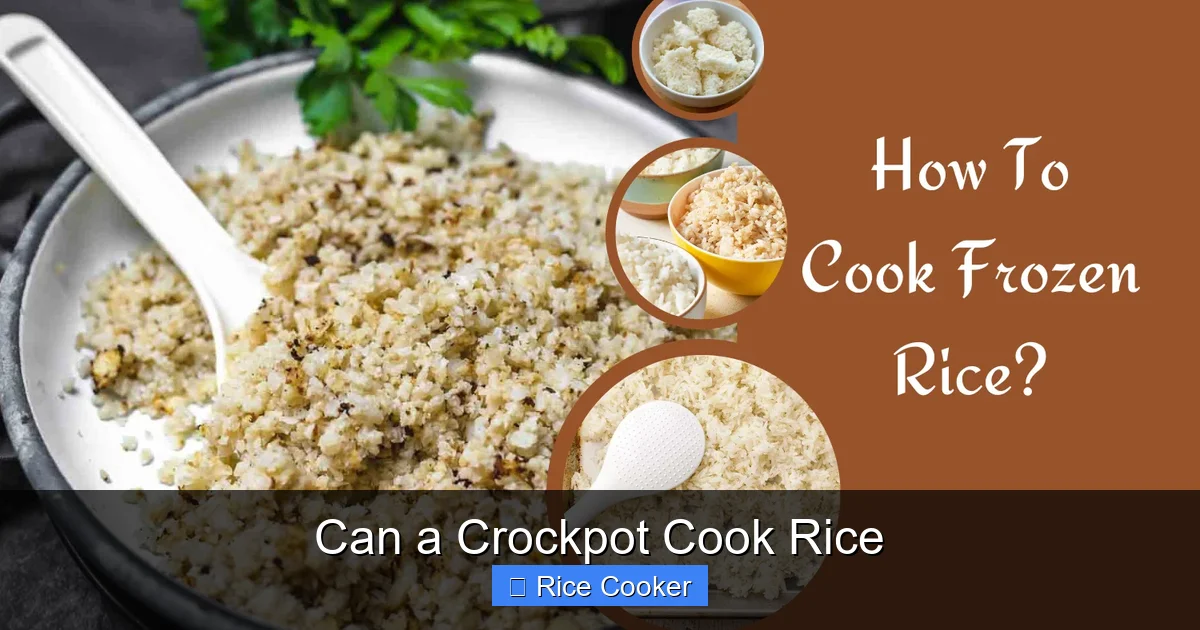
Yes, a crockpot can cook rice, but it requires precision and the right technique. With the correct water-to-rice ratio and cooking time, you can achieve tender, fluffy grains every time. While not as fast as a dedicated rice cooker, a slow cooker offers convenience for hands-off meals like one-pot dinners or grain bowls.
Key Takeaways
- Crockpots can cook rice, but success depends on using the right type of rice and proper ratios.
- White rice works best in slow cookers due to its starch content and ability to absorb moisture evenly.
- Pre-soaking rice reduces cooking time and helps prevent mushiness.
- A tight-fitting lid is essential—steam must be trapped to cook the rice properly.
- Use the “Low” setting for most rice types to avoid overcooking or burning.
- Fluff and rest after cooking to redistribute steam and separate grains.
- Experiment with flavors by adding broth, herbs, or spices directly in the crockpot.
📑 Table of Contents
- Can a Crockpot Cook Rice? The Truth Behind Slow-Cooked Grains
- Understanding How Rice Cooks: Why It Matters in a Crockpot
- Choosing the Right Type of Rice for Your Crockpot
- Step-by-Step Guide: How to Cook Rice in a Crockpot
- Common Mistakes to Avoid When Cooking Rice in a Crockpot
- Flavoring Your Crockpot Rice: Beyond Plain White Grains
- Comparing Crockpot Rice to Other Methods
- Tips for Perfect Crockpot Rice Every Time
- Conclusion: Yes, Your Crockpot Can Do Rice—And Do It Well
Can a Crockpot Cook Rice? The Truth Behind Slow-Cooked Grains
Imagine coming home after a long day, placing rinsed rice, water, and a pinch of salt into your trusty crockpot, pressing “start,” and returning hours later to perfectly cooked, fluffy grains ready to be served with dinner. Sounds almost too good to be true, right? Well, it’s not—but only if you know how to do it right. Can a crockpot cook rice? Absolutely. But before you toss your electric rice cooker aside and start converting all your recipes, let’s dive into what really works, what doesn’t, and why a slow cooker can be a surprisingly capable kitchen companion for grain-based meals.
The short answer is yes—a crockpot can cook rice successfully. However, it’s not quite as straightforward as tossing ingredients into the pot and waiting. Unlike an electric rice cooker, which uses precise temperature control and rapid boiling followed by steam absorption, a slow cooker operates at lower temperatures over longer periods. This means that while it’s possible to make great rice in a crockpot, it demands attention to detail, timing, and ingredient selection. In this comprehensive guide, we’ll walk through everything you need to know to turn your crockpot into a rice-making powerhouse.
Understanding How Rice Cooks: Why It Matters in a Crockpot
Before we get into recipes, let’s talk about the science (or at least the practical basics) of how rice cooks. Rice absorbs liquid and swells as it heats up. For white rice, this process involves gelatinizing the starches inside the grain, which gives it that tender yet firm texture we love. Brown rice, on the other hand, has more fiber and bran layers, so it takes longer to cook and needs more water.
Visual guide about Can a Crockpot Cook Rice
Image source: cookingtipsblog.com
In an electric rice cooker, the process is automated: rice and water are added, the machine brings the mixture to a boil, then quickly shifts to a simmer or steam mode to finish cooking. This controlled environment ensures even heat distribution and prevents scorching. A crockpot doesn’t have this luxury. It heats gradually and maintains a steady low temperature, which can be both a blessing and a curse. On one hand, gentle heat helps prevent burning; on the other, it increases the risk of uneven cooking or mushy results if not managed carefully.
That’s why choosing the right rice is critical. White rice varieties like long-grain Jasmine, Basmati, or regular long-grain white rice tend to work best because they have fewer hulls and more consistent starch content. Short-grain rice, such as sushi or arborio, can become overly sticky in a slow cooker due to their higher amylopectin content. So while it’s technically possible to cook any type of rice in a crockpot, your success rate will vary significantly based on the grain you choose.
Choosing the Right Type of Rice for Your Crockpot
Not all rice is created equal when it comes to slow cooking. As mentioned earlier, white rice generally performs better than brown rice in a crockpot. Here’s why:
- White rice has had its bran and germ removed, making it faster to soften and easier to control in terms of texture.
- Brown rice retains those outer layers, which act like insulation and slow down water absorption—often requiring double the cooking time and more liquid.
- Instant rice can also be used, but it may break apart during the extended cooking process.
If you’re set on using brown rice, you’ll need to adjust your method. Some people recommend pre-soaking brown rice for 30 minutes to an hour before cooking. This helps jump-start the softening process and reduces overall cooking time. You might also consider using a pressure cooker instead of a slow cooker for brown rice—it provides the high heat needed to penetrate the tougher grain structure.
For everyday meals, stick with long-grain white rice. Jasmine adds a fragrant aroma, while Basmati keeps individual grains distinct and light. Both respond well to the moist, steady heat of a crockpot when prepared correctly.
Step-by-Step Guide: How to Cook Rice in a Crockpot
Now for the good part—actually making rice in your crockpot. Follow these steps closely, and you’ll be rewarded with restaurant-quality results without lifting a finger.
Gather Your Ingredients and Equipment
You’ll need:
- 1 cup uncooked white rice
- 1¼ cups water (for long-grain rice)
- Salt to taste (optional)
- A fine-mesh strainer (for rinsing)
- A crockpot with a tight-fitting lid
Pro tip: Always rinse your rice before cooking. This removes excess starch and prevents clumping. Simply place the rice in a sieve and run it under cool water until the water runs clear.
Combine Rice and Water in the Crockpot
Add the rinsed rice and water to the crockpot. If desired, sprinkle in a pinch of salt or a dash of butter for extra flavor. Stir gently to combine—though stirring isn’t necessary, it helps distribute moisture evenly.
Set the Temperature and Timer
Most experts recommend using the “Low” setting for best results. High heat can cause the bottom layer of rice to burn before the top is fully cooked. Set the timer for 45 minutes to 1 hour, depending on your rice variety and crockpot model. Jasmine rice typically takes about 45 minutes, while other long-grain types may need up to 60 minutes.
Check for Doneness Before Serving
After the timer goes off, open the lid and check the rice. There should be no visible water left, and the grains should be tender but not mushy. If there’s still liquid, cover and cook for another 10–15 minutes on Low.
Let It Rest and Fluff
This step is crucial. Once done, remove the crockpot from the heat (if safe to do so) or switch it off. Let the rice sit, covered, for 10 minutes. Then fluff it gently with a fork. This allows residual steam to finish cooking the rice evenly and separates the grains.
Common Mistakes to Avoid When Cooking Rice in a Crockpot
Even with the right recipe, mistakes happen. Here are some frequent errors and how to fix them:
- Using too much water: Too much liquid leads to soggy, soupy rice. Stick to the standard 1:1.25 ratio (rice to water).
- Not rinsing the rice: Unrinsed rice releases excess starch, causing clumpy or gummy results.
- Opening the lid too often: Every time you lift the lid, heat escapes, extending cooking time and potentially ruining texture.
- Using the wrong heat setting: High heat causes uneven cooking and burning at the bottom.
- Skipping the rest period: Rushing to serve prevents proper steam redistribution and fluffy grains.
If your rice turns out too wet, transfer it to a baking sheet, spread it out, and broil briefly in the oven to evaporate excess moisture. If it’s too dry or burnt, mix in a splash of warm water and reheat on Low for 5–10 minutes.
Flavoring Your Crockpot Rice: Beyond Plain White Grains
Rice doesn’t have to be boring. One of the biggest advantages of using a crockpot is its ability to infuse flavors throughout the cooking process. Instead of plain water, try using vegetable broth, chicken stock, or coconut milk for added richness. Add aromatics like garlic cloves, onion slices, bay leaves, or fresh herbs such as thyme or rosemary directly into the pot.
Here are a few flavorful variations to try:
- Coconut Rice: Use coconut milk instead of water and add a pinch of turmeric for color.
- Spanish Rice: Sauté diced onions and bell peppers in oil first, then add rice and tomato sauce before pouring in broth.
- Herbed Pilaf: Cook rice with chopped parsley, lemon zest, and a pat of butter for brightness.
- Garlic Herb Rice: Toss in several minced garlic cloves and fresh chives toward the end of cooking.
Remember to adjust the liquid slightly when substituting broth or milk—they add their own moisture, so you may need less than 1¼ cups per cup of rice.
Comparing Crockpot Rice to Other Methods
So why would anyone bother cooking rice in a crockpot when stovetop or electric rice cookers exist? The answer lies in convenience and versatility. A crockpot excels at making one-pot meals where rice is just one component—think jambalaya, chili with rice, or grain bowls with roasted vegetables.
However, if speed and consistency are your top priorities, a dedicated rice cooker still wins. Electric models offer preset programs, automatic shutoff, and superior texture control. But for busy parents, working professionals, or anyone who enjoys hands-free cooking, a crockpot delivers impressive results with minimal effort.
Another benefit? Cleanup is easy. Just wipe the insert and reuse it immediately for soup or stew—no separate pots needed.
Tips for Perfect Crockpot Rice Every Time
Want to take your crockpot rice game to the next level? Try these pro tips:
- Measure accurately: Use measuring cups for both rice and water to maintain the correct ratio.
- Use room-temperature liquids: Cold water slows down the cooking process.
- Try pre-cooking rice briefly on the stove: Boil rice in water for 3–5 minutes before transferring to the crockpot. This cuts total cooking time and reduces the risk of dryness.
- Invest in a crockpot with a glass lid: It’s easier to monitor progress without releasing heat.
- Keep a rice log: Note your ratios, times, and results to refine your technique over time.
With practice, you’ll develop a feel for your specific crockpot’s performance and preferences. Every appliance is slightly different, so don’t be discouraged by initial trial and error.
Conclusion: Yes, Your Crockpot Can Do Rice—And Do It Well
So, can a crockpot cook rice? The answer is a confident yes—with the right approach. While it may not replace your electric rice cooker for everyday use, the crockpot proves itself as a reliable tool for flavorful, hands-off grain preparation. Whether you’re whipping up a side dish for tacos, building a hearty grain bowl, or experimenting with international cuisines, slow-cooked rice delivers satisfying results.
Just remember: patience, precision, and the right ingredients go a long way. Rinse your rice, use the correct water ratio, keep the lid sealed, and let it rest after cooking. And don’t forget to have fun with it—add your favorite seasonings, swap in different liquids, and make it your own.
In the world of kitchen appliances, versatility matters. If you’ve got a crockpot sitting around unused, now you know how to put it to work beyond soups and stews. Turn it into a rice-making machine, and you’ll discover a whole new dimension of meal simplicity.
Frequently Asked Questions
Can you cook rice in a slow cooker?
Yes, you can cook rice in a slow cooker, especially white long-grain rice. Use a 1:1.25 ratio of rice to water, cook on Low for 45–60 minutes, and let it rest before fluffing. Avoid opening the lid frequently.
What kind of rice is best for a crockpot?
Long-grain white rice such as Jasmine or Basmati works best in a crockpot because it absorbs moisture evenly and doesn’t turn mushy. Brown rice is harder to cook successfully in a slow cooker due to its fibrous outer layers.
How much water do I use for 1 cup of rice in a crockpot?
Use 1¼ cups of water for every 1 cup of uncooked long-grain white rice. Adjust slightly if using broth or milk instead of plain water.
Do I need to soak rice before cooking it in a crockpot?
Soaking is optional but helpful. Soak rice for 30 minutes before cooking to reduce cooking time and improve texture. It’s especially useful for brown rice or if you want extra fluffy grains.
Can I cook brown rice in a crockpot?
Yes, but it’s more challenging. Brown rice requires twice the water and much longer cooking time—often 2–3 hours on Low. Pre-soaking and using a pressure cooker are better alternatives for consistent results.
Why is my crockpot rice mushy?
Mushy rice usually results from too much water, overcooking, or insufficient resting time. Check your water ratio, avoid high heat, and always let rice sit covered for 10 minutes after cooking before fluffing.