

Can a Ninja Foodi cook rice? Absolutely! The Ninja Foodi’s TenderCrisp technology and pressure cooking function make it an excellent alternative to traditional rice cookers. Whether you’re making jasmine, brown, or sushi rice, this multi-cooker delivers consistent, restaurant-quality results with less cleanup.
Key Takeaways
- Versatility: The Ninja Foodi combines air frying, pressure cooking, and slow cooking—making it perfect for more than just rice.
- Efficiency: You can cook rice faster than on the stovetop, often in under 30 minutes depending on the method used.
- Customizable Settings: Adjust time, temperature, and moisture levels to suit different types of rice.
- No Monitoring Needed: Unlike stovetop rice, the Foodi handles timing automatically, so you don’t have to babysit the pot.
- Cleanup is Easy: Non-stick inner pots mean less scrubbing and fewer burnt-on grains.
- Saves Counter Space: One appliance replaces multiple devices—no need for a dedicated rice cooker.
- Great for Meal Prep: Cook large batches of rice for bowls, salads, or stir-fries in one go.
📑 Table of Contents
- Can a Ninja Foodi Cook Rice? Yes, and It’s Surprisingly Good!
- Understanding Your Ninja Foodi: Key Features That Make Rice Cooking Possible
- How to Cook Perfect Rice in Your Ninja Foodi
- Best Types of Rice to Cook in a Ninja Foodi
- Common Mistakes and How to Avoid Them
- Beyond Basic White Rice: Creative Recipes You Can Make in Your Ninja Foodi
- Maintenance and Care Tips for Long-Lasting Performance
- Final Thoughts: Is the Ninja Foodi Worth It for Rice Lovers?
Can a Ninja Foodi Cook Rice? Yes, and It’s Surprisingly Good!
If you’ve ever wondered whether your Ninja Foodi can replace your trusty rice cooker, the answer is a resounding yes—and then some. While the Ninja Foodi wasn’t originally designed as a rice cooker, its advanced cooking functions make it more than capable of producing fluffy, flavorful rice every time. In fact, many home cooks are discovering that the Foodi outperforms traditional rice cookers in speed, versatility, and convenience.
The secret lies in its dual functionality: the TenderCrisp technology allows for air frying, while the pressure cooking mode ensures even heat distribution and moisture control—two critical factors when cooking perfect rice. Whether you’re using white rice, brown rice, jasmine, basmati, or even wild rice, the Ninja Foodi can handle it all with minimal guesswork.
In this comprehensive guide, we’ll walk you through everything you need to know about cooking rice on your Ninja Foodi. From choosing the right settings to troubleshooting common issues, we’ve got you covered. Plus, you’ll learn pro tips to elevate your rice game beyond what any standard rice cooker can offer.
Understanding Your Ninja Foodi: Key Features That Make Rice Cooking Possible
Before diving into recipes or settings, it’s important to understand why the Ninja Foodi is such a great tool for cooking rice. Unlike older multi-cookers that rely solely on steam or slow simmering, the Foodi uses modern technology to deliver precise control over temperature and airflow.
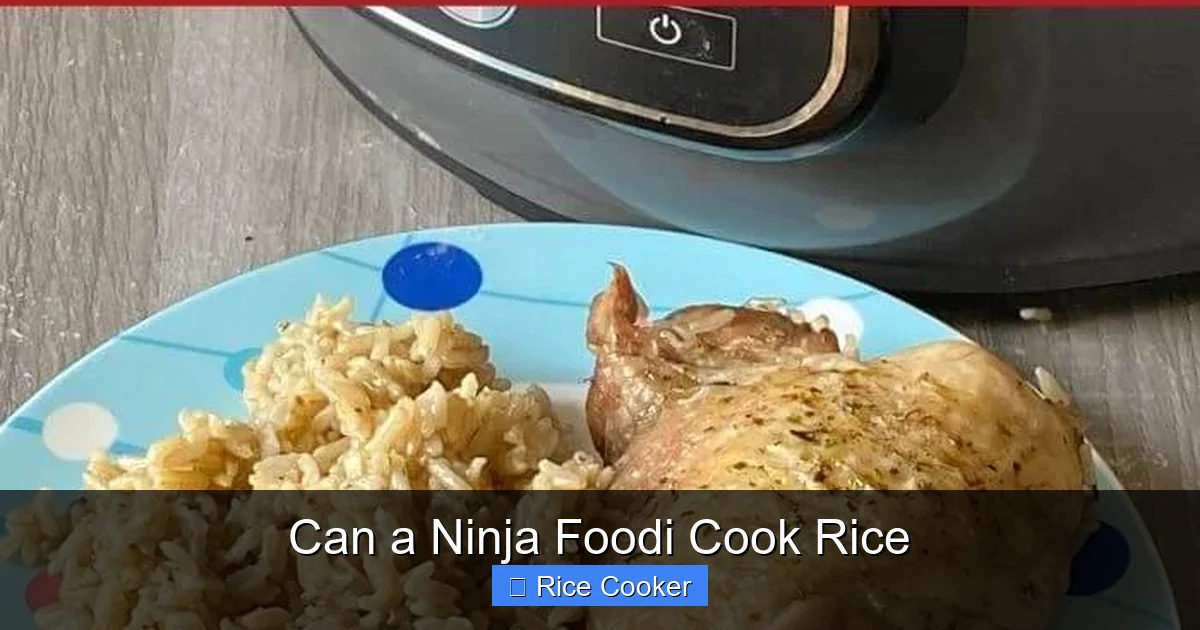
Visual guide about Can a Ninja Foodi Cook Rice
Image source: recipethis.com
The Power of TenderCrisp Technology
TenderCrisp is the signature feature that sets the Ninja Foodi apart from other pressure cookers. It works by first pressure-cooking food quickly under high heat, then finishing it with rapid air circulation—similar to an air fryer. This two-stage process locks in flavor and texture, which is especially beneficial for grains like rice that benefit from both moist heat and dry heat finishing.
When cooking rice, this means your grains stay tender inside but develop a slightly crisp exterior, reducing stickiness and enhancing overall mouthfeel. Think of it as having a rice cooker and an air fryer working together in harmony.
Pressure Cooking vs. Slow Cooking
Most Ninja Foodi models come with both pressure cooking and slow cooking functions. For rice, pressure cooking is usually the fastest and most reliable method. It uses steam and high pressure to cook grains evenly without drying them out. On the other hand, slow cooking mimics traditional stovetop methods but takes much longer—sometimes over an hour—for brown rice.
That said, if you prefer a gentler approach (especially for long-grain varieties), you can use the slow cook setting, though results may vary slightly.
Non-Stick Inner Pot & Removable Parts
Another major advantage is the non-stick inner pot. This means no more scraping stuck-on rice or wrestling with burnt bottom layers. After cooking, simply remove the pot, give it a quick rinse, and you’re done. Most parts are also dishwasher-safe, making cleanup a breeze compared to traditional rice cookers with plastic or metal inserts.
How to Cook Perfect Rice in Your Ninja Foodi
Cooking rice in your Ninja Foodi doesn’t require complicated steps or special ingredients. With the right technique, you’ll get consistently fluffy results every time. Here’s how to do it step by step.
Step 1: Measure and Rinse Your Rice
Start by measuring your rice carefully. A general rule is 1 cup of uncooked rice = 2 cups cooked, but ratios can vary slightly depending on the type. For example:
- White rice: 1:2 ratio (1 cup rice to 2 cups water)
- Brown rice: 1:2.5 ratio (1 cup rice to 2.5 cups water)
- Jasmine or basmati: 1:1.75 to 1:2
Always rinse your rice under cold water until the water runs clear. This removes excess starch, preventing clumping and ensuring each grain stays separate.
Step 2: Add Water and Rice to the Inner Pot
Place the rinsed rice into the non-stick inner pot. Pour in the appropriate amount of filtered or tap water. Use a liquid measuring cup for accuracy—never eyeball it! Too little water leads to dry rice; too much makes it mushy.
For best results, let the rice soak for 15–30 minutes before cooking. This helps hydrate the grains and speeds up the cooking process.
Step 3: Choose the Right Setting
This is where the magic happens. Most Ninja Foodi models allow you to select between:
- PRESSURE COOK / MANUAL: Best for white rice and quick meals (8–12 minutes).
- SLOW COOK / LOW: Ideal for brown rice or when you want a softer, more traditional texture (60–90 minutes).
- AIR CRISP / AIR FRY: Not recommended for plain rice, but fun for crispy rice dishes like fried rice with added oil.
For most people, starting with the Manual Pressure Cook setting at 10 minutes works wonders for white rice. Brown rice may need up to 15 minutes under pressure.
Step 4: Start Cooking and Let It Do the Work
Once you’ve selected your setting, press start. The Foodi will begin building pressure, then automatically switch to cooking mode. You won’t need to stir or watch—just wait for the natural release phase, which typically takes 10–15 minutes.
Pro Tip: After the timer ends, let the pressure release naturally instead of quick-releasing. This prevents rice from becoming soggy or splattering.
Step 5: Fluff and Serve
After natural release, open the lid carefully (steam will escape). Use a fork to gently fluff the rice—don’t mash it! Then serve immediately or keep warm using the “Keep Warm” function (if available) for up to 10 hours.
Best Types of Rice to Cook in a Ninja Foodi
Not all rices are created equal—and neither are all cooking methods. Some grains thrive better in certain settings. Here’s a breakdown of the best rice varieties to cook in your Ninja Foodi and why.
White Rice (Short & Medium Grain)
White rice is the easiest to cook in a Foodi because it’s already polished and low in fiber. It absorbs water quickly and becomes tender fast under pressure. Jasmine and glutinous (sticky) rice fall into this category and work beautifully with the Foodi’s TenderCrisp cycle.
Recommended Method: Manual Pressure Cook for 8–10 minutes.
Brown Rice
Brown rice has a tougher outer bran layer, so it needs more water and time. However, cooking it under pressure significantly reduces the usual 45–60 minute stovetop time down to just 12–15 minutes. Just remember to increase the water ratio slightly.
Recommended Method: Manual Pressure Cook for 12–15 minutes.
Basmati Rice
Known for its fragrant aroma and long grains, basmati expands dramatically when cooked. To prevent breakage, avoid overfilling and ensure enough water. Soaking beforehand also helps retain structure.
Recommended Method: Manual Pressure Cook for 9–11 minutes.
Wild Rice
Wild rice is technically not true rice but a grass seed. It requires long cooking times and extra patience. Because of its dense nature, it benefits from slow cooking rather than pressure cooking.
Recommended Method: Slow Cook on Low for 60–90 minutes.
Sushi Rice
Sushi rice needs precise moisture control to achieve the right sticky-yet-tender consistency. While possible in a Foodi, some purists argue that a dedicated rice cooker with fuzzy logic sensors produces superior results. Still, with careful measurement and rinsing, your Foodi can make decent sushi rice.
Common Mistakes and How to Avoid Them
Even with the best equipment, mistakes happen. But knowing what to watch out for saves time and frustration. Here are the most common pitfalls when cooking rice in a Ninja Foodi—and how to fix them.
Mistake #1: Using the Wrong Water Ratio
Too much or too little water ruins the texture. Always follow tested ratios per rice type. When in doubt, lean toward slightly more water—you can always drain excess after cooking.
Mistake #2: Skipping the Rinse
Rinsing removes surface starch, which causes clumping. Skip this step only if you’re using pre-rinsed instant rice or sushi rice (which needs starch).
Mistake #3: Quick-Release Instead of Natural Release
Quick-releasing pressure can cause rice to become wet and mushy. Always opt for natural release unless you’re in a huge hurry and don’t mind slightly uneven results.
Mistake #4: Overcrowding the Pot
The inner pot has limited capacity. Never exceed 2/3 full to allow proper steam circulation and prevent overflow during pressure buildup.
Mistake #5: Ignoring Soaking Time
Soaking softens the hull and shortens cooking time. For optimal results, especially with brown or wild rice, soak for at least 15 minutes before cooking.
Beyond Basic White Rice: Creative Recipes You Can Make in Your Ninja Foodi
Once you’ve mastered plain rice, unlock the full potential of your Ninja Foodi by experimenting with flavored and textured variations. These creative twists take your meal prep to the next level.
Garlic Herb Rice
Add 1 minced garlic clove and 1 tsp olive oil to the inner pot along with your rinsed rice and water. Cook under pressure for 8 minutes. The result? Aromatic, savory rice that pairs perfectly with grilled meats or roasted vegetables.
Coconut Milk Rice
Replace half the water with coconut milk for a creamy, subtly sweet side dish. Great with Thai or Indian-inspired meals. Cook for 9 minutes under pressure.
Tomato Basil Rice
Dice 1 tomato and add it with a handful of fresh basil leaves. Cook for 10 minutes. The tomatoes break down into a light sauce, creating a Mediterranean-style accompaniment.
Fried Rice (Air Crisp Style)
After cooking plain white rice, transfer it to a bowl and toss with 1 tbsp soy sauce, scrambled egg, peas, and diced carrots. Spread evenly in the Foodi’s basket and Air Fry at 375°F for 8–10 minutes until crispy edges form. No wok needed!
One-Pot Meals Using Rice as the Base
Use cooked rice as the foundation for hearty one-pot dinners. Layer cooked rice with beans, shredded chicken, cheese, and spices, then reheat in the Foodi’s slow cook function for 20 minutes. Voilà—a complete meal in one pot!
Maintenance and Care Tips for Long-Lasting Performance
To keep your Ninja Foodi performing like new—and to ensure your rice always comes out perfect—follow these simple care instructions.
- Clean the inner pot after every use: Hand wash with warm soapy water or place in the dishwasher (check model compatibility).
- Check the sealing ring regularly: Replace if cracked or discolored to maintain proper pressure.
- Descale monthly: Use vinegar and water to remove mineral buildup from the pressure valve and steam release.
- Store with lid off: Prevent mold or odors by allowing airflow when not in use.
- Don’t stack heavy items on top: Protect the digital display and control panel.
Final Thoughts: Is the Ninja Foodi Worth It for Rice Lovers?
After testing countless methods and comparing results to traditional rice cookers, we can confidently say that the Ninja Foodi holds its own—and often exceeds expectations—when it comes to cooking rice. Its ability to combine speed, precision, and versatility makes it ideal for busy households, college students, and anyone who values convenience without sacrificing quality.
While a dedicated rice cooker might still edge out the Foodi for ultra-soft, clingy sushi rice, there’s no denying that the Foodi offers unmatched flexibility. Want to cook rice AND air fry chicken wings afterward? Done. Need to slow-cook chili overnight while your rice keeps warm? Absolutely.
Plus, with rising kitchen gadget prices and limited counter space, consolidating appliances is smart. If you already own a Ninja Foodi—or are considering buying one—knowing how to cook rice is a game-changer. It turns your multi-cooker into a culinary powerhouse.
So go ahead: fire up your Foodi, grab some rice, and discover why so many home chefs are ditching their old rice cookers for this all-in-one wonder.
Frequently Asked Questions
Can a Ninja Foodi replace a rice cooker?
Yes, the Ninja Foodi can effectively replace a traditional rice cooker. Its pressure cooking and TenderCrisp functions allow it to cook rice quickly and evenly, delivering fluffy, restaurant-quality results with less cleanup.
What type of rice works best in a Ninja Foodi?
White rice, jasmine, basmati, and short-to-medium grain varieties cook best in a Ninja Foodi due to their lower fiber content and faster absorption rates. Brown and wild rice require longer cooking times but are still achievable.
Do I need to soak rice before cooking it in a Ninja Foodi?
Soaking isn’t required but highly recommended, especially for brown rice or long-grain varieties. It hydrates the grains, reduces cooking time, and improves texture.
How do I prevent rice from sticking in my Ninja Foodi?
Use the correct water ratio, rinse the rice thoroughly, and avoid overcrowding the inner pot. The non-stick coating also helps minimize sticking—just avoid metal utensils when stirring.
Can I cook rice in the air fryer basket of my Ninja Foodi?
It’s not ideal for plain rice due to lack of moisture control, but you can make crispy fried rice by mixing cooked rice with oil, seasonings, and veggies, then air frying for 8–10 minutes.
Is it safe to leave rice warm in the Ninja Foodi?
Yes, most models have a “Keep Warm” function that maintains rice at serving temperature for up to 10 hours. However, it’s best to consume warm rice within 2 hours to avoid bacterial growth.