
Can a rice cooker be used as a pressure cooker? While some modern rice cookers include pressure-cooking functions, not all models are designed to handle the high heat and pressure required. Using a rice cooker as a pressure cooker is possible only if it has a dedicated pressure-cook mode with proper sealing and safety mechanisms. Always check your user manual before attempting this—misuse could damage your appliance or pose safety risks.
Key Takeaways
- Rice cookers and pressure cookers serve similar purposes but operate differently. A traditional pressure cooker uses high-pressure steam to cook food quickly, while most rice cookers rely on convection heating and water absorption.
- Only certain modern rice cookers have built-in pressure-cooking capabilities. Look for models labeled “pressure cooker” or with a pressure-cook function—these are the ones that can safely mimic pressure cooking.
- Using a non-pressure rice cooker in high-pressure conditions can be dangerous. Without proper seals and pressure release systems, steam buildup may cause explosions or leaks.
- Pressure-cooking rice cookers often include multiple settings like slow cook, sauté, and steam. These versatile appliances combine convenience with advanced functionality.
- You can use a pressure-cooking rice cooker to prepare stews, beans, and even yogurt. Its sealed environment locks in moisture and flavor, making it ideal for one-pot meals.
- Always follow the manufacturer’s instructions for safe operation. Even advanced models require proper setup, including checking gaskets and seals before each use.
- For true pressure cooking, a dedicated pressure cooker remains more reliable. But a smart rice cooker offers unmatched convenience for home cooks who want versatility without clutter.
📑 Table of Contents
Understanding the Basics: Rice Cookers vs. Pressure Cookers
When you’re standing in the kitchen deciding between your trusty rice cooker and the pressure cooker sitting on the shelf, it’s natural to wonder: Can a rice cooker be used as a pressure cooker? The short answer is yes—but with important caveats. To understand why, we need to break down how these two appliances actually work.
A traditional pressure cooker is essentially a sealed pot that builds up steam under pressure. This high-pressure environment raises the boiling point of water from 100°C (212°F) to around 121°C (250°F), allowing food to cook much faster—sometimes in just a fraction of the time it would take using conventional methods. Think of it like turning up the heat so high that water doesn’t just boil—it superheats, cooking tough cuts of meat or dried beans in under an hour instead of hours.
On the other hand, a standard rice cooker operates differently. Most use a simple heating element at the bottom and rely on the natural process of water absorbing into grains like rice, quinoa, or oats. There’s no pressurized chamber; instead, the inner pot heats evenly, and once the water evaporates, the temperature drops, signaling the cooker to switch off. Some advanced models add features like fuzzy logic or induction heating for better texture control, but they still don’t generate the intense internal pressure needed for true pressure cooking.
So while both appliances aim to cook food efficiently, their core technologies are fundamentally different. That said, modern innovation has blurred the lines between the two.
Modern Rice Cookers: More Than Just Cooking Rice
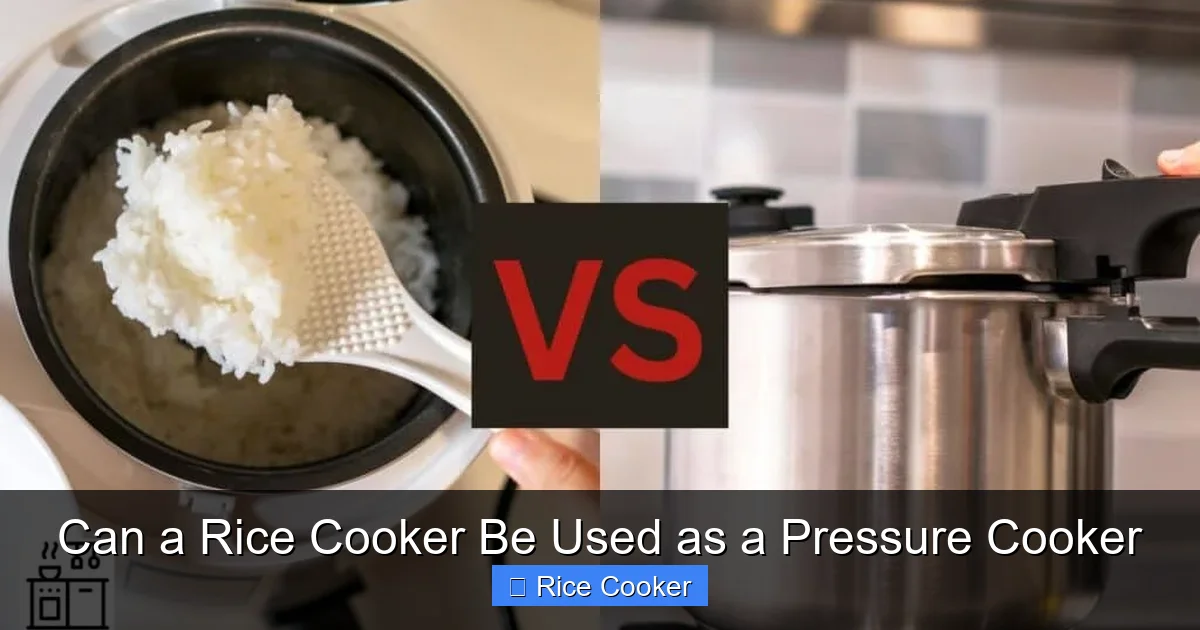
Visual guide about Can a Rice Cooker Be Used as a Pressure Cooker
Image source: kitchencuddle.com
Gone are the days when a rice cooker was just a box that turned itself off after the rice was done. Today’s rice cookers—especially those marketed as “smart” or “multi-functional”—are equipped with features once reserved exclusively for stand-alone appliances.
Many premium rice cookers now include a pressure-cooking mode. These models come with thick, heavy-duty inner pots designed to withstand high pressure, along with silicone or rubber gaskets that create airtight seals. When activated, the cooker pressurizes the contents, locks in moisture, and cooks food rapidly using steam—just like a traditional pressure cooker.
For example, brands like Zojirushi, Instant Pot (yes, they make rice cookers too!), and Cuckoo offer hybrid appliances that combine a rice cooker’s gentle cooking with a pressure cooker’s speed. These machines can handle everything from fluffy jasmine rice to tender pulled pork in a single unit.
But here’s the catch: not every rice cooker can be used as a pressure cooker. If your model lacks a pressure-locking mechanism, thick-walled pot, or fails-safe pressure release valve, attempting to force it into pressure-cooking duty could lead to serious hazards.
How to Tell If Your Rice Cooker Can Pressure Cook
To determine whether your rice cooker can safely function as a pressure cooker, check for these key indicators:
- Presence of a pressure-cook setting: The control panel should have a clearly labeled button or menu option for “pressure cook,” “quick cook,” or “tender crisp.”
- Thick, heavy inner pot: Pressure-cooking requires durability. Look for stainless steel or aluminum with a weight of at least 3mm or more.
- Airtight gasket or seal: The lid must lock securely and maintain pressure. Inspect the rubber ring for wear and tear regularly.
- Safety valves and pressure release options: Models should offer both quick-release and natural-release methods to prevent sudden pressure loss.
- User manual confirmation: Never assume. Check the manual or manufacturer’s website to confirm pressure-cook compatibility.
If your rice cooker checks all these boxes, then yes—you can confidently use it as a pressure cooker. Otherwise, it’s best to stick to its intended purpose.
When It’s Safe (and When It Isn’t)
Even among rice cookers with pressure-cooking features, safety protocols must be followed precisely. Misusing any appliance that involves pressurized cooking can result in burns, explosions, or damage to the unit.
Safe Usage Guidelines
Always begin by reading the instruction manual thoroughly. Every model has specific requirements regarding fill levels, cooking times, and maintenance. For instance, most pressure-cooking rice cookers require you to add liquid—typically water or broth—to generate steam. Too little liquid risks dry burning; too much can flood the cooking chamber.
Additionally, never attempt to open the lid during the pressure-building phase unless the device indicates it’s safe. Modern units have interlocks that prevent lid removal until internal pressure drops below a threshold. Bypassing these safeguards defeats the entire purpose of the safety design.
Another common mistake is neglecting routine maintenance. Over time, the rubber gasket may harden or develop cracks, compromising the seal. Replace worn parts immediately. Also, clean the pressure valve and steam vents after each use to prevent blockages.
Conversely, if your rice cooker doesn’t support pressure cooking, trying to simulate it by sealing the lid tightly and increasing heat won’t work—and could be dangerous. Standard rice cookers aren’t engineered to contain high-pressure steam, so attempting to do so might warp the plastic components, crack the glass lid, or worse, rupture the unit.
What You Can Cook in a Pressure-Cooking Rice Cooker
The beauty of a dual-purpose rice cooker is its versatility. Here are some popular dishes you can prepare:
- Grains and legumes: Red lentils, chickpeas, black beans, and barley cook perfectly under pressure, reducing soaking time significantly.
- Meats: Tough cuts like chuck roast, brisket, or chicken thighs become fork-tender in minutes.
- One-pot meals: Hearty soups, curries, and pilafs benefit from the moist-heat cooking method.
- Desserts: Steamed puddings, custards, and even cheesecakes can be made using the steam or low-pressure settings.
- Yogurt: Some models allow yogurt-making by maintaining a warm, stable temperature without pressure.
These functions make a pressure-cooking rice cooker a valuable addition to any busy household, especially where counter space is limited.
The Limitations of Using a Rice Cooker as a Pressure Cooker
While convenient, relying solely on a rice cooker for pressure cooking comes with trade-offs. First, capacity matters. Traditional pressure cookers often hold 6–8 quarts, ideal for large families or meal prep. In contrast, most rice cookers max out around 4–6 cups of uncooked rice—roughly 2–3 quarts total volume. That’s fine for individuals or small households but less practical for big batches.
Second, precision varies. Dedicated pressure cookers often come with more granular timer controls and pressure-level adjustments. Rice cookers, meanwhile, may offer preset programs but fewer customization options. If you need exact timing for delicate recipes like poached eggs, a specialized appliance might be better.
Third, cleaning and care differ. The inner pot of a pressure-cooking rice cooker must remain scrupulously clean to maintain seal integrity. Food residue near the gasket can degrade performance over time. Dedicated pressure cookers also tend to have simpler designs, making disassembly and washing easier.
Finally, cost plays a role. High-end rice cookers with pressure-cooking features can rival or exceed the price of standalone appliances. Is it worth the investment? That depends on your cooking habits. If you already own a rice cooker and rarely use other kitchen gadgets, adding pressure-cook capability might justify the upgrade.
Practical Tips for Maximizing Your Rice Cooker’s Potential
Whether you’re using your rice cooker normally or experimenting with pressure-cooking modes, a few smart practices will improve results and extend appliance life.
Start Simple
If you’re new to pressure cooking, begin with easy recipes like plain rice, steamed vegetables, or mashed potatoes. These help you get familiar with the machine’s behavior—how long it takes to build pressure, how the release works, and how food responds.
Monitor Liquid Levels Closely
Most rice cookers recommend filling the inner pot no more than halfway when pressure cooking. Overfilling increases the risk of clogging the vent or causing overflow during release. Use measuring cups specifically for liquids, not dry ingredients, to ensure accuracy.
Use Natural Release When Possible
Natural pressure release (letting the pressure drop on its own) works well for dense foods like beans or stews. Quick release is faster but can cause food to splatter if used on foamy items like pasta or cabbage.
Invest in Accessories
Some rice cookers accept additional accessories like trivets, steaming baskets, or yogurt makers. These expand functionality and reduce the need for multiple appliances.
Keep Notes
Track what works and what doesn’t. Adjust cooking times based on your ingredients, altitude, and personal taste preferences. Over time, you’ll develop a mental library of “best practices” for your specific model.
Alternatives and Hybrid Solutions
If your current rice cooker isn’t pressure-capable, don’t despair. Several alternatives exist:
- Add a pressure cooker insert: Some manufacturers sell interchangeable inserts that fit inside standard rice cooker pots, creating a makeshift pressure system.
- Buy a combo appliance: Models like the Instant Pot Duo Crisp or Ninja Foodi combine air frying, pressure cooking, and rice cooking in one compact unit.
- Use a standalone pressure cooker: Sometimes, investing in a dedicated appliance is the safest and most efficient choice—especially if you do a lot of pressure cooking.
Ultimately, the decision hinges on frequency of use, available space, and budget.
Frequently Asked Questions
Can I use my regular rice cooker to pressure cook food?
No, most basic rice cookers lack the necessary safety features and construction to safely generate or contain pressure. Only models specifically designed with pressure-cooking capabilities—like those with locking lids, thick pots, and pressure release valves—should be used for this purpose.
What happens if I try to pressure cook in a non-compatible rice cooker?
Attempting to create pressure in a standard rice cooker can lead to hazardous situations such as steam leaks, cracked lids, warped plastic parts, or even explosive ruptures due to uncontrolled pressure buildup. Always verify your appliance’s specifications before proceeding.
Are all modern rice cookers capable of pressure cooking?
No. While many newer models include pressure-cooking functions, entry-level or budget-friendly rice cookers typically do not. Look for keywords like “pressure cook,” “tender crisp,” or “multi-cooker” in the product description to confirm compatibility.
How do I clean my pressure-cooking rice cooker safely?
After each use, remove the inner pot and wash it with warm, soapy water. Gently wipe the gasket and lid seal with a damp cloth—never submerge them. Clean the pressure valve and steam vent with a soft brush to prevent blockages. Allow all parts to air-dry completely before reassembly.
Can I make yogurt in a pressure-cooking rice cooker?
Yes, if your model includes a yogurt-making function. Place the milk and starter culture in the inner pot, close the lid, and select the yogurt setting. The appliance will maintain a consistent warm temperature without applying pressure, mimicking the conditions needed for fermentation.
Is it worth upgrading to a rice cooker with pressure-cooking features?
If you frequently cook rice, legumes, meats, or soups and value kitchen efficiency, a dual-function appliance can save time and counter space. However, if you rarely go beyond boiling rice, a separate pressure cooker may offer better performance and capacity for the cost.