
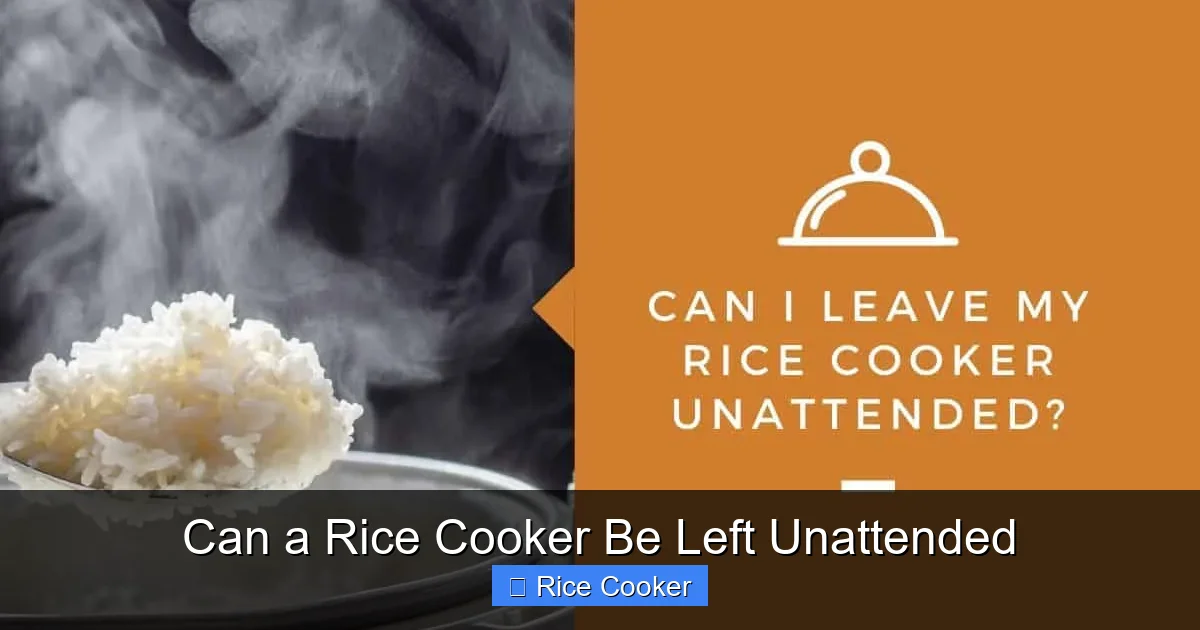
Yes, modern rice cookers are designed to be left unattended safely, thanks to automatic shut-off features. However, unlike older models, newer smart rice cookers include multiple safety mechanisms that prevent fire hazards or overheating. Still, it’s wise to stay nearby during initial cooking stages and never overload the pot.
Key Takeaways
- Safety First: Most modern rice cookers automatically turn off after cooking, reducing fire and burn risks.
- Model Matters: Newer rice cookers have advanced sensors and timers; older ones may lack these protections.
- Proper Use Required: Leaving a rice cooker unattended is generally safe only if used correctly—clean, dry, and filled properly.
- Monitor Early Stages: It’s best to stay in the kitchen during the first few minutes of cooking to ensure everything starts smoothly.
- Avoid Overloading: Filling beyond recommended levels can cause overflow, block vents, and trigger malfunctions.
- Maintenance Is Key: Regular cleaning of the inner pot and heating plate improves performance and safety.
- Not for All Tasks: While safe for plain white rice, some advanced functions (like yogurt or slow-cooking) may require more attention.
Quick Answers to Common Questions
Can I leave my rice cooker on overnight?
Yes, if it’s fully cooked and in keep-warm mode, most modern rice cookers are safe to leave overnight. Just ensure the unit is clean, dry, and functioning properly before you leave.
Do all rice cookers have automatic shut-off?
Most reputable modern rice cookers do, but older or cheaper models may lack this feature. Always check the product specifications or manual to confirm.
What happens if you leave a rice cooker unattended?
If properly used, nothing dangerous occurs. The appliance will cook the rice and then enter a low-power warming cycle, requiring no further attention.
Is it safe to leave a rice cooker plugged in all the time?
It’s safe once cooking is done, but leaving it plugged in unnecessarily wastes energy and may shorten the appliance’s lifespan. Unplug after use if possible.
Can a rice cooker catch fire if left unattended?
Only if it’s defective, overfilled, or misused. Well-maintained, properly operated rice cookers have very low fire risk, even when unattended.
📑 Table of Contents
- Can a Rice Cooker Be Left Unattended?
- Understanding How Rice Cookers Work
- Are Modern Rice Cookers Safe to Leave Unattended?
- Common Mistakes That Make Rice Cookers Dangerous
- Safety Tips for Using Your Rice Cooker Without Supervision
- What to Do If Something Goes Wrong
- Beyond Rice: Can You Trust Other Functions?
- Conclusion: Peace of Mind Starts With Knowledge
Can a Rice Cooker Be Left Unattended?
If you’re someone who loves convenience in the kitchen—especially when preparing staple meals like rice—you’ve probably found yourself wondering: “Can I really leave my rice cooker running while I go do something else?” The short answer is yes… but with important caveats. Today’s rice cookers are far smarter than their predecessors, packed with safety features that make unattended use relatively safe. Yet, as with any kitchen appliance, understanding how they work—and what could go wrong—is essential for peace of mind.
In this comprehensive guide, we’ll explore everything you need to know about leaving your rice cooker on without supervision. From safety mechanisms and common mistakes to expert tips for worry-free cooking, you’ll learn exactly how to enjoy the full benefits of your appliance while minimizing risks. Whether you’re a busy parent, a student living off campus, or just someone who values efficiency, knowing whether your rice cooker can truly be left alone is a game-changer.
Understanding How Rice Cookers Work
The Science Behind Automatic Shut-Off
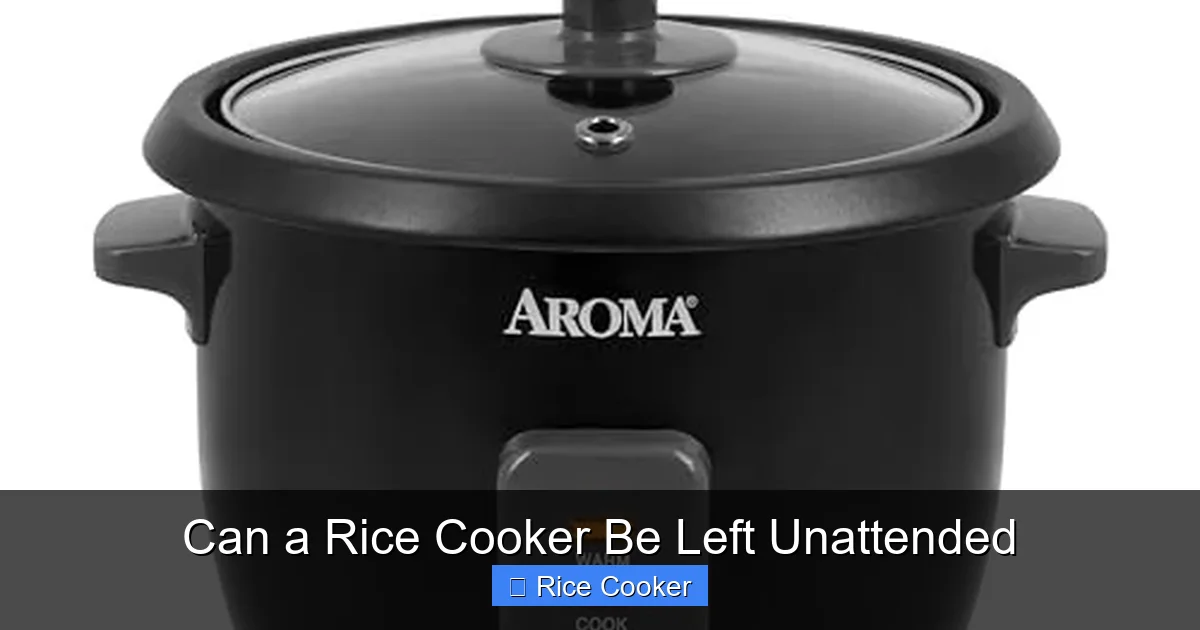
Rice cookers operate using a combination of thermal sensing and timing systems. At the heart of most modern units is a bimetallic thermostat that detects temperature changes in the cooking chamber. Once the water evaporates during the boiling phase and the internal temperature rises above 100°C (212°F), the thermostat triggers the transition from “boiling” mode to “warming.” During this stage, the rice absorbs all available moisture, and the appliance reduces power significantly—sometimes cutting it entirely until you press the “cancel” button.
Visual guide about Can a Rice Cooker Be Left Unattended
Image source: m.media-amazon.com
This entire process typically takes between 20 to 45 minutes, depending on the type of rice, quantity, and model settings. Once complete, many rice cookers enter an automatic warming cycle that maintains the rice at around 68–77°C (155–170°F). This keeps food hot without risking scorching or drying out. Importantly, this warm setting uses minimal energy and doesn’t generate enough heat to pose a fire hazard—even if you walk away for hours.
Why Older Models Are Riskier
Not all rice cookers were created equal. In the early days of electric cooking appliances, many models lacked reliable temperature controls or automatic cutoffs. These older units could overheat if the rice stuck to the bottom or if the water level was too low, potentially leading to smoke, melted plastic components, or even fires. While these risks still exist in outdated or poorly maintained models, reputable brands now prioritize safety above all else.
When shopping for a new rice cooker, look for certifications like UL (Underwriters Laboratories) or ETL (Intertek), which indicate compliance with modern safety standards. These labels guarantee that the device has undergone rigorous testing for electrical safety, thermal stability, and structural integrity under stress conditions.
Are Modern Rice Cookers Safe to Leave Unattended?
What the Experts Say
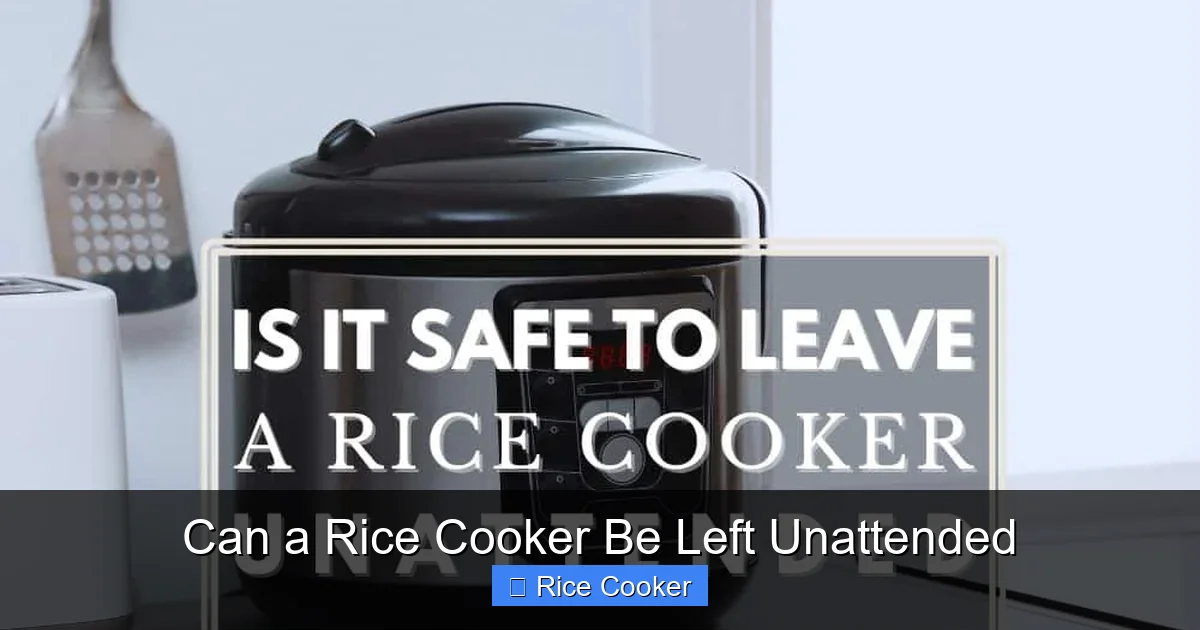
Consumer safety organizations and appliance manufacturers agree: Yes, under normal circumstances, a modern rice cooker can be safely left unattended after the cooking cycle begins. According to the Consumer Product Safety Commission (CPSC), rice cookers are among the safest countertop appliances due to their simple operation and built-in fail-safes. As long as the unit is clean, dry, and used according to the manufacturer’s instructions, the likelihood of danger is extremely low.
Visual guide about Can a Rice Cooker Be Left Unattended
Image source: stretchrecipes.com
That said, experts recommend staying near the kitchen during the first few minutes after pressing “start.” This allows you to confirm that the rice cooker powers up correctly, the water level looks appropriate, and there are no signs of unusual behavior—such as excessive fizzing, strange odors, or visible steam leaks. If anything seems off, it’s better to investigate before stepping away completely.
Real-World Scenarios Where Unattended Use Makes Sense
- Meal Prep for Busy Days: Many people use rice cookers to prepare large batches of rice overnight or during work hours. With a programmable timer, you can set the appliance to begin cooking right when you leave home and wake up to perfectly cooked grains.
- Overnight Cooking: Some models allow you to delay start times by several hours. This is ideal for preparing breakfast rice the night before or making congee for dinner the next day.
- Multi-Tasking: Parents often run errands or take phone calls while relying on the rice cooker to finish its job without constant monitoring.
These scenarios highlight how rice cookers fit seamlessly into modern lifestyles—offering both convenience and reliability when used responsibly.
Common Mistakes That Make Rice Cookers Dangerous
Overfilling the Inner Pot
One of the biggest reasons rice cookers malfunction—or worse, cause accidents—is improper filling. Manufacturers specify maximum water and grain levels for a reason: overfilling can lead to overflow during boiling, which blocks ventilation holes and traps heat. This creates a buildup of steam and pressure, increasing the chance of electrical issues or even smoke.
For example, if you’re cooking jasmine rice in a 5-cup cooker but pour in 6 cups of rice and 7 cups of water, the excess volume may spill over into the heating element area. Not only does this damage the appliance, but it also poses a slipping hazard on the stovetop or countertop.
Using the Wrong Type of Rice or Additives
While rice cookers handle a variety of grains—including brown rice, quinoa, and wild rice—some users experiment with unconventional ingredients. Adding oil, butter, or heavy sauces directly into the pot can interfere with the thermal sensors or create residue that affects performance. Similarly, using salt-heavy broths instead of plain water may alter the cooking dynamics unpredictably.
Stick to manufacturer guidelines for optimal results and safety. If you want flavorful rice, consider seasoning it after cooking rather than altering the liquid ratio.
Neglecting Regular Cleaning
Dirt, starch, or mineral deposits from hard water can accumulate on the heating plate or inside the lid. Over time, this buildup insulates the surface, causing inaccurate temperature readings. As a result, the rice cooker might run longer than necessary or fail to switch to warming mode, increasing energy use and potential overheating.
Clean your rice cooker after each use—remove the inner pot, wash it with mild soap and water, wipe the exterior with a damp cloth, and check the vent for clogs. A well-maintained appliance performs better and lasts longer.
Safety Tips for Using Your Rice Cooker Without Supervision
Choose the Right Model
If you plan to frequently leave your rice cooker unattended, invest in a high-quality model with proven reliability. Look for features such as:
- Fuzzy Logic Technology: Advanced sensors adjust cooking time and temperature based on rice type and quantity.
- Keep-Warm Function: Automatically maintains optimal serving temperature for up to 24 hours.
- Timer & Delay Start: Allows scheduling so you can set it and forget it.
- Non-Stick Inner Pot: Easier to clean and less prone to sticking, which helps maintain consistent heat transfer.
Brands like Zojirushi, Panasonic, and Instant Pot consistently receive top marks for durability and safety features.
Always Check Before You Go
Before stepping away, do a quick visual inspection:
- Is the inner pot clean and free of debris?
- Is the amount of rice and water within the marked lines?
- Does the lid seal properly without forcing?
- Are the power cord and plug secure?
If everything looks good, press “start” and head out—but remember to return periodically to listen for any abnormal sounds (like grinding or buzzing).
Never Leave It On “Warm” All Day
While the keep-warm function is useful, leaving your rice cooker plugged in continuously—even in warm mode—wastes electricity and wears out internal components over time. Only activate the warm setting after the rice is fully cooked.
What to Do If Something Goes Wrong
Signs of Trouble
If your rice cooker behaves strangely—smoking, emitting burning smells, or showing error lights—turn it off immediately and unplug it. Do not attempt to open the unit while powered. Instead, let it cool completely before inspecting for damage or consulting the manual.
Emergency Response Plan
Keep a fire extinguisher rated for electrical fires (Class C) in your kitchen. If smoke appears, smother the source by covering the appliance with a metal lid or blanket—never use water unless absolutely necessary, as water conducts electricity and could worsen the situation.
When to Call a Professional
If your rice cooker fails to heat, won’t shut off, or shows visible damage to wires or circuits, stop using it and contact the manufacturer or a certified technician. Continuing to operate a faulty appliance increases the risk of injury or property damage.
Beyond Rice: Can You Trust Other Functions?
Sautéing, Slow-Cooking, and Yogurt Makers
Many multi-functional rice cookers include additional modes like sauté, slow-cook, or yogurt fermentation. While convenient, these functions often involve higher temperatures or longer durations that demand closer attention. For instance, slow-cooked stews may require stirring occasionally to prevent burning, and yogurt cultures must reach specific temps within narrow windows.
Unless your model explicitly states it’s safe for unattended use in these settings, it’s best to monitor them closely—especially during the first hour.
Steam Cooking and Multicooker Features
Some advanced models double as steamers or pressure cookers. While steam cooking is generally low-risk, pressure-based methods introduce new variables like valve blockages or gasket failures. Always follow safety protocols outlined in the user manual.
Conclusion: Peace of Mind Starts With Knowledge
So, can a rice cooker be left unattended? Absolutely—but only when you understand how it works, use it correctly, and choose a reliable model. Modern rice cookers are engineered with your safety in mind, offering automatic shut-offs, precise temperature control, and robust construction. Yet, human oversight remains important, especially during startup and cleanup phases.
By following best practices—like proper filling, regular maintenance, and avoiding experimental recipes—you can confidently rely on your rice cooker to deliver consistent, delicious results without constant supervision. Whether you’re prepping for family dinners, managing a hectic schedule, or simply enjoying hands-free cooking, the right habits make all the difference.
Remember: convenience should never come at the cost of safety. When in doubt, stay close—your peace of mind is worth more than one extra minute in the kitchen.
Frequently Asked Questions
===
Can a rice cooker be left unattended?
Yes, modern rice cookers with automatic shut-off and keep-warm functions are generally safe to leave unattended after the cooking cycle starts. Always ensure proper filling and cleanliness before use.
How long can a rice cooker stay on unattended?
Once cooking is complete, a rice cooker can safely remain in keep-warm mode for up to 24 hours. However, it’s best to consume rice within 12–18 hours for optimal taste and texture.
Should I unplug my rice cooker after use?
You don’t have to unplug it after each use, but doing so saves energy and reduces wear on internal components. Just make sure it’s in the off position and not left in warm mode unnecessarily.
What should I avoid putting in my rice cooker?
Avoid adding heavy fats, oils, or complex liquids like broth in large quantities. Stick to water and rice unless your model specifically supports other ingredients and cooking methods.
Can a dirty rice cooker cause problems?
Yes. Residue buildup can interfere with temperature sensors and cause uneven cooking or failure to switch to warm mode. Clean the inner pot and heating plate regularly for reliable performance.
Are electric rice cookers fire hazards?
No, when used correctly, electric rice cookers are not significant fire hazards. Their design includes multiple safety features that prevent overheating and automatic shutdown after cooking.