
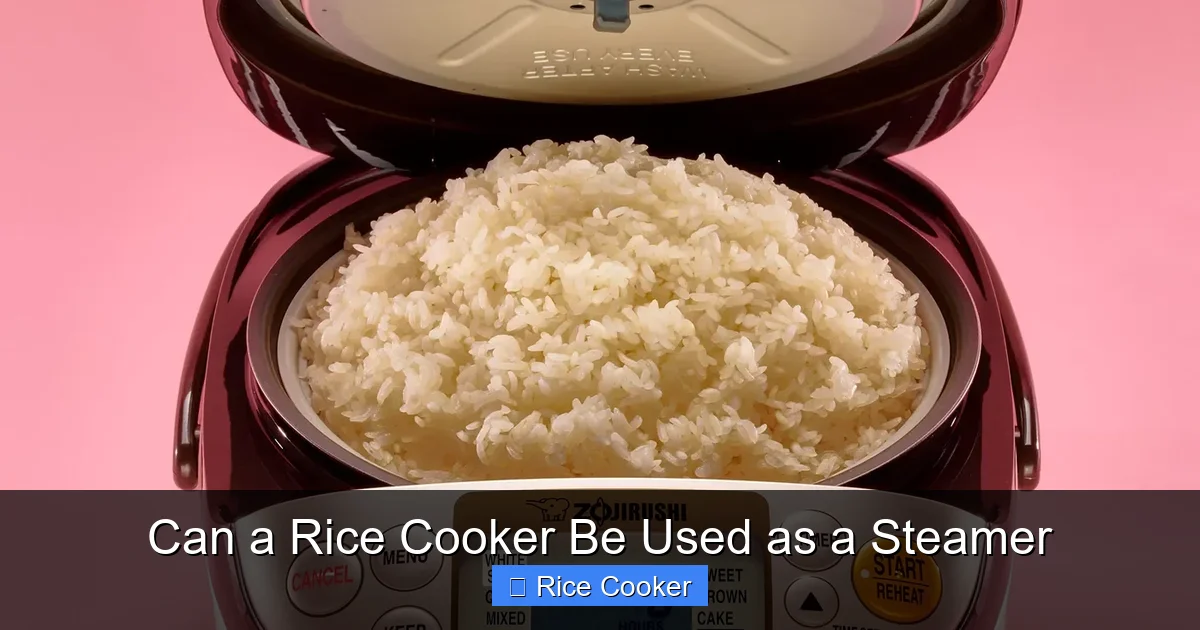
Can a rice cooker be used as a steamer? Absolutely! With the right setup, most rice cookers can steam food just like a dedicated steamer. This dual-function appliance saves space and energy, making it perfect for healthy cooking on a budget. Whether you’re steaming broccoli or reheating leftovers, your rice cooker is surprisingly capable.
Key Takeaways
- Most modern rice cookers have steaming functions: Many models come with a built-in steaming tray or plate that allows you to cook food above the rice, using steam from boiling water.
- You can steam without rice: Even if your rice cooker doesn’t have a steamer attachment, you can still use it to steam by adding water and placing a heat-safe bowl or trivet inside.
- Steaming in a rice cooker preserves nutrients: Unlike boiling or frying, steaming keeps vitamins and minerals intact, making it a healthier cooking method.
- It’s energy-efficient: Using one appliance for both cooking rice and steaming reduces clutter and electricity usage compared to owning separate devices.
- Versatile for various foods: From vegetables and fish to dumplings and eggs, a rice cooker can handle a wide range of steaming tasks with minimal effort.
- Proper timing is key: Steaming times vary by food type and quantity—oversteaming can make vegetables mushy or dry out delicate proteins.
- Cleaning is simple: Most steamer inserts are dishwasher-safe, making cleanup after steaming quick and easy.
📑 Table of Contents
- Can a Rice Cooker Be Used as a Steamer? The Surprising Kitchen Multi-Tool
- Why Use a Rice Cooker as a Steamer?
- How Does a Rice Cooker Work as a Steamer?
- Step-by-Step Guide: How to Steam Food in a Rice Cooker
- What Foods Can You Steam in a Rice Cooker?
- Tips for Perfect Steaming Every Time
- Common Mistakes to Avoid
- Comparing Rice Cooker Steaming vs. Traditional Steaming
- Can All Rice Cookers Be Used as Steamers?
- Maintenance and Longevity Tips
- Real-Life Examples: What People Are Steaming
- The Future of Rice Cookers: More Than Just Rice
- Final Thoughts: Yes, You Should Try It!
Can a Rice Cooker Be Used as a Steamer? The Surprising Kitchen Multi-Tool
Have you ever looked at your rice cooker and thought, “This thing just makes rice, right?” If so, you’re not alone. But what if I told you that your humble rice cooker might just be the most underappreciated multitasker in your kitchen? Yes, you read that correctly—your rice cooker can do far more than just cook grains. In fact, can a rice cooker be used as a steamer? The answer is a resounding yes, and it might just change the way you cook forever.
In recent years, rice cookers have evolved far beyond their original purpose. Today’s models are sleek, smart, and packed with features that rival traditional steamers. But even older, simpler versions can be repurposed into effective steamers with a little know-how. Whether you’re looking to save money, reduce clutter, or simply eat more steamed meals, learning how to use your rice cooker as a steamer is a game-changer. Let’s dive into why this kitchen hack works, how to do it safely, and which foods shine when steamed in a rice cooker.
Why Use a Rice Cooker as a Steamer?
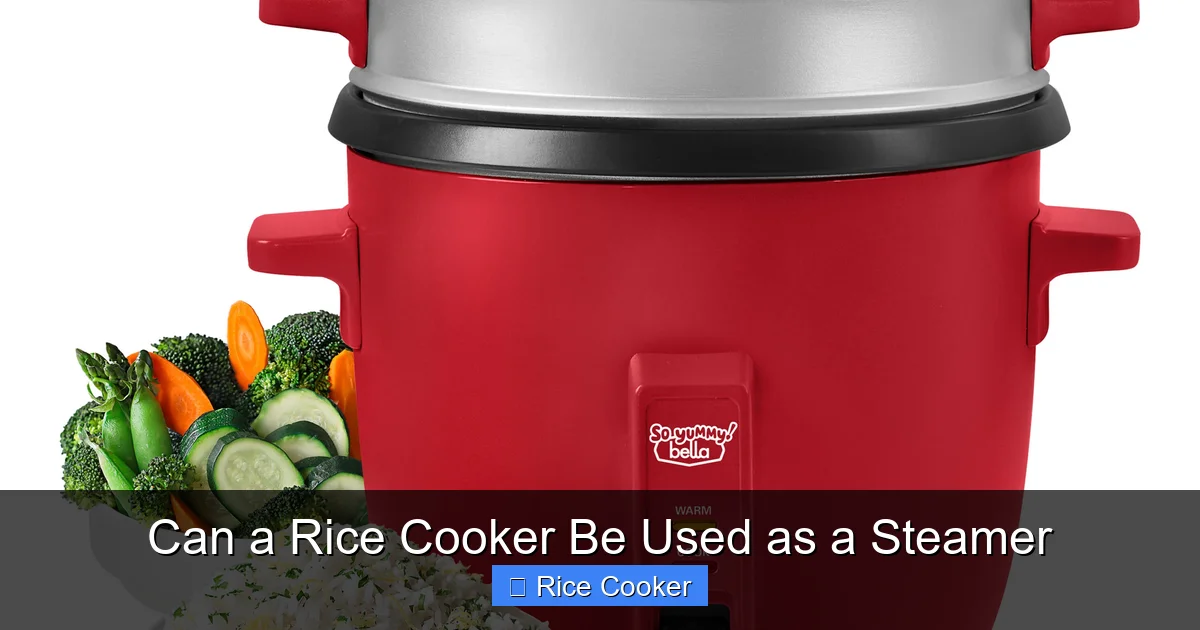
Visual guide about Can a Rice Cooker Be Used as a Steamer
Image source: soyummy.com
Before we get into the “how,” let’s talk about the “why.” Why would anyone choose to steam food in a rice cooker instead of using a separate steamer basket or pot with a lid?
For starters, convenience. If you already own a rice cooker, there’s no need to buy another appliance. This is especially helpful for small kitchens, college dorms, or anyone living alone. Instead of juggling multiple pots and pans, you can streamline your cooking process with one device.
Then there’s the health factor. Steaming is one of the gentlest cooking methods available. It uses hot water vapor to cook food without submerging it in water or exposing it to high, direct heat. This helps preserve essential nutrients—like vitamin C and folate—that can be lost during boiling or frying. When you ask, “Can a rice cooker be used as a steamer?” you’re also asking, “Can I cook nutritiously without extra steps?” And the answer is yes.
Energy efficiency is another big plus. Rice cookers use less power than stovetop burners or ovens. They’re designed to maintain consistent temperatures, so once the water boils and turns to steam, they keep things going without wasting energy. That means lower utility bills and less environmental impact.
Lastly, versatility. A good rice cooker can go from cooking jasmine rice to simmering soup, sautéing veggies, and yes—steaming everything from broccoli to chicken. It’s like having a mini kitchen lab at home.
How Does a Rice Cooker Work as a Steamer?
To understand how a rice cooker can function as a steamer, you need to know how it works. At its core, a rice cooker heats water until it reaches boiling point, then maintains that temperature through convection (hot air movement) and condensation. When you add rice and water, the heat turns the water into steam, which cooks the rice evenly.
Now, when you introduce a steaming insert or a heat-safe bowl into the pot, that same steam can rise and gently cook food placed above the water line. The key is ensuring enough water is present to generate continuous steam without burning out the heating element.
The Science Behind Steaming in a Rice Cooker
Steam is essentially superheated water vapor. When it comes into contact with cooler food, it condenses, releasing latent heat that cooks the food. In a rice cooker, the internal temperature usually stays between 100°C and 105°C (212°F–221°F), which is ideal for gentle, even cooking.
Because rice cookers are sealed and insulated, steam circulates efficiently inside the pot. This creates a humid environment perfect for steaming. The downside? You can’t open the lid frequently without losing steam and increasing cooking time. So patience is key.
Types of Rice Cookers That Can Steam
Not all rice cookers are created equal. Some have dedicated steaming trays built into the design, while others rely on accessories. Here’s a breakdown:
– Basic Rice Cookers: These often lack a steamer basket but can still be used for steaming with a DIY setup.
– Multi-Function Models: Popular brands like Zojirushi, Panasonic, and Instant Pot offer models with removable steaming trays or plates.
– Smart Rice Cookers: High-end versions may include apps, sensors, and preset modes for steaming vegetables, fish, or even baking cakes.
– Microwave Rice Cookers: These typically aren’t suitable for steaming due to lack of open heating elements.
If your rice cooker came with a steamer insert, check the manual. If not, don’t worry—you can improvise.
Step-by-Step Guide: How to Steam Food in a Rice Cooker
Ready to turn your rice cooker into a steaming powerhouse? Follow these simple steps:
1. Gather Your Supplies
You’ll need:
– Your rice cooker and its inner pot
– Enough water to reach the minimum fill line (usually marked)
– A heat-safe steaming basket or bowl (metal mesh baskets work best)
– The food you want to steam
2. Add Water to the Inner Pot
Fill the pot with water up to the designated level. Too little water won’t produce enough steam; too much risks overflow. For most models, aim for at least 1–2 inches of water.
3. Place the Steamer Basket Inside
Put the empty steamer basket or bowl into the pot. Make sure it sits above the water level—this prevents the food from touching the liquid and ensures pure steam circulation.
4. Arrange Your Food
Place vegetables, fish fillets, dumplings, or other items in the steamer basket. Don’t overcrowd—leave space for steam to flow freely.
5. Close the Lid and Turn On
Plug in your rice cooker and press the “Steam” button if available. If not, select “Cook” or “Keep Warm” and let it run. Most rice cookers will automatically switch to “Keep Warm” once steaming begins, which is fine—it maintains the right temperature.
6. Monitor and Time It
Set a timer based on the food type:
– Broccoli or green beans: 5–7 minutes
– Fish fillets: 8–10 minutes
– Dumplings: 10–12 minutes
– Hard-boiled eggs: 12–15 minutes
Avoid opening the lid unnecessarily—steam escapes quickly!
7. Let It Rest Before Serving
Once done, let the food rest for 1–2 minutes before removing it. This final burst of heat finishes the cooking process gently.
What Foods Can You Steam in a Rice Cooker?
The possibilities are endless! Here’s a list of common foods that shine when steamed in a rice cooker:
Veggies That Steam Well
Broccoli, cauliflower, carrots, zucchini, asparagus, and bok choy all retain their color, crunch, and nutrients when steamed. Steaming them in a rice cooker means they’ll be tender-crisp and flavorful—perfect as side dishes or meal prep ingredients.
Proteins Perfected by Steam
Fish like salmon, cod, or tilapia cook beautifully under steam. They stay moist, flaky, and full of omega-3s. Chicken breasts also work well—just place them in a heat-safe dish and cover with foil if needed.
Dumplings and Buns
Want fresh steamed bao or gyoza without a bamboo steamer? Just place them in a metal colander inside the rice cooker. The even heat ensures they puff up and cook through without sticking.
Eggs Made Simple
Hard-boiled or soft-boiled eggs? Just put them in a bowl, cover with foil, and steam for 12–15 minutes. No messy shells!
Other Surprises
You can even steam fruits like peaches or pears for desserts, or reheat leftovers safely without drying them out.
Tips for Perfect Steaming Every Time
Even though rice cookers are user-friendly, a few tricks will take your steaming game to the next level:
Use a Metal Steamer Basket
Plastic or wooden baskets may warp or catch fire. Stainless steel or aluminum mesh baskets distribute heat evenly and last longer.
Don’t Overfill the Basket
Leave gaps between items so steam can circulate. Overcrowding leads to uneven cooking.
Pre-Cut Large Veggies
Thin slices or small florets cook faster and more uniformly. This is especially important for root vegetables like carrots or potatoes.
Cover Delicate Foods
If you’re steaming fish or eggs, place a piece of parchment paper or foil over the container to trap moisture and prevent drying.
Clean Immediately After Use
Residue from food or starch can harden inside the pot. Rinse the steamer basket and wipe the inner pot while it’s still warm.
Experiment with Flavors
Add ginger slices, lemon wedges, or a splash of soy sauce beneath the food for extra aroma.
Common Mistakes to Avoid
While steaming in a rice cooker is easy, beginners often run into issues. Here’s how to avoid them:
– Not Enough Water: Running dry can damage your rice cooker. Always check the water level before starting.
– Opening the Lid Too Often: Each time you lift the lid, you lose heat and steam. Plan ahead!
– Using Non-Heat-Safe Containers: Never use glass bowls unless labeled microwave-safe—they can shatter.
– Ignoring Timing Differences: Frozen dumplings take longer than fresh ones. Adjust accordingly.
– Forgetting to Drain Excess Moisture: After steaming, tilt the basket to let excess water drip off before serving.
Comparing Rice Cooker Steaming vs. Traditional Steaming
So how does steaming in a rice cooker stack up against using a dedicated steamer or a pot with a lid?
| Feature | Rice Cooker Steaming | Traditional Steaming |
|——–|———————-|———————–|
| Energy Use | Low (auto shut-off) | Moderate (stove required) |
| Ease of Use | Very easy (one-button operation) | Requires monitoring |
| Space Efficiency | High (fits in small kitchens) | Lower (needs burner space) |
| Temperature Control | Automatic (maintains steam) | Manual (boil + cover) |
| Versatility | Can cook rice, soup, steam, etc. | Limited to steaming |
| Cost | Free (if already owned) | Extra purchase needed |
As you can see, rice cooker steaming wins on convenience, efficiency, and adaptability. The only real drawback is size—you can’t steam large quantities at once.
Can All Rice Cookers Be Used as Steamers?
Here’s the honest truth: not every rice cooker is built for steaming. Older models or very basic units may lack the capacity or safety features needed. However, if your rice cooker has an inner pot with markings for water levels and a locking lid, it’s likely usable.
To test yours:
1. Fill the pot halfway with water.
2. Place a metal colander inside.
3. Plug it in and see if it heats consistently without smoking or shutting off prematurely.
If it works, great! If not, consider investing in a universal steamer insert—they’re inexpensive and widely available online.
Also, avoid using rice cookers for long-term boiling (like pasta) unless the manual says it’s safe. Prolonged exposure to high moisture can corrode internal components.
Maintenance and Longevity Tips
To keep your rice cooker in top shape while using it as a steamer:
– Never Run It Dry: Always ensure there’s water in the base before turning it on.
– Clean the Heating Plate: Mineral deposits can build up. Wipe it monthly with a damp cloth.
– Check Seals and Lids: Replace worn gaskets to prevent leaks.
– Avoid Harsh Cleaners: Stick to mild soap and water. Scrubbing pads can scratch surfaces.
With proper care, your rice cooker can last 10+ years—even with regular steaming.
Real-Life Examples: What People Are Steaming
Let’s bring this to life with some real-world scenarios.
**Meal Prep Monday:** Sarah, a busy mom, steams a batch of quinoa (yes, really!) and broccoli in her rice cooker every Sunday. She stores portions in jars for the week—no oven needed!
**Health-Conscious Cooking:** Mark uses his rice cooker to steam salmon with dill and lemon. He says it tastes restaurant-quality and takes less than 10 minutes.
**Leftover Revival:** Lisa reheats leftover dumplings by steaming them for 8 minutes. They come out soft, juicy, and never soggy.
These stories show that steaming in a rice cooker isn’t just possible—it’s practical, delicious, and time-saving.
The Future of Rice Cookers: More Than Just Rice
Manufacturers are catching on. New models feature:
– Built-in scales for precise ingredient measurement
– App connectivity for remote control
– Specialized settings for steaming, yogurt-making, and even brewing tea
Imagine setting your phone to start steaming dinner while you commute home. The future of rice cookers is bright—and incredibly useful.
Final Thoughts: Yes, You Should Try It!
So, back to the original question: Can a rice cooker be used as a steamer? Without hesitation—yes.
It’s affordable, eco-friendly, and surprisingly effective. Whether you’re new to cooking or a seasoned pro, mastering this technique adds flexibility to your repertoire. You’ll reduce kitchen clutter, save energy, and enjoy healthier meals with minimal effort.
Next time you’re wondering what to cook for dinner, skip the complicated recipes. Fill your rice cooker with water, toss in some veggies or fish, and let science do the rest. Your taste buds—and your schedule—will thank you.
Frequently Asked Questions
Can any rice cooker be used as a steamer?
Most modern rice cookers can be used as steamers, especially those with a locking lid and water-level markings. Basic models may require a DIY setup like a metal colander. Always consult your manual first.
Do I need a special steamer basket for my rice cooker?
Not necessarily. While steamer baskets are convenient, you can use any heat-safe metal container, like a stainless steel colander or even a heatproof bowl with holes punched in the bottom.
How long does it take to steam vegetables in a rice cooker?
Most vegetables take 5–7 minutes to steam fully. Smaller pieces or leafy greens cook faster, while denser veggies like carrots may need up to 10 minutes. Check for tenderness before serving.
Can I steam rice and other food at the same time?
Yes! Simply place the steamer basket above the rice layer. This is great for meal prep—cook rice below and steam veggies or fish on top simultaneously.
Is steaming in a rice cooker safe?
Absolutely. As long as you follow instructions—adding enough water, avoiding non-heat-safe containers, and not running it dry—it’s completely safe and efficient.
What’s the difference between steaming and boiling in a rice cooker?
Steaming uses hot vapor without submerging food in water, preserving nutrients and texture. Boiling submerges food in liquid, which can leach vitamins and make foods soggy. Not all rice cookers support boiling safely.