
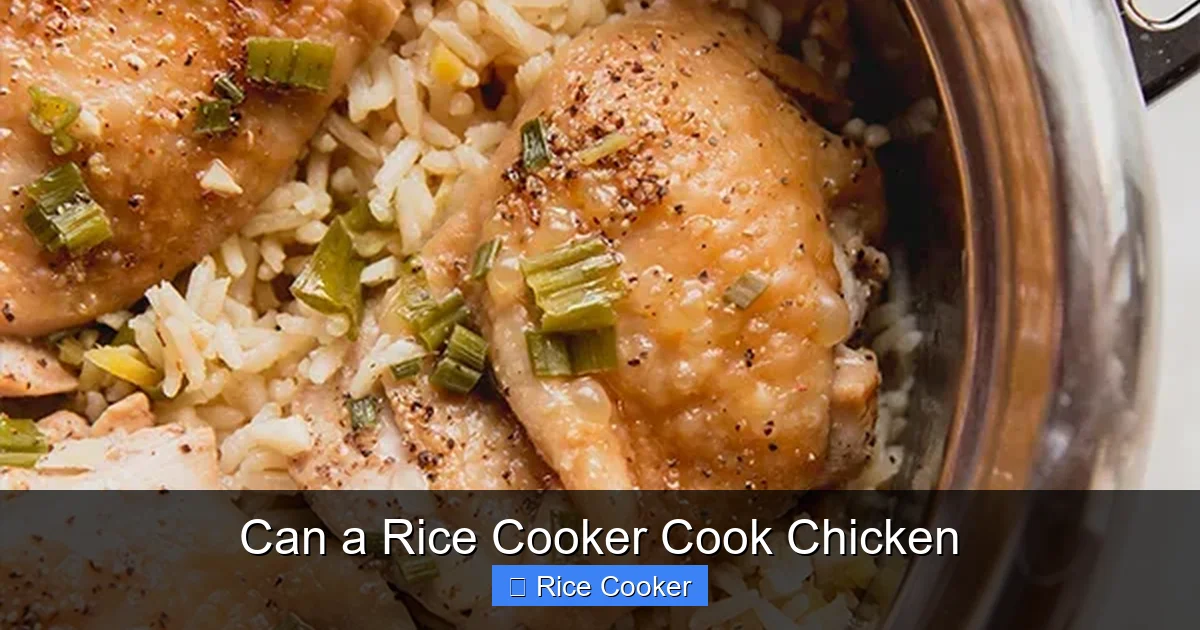
Can a rice cooker cook chicken? Absolutely — and it’s easier than you think. With the right technique, your rice cooker becomes a powerful tool for juicy, flavorful chicken every time. Whether you’re cooking whole breasts, thighs, or even shredded meals, this all-in-one method saves time and effort without sacrificing taste.
Key Takeaways
- Rice cookers are safe and effective for cooking chicken. Modern models have precise temperature control that ensures even cooking without overcooking.
- No special equipment is needed. Your existing rice cooker works just fine — no pressure cooker or oven required.
- Chicken stays moist and tender. The sealed environment traps steam, keeping meat juicy while infusing it with subtle flavors.
- You can cook various cuts easily. From boneless breasts to whole legs, the rice cooker handles them all with consistent results.
- Cooking times vary by cut and model. Always check internal temperature (165°F) and adjust timing as needed for best outcomes.
- Add herbs or broth for extra flavor. Aromatics enhance the taste without complicating the process.
📑 Table of Contents
- Can a Rice Cooker Cook Chicken?
- Why Use a Rice Cooker for Chicken?
- What Types of Chicken Can You Cook?
- Step-by-Step Guide: How to Cook Chicken in a Rice Cooker
- Tips for Perfect Results Every Time
- Creative Recipes Using Rice Cooker Chicken
- Troubleshooting Common Issues
- Is It Worth It? Pros vs. Cons
- Final Thoughts
Can a Rice Cooker Cook Chicken?
Have you ever wondered if your trusty rice cooker could do more than just turn plain white rice into fluffy perfection? The short answer? Yes — absolutely! Your rice cooker isn’t just for grains anymore. With a little know-how, it can become one of your most reliable tools for preparing juicy, flavorful chicken with minimal effort.
Whether you’re meal prepping for the week, feeding a hungry family, or just looking to simplify dinner, using your rice cooker to cook chicken is a game-changer. It eliminates guesswork, reduces cleanup, and delivers consistent results every time. Plus, it keeps your kitchen cooler than baking or roasting — perfect on hot summer days.
In this comprehensive guide, we’ll walk you through everything you need to know about cooking chicken in a rice cooker: from safety tips and ingredient prep to recipe ideas and troubleshooting common issues. By the end, you’ll be ready to turn your appliance into a multitasking kitchen hero.
Why Use a Rice Cooker for Chicken?
At first glance, it might seem odd to cook chicken in an appliance designed for boiling water and steaming rice. But there are several compelling reasons why this method stands out — especially when compared to traditional stove-top or oven methods.

Visual guide about Can a Rice Cooker Cook Chicken
Image source: ansoup.com
The Science Behind It
Rice cookers operate using thermal sensors that detect when the liquid inside has evaporated and the container is nearly dry. In standard operation, this triggers the “keep warm” mode automatically. When cooking chicken, you’re essentially turning your rice cooker into a sealed steamer. As the chicken releases moisture during cooking, that steam circulates around the meat, gently cooking it from the outside in while locking in juices.
This closed-loop system prevents air-drying — a common problem with oven-roasted chicken — resulting in consistently moist results even with lean cuts like breast meat.
Safety First
One of the biggest concerns people have is whether it’s safe to cook raw chicken in their rice cooker. Rest assured: yes, it’s completely safe, provided you follow basic food safety guidelines. Just make sure your appliance is clean, the chicken reaches an internal temperature of 165°F (74°C), and you avoid cross-contamination by using separate utensils and surfaces.
Time and Energy Savings
Unlike frying or grilling, which require constant attention and generate heat throughout your kitchen, rice cooker cooking is hands-off. You set it and forget it — ideal for busy weekdays. And since most rice cookers use less electricity than ovens or stovetops, you save on energy bills too.
Multitasking Magic
Here’s the real magic: you can cook both rice and chicken in the same pot at the same time. Add brown rice to the bottom layer, place seasoned chicken on top (in a dish or directly on the rack), add water or broth, and let the appliance do its thing. Dinner is served without doubling your dishes or cooking time.
What Types of Chicken Can You Cook?
Your rice cooker isn’t picky — it works well with almost any cut of chicken. The key is adjusting preparation slightly depending on what you’re cooking.
Boneless Skinless Breasts
These are great for quick, healthy meals. Pound them to uniform thickness so they cook evenly (about ½ inch thick). Season with salt, pepper, garlic powder, or your favorite rub. Place them directly in the inner pot or on a trivet above the liquid. Cooking time typically ranges from 20–25 minutes.
Bone-In Thighs and Drumsticks
Fattier and more forgiving than breasts, these stay incredibly tender even if you overcook them slightly. Marinate beforehand for added flavor — try soy sauce, honey, lemon juice, and herbs. These usually take 30–35 minutes to cook fully.
Whole Chicken (Not Recommended)
While technically possible, cooking a whole chicken in a rice cooker is impractical due to size limitations and uneven heating. Stick to smaller portions unless you have a large-capacity model.
Ground Chicken
Use caution here. Ground chicken can splatter and may not cook evenly unless shaped into patties or placed in a covered dish. Consider using the “porridge” or “steam” function instead of the regular rice setting.
Step-by-Step Guide: How to Cook Chicken in a Rice Cooker
Ready to give it a try? Follow these simple steps for foolproof results every time.
Gather Your Supplies
- Clean rice cooker with inner pot
- Fresh chicken (any cut)
- Seasonings of choice (salt, pepper, paprika, herbs, etc.)
- Liquid (water, broth, or coconut milk)
- Trivet or heat-safe bowl (optional, for elevated cooking)
- Meat thermometer
Prepare the Chicken
Start by patting your chicken dry with paper towels. Dry skin or flesh helps seasonings stick better and promotes even browning. Then season generously on both sides. For extra depth, marinate for 30 minutes to overnight in the fridge.
Add Liquid and Setup
Fill the inner pot with 1 cup of liquid per 1 pound of chicken — enough to reach halfway up the chicken pieces if placed upright. If using bone-in pieces, position them so they stand slightly above the liquid line. For boneless, lay them flat.
Place a trivet or small heat-proof bowl in the pot if you want the chicken to sit above the liquid (this mimics steaming rather than simmering). Otherwise, submerge partially — just ensure there’s still some liquid left after cooking begins.
Cook and Check Temperature
Close the lid and select the “white rice” or “manual” setting. Most models default to high heat initially, then switch to low. Let it run its full cycle — don’t open the lid early! After cooking completes, let the chicken rest for 5 minutes before checking the internal temperature with a meat thermometer. It should read at least 165°F (74°C).
Rest and Serve
Residual heat continues cooking the chicken slightly, so resting ensures accuracy. Once cooled enough to handle, shred, slice, or serve whole. Drizzle with pan juices or a fresh herb sauce for extra flavor.
Tips for Perfect Results Every Time
Even experienced cooks benefit from a few pro tips to maximize success with chicken in the rice cooker.
Don’t Overcrowd the Pot
Leave space between chicken pieces so steam can circulate freely. Too much in one layer leads to uneven cooking and soggy spots.
Use Broth Instead of Water
Cooking liquid makes a huge difference in flavor. Swap plain water for chicken broth, vegetable stock, or even tomato juice for added richness.
Season Generously
Since the chicken sits submerged or steamed, seasoning needs to penetrate. Rub spices directly onto the meat, or mix them into the liquid for even distribution.
Avoid Opening the Lid Mid-Cook
Each time you lift the lid, you release heat and delay cooking. Only open it at the very end to check doneness.
Let It Rest Before Flipping
If flipping during cooking, wait until the first 10–15 minutes are done. Premature flipping risks tearing delicate meat.
Clean Immediately After Use
Chicken residue hardens quickly. Rinse the inner pot while still warm, scrub gently, and wipe the exterior. Regular cleaning extends your appliance’s lifespan.
Creative Recipes Using Rice Cooker Chicken
Once you master the basics, the possibilities expand dramatically. Here are three crowd-pleasing recipes to get you started.
Honey Garlic Chicken with Jasmine Rice
Combine 2 cups jasmine rice, 3 cups chicken broth, 2 pounds boneless chicken thighs, 3 cloves minced garlic, ¼ cup honey, 2 tbsp soy sauce, and 1 tsp ginger powder. Cook on “rice” setting. Serve with sesame seeds and green onions.
Thai Coconut Curry Chicken
Layer 1 cup jasmine rice with 2 lbs chicken breasts, 1 can coconut milk, 2 tbsp red curry paste, 1 bell pepper sliced, and ½ cup frozen peas. Cook until rice absorbs liquid. Garnish with cilantro.
Herbed Lemon Chicken & Quinoa
Alternate layers of quinoa, chicken strips, lemon slices, thyme sprigs, and chicken broth. Steam for 25 minutes. Finish with a squeeze of fresh lemon juice.
Troubleshooting Common Issues
Even with careful prep, things can go wrong. Here’s how to fix them.
Chicken Is Undercooked
Check internal temp again. If below 165°F, return to cook for 5–10 more minutes. Avoid opening lid frequently.
Chicken Is Dry or Tough
This often happens with lean cuts cooked too long. Next time, reduce cooking time by 5 minutes or use bone-in/fatty cuts.
Water Evaporates Too Quickly
Ensure you used enough liquid initially. Also, verify the sealing ring isn’t cracked — poor seals cause rapid evaporation.
Rice Burns or Sticks
Overcrowding or insufficient liquid causes burning. Stir rice once halfway through if your model allows. Or increase liquid by 25% next batch.
Smell Lingers in Appliance
Clean thoroughly after each use. A paste of baking soda and water works wonders for lingering odors. Run an empty cycle with vinegar afterward.
Is It Worth It? Pros vs. Cons
Like any cooking method, rice cooker chicken has advantages and drawbacks.
Pros
- Hands-off convenience
- Consistent moisture retention
- Energy-efficient
- Minimal cleanup
- Great for meal prep
- Safe when used correctly
Cons
- Limited capacity for large quantities
- Lacks crispy exterior (like frying)
- May not caramelize flavors as deeply as roasting
- Requires monitoring liquid levels
For everyday home cooking, the benefits far outweigh the limitations. If you rarely cook large batches or prefer charred textures, you might still choose other methods occasionally — but for most households, the rice cooker proves invaluable.
Final Thoughts
Cooking chicken in a rice cooker isn’t just possible — it’s practical, delicious, and surprisingly versatile. Whether you’re a beginner or a seasoned cook, this method offers a reliable way to prepare protein-rich meals with minimal fuss. From tender chicken breasts to fragrant curry-infused thighs, the results are consistently satisfying.
So go ahead — break out your rice cooker. Whip up some garlic butter chicken over wild rice, toss in a few veggies, and enjoy a complete meal in under an hour. Your future self will thank you for choosing simplicity without sacrificing flavor.
Frequently Asked Questions
Can I cook frozen chicken in my rice cooker?
It’s not recommended. Frozen chicken takes longer to cook and increases the risk of uneven heating or bacterial growth. Always thaw completely before cooking for safety and best texture.
Do I need a special rice cooker for cooking chicken?
Nope! Any standard electric rice cooker with a removable inner pot works fine. Some newer models even have dedicated “steam” or “soup” settings that can be useful.
How do I prevent the chicken from getting soggy?
Use a trivet to elevate the chicken above the liquid, and avoid overcooking. Also, pat the chicken dry before seasoning to help maintain structure.
Can I cook vegetables with the chicken?
Absolutely! Carrots, broccoli, potatoes, and mushrooms all work well. Add harder vegetables first so they cook evenly with the chicken.
What if my rice cooker doesn’t have a keep-warm function?
That’s okay! Just monitor cooking time closely and remove the chicken as soon as it hits 165°F internally. The residual heat will finish the job.
Is it safe to reuse the same pot for raw chicken and rice?
Only if cleaned properly. Wash the inner pot with hot soapy water immediately after use. Never reuse uncooked rice or chicken in the same pot without thorough sanitization.