
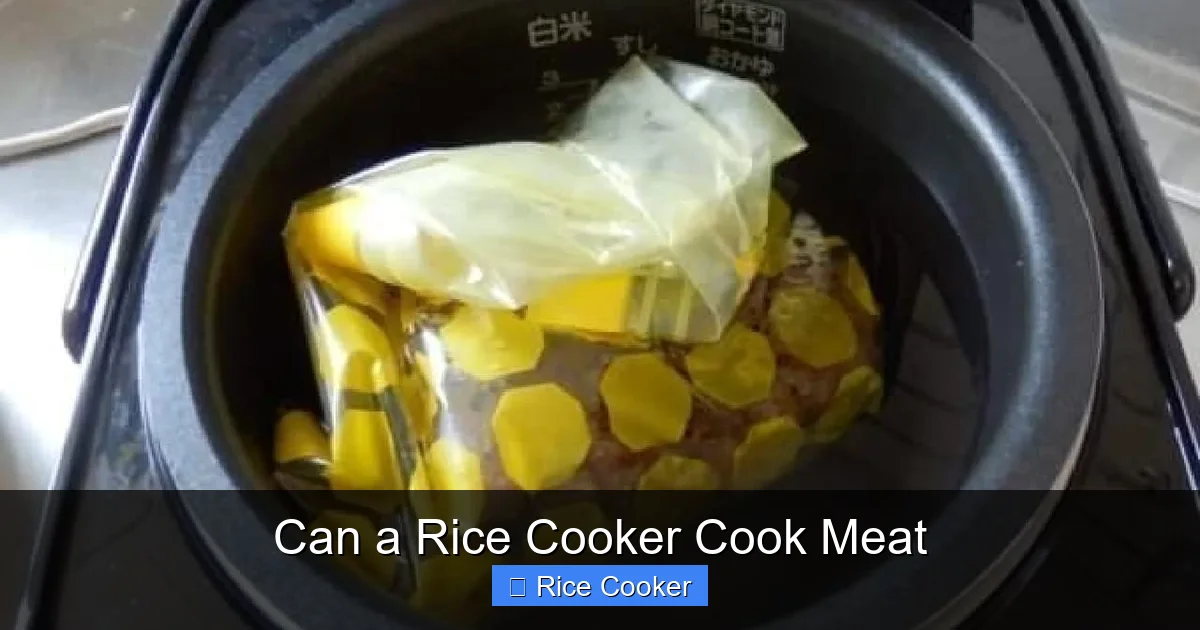
Yes, a rice cooker can cook meat—and it’s easier than you think! Using the keep-warm function and proper seasoning, you can achieve tender, juicy meats like chicken, beef, or pork with minimal effort. With the right technique, your rice cooker becomes a versatile kitchen tool for more than just grains.
Key Takeaways
- Rice cookers can cook meat safely: Many modern rice cookers have settings that reach temperatures high enough to cook proteins thoroughly.
- Keep-warm mode is useful for reheating or resting meat: It helps retain moisture and prevents overcooking after the meat is done.
- Marinating and seasoning are essential: Since rice cookers don’t brown meat, flavor comes from internal seasoning and sauces.
- Different meats require different prep: Chicken, beef, pork, and fish all need tailored approaches for best results.
- Cleaning and safety matter: Always clean the inner pot and use oven-safe lids if needed to avoid contamination.
- It’s energy-efficient and hands-off: Cooking meat in a rice cooker uses less energy and frees up your stovetop.
📑 Table of Contents
- Can a Rice Cooker Cook Meat?
- The Science Behind Cooking Meat in a Rice Cooker
- What Types of Meat Can You Cook in a Rice Cooker?
- Step-by-Step Guide: How to Cook Meat in a Rice Cooker
- Tips for Perfect Meat in Your Rice Cooker
- Common Mistakes to Avoid
- Delicious Recipes to Try
- Conclusion: Yes, You Can Cook Meat in a Rice Cooker
Can a Rice Cooker Cook Meat?
You’ve probably heard the saying, “Don’t put meat in a rice cooker”—but is that rule really true? For years, purists insisted that rice cookers were only for grains, beans, and soups, not proteins. But times have changed. Today’s rice cookers are smarter, safer, and more versatile than ever before. And yes—you absolutely can cook meat in a rice cooker.
Whether you’re meal-prepping for the week, cooking for picky eaters, or just want to simplify dinner, using your rice cooker for meat might be the game-changer you didn’t know you needed. Not only does it save time, but it also reduces cleanup and keeps your kitchen cool during hot summer months. Plus, the gentle, even heat helps lock in moisture, resulting in tender, flavorful dishes without constant attention.
The Science Behind Cooking Meat in a Rice Cooker
At first glance, cooking meat in a rice cooker might seem risky. After all, most rice cookers aren’t marketed as pressure cookers or slow cookers. But modern electric rice cookers—especially those with advanced features—can reach temperatures sufficient to cook meat safely when used correctly.
Visual guide about Can a Rice Cooker Cook Meat
Image source: smartkitchenimprovement.com
How Heat Transfer Works
When you add water or broth to the inner pot, the rice cooker heats the liquid evenly across the bottom. As the liquid evaporates, it creates steam, which circulates around the food. This moist-heat environment cooks meat gently and uniformly. Unlike frying or grilling, which rely on dry heat and browning, rice cookers cook through conduction and convection—making them ideal for delicate proteins like chicken breasts or fish fillets.
Temperature Considerations
Most basic rice cookers operate between 185°F (85°C) and 212°F (100°C), depending on the setting. While this may not be hot enough to sear meat, it’s plenty to cook it through—especially when combined with longer cooking times. Advanced models with fuzzy logic or induction heating can reach higher temperatures, making them better suited for tougher cuts.
Safety First: Internal Temperature Matters
No matter how you cook meat, safety comes down to one thing: internal temperature. The USDA recommends:
- Chicken: 165°F (74°C)
- Pork: 145°F (63°C), followed by a 3-minute rest
- Ground beef: 160°F (71°C)
- Fish: 145°F (63°C)
Using a meat thermometer is crucial when cooking in a rice cooker. Since there’s no visual cue like browning, you can’t tell if meat is done just by looking. Insert the thermometer into the thickest part of the meat to confirm it reaches the safe temperature.
What Types of Meat Can You Cook in a Rice Cooker?
Not all meats are created equal when it comes to rice cooker cooking. Some work better than others, depending on texture, fat content, and size. Here’s a breakdown of popular options.
Chicken: The Most Popular Choice
Chicken is arguably the easiest and most reliable meat to cook in a rice cooker. Boneless, skinless chicken thighs or breasts cook beautifully in a flavorful broth or sauce. Try marinating the chicken overnight in soy sauce, garlic, ginger, and honey before adding it to the cooker with rice or vegetables.
A simple recipe: Place seasoned chicken pieces in the inner pot, add a cup of jasmine rice and two cups of chicken broth. Set the cooker to “White Rice” or “Manual” mode, and let it do its magic. Once cooked, shred or slice the chicken for tacos, salads, or bowls.
Beef: Tender Results with the Right Cut
While lean cuts like sirloin can dry out quickly, tougher cuts like chuck roast or brisket actually benefit from low-and-slow cooking. A rice cooker’s keep-warm function works wonders here—once the meat hits the right temperature, it stays warm without overcooking.
For beef, sear the meat first in a pan (optional but recommended for extra flavor), then transfer it to the rice cooker with onions, carrots, potatoes, and beef broth. Add rice on top. The result? Fall-apart tender beef with fluffy rice in under an hour.
Pork: Moist and Juicy Every Time
Pork tenderloin or shoulder can be cooked whole or cubed. Pork shoulder, especially, absorbs flavors well and remains moist thanks to the steamy environment. Rub the meat with spices, place it in the pot with apple cider vinegar or barbecue sauce, and cook with white rice or grits.
Pro tip: Use the “Slow Cook” mode if your rice cooker has it. Even if it’s labeled for rice, many modern models can handle extended cooking times without burning the bottom.
Fish and Seafood: Delicate but Doable
Delicate fish like salmon or cod can be tricky—too much heat or too long a cook time will turn them into mush. But with careful timing, you can poach fish perfectly in a rice cooker.
Place fish fillets in the pot with lemon slices, herbs, and a splash of white wine. Add water or broth so it comes halfway up the fish. Cover tightly and cook on “Steam” or “Manual” mode for 8–12 minutes, depending on thickness. Remove the lid halfway through to check doneness.
Ground Meats: Use with Caution
Cooking ground beef or turkey in a rice cooker requires extra attention. Because ground meat has a larger surface area, it can cook unevenly. To reduce risk, mix the meat with rice or pasta to help distribute heat and prevent sticking.
Alternatively, use a double boiler setup: Place a heat-safe bowl filled with ground meat inside the rice cooker with simmering water. This indirect method helps control temperature and ensures even cooking.
Step-by-Step Guide: How to Cook Meat in a Rice Cooker
Ready to give it a try? Follow these simple steps for foolproof meat and rice dishes.
Step 1: Prep Your Ingredients
Start by washing rice (if using), chopping vegetables, and seasoning your meat. Marinate chicken or beef for at least 30 minutes—or overnight—for deeper flavor. Pat meat dry before seasoning to help spices stick.
Step 2: Layer Everything in the Pot
For best results, layer ingredients like this:
- Bottom layer: Rice and liquid (broth, water, or sauce)
- Middle layer: Vegetables (carrots, peas, corn)
- Top layer: Meat (chicken, beef, pork)
This arrangement helps prevent the rice from absorbing too much liquid and ensures even cooking.
Step 3: Choose the Right Setting
Most rice cookers have multiple modes:
- White Rice: Best for chicken or fish
- Brown Rice: Slightly longer cook time; good for tougher meats
- Steam: Ideal for delicate proteins like fish or steamed dumplings
- Keep Warm: Use after meat is cooked to rest and stay warm
Step 4: Monitor and Test Doneness
Once the cook cycle ends, let the meat rest for 5–10 minutes before checking. Use a meat thermometer to confirm it’s reached the safe internal temperature. If it needs more time, press “Cook” again for another cycle.
Step 5: Serve and Enjoy
Fluff the rice, shred the chicken, or slice the beef. Garnish with fresh herbs, a squeeze of lime, or a drizzle of sauce. Pair with a side salad or steamed greens for a complete meal.
Tips for Perfect Meat in Your Rice Cooker
Want consistent, delicious results every time? Try these pro tips.
Use a Tight-Fitting Lid
Steam escaping from the rice cooker can lower internal temperature and extend cook time. Make sure your lid seals properly. If yours isn’t tight, consider covering the opening with foil or a silicone baking mat.
Add Acidic Ingredients Wisely
Lemon juice, vinegar, or tomatoes can break down proteins and make meat mushy. Add these toward the end of cooking or use them in marinades instead of directly in the pot.
Don’t Overcrowd the Pot
Too much meat or rice can block steam circulation. Stick to moderate portions—about 1–2 pounds of meat per standard 6-cup rice cooker.
Experiment with Broths and Sauces
Instead of plain water, use chicken, beef, or vegetable broth for extra flavor. Or try Asian-inspired sauces like teriyaki, miso, or curry paste mixed with soy sauce and sugar.
Clean the Inner Pot Immediately
Food residue left in the non-stick coating can burn and become hard to remove. Rinse the pot while still warm, scrub gently with a soft sponge, and avoid metal utensils.
Upgrade Your Rice Cooker
If you plan to cook meat regularly, consider investing in a multi-functional model with fuzzy logic, induction heating, or a steamer basket. These features offer better temperature control and versatility.
Common Mistakes to Avoid
Even experienced home cooks can run into issues when adapting rice cooker recipes for meat. Here’s what to watch out for.
Underseasoning
Since there’s no browning step, flavor must come from seasoning. Don’t skip salt, pepper, garlic, or herbs. Consider dry rubs or wet marinades for bold taste.
Using Too Much Liquid
Rice cookers need some liquid to generate steam, but too much turns rice into porridge. Follow standard rice ratios (1:1.5 rice to liquid) and adjust based on your model.
Ignoring Rest Time
Just like on the grill, meat needs to rest after cooking. Let it sit for 5–10 minutes to redistribute juices. This step makes a huge difference in tenderness.
Using the Wrong Pan Size
A small rice cooker struggles with large roasts. Conversely, a giant pot wastes energy and risks uneven cooking. Match your ingredients to your appliance’s capacity.
Neglecting the Keep-Warm Function
After cooking, switch to keep-warm mode to prevent overcooking. This is especially important for delicate meats like fish or chicken breasts.
Delicious Recipes to Try
Feeling inspired? Here are three easy, crowd-pleasing recipes to get you started.
1. Honey Garlic Chicken with Jasmine Rice
Ingredients:
- 1 lb boneless chicken thighs
- 1 cup jasmine rice
- 1.5 cups chicken broth
- 2 tbsp honey
- 3 cloves garlic, minced
- 1 tsp soy sauce
- 1/2 tsp ginger, grated
Instructions:
- Mix honey, garlic, soy sauce, and ginger in a bowl. Add chicken and marinate for 30 minutes.
- Layer rice and broth in the inner pot. Top with chicken.
- Cook on “White Rice” setting. Once done, rest 5 minutes, then fluff rice and serve chicken on top.
2. Beef Stew with Brown Rice
Ingredients:
- 1 lb beef chuck, cut into cubes
- 1 cup brown rice
- 2 cups beef broth
- 1 onion, chopped
- 2 carrots, sliced
- 2 potatoes, diced
- 1 tsp thyme
Instructions:
- Sear beef in a pan (optional). Layer rice, broth, vegetables, and beef in the pot.
- Cook on “Brown Rice” or “Manual” mode for 45–60 minutes.
- Check internal temp of beef. Rest, then serve hot.
3. Lemon Herb Salmon with Rice Pilaf
Ingredients:
- 4 salmon fillets
- 1 cup basmati rice
- 1.5 cups water
- Juice of 1 lemon
- Fresh dill and parsley
Instructions:
- Rinse rice and drain. Place in pot with water and lemon juice.
- Top with salmon fillets and herbs. Cover tightly.
- Cook on “Steam” mode for 10 minutes. Check with thermometer; add 2 more minutes if needed.
Conclusion: Yes, You Can Cook Meat in a Rice Cooker
So, can a rice cooker cook meat? Absolutely. With the right techniques, ingredients, and a little confidence, your rice cooker becomes a powerful tool for creating wholesome, flavorful meals with minimal effort. Whether you’re cooking chicken for family dinners, beef for a cozy stew, or fish for a light lunch, the gentle, even heat of a rice cooker delivers consistent results.
Forget outdated myths—modern rice cookers are built to handle more than just rice. By understanding how heat and moisture work together, you can expand your culinary horizons and enjoy hands-off cooking that tastes restaurant-quality. Plus, the convenience factor is unbeatable: set it and forget it, clean up easily, and free up your stovetop for other tasks.
Next time you’re planning dinner, skip the complicated recipes and reach for your rice cooker. Your taste buds—and your busy schedule—will thank you.
Frequently Asked Questions
Is it safe to cook meat in a rice cooker?
Yes, it’s safe as long as the meat reaches the proper internal temperature. Use a meat thermometer to ensure chicken hits 165°F, pork 145°F, and fish 145°F. Modern rice cookers provide consistent heat for thorough cooking.
Can you cook frozen meat in a rice cooker?
It’s not recommended. Frozen meat takes too long to thaw and cook evenly, increasing the risk of bacterial growth. Always thaw meat completely before adding it to the cooker.
Do I need to sear meat before cooking it in a rice cooker?
Not necessarily, but searing adds flavor through the Maillard reaction. For best results, especially with beef or pork, sear the meat in a hot pan before transferring it to the rice cooker.
Can a rice cooker replace a slow cooker?
Partially, but not exactly. Rice cookers heat faster and don’t retain heat as long as slow cookers. They’re better for quicker, steam-based cooking, while slow cookers excel at long, low-temperature braising.
How do I prevent rice from getting soggy when cooking meat?
Drain excess liquid after cooking, avoid overfilling the pot, and ensure proper steam circulation. Also, don’t lift the lid frequently during cooking, as this releases heat.
Can I cook meatballs in a rice cooker?
Yes! Place meatballs in the pot with sauce and rice or pasta. Cook on “White Rice” or “Manual” mode until meatballs register 165°F internally. This makes a great one-pot meal.