
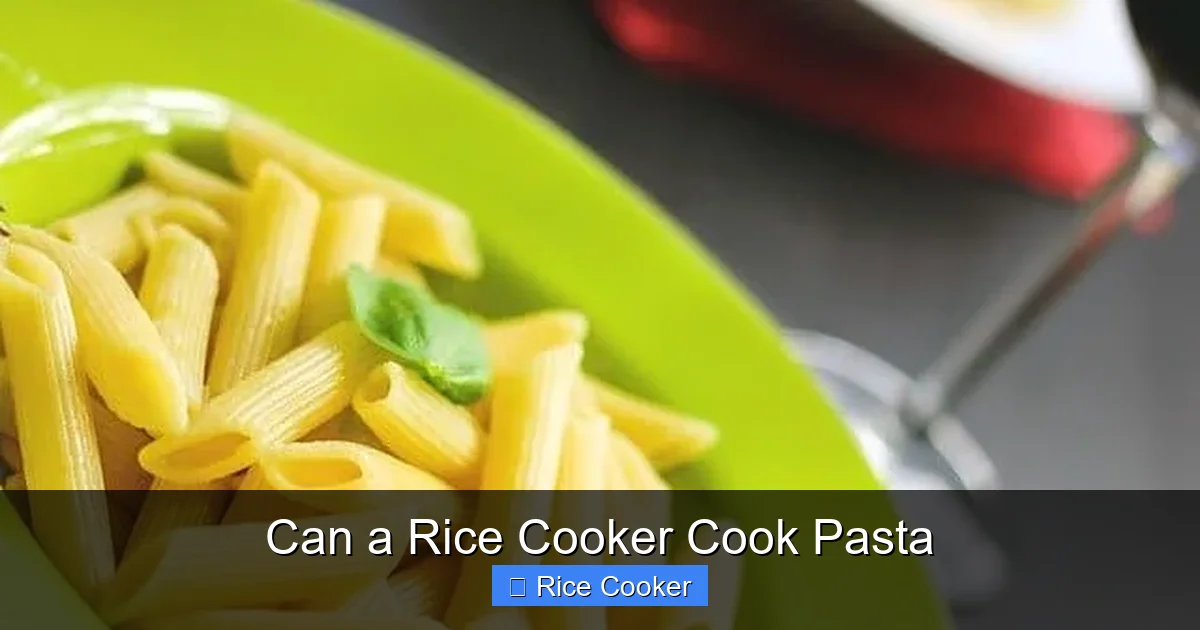
Yes, a rice cooker can cook pasta, though it requires some adjustments compared to traditional boiling methods. While not designed for pasta, many rice cookers handle it well—especially when using the right water ratio and cooker settings. This guide walks you through everything you need to know, from basic techniques to creative recipes, so you can confidently expand your rice cooker’s culinary uses beyond steamed rice.
Key Takeaways
- Yes, rice cookers can cook pasta—but they aren’t optimized for it like stovetop pots.
- Water-to-pasta ratios matter: Use 2:1 or 3:1 water-to-pasta for best results, depending on your cooker model.
- Cooking time varies: Most pasta takes 8–15 minutes in a rice cooker, but timing depends on type and size.
- Some models work better than others: Pressure and fuzzy logic rice cookers offer more control for pasta.
- Add salt and oil carefully: Salt at the start helps flavor; oil is optional and may affect texture.
- Drain excess water after cooking—rice cookers don’t have draining functions, so manual intervention is needed.
- Experiment with textures: You can achieve al dente or softer pasta depending on your preferences.
Quick Answers to Common Questions
Can any rice cooker cook pasta?
Most modern rice cookers can cook pasta, but models with fuzzy logic or pressure functions perform better due to improved temperature control.
Do I need to pre-soak pasta in a rice cooker?
Only certain delicate types like angel hair benefit from a brief soak. Regular pasta doesn’t require it—just add dry noodles directly to cold or warm water.
How much water should I use per cup of pasta?
Aim for a 2:1 ratio (2 cups water per 1 cup pasta) for standard shapes. Increase to 3:1 for larger tubes like rigatoni to ensure even cooking.
Can I cook gluten-free pasta in a rice cooker?
Yes! Just increase water slightly and check frequently—gluten-free pastas tend to absorb more liquid and may cook faster.
Why does my pasta stick together in the rice cooker?
This usually happens due to insufficient water or lack of stirring. Try reducing pasta quantity, increasing water, or gently mixing halfway through cooking.
📑 Table of Contents
- Can a Rice Cooker Cook Pasta?
- How Rice Cookers Work: A Quick Overview
- Setting Up Your Rice Cooker for Pasta
- Cooking Times and Techniques by Pasta Type
- Creative Ways to Use Your Rice Cooker for Pasta Dishes
- Advantages and Limitations of Cooking Pasta in a Rice Cooker
- Tips for Perfect Pasta Every Time
- Conclusion: Expand Your Culinary Horizons
Can a Rice Cooker Cook Pasta?
If you’re like most home cooks, your rice cooker sits quietly in the corner of your kitchen, faithfully producing fluffy white rice every morning. But what if I told you that this humble appliance could do far more than just steam grains? Yes—your rice cooker can indeed cook pasta. That’s right. No pot. No strainer. No babysitting the stove. With a few simple tweaks, you can turn your rice cooker into a multi-functional kitchen powerhouse capable of making everything from creamy risotto to perfectly tender penne.
At first glance, it might seem odd to use a rice cooker for pasta. After all, pasta is traditionally boiled in a large volume of rapidly moving water until it reaches the desired texture. But here’s the truth: many modern rice cookers—especially those with advanced features like pressure cooking or fuzzy logic—can replicate the gentle, even heat distribution needed to cook pasta without sticking or clumping. The key lies in understanding how your specific model works and adjusting your technique accordingly.
How Rice Cookers Work: A Quick Overview
Before diving into pasta-cooking techniques, let’s briefly recap how rice cookers operate. At its core, a rice cooker is an electric appliance that heats water or liquid inside a sealed inner pot using heating elements at the bottom. Once the water reaches boiling point (or near it), steam builds up, and the temperature rises until it triggers a thermostat or sensor that shuts off the heat automatically. This cycle ensures consistent cooking without burning or overcooking.
Visual guide about Can a Rice Cooker Cook Pasta
Image source: ricecookers101.com
The Role of Heat Distribution
Rice cookers rely on conduction—heat travels from the bottom of the pot upward—rather than convection (hot air circulating freely), which is why they need a lid to trap steam. This means liquids stay contained, and ingredients cook evenly throughout the pot. For pasta, this is both a pro and a con: while it prevents evaporation and keeps flavors concentrated, it also limits airflow, which affects how quickly surface moisture escapes.
Types of Rice Cookers and Their Capabilities
Not all rice cookers are created equal. Understanding the differences between standard models, induction heating units, and pressure cookers will help you decide whether yours is suitable for pasta.
- Basic Rice Cookers: Simple on/off switches with fixed timers. Good for short-cooking pasta like angel hair or spaghetti, but risk uneven results.
- Fuzzy Logic Models: Use sensors and microprocessors to adjust heating patterns based on grain type and quantity. These offer better control for pasta.
- Induction Heating Cookers: Deliver precise, rapid heat with minimal energy waste. Ideal for achieving al dente textures.
- Multi-Cookers/Combo Units: Often include steaming baskets and pressure functions. Great for one-pot pasta dishes.
Setting Up Your Rice Cooker for Pasta
Getting started is surprisingly straightforward. Here’s a step-by-step guide to prepare your rice cooker for pasta success:
Visual guide about Can a Rice Cooker Cook Pasta
Image source: recipemarker.com
- Gather Your Ingredients: Choose your favorite dry pasta (short shapes like penne or rigatoni work best). Avoid long, delicate noodles unless cut into pieces.
- Measure Water Accurately: As a rule of thumb, use 2 cups of water per 1 cup of pasta for standard shapes. Adjust slightly based on your cooker’s capacity and desired doneness.
- Add Salt Early: Dissolve ½ teaspoon of kosher or table salt into the water before adding pasta. This seasons the entire dish from within.
- Optional Oil Spray: Lightly coat the inside of the pot with non-stick spray to prevent sticking. Do not add oil directly to the water—it won’t coat individual strands.
- Place the Pasta In: Gently drop the pasta into the water. If using a steamer basket, place the pasta inside instead of submerging it fully.
- Close the Lid and Start: Press the “Cook” button. Most models will begin heating immediately.
Troubleshooting Common Issues
Even with careful preparation, you might encounter challenges. Here’s how to fix them:
- Pasta Sticks Together: Stir gently halfway through cooking. Use a wooden spoon or spatula to separate clumps.
- Undercooked Core: Let the cooker rest for 2–3 minutes after auto-shutoff before opening the lid. Residual heat finishes the job.
- Excessive Foam: Add a splash of water if starch bubbles overflow. Alternatively, use less pasta per batch.
Cooking Times and Techniques by Pasta Type
Different pasta shapes require different approaches. Below is a cheat sheet to help you nail perfect texture every time:
Short Pasta Shapes (Penne, Rotini, Fusilli)
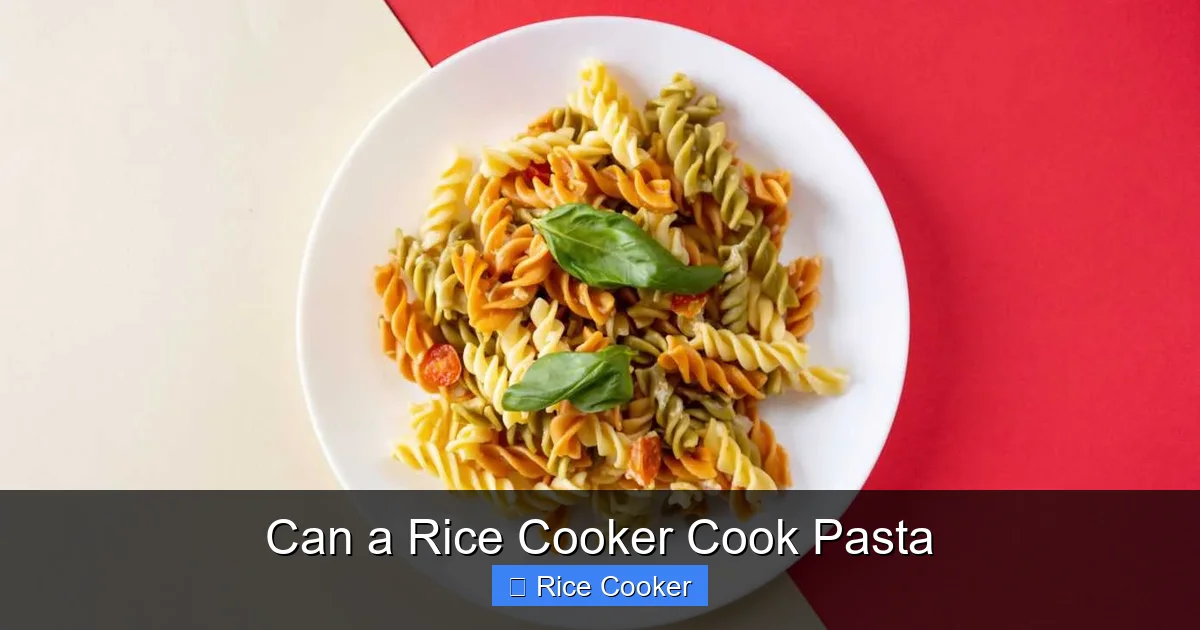
These tubular or twisted noodles hold up well in enclosed environments. Cook for 10–12 minutes with 2:1 water ratio. Stir once during cooking.
Long Noodles (Spaghetti, Linguine, Fettuccine)
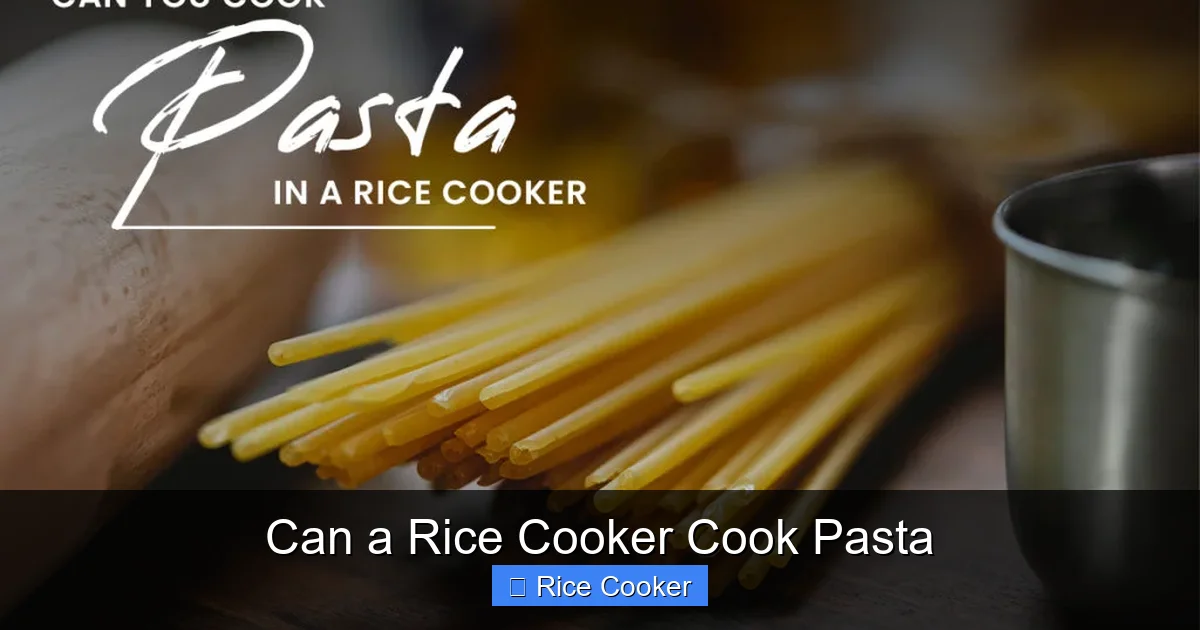
Cut these into 4–6 inch segments before cooking. They’re more prone to tangling, so monitor closely. Cook time: 9–11 minutes.
Rigatoni and Similar Large Hollow Forms
Use 3:1 water ratio to ensure thorough cooking. Check at minute 10; hollow centers should feel firm but not crunchy.
Small Pasta (Orzo, Farfalle, Gemelli)
These cook quickly—just 7–9 minutes. Watch closely to avoid mushiness. Reduce water to 1.5:1 if possible.
Gluten-Free and Alternative Grains
Quinoa-based or corn pasta may require extra water (up to 4:1) and longer times (12–15 minutes). Always follow package instructions as a baseline.
Creative Ways to Use Your Rice Cooker for Pasta Dishes
Once you’ve mastered basic pasta cooking, the possibilities expand dramatically. Think beyond plain spaghetti: your rice cooker can support entire meals in one pot.
One-Pot Creamy Carbonara
After cooking pasta, add cubed pancetta, garlic, black pepper, and beaten eggs directly to the warm pot. Toss quickly to create a silky sauce without needing a stove.
Hearty Vegetable Pasta Primavera
Sauté onions and bell peppers in olive oil before adding pasta and water. Add zucchini, mushrooms, and tomatoes during the last 3 minutes. Finish with Parmesan and fresh herbs.
Baked Ziti Casserole
Cook pasta slightly underdone, mix with marinara, ricotta, and mozzarella, then return to the rice cooker for 10 minutes on “Steam” mode to melt cheese without drying out the noodles.
Pesto Pasta Bowl
Blend basil, pine nuts, garlic, Parmesan, and olive oil into a thick paste. Stir into cooked pasta with cherry tomatoes for a restaurant-quality lunch.
Advantages and Limitations of Cooking Pasta in a Rice Cooker
Like any tool, rice cookers have pros and cons when used outside their intended purpose.
Benefits
- Hands-off Convenience: Set it and forget it—perfect for busy weekdays.
- Energy Efficient: Uses less electricity than boiling a full pot on the stove.
- Space Saving: No need for multiple pots and pans.
- Consistent Results: Especially true with smart models that regulate temperature precisely.
Drawbacks
- Limited Drainage: You must manually drain excess water, which adds cleanup time.
- Less Agitation: Without stirring from boiling currents, pasta can stick or cook unevenly.
- Capacity Constraints: Large batches may overcrowd the pot, leading to poor heat transfer.
- Texture Variability: Achieving true “al dente” can be tricky without visual cues like floating noodles.
Tips for Perfect Pasta Every Time
Want consistent results? Follow these expert tips:
- Pre-soak Delicate Noodles: Soak angel hair or vermicelli in warm water for 10 minutes before cooking to reduce breakage.
- Use Room-Temperature Water: Cold water slows cooking; warm water starts faster.
- Don’t Overfill: Fill no more than two-thirds full to allow space for expansion.
- Test Doneness Early: Scoop out a piece every 2 minutes after minimum recommended time.
- Keep the Lid Closed: Opening frequently releases steam and extends cooking time unnecessarily.
Conclusion: Expand Your Culinary Horizons
So, can a rice cooker cook pasta? Absolutely—and doing so opens up a world of kitchen flexibility. While it may never fully replace a good stockpot, especially for large family meals or complex sauces requiring constant attention, the rice cooker proves itself as a reliable secondary tool for quick, clean pasta dishes. With the right technique, patience, and a willingness to experiment, you’ll find yourself reaching for this little machine more often than not.
Whether you’re meal-prepping for the week, whipping up a fast dinner after work, or simply curious about your appliance’s hidden talents, mastering pasta in the rice cooker is a skill worth learning. Not only does it save time and effort, but it also encourages creativity in the kitchen. Next time you’re staring at a box of pasta wondering what to make, remember: your rice cooker isn’t just for rice anymore.
Frequently Asked Questions
Is cooking pasta in a rice cooker healthier than boiling?
Both methods retain similar nutritional value. However, rice cookers use less water and energy, potentially preserving more nutrients.
Can I cook pasta and vegetables together in a rice cooker?
Yes, add hard vegetables like carrots or broccoli early, and softer ones like spinach toward the end to avoid mushiness.
What’s the best pasta shape for a rice cooker?
Short, sturdy shapes like penne, rotini, or fusilli work best because they resist breaking and distribute evenly in limited water.
How do I prevent pasta from becoming soggy?
Drain excess water immediately after cooking and toss with a small amount of oil or sauce to absorb moisture and improve texture.
Can I use a rice cooker to make risotto?
While not traditional, some advanced models can approximate risotto by adding broth gradually and stirring occasionally.
Do I need to add oil to the water when cooking pasta in a rice cooker?
No—oil won’t prevent sticking in a sealed environment and isn’t necessary. A light coating on the pot is sufficient.