

Yes, you can use a slow cooker as a rice cooker—but with important caveats. While both appliances cook rice through moist heat, their designs differ significantly. A slow cooker can produce tender, flavorful rice, but it lacks the precise temperature control and steaming mechanism of a dedicated rice cooker. For occasional use, it works fine; for daily cooking, a rice cooker is still ideal.
Key Takeaways
- Slow cookers can cook rice, but results vary depending on the model, rice type, and liquid ratio.
- They lack a steaming function, so rice may not achieve the same fluffy texture as in a rice cooker.
- Temperature control is limited, which can lead to overcooked or mushy rice if not monitored.
- Using the right pot insert matters—non-stick or ceramic linings work best to prevent sticking.
- It’s great for one-pot meals, like stews or casseroles where rice absorbs broth and flavors.
- For everyday rice cooking, a rice cooker is more reliable due to built-in sensors and timers.
- You can improvise with timing and ratios to get decent results in a pinch.
Quick Answers to Common Questions
Can I cook instant rice in a slow cooker?
Yes, but it’s unnecessary. Instant rice cooks quickly on the stovetop or in a microwave. A slow cooker would take much longer and could dry it out.
Do I need to cover the rice while cooking in a slow cooker?
Leave the lid off or prop it slightly ajar. This lets steam escape and prevents the rice from becoming overly wet or sticky.
How long does it take to cook rice in a slow cooker?
On Low setting: 2–3 hours for white rice. On High: 45–60 minutes. Brown rice takes 2.5–3 hours on Low.
Can I cook sushi rice in a slow cooker?
It’s possible, but challenging. Sushi rice requires precise moisture control. A rice cooker is far more reliable for achieving the right sticky-but-fluffy texture.
Will my slow cooker burn rice?
Yes, especially if the liquid evaporates completely. Always monitor early on and ensure there’s enough water throughout cooking.
📑 Table of Contents
- Can a Slow Cooker Be Used as a Rice Cooker?
- How Does a Rice Cooker Work?
- Can You Cook Rice in a Slow Cooker?
- Pros and Cons of Using a Slow Cooker for Rice
- When Is It Okay to Use a Slow Cooker Instead?
- Tips for Better Rice in a Slow Cooker
- What About Brown Rice?
- Slow Cooker vs. Rice Cooker: Which Should You Buy?
- Final Thoughts
Can a Slow Cooker Be Used as a Rice Cooker?
Have you ever been craving a warm bowl of jasmine rice, only to realize your rice cooker is out of commission? Or maybe you’re meal prepping for the week and want to toss everything into one pot for easy cleanup. If you own a slow cooker, you might be wondering: Can a slow cooker be used as a rice cooker?
The short answer is yes—but not always well. While both appliances use low and steady heat to cook grains, they operate very differently under the hood. Understanding those differences helps you decide whether to reach for your trusty Crock-Pot or spring for a replacement rice cooker.
In this article, we’ll explore exactly how slow cookers handle rice, what makes them less than ideal compared to dedicated rice cookers, and when it’s okay (and even beneficial) to use one instead. Whether you’re camping, hosting a potluck, or just running low on kitchen gadgets, you’ll find practical advice to help you make the most of your slow cooker—even when rice is on the menu.
How Does a Rice Cooker Work?
The Science Behind Perfect Rice
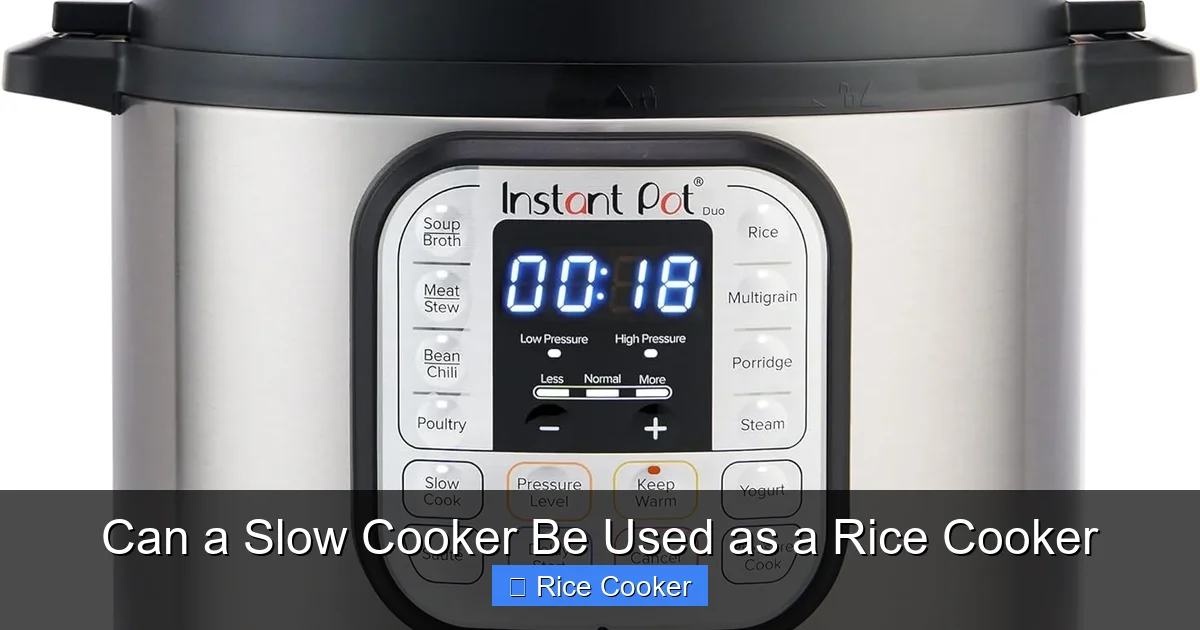
Rice cookers are engineered specifically to cook rice efficiently and consistently. They use a combination of heat, moisture, and precise temperature regulation to transform raw grains into fluffy, separated kernels. Most modern rice cookers feature a thermostat that detects when the water has evaporated and automatically switches to “warm” mode, preventing scorching or drying out.
Visual guide about Can a Slow Cooker Be Used as a Rice Cooker
Image source: m.media-amazon.com
This automatic shut-off is key. Without it, rice left unattended would eventually burn at the bottom while staying undercooked on top—a common pitfall in slow cookers.
Types of Rice Cookers
There are several kinds of rice cookers on the market, each suited to different needs:
- Basic electric rice cookers: Simple, affordable, and effective for white rice.
- Induction heating models: Offer faster, more even cooking with advanced controls.
- Multi-functional rice cookers: Can steam vegetables, bake cakes, or even make yogurt.
Regardless of type, all rice cookers share one thing: they’re optimized for rice. That means better texture, fewer failures, and less babysitting required.
Can You Cook Rice in a Slow Cooker?
The Basics of Slow Cooking Rice
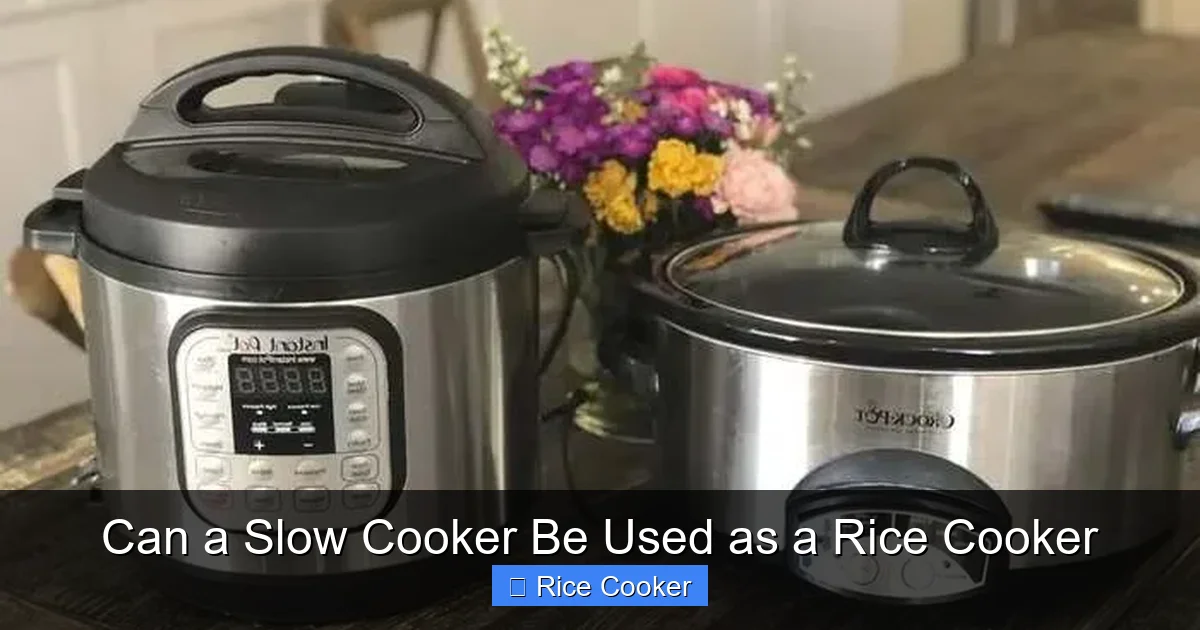
Yes, you can cook rice in a slow cooker—but it requires some adjustments. Unlike boiling rice on the stove or using a rice cooker’s preset cycle, a slow cooker cooks rice gradually over several hours. This method can yield tender, flavorful rice, especially when combined with broth or seasoned liquids.
Visual guide about Can a Slow Cooker Be Used as a Rice Cooker
Image source: kitchenrank.com
However, because slow cookers don’t have a built-in timer or moisture sensor, you must manage the process manually. The biggest challenge? Knowing when the rice is done without risking dryness or sogginess.
Best Practices for Slow Cooker Rice
If you decide to give it a try, follow these steps:
- Use the right amount of liquid. Typically, use 1.5 to 2 cups of liquid per cup of uncooked rice.
- Pre-rinse the rice. Rinsing removes excess starch and prevents clumping.
- Start with high heat. Set your slow cooker to “High” for the first 10–15 minutes to bring the liquid to a boil, then switch to “Low.”
- Cook uncovered. Leaving the lid off allows steam to escape and reduces the chance of gummy rice.
- Test for doneness. After 2–3 hours on Low (or 45–60 minutes on High), check if the rice is tender and all liquid absorbed.
Keep in mind that brown rice takes longer—usually 2.5 to 3 hours on Low—and may need extra liquid.
Pros and Cons of Using a Slow Cooker for Rice
Advantages
- Hands-off cooking: Once you start the process, you can focus on other tasks.
- Adds flavor: Cooking rice in broth or stock infuses it with taste, perfect for risottos or grain bowls.
- Great for large batches: Ideal for meal prep or feeding a crowd.
- Works during power outages: Many slow cookers can keep food warm for hours without electricity.
Disadvantages
- Lack of automation: No automatic shut-off means constant monitoring is needed.
- Texture issues: Rice tends to be softer or stickier than rice cooked in a rice cooker.
- Risk of burning: If too much liquid evaporates, the bottom layer may scorch.
- Not suitable for delicate varieties: Sushi rice or basmati may not turn out properly.
When Is It Okay to Use a Slow Cooker Instead?
One-Pot Meals and Casseroles
If you’re making dishes like jambalaya, paella, or chicken and rice, your slow cooker doubles as a rice cooker—no extra appliance needed. In these cases, the rice acts more like a side than the main event, absorbing rich sauces and spices as it cooks.
Example: Try a Cajun-style chicken and rice where onions, bell peppers, tomatoes, and long-grain rice all simmer together for 3–4 hours on Low. The result? Flavorful, tender rice with zero cleanup stress.
Meal Prep on Autopilot
Busy professionals love using slow cookers for overnight oatmeal, overnight rice, or even risotto made ahead. Just add soaked rice, broth, and seasonings before bed, set it to cook, and wake up to ready-to-eat grains.
Emergency Situations
Lost your rice cooker? Need to cook rice while camping (where electricity isn’t available)? A slow cooker can save the day—especially if you bring a portable stove to boil the initial water.
Tips for Better Rice in a Slow Cooker
Choose the Right Pot
Not all slow cooker inserts are created equal. Look for ones with:
- Non-stick coating
- Deep sides to prevent overflow
- A tight-fitting lid (or plan to prop it open slightly)
A ceramic or stainless steel insert may work too, but avoid metal-on-metal scraping to preserve the surface.
Adjust Liquid Ratios
Since slow cookers retain moisture differently than stovetop or electric rice cookers, start with slightly less liquid than usual. You can always add more if the rice seems dry after cooking.
Fluff Before Serving
Once done, let the rice sit for 5–10 minutes, then fluff it gently with a fork. This helps separate the grains and improves texture.
Experiment with Varieties
Short-grain rice (like arborio or sushi rice) tends to work better in slow cookers because it holds its shape. Long-grain white rice can be hit-or-miss—try basmati or jasmine for best results.
What About Brown Rice?
Browning Takes Time
Brown rice has a tougher outer bran layer, so it needs longer soaking and cooking time. In a slow cooker, this means:
- Soak for at least 30 minutes before cooking
- Use 2.5–3 cups of water per cup of rice
- Cook on Low for 2.5–3 hours
Because brown rice retains more nutrients, many people prefer it—even if the texture isn’t perfectly fluffy.
Slow Cooker vs. Rice Cooker: Which Should You Buy?
Assess Your Needs
If you eat rice multiple times a week, a rice cooker is worth the investment. Models like the Zojirushi Neuro Fuzzy or Cuckoo CRP-DP1085FDSW offer consistent results with minimal effort.
But if you rarely cook rice, already own a versatile slow cooker, or enjoy one-pot recipes, you might never need a second appliance. Consider your budget, kitchen space, and cooking habits before deciding.
Hybrid Appliances Are an Option
Some brands now sell multi-cookers that combine slow cooking, pressure cooking, and even rice-making functions. These can simplify your setup without sacrificing performance.
Final Thoughts
While a slow cooker isn’t a direct replacement for a rice cooker, it can absolutely serve in a pinch—especially for flavored rice dishes or when traveling. With careful attention to timing, liquid ratios, and rice type, you can achieve satisfying results.
That said, if fluffy, consistent rice is a regular part of your diet, a dedicated rice cooker will save you time, frustration, and wasted ingredients. But knowing your slow cooker can do double duty adds valuable flexibility to your kitchen toolkit.
Next time you’re tempted to skip the rice cooker, remember: sometimes good enough is just fine—especially when convenience is on the line.
Frequently Asked Questions
Is it safe to leave rice cooking in a slow cooker overnight?
No. Leaving rice in a slow cooker for extended periods (beyond 3–4 hours) increases the risk of bacterial growth. Always remove cooked rice promptly.
Can I cook wild rice in a slow cooker?
Yes, but wild rice expands significantly and requires more liquid. Use about 3 cups of liquid per cup of wild rice and cook on Low for 2.5–3 hours.
Why is my slow cooker rice mushy?
This usually happens when too much liquid remains or the heat is too high. Reduce liquid by 10–20% next time and avoid covering the pot completely.
Can I use a slow cooker to make risotto?
Absolutely! Stir occasionally and use a bit more liquid than usual. The creamy texture develops slowly, just like traditional risotto.
Does the type of slow cooker matter?
Yes. Oval slow cookers hold more volume and allow rice to expand without overflowing. Round models may cause uneven cooking.
Can I cook quinoa in a slow cooker?
Yes! Quinoa cooks quickly—just rinse it first and use a 2:1 liquid-to-grain ratio. Cook on High for 30–40 minutes or Low for 1 hour.