
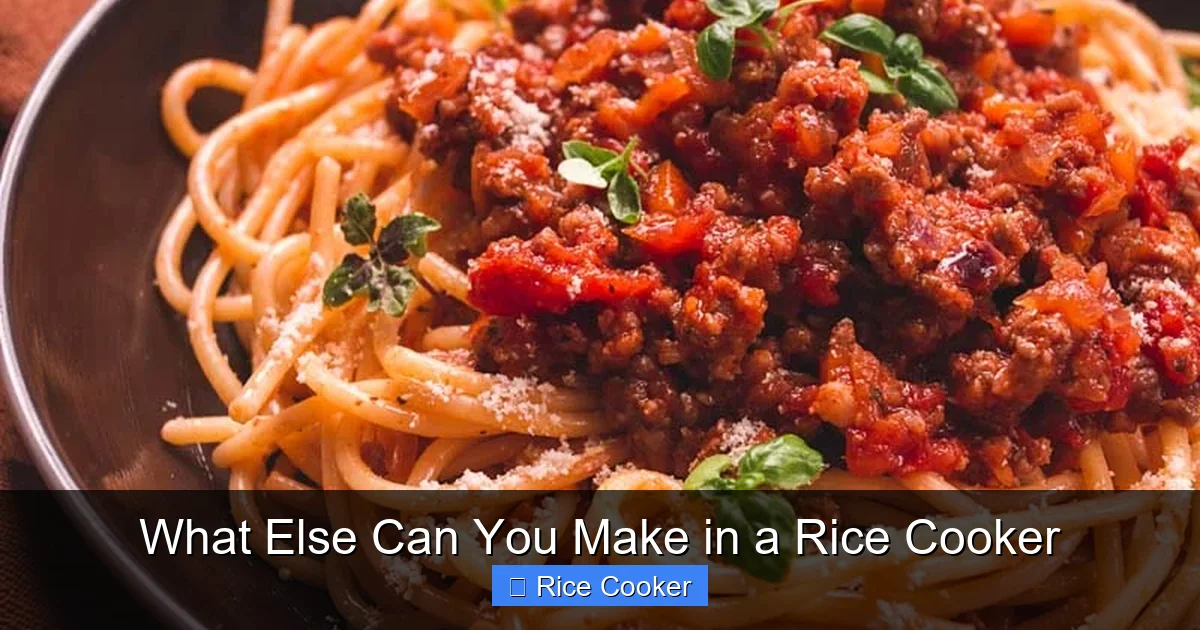
Your rice cooker is far more than just a rice maker. With its precise temperature control and versatile functions, it can prepare everything from hearty breakfasts and nutritious grains to tender meats and even sweet treats. Whether you’re meal prepping, cooking for one, or exploring plant-based options, unlocking these hidden uses will save time, energy, and expand your culinary horizons.
If you own a rice cooker, you might be surprised to learn that its capabilities extend far beyond perfectly cooked white or brown rice. While many people use this handy kitchen appliance only for its primary function, the truth is that a good-quality rice cooker can do so much more. From breakfast staples to dinner mains, desserts, and even fermented foods, the humble rice cooker has quietly become a powerhouse in modern kitchens.
In this article, we’ll explore what else you can make in a rice cooker — not just the usual suspects, but also some surprising, delicious, and practical dishes that highlight the appliance’s versatility. Whether you’re a busy parent, a college student, or someone looking to simplify meal prep, discovering these alternative uses will revolutionize how you cook.
Key Takeaways
- Rice cookers are multi-functional appliances that go well beyond boiling and steaming rice. They can cook grains, steam vegetables, bake cakes, make yogurt, and even slow-cook stews.
- They offer consistent heat distribution, which makes them ideal for delicate dishes like poached eggs or custards that require gentle, steady temperatures.
- Using a rice cooker saves time and energy, especially when preparing large batches of meals or ingredients for meal prep.
- You can create healthy, whole-food meals such as quinoa bowls, lentil soups, and vegetable risotto without needing multiple pots or pans.
- Desserts and snacks become effortless — think banana bread, muffins, and even cheesecakes made entirely inside the appliance.
- Cleaning up is simple due to non-stick inner pots and removable components, making it perfect for busy lifestyles.
- Many modern models include specialized settings like slow cook, yogurt, and cake modes, further expanding their usefulness.
📑 Table of Contents
Cooking Grains Beyond Rice
One of the most underappreciated uses of a rice cooker is its ability to cook a wide variety of grains. While rice is the obvious choice, your appliance can handle quinoa, barley, millet, bulgur wheat, farro, and even ancient grains like amaranth and teff.
Tips for Cooking Different Grains
Most grains require a water-to-grain ratio similar to rice, but some need adjustment. For example:
- Quinoa: Use a 2:1 water-to-quinoa ratio. Rinse first to remove bitterness.
- Barley: Requires a longer cooking time (around 50–60 minutes) and benefits from soaking beforehand.
- Millet: Toast briefly before adding water to enhance flavor and reduce stickiness.
After cooking, let the grains sit for 5–10 minutes with the lid on to finish steaming. This ensures even texture and prevents overcooking. You can then fluff with a fork and use in salads, bowls, or as a side dish.
Breakfast Grains That Are Effortless
Transform your morning routine by using your rice cooker to make overnight oats, steel-cut oats, or even polenta. Simply combine rolled oats and water (or milk) with spices like cinnamon or nutmeg, add a pinch of salt, and cook on the “grains” or “oats” setting. The result? Creamy, warm oatmeal ready in minutes.
For a twist, try making porridge with chia seeds — just mix chia seeds with milk and a dash of vanilla, then cook on low for 30–40 minutes until thickened. It’s like having a hot, comforting breakfast waiting for you each day.
Steaming Vegetables and Proteins
Steaming is one of the healthiest cooking methods, preserving nutrients and natural flavors. Your rice cooker excels at this, thanks to its built-in steaming tray (on most models).
How to Steam Like a Pro
Place the inner pot with water below the steaming rack. Add chopped vegetables like broccoli, cauliflower, carrots, or green beans directly to the rack. Close the lid and set the timer. Most vegetables take 8–15 minutes to steam perfectly.
Visual guide about What Else Can You Make in a Rice Cooker
Image source: ricearray.org
You can also steam fish fillets or chicken breasts. Place seasoned protein on the rack and cover. Fish cooks in about 10 minutes; chicken takes 20–25 minutes depending on thickness. The result is tender, juicy meat with minimal effort.
Batch Steaming for Meal Prep
If you’re meal prepping, use the rice cooker to steam multiple servings at once. Combine different veggies in separate containers or layers if needed. After steaming, store in airtight containers for up to 4 days. Reheat quickly in the microwave or oven.
Baking Desserts and Snacks
Yes, you read that right — your rice cooker can bake cakes, muffins, and even cookies. The even heat distribution makes it ideal for desserts that need consistent baking without hot spots.
Classic Rice Cooker Banana Bread
Peel ripe bananas, mash thoroughly, and mix with eggs, melted butter, sugar, flour, baking powder, and vanilla extract. Pour into a greased loaf pan or silicone mold and place it on the steaming rack (no water needed). Cook on the “cake” mode for 45–60 minutes, or until a toothpick comes out clean.
This method yields moist, fluffy banana bread with no oven required. Plus, cleanup is minimal!
Muffins, Brownies, and More
Try making chocolate brownie muffins: blend cocoa powder, sugar, eggs, oil, flour, and a pinch of salt. Divide among muffin cups and bake in the rice cooker for 30–40 minutes. You’ll get fudgy, rich brownies with zero mess.
Even fruit crumbles work well. Mix berries with sugar, toss with oats and butter, and bake in the cooker for 35 minutes. Serve warm with a scoop of ice cream.
Cheesecake Without an Oven
Make a mini cheesecake by blending cream cheese, sugar, eggs, and vanilla. Pour into small ramekins or silicone molds and place on the steaming rack. Cook on low heat for 50–60 minutes until set. Chill before serving.
This technique works best with models that have a “slow cook” or “yogurt” setting, which provides gentle, prolonged heat perfect for delicate textures.
Savory One-Pot Meals and Soups
Rice cookers are fantastic for hands-off cooking. With the right ingredients and timing, you can make entire meals inside the appliance.
Lentil and Bean Stews
Combine dried lentils, beans, diced tomatoes, onions, garlic, broth, and spices like cumin or turmeric. Set to “soup” or “manual” mode. Cook for 40–50 minutes. The result is a thick, hearty stew that’s packed with fiber and protein.
Tip: Soak beans overnight to reduce cooking time and improve digestibility.
Vegetable Risotto
While traditional risotto requires constant stirring, the rice cooker simplifies it. Sauté mushrooms and onions in a bit of oil (use a separate pan), transfer to the rice cooker, add Arborio rice and broth, and cook on “rice” mode. Stir once halfway through. The creamy consistency is amazing.
Chicken and Rice Casserole
Dice chicken, sauté with garlic and herbs, add rice, broth, and frozen mixed vegetables. Cook on “casserole” or manual setting for 45–55 minutes. The rice absorbs all the juices, creating a flavorful, complete meal.
Making Yogurt and Fermented Foods
Some advanced rice cookers come with a yogurt function, but even basic models can make homemade yogurt with a little help.
Homemade Yogurt in 8 Hours
Heat milk to 180°F (82°C) to kill bacteria, cool to 110°F (43°C), then add starter culture (store-bought yogurt with live cultures). Pour into jars, place in the rice cooker, and use the “keep warm” setting. Let ferment for 6–8 hours. The appliance maintains a stable temperature, crucial for successful fermentation.
Once done, refrigerate and enjoy plain or flavored. You can also use the leftover whey to make ricotta cheese or pancakes.
Kefir and Kombucha (Advanced)
With proper equipment, you can even make kefir or kombucha in a rice cooker. Just maintain the correct temperature range (75–85°F for kefir, 75–85°F for kombucha) using the keep-warm function. Use a thermometer to monitor closely.
Note: These require more precision and patience, but the payoff is fresh, probiotic-rich beverages.
Poaching Eggs and Delicate Dishes
Thanks to its ability to maintain low, steady temperatures, a rice cooker is great for poaching eggs or making custards.
Gently Poached Eggs
Bring water to a gentle simmer (not boil). Crack eggs into small ramekins or cups placed on the steaming rack. Cover and cook for 8–10 minutes for soft yolks. Lift carefully with a slotted spoon.
This method avoids splashing and keeps eggs intact — perfect for breakfast or brunch.
Steamed Custard and Puddings
Whisk eggs, sugar, and milk (plus vanilla or other flavorings), pour into ramekins, and place on the steaming rack. Cook on low heat for 30–40 minutes until set but still jiggly. Chill before serving.
You can also make chocolate rice pudding by cooking rice, milk, cocoa powder, and sugar together. The rice cooker ensures even cooking and creamy texture.
Cleaning and Maintenance Tips
Because rice cookers are designed for easy cleanup, maintaining yours is simple. Always unplug the unit and remove the inner pot, lid, and any accessories after use.
Wash Components by Hand
The non-stick inner pot can usually go in the dishwasher, but hand washing preserves the coating longer. Use mild soap and a soft sponge. Avoid abrasive scrubbers.
Check the heating plate and cord regularly for wear. Wipe down the exterior with a damp cloth.
Seasoning and Longevity
For cast-iron-style rice cookers, occasional seasoning helps prevent sticking. Apply a thin layer of oil and heat at low temperature for 10 minutes, then wipe clean.
Store in a dry place to avoid moisture buildup, which can lead to mold or electrical issues.
Frequently Asked Questions
Can I make pasta in a rice cooker?
Yes! Pasta cooks quickly in a rice cooker. Use the same water-to-pasta ratio as for stove-top cooking, but start checking after 5–7 minutes since the cooker retains heat. Drain excess water before combining with sauce.
Is it safe to leave food in the rice cooker overnight?
No. Leaving perishable food in the “keep warm” mode for more than 2 hours increases the risk of bacterial growth. If your model has a delay timer, use it sparingly and ensure the food reaches safe temperatures during cooking.
What types of rice cooker are best for baking desserts?
Models with a dedicated “cake” or “bake” setting are ideal. Look for ones with precise temperature control and a non-stick inner pot. Electric pressure rice cookers (like those from Zojirushi or Panasonic) often perform better for complex recipes.
Can I cook frozen food in my rice cooker?
It’s not recommended. Frozen items can lower the internal temperature too much, disrupting the cooking cycle. Thaw meat or vegetables first for best results.
Do I need special ingredients to make yogurt in a rice cooker?
Only a few things: milk (whole milk works best), a starter culture (from store-bought yogurt), and possibly a thermometer. No special equipment is needed beyond your rice cooker.
How do I prevent my rice cooker from burning food?
Always use the right amount of liquid and avoid overcrowding. Stir occasionally during long cook times. Clean the heating element regularly to prevent residue buildup, which can cause uneven heating.