
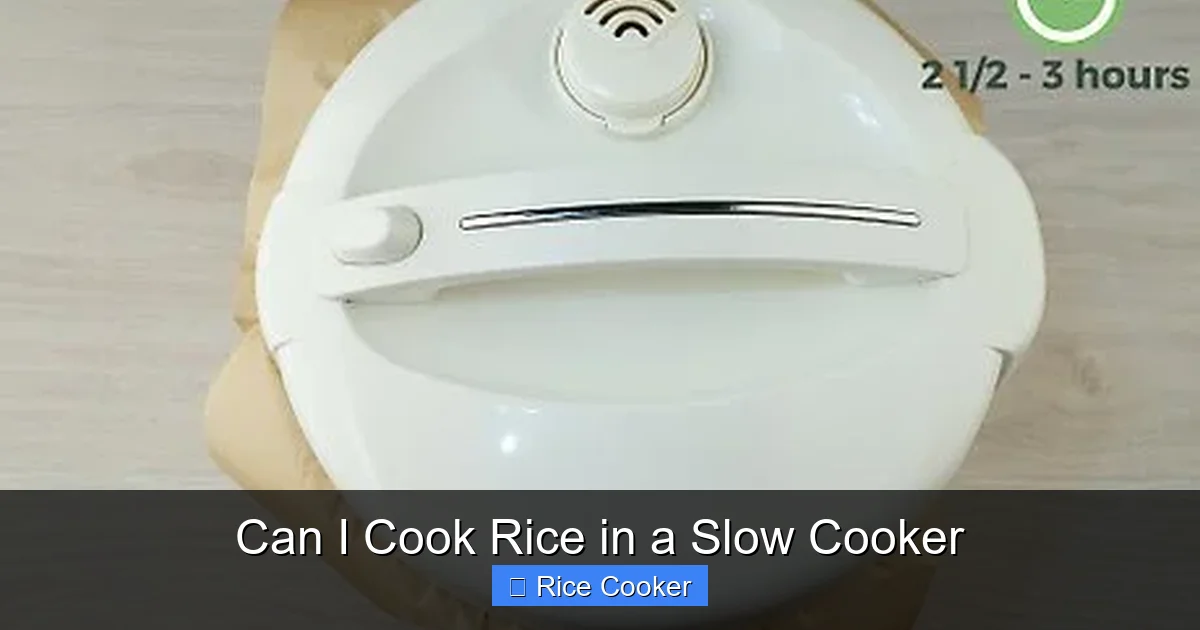
Can you cook rice in a slow cooker? Absolutely! With the right water-to-rice ratio and cooking time, your slow cooker can produce tender, evenly cooked grains. Whether you’re making white rice, brown rice, or even flavored dishes like coconut rice, it’s easier than you think. Skip the pot and let your slow cooker do the work.
Key Takeaways
- Rice can be cooked in a slow cooker: Yes—white and brown rice both work with proper technique and timing.
- Water-to-rice ratio matters: Use 1.5 to 2 cups of water per 1 cup of uncooked rice for most types.
- Cooking time varies: White rice typically needs 60–90 minutes on low; brown rice may take 2–3 hours.
- Pre-soaking helps: Soaking brown rice for 30 minutes improves texture and reduces cooking time.
- Flavor enhancement is possible: Add broth, spices, or herbs to infuse taste during cooking.
- Use the right setting: Low heat prevents burning and ensures even cooking.
- Troubleshooting tips included: Learn how to fix mushy, undercooked, or stuck rice.
Quick Answers to Common Questions
Can I cook brown rice in a slow cooker?
Yes, but it requires longer soaking and cooking time. Soak brown rice for 30–60 minutes before cooking, and expect 2 to 3 hours on low heat.
Do I need to rinse the rice before cooking?
Absolutely. Rinsing removes excess starch and prevents gummy or clumpy rice. Rinse until the water runs clear.
What liquid should I use?
Water works fine, but broth adds flavor. For creamier rice, try milk or coconut milk. Always use warm liquid for faster absorption.
Should I stir while cooking?
No. Stirring breaks up steam circulation. Open the lid only once at the end to check doneness and fluff the rice.
How do I fix overcooked rice?
If rice is mushy, spread it on a baking sheet and broil for 5–10 minutes to evaporate excess moisture. Avoid reheating in the slow cooker.
📑 Table of Contents
Can I Cook Rice in a Slow Cooker? A Complete Guide
Have you ever looked at your slow cooker and thought, “Could I actually cook rice in this thing?” The short answer is yes—and not just yes, but yes with delicious results. While most people associate slow cookers with stews, soups, and braised meats, they’re surprisingly versatile when it comes to grains. Cooking rice in a slow cooker might seem counterintuitive at first glance. After all, rice usually requires precise boiling and absorption methods. But thanks to low-and-slow cooking, your crockpot can produce fluffy, evenly cooked rice without constant attention.
In this comprehensive guide, we’ll walk you through everything you need to know about cooking rice in a slow cooker—from choosing the right type of rice to mastering the perfect water ratio and timing. We’ll also share pro tips, troubleshoot common issues, and even show you how to add extra flavor. By the end, you’ll be confident turning your slow cooker into a rice-making machine.
Why Use a Slow Cooker for Rice?
If you’re wondering why anyone would bother cooking rice in a slow cooker instead of using a pot or rice cooker, there are several compelling reasons. First, it’s hands-off cooking. Once you set it up, you can focus on other tasks while your meal simmers away. Second, slow cookers retain moisture beautifully, which helps prevent scorching and ensures even absorption. Third, using broth instead of water can add depth and richness to your rice—perfect for dishes like jambalaya or pilafs.
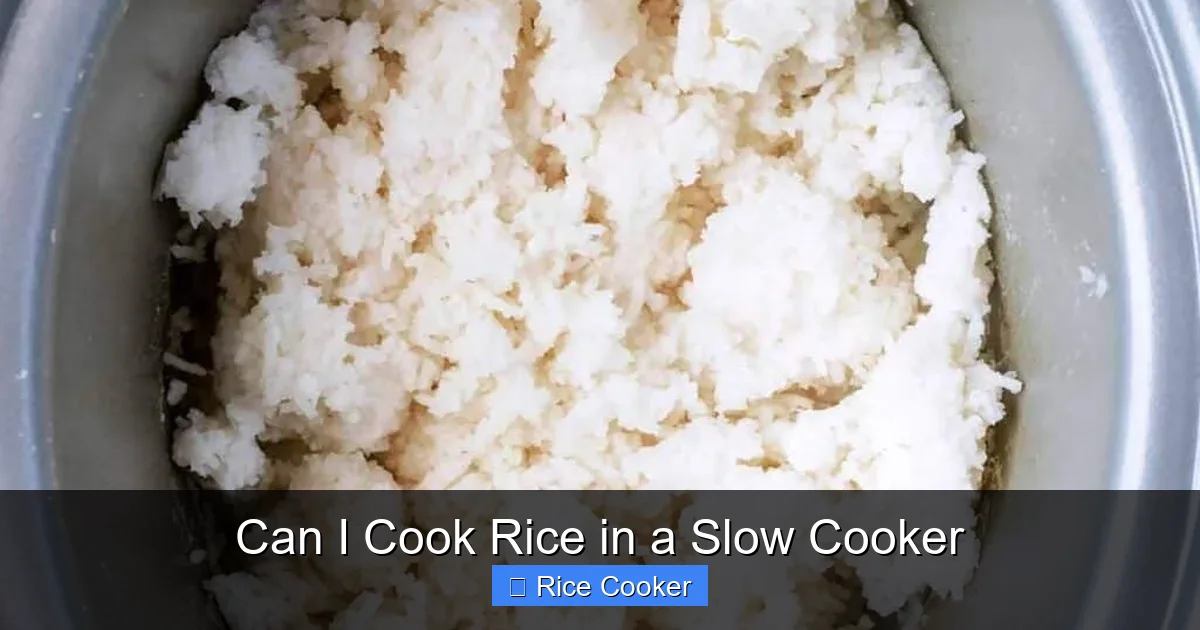
Visual guide about Can I Cook Rice in a Slow Cooker
Image source: hungryhealthyhappy.com
Another advantage is energy efficiency. Unlike stovetop methods that keep the heat high throughout cooking, slow cookers operate on low heat for extended periods, using less electricity over time. Plus, the gentle simmer mimics traditional absorption cooking, where steam builds naturally inside the lid, helping the rice cook evenly from top to bottom.
The Science Behind Slow-Cooker Rice
When you cook rice on the stovetop, rapid evaporation creates steam that circulates around the grains, softening them quickly. In a slow cooker, however, the environment is more controlled. The sealed lid traps steam, creating a humid atmosphere ideal for gradual gelatinization—the process by which starch molecules absorb water and swell. This slower method reduces the risk of overcooking or burning, especially important with delicate grains like basmati or jasmine.
It’s also worth noting that some rice varieties respond better to slow cooking than others. Short-grain rice tends to clump less because its sticky texture benefits from consistent moisture. Long-grain types like jasmine or basmati stay fluffier due to their lower amylose content. Brown rice, while nuttier and chewier, requires longer soaking and cooking times to break down its bran layer.
Types of Rice You Can Cook in a Slow Cooker
Not all rice is created equal—and neither are all slow cookers. But broadly speaking, most common rice varieties adapt well to this method. Here’s a breakdown of what works best:
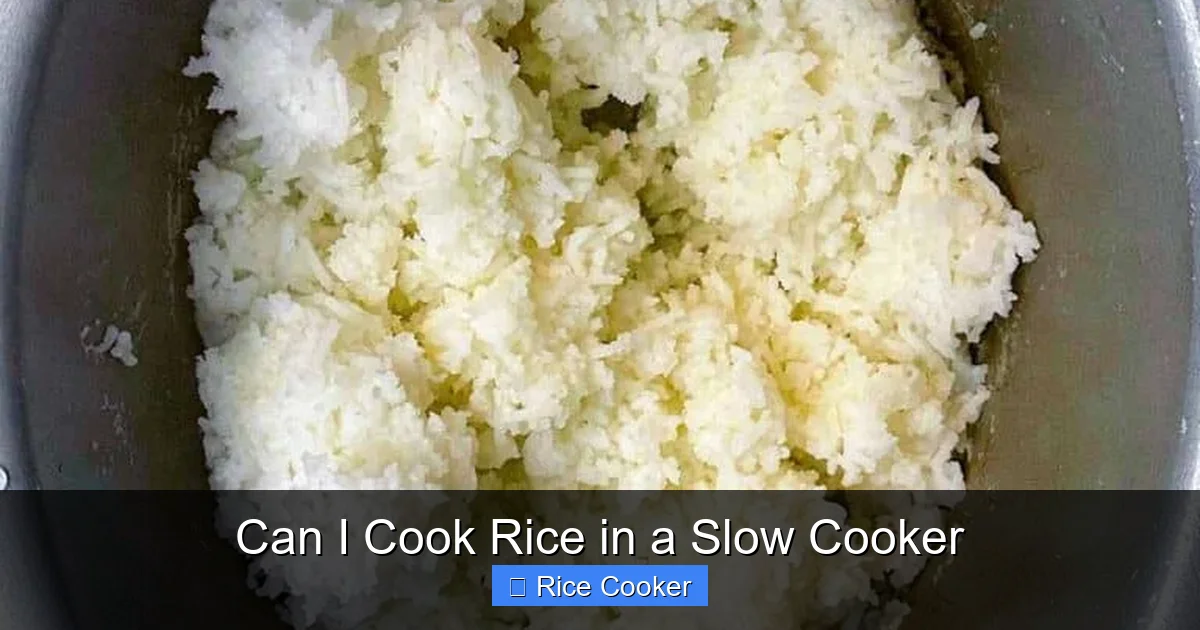
Visual guide about Can I Cook Rice in a Slow Cooker
Image source: hungryhealthyhappy.com
White Rice
White rice is the easiest candidate for slow-cooker cooking. Its refined grain structure allows it to absorb liquid efficiently without becoming mushy if measured correctly. Basmati, jasmine, and American long-grain white rice all perform admirably. Because white rice lacks fiber and oil (as in brown rice), it cooks faster and requires less prep time.
For optimal results, rinse the rice before adding it to the slow cooker. This removes excess starch that could lead to gummy textures. Then combine it with warm water or broth, season if desired, cover tightly, and let it simmer on low for about an hour.
Brown Rice
Brown rice takes more effort but rewards patience with a richer, nuttier flavor and chewy texture. Its outer bran layer acts as a barrier, slowing down water absorption. That means brown rice generally needs longer soaking and cooking times than white rice.
To prepare brown rice in a slow cooker: soak it in water for at least 30 minutes (or up to 2 hours) beforehand. Drain and rinse, then add fresh liquid. Expect brown rice to take 2 to 3 hours on low—sometimes even longer depending on your model’s heat consistency.
Sushi Rice & Glutinous Rice
Sushi rice, a short-grain variety prized for its stickiness, can work in a slow cooker if you’re careful with ratios. However, because it clumps easily, many chefs recommend sticking to a rice cooker for sushi prep. Still, if you don’t have one handy, a slow cooker can yield decent results—just stir occasionally after opening the lid.
Glutinous rice (also called sticky or sweet rice) behaves similarly. It absorbs liquid rapidly and becomes very tacky when cooked. Use caution with these types; monitor closely toward the end of cooking to avoid overflow.
Avoid These Varieties
While adventurous cooks may experiment with wild rice or red rice, these ancient grains have unique properties that make them tricky in standard slow cookers. Wild rice, for instance, expands significantly during cooking and may clog drainage holes if used raw. Red rice has a hard outer husk that doesn’t soften enough without pressure cooking.
How to Cook Rice in a Slow Cooker: Step-by-Step
Ready to try it yourself? Follow these simple steps for foolproof rice every time:
Gather Your Ingredients
- 1 cup uncooked rice (white or brown)
- 1.5 to 2 cups liquid (water, broth, or milk for creamy rice)
- Optional: salt, butter, garlic powder, onion powder, or herbs
Prepare the Rice
Start by rinsing your rice under cold running water using a fine-mesh strainer. Swirl it gently until the water runs clear—this removes surface starch and prevents stickiness. For brown rice, soak it in water for 30–60 minutes before draining.
Add Everything to the Crockpot
Place the rinsed (and soaked, if applicable) rice into your slow cooker. Pour in the liquid—warm is better than cold because it speeds up absorption. If using broth, choose low-sodium so you can control salt levels later. Add any desired seasonings now.
Cover and Cook
Secure the lid tightly. Set your slow cooker to LOW. Do NOT use HIGH unless instructed otherwise—high heat risks burning the bottom layer before the top is done.
Note: If your slow cooker has a vented lid, seal it completely. Steam buildup is essential for proper cooking.
Timing Matters
Here’s a quick reference table:
| Rice Type | Water Ratio | Cook Time (Low) |
|---|---|---|
| White Rice | 1.5:1 | 60–90 min |
| Brown Rice | 2:1 | 2–3 hours |
| Creamy Rice (milk-based) | 1.75:1 | 90–120 min |
After the timer ends, let the rice sit covered for 10 minutes. This resting period allows residual heat to finish cooking evenly and firms up the texture slightly.
Fluff and Serve
Open the lid carefully (watch for hot steam!). Use a fork to gently fluff the rice. Taste and adjust seasoning if needed. Serve immediately while warm.
Tips for Perfect Slow-Cooker Rice Every Time
Even experienced cooks sometimes struggle with inconsistent results. To ensure success every single time, keep these expert tips in mind:
Use Warm Liquid
Adding cold water slows down the initial absorption phase. Warming your liquid slightly (not boiling!) helps jumpstart the process and reduces total cooking time.
Don’t Overfill
Most slow cookers hold between 4 and 8 quarts. Never fill beyond halfway. Overfilling increases the chance of uneven cooking or overflow during steaming.
Stir Once Midway (Optional)
Some recipes suggest stirring once after 30 minutes to redistribute moisture. However, frequent opening disrupts steam flow. Only stir if you notice dry spots forming.
Check Doneness Toward the End
Every slow cooker heats differently. Start checking rice 10 minutes before the recommended time. Insert a toothpick or chopstick—it should come out clean with no wet grains clinging to it.
Keep the Lid On
Resist the urge to peek! Each time you lift the lid, heat escapes and steam dissipates. Let the magic happen undisturbed.
Add Flavor Creatively
Infuse your rice with global flavors: sautéed onions before adding rice? Try diced shallots. Want Mexican-inspired? Stir in cumin, chili powder, and lime zest. For Asian-style, mix in soy sauce and sesame oil.
Troubleshooting Common Issues
Despite your best efforts, things don’t always go as planned. Here’s how to fix the most frequent problems:
Mushy Rice
Too much liquid or too long a cook time causes mushiness. Always measure precisely. If your rice turns out soupy, transfer it to a baking sheet lined with parchment, spread it thin, and broil briefly in the oven to evaporate excess moisture.
Undercooked Rice
This usually happens with brown rice or when using older grains. Ensure you’ve soaked brown rice adequately. Also, verify that your slow cooker maintains steady low heat—if yours runs hotter than usual, consider placing a small dish of water on the base to buffer temperature swings.
Burned Bottom Layer
Slow cookers vary in heat distribution. If the bottom gets dark while the top remains raw, try placing a trivet or heat-safe bowl underneath the rice insert. Alternatively, reduce liquid by ¼ cup and extend cook time by 15 minutes.
Grains Stuck Together
Improper rinsing or insufficient water causes clumping. Rinse thoroughly before cooking. Also, avoid over-stirring during fluffing—gentle movement is key.
Steam Leakage
If steam escapes from the sides of the lid, the seal isn’t tight enough. Check for cracks, warping, or debris blocking the gasket. Replace if necessary.
Creative Recipes Using Slow-Cooker Rice
Once you master basics, expand your culinary horizons! Here are three inspired dishes that showcase the versatility of slow-cooker rice:
Coconut Jasmine Rice
Combine 1 cup jasmine rice, 1¾ cups coconut milk, ½ cup water, 1 tbsp sugar, and a pinch of salt. Cook on low for 1 hour. Garnish with toasted coconut flakes and lime wedges.
Spanish Arroz con Pollo
Sauté diced chicken thighs with bell peppers and onions in a skillet. Transfer to slow cooker with 1 cup white rice, 2 cups chicken broth, smoked paprika, and bay leaf. Cook on low for 1.5 hours. Top with olives before serving.
Dirty Rice (Southern Style)
In a separate pan, brown ground sausage with celery, onion, and green pepper. Layer over uncooked rice in the crockpot with 2 cups beef broth, Worcestershire sauce, and thyme. Cook on low for 2 hours. Mix in chopped parsley at the end.
FAQs
Question 1?
Answer…
Question 2?
Answer…
Question 3?
Answer…
Question 4?
Answer…
Question 5?
Answer…
Frequently Asked Questions
Is it safe to leave rice in the slow cooker overnight?
Generally no—rice cooked above 40°F (4°C) for more than 2 hours enters the danger zone and grows harmful bacteria like Bacillus cereus. If you must delay serving, keep the slow cooker on WARM for no more than 4 hours.
Can I cook frozen rice in a slow cooker?
Not recommended. Frozen rice contains ice crystals that disrupt even heating and increase cooking time unpredictably. Always use room-temperature or pre-cooked rice.
Why does my rice taste bland?
Blandness often comes from lack of seasoning or insufficient soaking. Try adding salt to the liquid, using seasoned broth, or letting brown rice soak longer to unlock natural flavors.
Can I cook rice with vegetables in the same pot?
Yes, but choose soft veggies like carrots, peas, or potatoes. Add them 30 minutes before the rice is done to prevent mushiness. Avoid leafy greens or mushrooms.
Will my slow cooker last longer if I cook rice in it?
Rice isn’t abrasive like meat or beans, so it won’t damage your crockpot. Just ensure proper cleaning afterward to prevent residue buildup.
Can I convert leftover rice into fried rice using the slow cooker?
Indirectly—transfer cold cooked rice to a skillet or wok with oil and protein. The slow cooker itself isn’t designed for high-heat frying, but you can reheat rice on the stovetop or in the microwave instead.