
Can a rice cooker make quinoa? Absolutely—and it’s one of the easiest ways to prepare this superfood. With just a few adjustments, your rice cooker can produce tender, evenly cooked quinoa without any guesswork. Whether you’re meal prepping or whipping up a quick side dish, using your rice cooker for quinoa saves time and ensures consistent results.
Key Takeaways
- Yes, rice cookers work great for quinoa: Most standard rice cookers are fully capable of cooking quinoa, thanks to their automated temperature control and precise timing.
- Rinsing is essential: Always rinse quinoa before cooking to remove its natural coating called saponin, which can taste bitter.
- Water ratio matters: Use a 2:1 water-to-quinoa ratio (e.g., 1 cup quinoa to 2 cups water) for fluffy results—similar to rice.
- Flavor boosts are easy: Add broth, herbs, or spices instead of plain water to enhance taste without extra effort.
- Cleaning is simple: After cooking, let the quinoa sit for 5–10 minutes before fluffing and serving—no special tools needed.
- Storage & reheating: Cooked quinoa keeps well in the fridge for up to 5 days and reheats beautifully on the stovetop or microwave.
📑 Table of Contents
- Can a Rice Cooker Make Quinoa? The Simple Answer
- The Science Behind Cooking Quinoa in a Rice Cooker
- Step-by-Step Guide: Making Quinoa in Your Rice Cooker
- Tips for Flavorful Quinoa Every Time
- Common Mistakes to Avoid
- Beyond Basic Quinoa: Creative Recipes You Can Make
- Storing and Reheating Cooked Quinoa
- Comparing Rice Cooker vs. Stovetop Cooking
- Specialized Rice Cookers: Do They Help?
- Health Benefits of Quinoa—And How a Rice Cooker Helps
- Final Thoughts: Is Your Rice Cooker Ready for Quinoa?
Can a Rice Cooker Make Quinoa? The Simple Answer
You’ve probably heard that quinoa is the “superfood” everyone’s talking about—packed with protein, fiber, and essential amino acids. But if you’re like most home cooks, you might be wondering: can my rice cooker handle this tiny powerhouse grain? The short answer? Absolutely!
Quinoa and rice share more than just similar textures—they also have nearly identical cooking requirements. That means your trusty rice cooker, designed to automate the process of boiling grains, is actually perfectly suited for quinoa. In fact, using a rice cooker eliminates much of the guesswork involved in traditional stovetop cooking. No more watching the pot, adjusting heat levels, or risking burnt edges. With just a little preparation and the right ratio of water to quinoa, your rice cooker can deliver consistently fluffy, golden-brown grains every single time.
The Science Behind Cooking Quinoa in a Rice Cooker
Before we dive into recipes or step-by-step instructions, it helps to understand why a rice cooker works so well for quinoa. Unlike other grains, quinoa doesn’t require constant stirring or high heat once it reaches a rolling boil. Instead, it thrives in steady, controlled environments—exactly what a rice cooker provides.
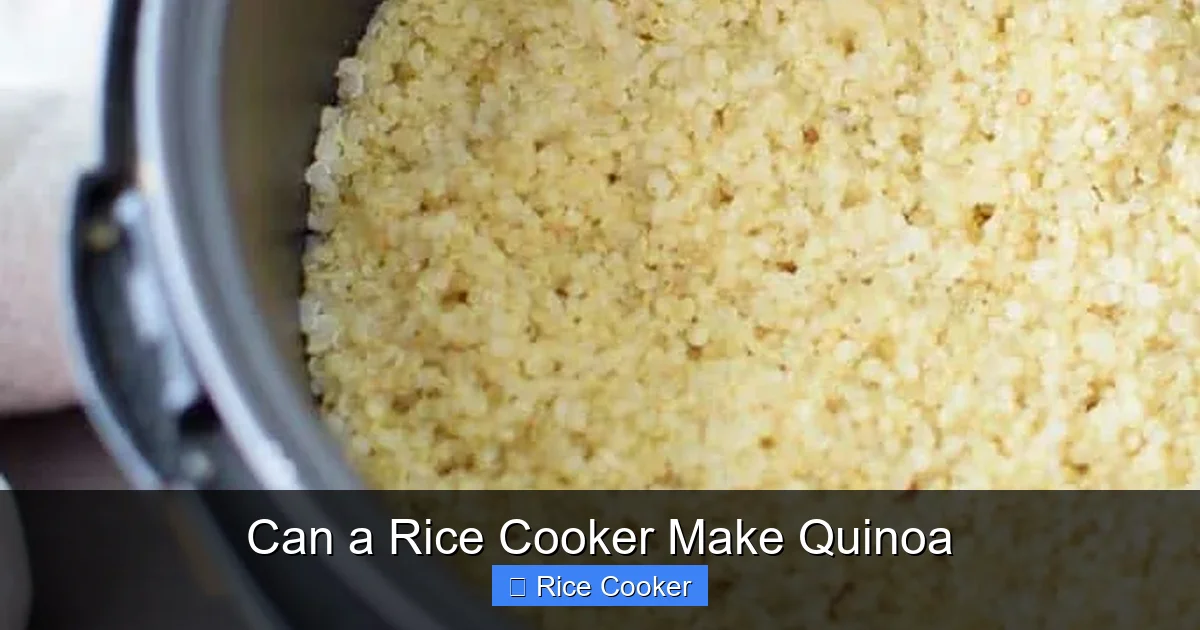
Visual guide about Can a Rice Cooker Make Quinoa
Image source: wendypolisi.com
How Rice Cookers Work
A typical rice cooker uses an internal thermostat to detect when the liquid has been absorbed by the grain. Once the moisture level drops below a certain threshold, the device automatically switches from heating to warming mode. This prevents overcooking and keeps food warm until you’re ready to serve it. Because quinoa absorbs liquid at a similar rate to white rice, it responds beautifully to this cycle.
Why Rinsing Matters
One crucial step many people skip is rinsing quinoa thoroughly under cold water. Why? Because quinoa comes with a natural outer layer called saponin, which gives it a slightly soapy or bitter taste if not removed. A quick rinse through a fine-mesh strainer gets rid of this coating while also helping separate any debris or dust particles.
Temperature Control Equals Perfect Results
Rice cookers maintain consistent temperatures throughout the cooking process, reducing the chance of hot spots that could cause uneven texture. For quinoa—which benefits from even hydration—this consistency is key to achieving that light, airy bite.
Step-by-Step Guide: Making Quinoa in Your Rice Cooker
Ready to try it yourself? Follow these simple steps to turn your rice cooker into a quinoa-making machine.
What You’ll Need
- 1 cup uncooked quinoa
- 2 cups water or broth (or a mix)
- Fine-mesh strainer
- Measuring cups
- Optional: pinch of salt, garlic powder, or fresh herbs
Step 1: Rinse the Quinoa
Place your quinoa in a fine-mesh strainer and run it under cool, running water for about 30 seconds. Gently rub the grains with your fingers to help release the saponin. You’ll notice cloudy water draining away—that’s the good stuff being washed off!
Step 2: Measure Ingredients Accurately
For every 1 cup of dry quinoa, you’ll need exactly 2 cups of liquid. This 2:1 ratio ensures proper hydration without making the quinoa mushy. If you’re adding seasonings like salt or herbs, toss them into the water before adding it to the cooker.
Step 3: Add Everything to the Rice Cooker Pot
Transfer the rinsed quinoa and liquid into the inner pot of your rice cooker. Give it a quick stir to distribute everything evenly. Don’t worry—there’s no need to pre-soak the quinoa. Unlike some legumes, quinoa cooks efficiently without advance soaking.
Step 4: Start the Cycle
Close the lid securely and press the “Cook” button. Most rice cookers will go through a full cycle within 15–20 minutes. Once done, you’ll hear a beep or see the display switch to “Warm.”
Step 5: Let It Rest
This is a critical step! Allow the quinoa to rest for 5–10 minutes with the lid closed. This lets residual steam finish hydrating the grains and makes fluffing much easier.
Step 6: Fluff and Serve
After resting, open the lid and gently fluff the quinoa with a fork or rice paddle. Voilà—perfectly cooked quinoa ready for salads, bowls, or side dishes!
Tips for Flavorful Quinoa Every Time
While plain quinoa is delicious, there’s no reason it can’t be even more exciting. Here are several ways to elevate your rice cooker quinoa without extra effort.
Use Broth Instead of Water
Swap out half or all of the water with vegetable, chicken, or even bone broth for deeper flavor. This is especially effective if you’re making quinoa as a base for grain bowls or soups.
Add Aromatics During Cooking
Toss in a bay leaf, sprig of thyme, or slice of lemon zest while the quinoa cooks. These aromatics infuse subtle notes without requiring active cooking skills.
Salt It Wisely
A small pinch of salt enhances natural flavors. Avoid oversalting—remember, you can always adjust after cooking if needed.
Try Flavored Oils
Drizzle a teaspoon of olive oil, coconut oil, or avocado oil into the cooking liquid. Not only does it add richness, but it also helps prevent clumping.
Sweet Variations (Yes, Really!)
Want something different? Try cooking quinoa with almond milk, cinnamon, and a touch of maple syrup for a warm breakfast porridge—your rice cooker handles it just fine!
Common Mistakes to Avoid
Even with the best intentions, beginners sometimes run into issues. Here’s how to sidestep them.
Not Rinsing Enough
Skipping rinsing leads to bitter-tasting quinoa. Even if your package says “pre-rinsed,” it’s still worth giving it a quick pass under water.
Using Too Much Liquid
More than 2:1 water-to-quinoa can result in gummy, overcooked grains. Trust the ratio—it’s science-backed!
Picking the Wrong Type of Quinoa
While all quinoa varieties (white, red, black) work in a rice cooker, white quinoa tends to stay the fluffiest. Red and black quinoa hold their shape better but may take slightly longer to cook.
Opening the Lid Too Soon
Resist the urge to peek during cooking! Each time you open the lid, you lose steam and extend cooking time unnecessarily.
Neglecting to Clean the Inner Pot
Quinoa can leave behind sticky residue. Clean the inner pot immediately after use with warm, soapy water—don’t let it sit overnight.
Beyond Basic Quinoa: Creative Recipes You Can Make
Once you master the basics, the possibilities expand. Your rice cooker isn’t limited to plain grains—it’s a versatile tool for whole meals.
Quinoa Pilaf with Herbs and Nuts
Cook quinoa in chicken broth with chopped parsley, toasted almonds, and a splash of lemon juice. Perfect as a holiday side or vegetarian main.
Mediterranean Quinoa Salad Base
Prepare quinoa with cumin, oregano, and diced tomatoes. Chill and toss with cucumber, olives, feta, and olive oil for a no-cook assembly.
Breakfast Quinoa Porridge
Combine quinoa, milk (dairy or plant-based), chia seeds, vanilla, and berries. Cook on “Porridge” or manual setting for a creamy morning bowl.
Quinoa Risotto-Style (Almost)
Though not true risotto, simmer quinoa with broth gradually while stirring occasionally. Finish with Parmesan and mushrooms for comfort food vibes.
Vegan “Fried Rice” Alternative
Cook quinoa with soy sauce, ginger, peas, carrots, and scrambled tofu. Sauté briefly afterward for a protein-rich twist on classics.
Storing and Reheating Cooked Quinoa
Got leftover quinoa? No problem. Proper storage keeps it fresh and tasty for days.
Refrigeration Basics
Store cooled quinoa in an airtight container in the fridge for up to 5 days. It holds up well in salads, wraps, or reheated bowls.
Freezing for Long-Term Use
Portion cooked quinoa into freezer-safe bags or containers. Label with date and freeze for up to 3 months. Thaw overnight in the fridge before using.
Reheating Tips
Add a splash of water or broth to reheated quinoa in a microwave-safe dish. Cover and heat in 30-second intervals, stirring between each. Alternatively, warm it gently on the stovetop with a lid on.
Comparing Rice Cooker vs. Stovetop Cooking
So why choose a rice cooker over the stovetop? Let’s break down the differences.
| Feature | Rice Cooker | Stovetop |
|---|---|---|
| Ease of Use | Very easy—press button, walk away | Requires monitoring |
| Consistency | High—automated process | Depends on cook’s attention |
| Energy Use | Moderate—uses less energy post-cooking | Continuous heat required |
| Cleanup | Easy—non-stick pot | Pot may stick; harder to clean |
For busy families, meal preppers, or anyone who values convenience, the rice cooker clearly wins in terms of speed and reliability.
Specialized Rice Cookers: Do They Help?
If you own a fancier model—like a fuzzy logic or induction heater rice cooker—you might wonder if those features make a difference for quinoa.
Fuzzy Logic Models
These advanced units analyze grain type and adjust timing/temperature accordingly. While they aren’t necessary for quinoa, they can offer slight improvements in texture and doneness accuracy.
Induction Heaters
These cookers heat directly from below, reducing scorching risks. Ideal for sticky grains like brown rice—but again, not essential for quinoa.
Multi-Function Cookers
Some models include settings specifically for quinoa or ancient grains. If yours does, follow the manufacturer’s guidelines—but standard “White Rice” mode works just fine too.
Health Benefits of Quinoa—And How a Rice Cooker Helps
Beyond ease of use, cooking quinoa properly maximizes its nutritional punch—and your rice cooker helps with both.
- Complete Protein: Contains all nine essential amino acids, rare among plant foods.
- High Fiber: Supports digestion and keeps you full longer.
- Rich in Minerals: Iron, magnesium, zinc, and B vitamins abound.
- Gluten-Free: Safe for celiac disease or gluten sensitivity.
Because rice cookers cook quinoa evenly and retain nutrients better than boiling methods (which can leach vitamins into water), you get more bang for your buck nutritionally.
Final Thoughts: Is Your Rice Cooker Ready for Quinoa?
In a world where convenience often clashes with nutrition, your rice cooker offers a golden opportunity to simplify healthy eating. There’s no need to buy expensive equipment or spend hours babysitting pots on the stove. With just five minutes of prep and zero stress, you can enjoy restaurant-quality quinoa at home—every single day.
Whether you’re building salads, prepping lunches, or exploring new cuisines, mastering quinoa in your rice cooker opens up endless creative doors. And the best part? The same method works for millet, farro, or even amaranth—so you’re not limited to just one grain.
So go ahead—rinse that quinoa, measure your water, and hit that “Cook” button. Your future self, tired from a long day, will thank you for the effortless, wholesome meal waiting when you return.
Frequently Asked Questions
Do I need to soak quinoa before cooking it in a rice cooker?
No soaking is required for quinoa when using a rice cooker. Unlike beans or lentils, quinoa cooks efficiently in its dry form and will absorb liquid quickly during the automated cooking cycle.
Can I cook quinoa in a rice cooker without rinsing it first?
It’s highly recommended to rinse quinoa before cooking. The outer layer of saponin can give the grain a bitter, soapy taste if left on, which ruins the flavor of your final dish.
What happens if I don’t rinse my quinoa?
Unrinsed quinoa may taste bitter or unpleasant due to the natural saponin coating. Rinsing removes this layer and ensures a neutral, pleasant flavor.
Can I cook quinoa in a rice cooker with broth instead of water?
Absolutely! Using broth adds extra flavor and nutrients. Just maintain the same 2:1 water-to-quinoa ratio, whether using broth, water, or a combination.
How do I store leftover cooked quinoa?
Store cooled quinoa in an airtight container in the refrigerator for up to 5 days. You can also freeze it for up to 3 months—just thaw before reheating.
Is quinoa safe for people with celiac disease?
Yes, quinoa is naturally gluten-free and considered safe for those with celiac disease or gluten sensitivities, provided it’s processed in a dedicated gluten-free facility to avoid cross-contamination.