
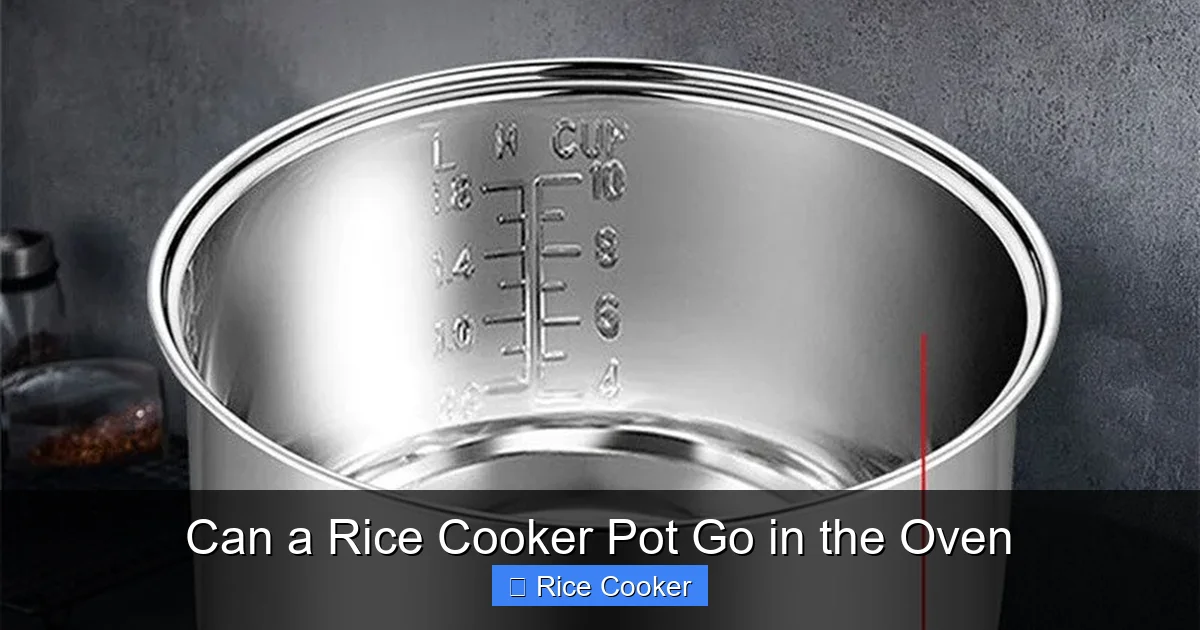
Can a rice cooker pot go in the oven? It depends on the material and design. While some rice cooker pots made of stainless steel or high-quality ceramic may withstand oven temperatures up to 400°F (204°C), others—especially those with plastic handles or non-stick coatings—should never be heated directly in the oven. Always check the manufacturer’s instructions before attempting this. With the right care, repurposing your rice cooker pot can save time and reduce kitchen clutter.
Key Takeaways
- Material matters: Stainless steel and heavy-gauge aluminum rice cooker pots are more likely to handle oven heat than lightweight models or those with plastic parts.
- Check the manual: The safest way to know if your rice cooker pot is oven-safe is to consult the user manual or contact the manufacturer.
- Beware of handles and lids: Many rice cooker pots have plastic or silicone components that melt or warp at high temperatures.
- Temperature limits vary: Most oven-safe rice cooker pots can handle up to 400°F (204°C), but never exceed 450°F (232°C unless specified).
- Use oven mitts and trivets: Even if your pot is oven-safe, always use proper handling tools to avoid burns and surface damage.
- Consider repurposing: If your rice cooker pot isn’t oven-safe, it can still be used for stovetop cooking, slow cooking, or storing food.
- Test small batches first: When unsure, try heating a small portion at a low temperature to observe how the pot reacts.
📑 Table of Contents
- Introduction: The Surprising Versatility of Rice Cooker Pots
- Understanding Rice Cooker Pot Materials
- When Can a Rice Cooker Pot Go in the Oven?
- Safety Tips for Using Rice Cooker Pots in the Oven
- Practical Uses for Rice Cooker Pots in the Oven
- What to Avoid: Risks of Improper Use
- Alternatives to Using Rice Cooker Pots in the Oven
- Conclusion: Play It Safe, Cook With Confidence
Introduction: The Surprising Versatility of Rice Cooker Pots
Have you ever looked at your trusty rice cooker and wondered, “Can a rice cooker pot go in the oven?” You’re not alone. Many home cooks are discovering the hidden potential of their rice cooker beyond just making perfect grains. Whether you’re baking casseroles, roasting vegetables, or even proofing dough, the idea of using your rice cooker pot as an oven-safe vessel sounds tempting. But is it safe? And more importantly, is it worth the risk?
A typical rice cooker pot is designed primarily for stovetop or electric heating, not direct oven exposure. Yet, with modern advancements in materials and construction, some models are built to handle higher temperatures. Understanding the differences between materials, checking your appliance’s specifications, and knowing the signs of wear can help you make an informed decision. In this article, we’ll explore everything you need to know about using your rice cooker pot in the oven—so you can cook with confidence and creativity.
Understanding Rice Cooker Pot Materials
Stainless Steel: The Gold Standard for Durability
Stainless steel rice cooker pots are among the most durable and versatile options available. Made from a blend of iron, chromium, and nickel, stainless steel resists corrosion, doesn’t react with acidic foods, and can handle high heat. Many professional kitchens rely on stainless steel for its longevity and ease of cleaning.
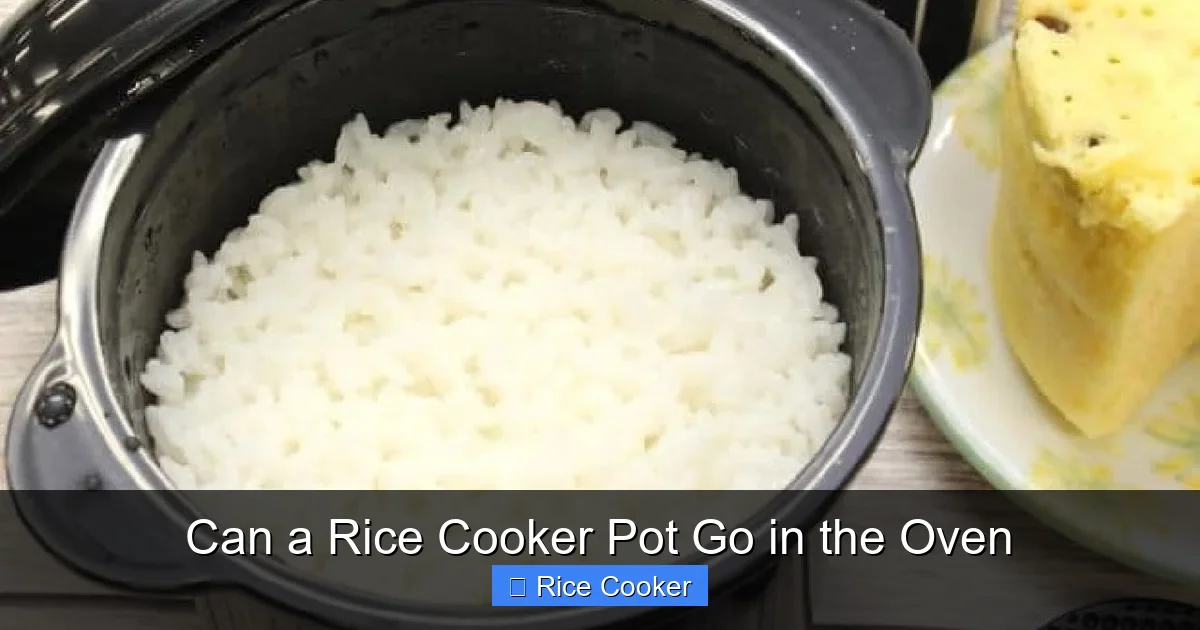
Visual guide about Can a Rice Cooker Pot Go in the Oven
Image source: image.enuchi.jp
One of the biggest advantages of stainless steel is its ability to distribute heat evenly. This makes it ideal for oven use, especially when preparing dishes like baked risotto, lasagna, or even roasted chicken. However, not all stainless steel pots are created equal. Thin-gauge stainless steel may warp under prolonged heat, while thicker, heavier-duty versions are more likely to remain stable.
Aluminum: Lightweight but Heat-Conductive
Many rice cookers use aluminum pots because they heat up quickly and efficiently. Aluminum is an excellent conductor of heat, which helps maintain consistent cooking temperatures. However, raw aluminum can react with acidic ingredients like tomatoes or vinegar, altering flavor and potentially leaching metals into food.
To combat this, many aluminum rice cooker pots are lined with a non-stick coating or clad with stainless steel. If your rice cooker pot has a stainless steel interior or exterior layer, it’s more likely to be oven-safe. Look for terms like “tri-ply” or “clad” construction, which indicate a strong, multi-layered structure capable of withstanding higher temperatures.
Ceramic and Glass: Elegant but Fragile
Ceramic and glass rice cooker pots offer a sleek, non-reactive surface and are often preferred for their aesthetic appeal. These materials are great for slow cooking and gentle heating but are generally not recommended for oven use unless explicitly labeled as such.
Ceramic can crack under sudden temperature changes (thermal shock), and glass lids may shatter if exposed to direct flame or high oven heat. Even if the pot itself is oven-safe, the lid or any attached components might not be. Always inspect the entire unit before considering oven use.
Non-Stick Coatings: A Cautionary Tale
Non-stick rice cooker pots are convenient for easy cleanup and low-fat cooking. However, most standard non-stick coatings—like Teflon—begin to degrade at temperatures above 500°F (260°C). More importantly, they release harmful fumes when overheated, posing serious health risks.
Even if your pot claims to be “oven-safe,” the non-stick surface may not survive regular oven use. The plastic or silicone handles, which are common in these models, will almost certainly melt or warp. For this reason, non-stick rice cooker pots should be strictly limited to stovetop or rice cooker use only.
When Can a Rice Cooker Pot Go in the Oven?
Manufacturer Specifications Are Key
The most reliable source of information about whether your rice cooker pot can go in the oven is the product manual or packaging. Manufacturers test their products under specific conditions and clearly state temperature limits. If the manual says “not oven-safe,” respect that warning—even if you suspect it might work.
Some premium rice cookers, especially those marketed for multi-function use, include oven-safe features. These models often have reinforced handles, metal lids, and heat-resistant bases. If your rice cooker falls into this category, it may be safe to transfer the pot to the oven after cooking on the stove or in the rice cooker itself.
Look for Oven-Safe Labels
Pay attention to labels or symbols on the bottom of the pot. Common indicators include:
– A number followed by “°F” or “°C” (e.g., “Oven Safe Up to 400°F”)
– A symbol resembling a pot inside an oven
– Phrases like “Suitable for Oven Use” or “Transfer to Oven After Cooking”
If you don’t see any markings, assume the pot is not intended for oven use. It’s better to be cautious than risk melting plastic, warping metal, or damaging your oven.
Heat Distribution and Stability
Even if a rice cooker pot is made of oven-safe material, its shape and weight matter. Thin-walled pots may buckle or warp when exposed to uneven heat. Opt for pots with thick, sturdy walls and flat bottoms for best results in the oven.
Additionally, consider how the pot will be moved. If it has a plastic or rubberized handle, avoid placing it directly in the oven unless the handle is rated for high heat. Transferring hot food from the stove to the oven is safer using oven mitts and a trivet.
Safety Tips for Using Rice Cooker Pots in the Oven
Always Preheat the Oven Gradually
Sudden temperature changes can stress metal and cause warping. If you’re transferring a hot pot from the stove to the oven, preheat the oven to a lower temperature first, then gradually increase it. This reduces thermal shock and helps maintain the integrity of the pot.
Use Oven Mitts and Heat-Resistant Tools
No matter how confident you are about your pot’s durability, never handle it bare-handed. Use thick oven mitts or silicone grips to protect yourself from burns. Place the pot on a trivet or heat-resistant mat to prevent scorching your oven floor.
Avoid Direct Flame or Broiler Settings
Even if your pot is oven-safe, avoid using broilers or direct flame elements. These expose the pot to intense, localized heat that can damage finishes, warp metal, or ignite plastic components. Stick to conventional oven settings for even cooking.
Monitor for Signs of Wear
Over time, rice cooker pots may develop scratches, dents, or discoloration. These aren’t just cosmetic—they can indicate weakened structural integrity. If your pot shows signs of damage, discontinue oven use immediately. Cracks or warped surfaces compromise safety and cooking performance.
Practical Uses for Rice Cooker Pots in the Oven
Baking Casseroles and Baked Risotto
One of the most popular uses for a rice cooker pot in the oven is baking casseroles. Because the pot is already sized for rice cookers, it fits perfectly in standard ovens without needing a separate dish. Try making baked mac and cheese, shepherd’s pie, or creamy baked risotto for an easy, one-pot meal.
Roasting Vegetables and Meats
Stainless steel rice cooker pots can double as roasting pans. Roast root vegetables, chicken thighs, or salmon fillets directly in the pot for juicy, evenly cooked results. Just ensure the lid is oven-safe or remove it entirely if it contains plastic.
Proofing Dough and Slow-Baking
Some bakers use rice cooker pots to create a warm, humid environment for proofing bread dough. The tight-fitting lid traps moisture, mimicking a steam oven. Similarly, slow-baking delicate cakes or custards in a rice cooker pot can yield tender, evenly risen results.
Meal Prep and Batch Cooking
If you’re making large quantities of rice, grains, or soups, transfer them to the oven for gentle reheating. This prevents scorching on the stovetop and keeps food warm for serving. Just avoid using non-stick or plastic-handled pots for this purpose.
What to Avoid: Risks of Improper Use
Melting Plastic Handles and Lids
This is the most common mistake. Rice cooker pots often come with plastic or silicone handles, clips, or locking lids. These components typically melt at temperatures above 350°F (177°C). If you see smoke or a burning smell, turn off the oven immediately and ventilate the area.
Warping and Deformation
Thin aluminum or poorly constructed pots may warp when exposed to high heat. This not only ruins the pot’s appearance but also affects its ability to hold liquids and distribute heat. Warped pots can leak, stick, or fail to cook food evenly.
Chemical Leaching
Low-quality non-stick coatings or aluminum pots without protective layers can release toxins when overheated. These chemicals may enter your food and pose health risks over time. Always choose pots made from food-grade, oven-safe materials.
Oven Damage
Plastic residue or melted components from rice cooker pots can damage your oven’s interior. Grease buildup or burnt-on plastic can ruin racks, racks, and heating elements. Clean your oven regularly if you frequently use rice cooker pots.
Alternatives to Using Rice Cooker Pots in the Oven
Use a Dedicated Oven-Safe Dish
If your rice cooker pot isn’t oven-safe, don’t force it. Transfer food to a properly rated oven-safe dish—such as a ceramic casserole dish, glass baking pan, or stainless steel roasting tray. This ensures safety and preserves your appliance.
Repurpose for Stovetop or Slow Cooking
Even if you can’t use the pot in the oven, it’s still incredibly useful. Use it for stir-fries, soups, stews, or slow-cooked meals on the stovetop. Many rice cooker pots are compatible with induction cooktops, making them versatile across different appliances.
Store Food Safely
Rice cooker pots make excellent containers for meal prep, leftovers, or overnight oats. Just ensure they’re clean, dry, and stored properly. Some models are freezer-safe, adding another layer of functionality.
Conclusion: Play It Safe, Cook With Confidence
So, can a rice cooker pot go in the oven? The answer isn’t a simple yes or no—it depends on your specific model, materials, and usage. Stainless steel and well-constructed aluminum pots may be safe under certain conditions, but non-stick versions and those with plastic parts should stay out of the oven. Always consult your manual, look for oven-safe labels, and prioritize safety over convenience.
By understanding your pot’s limitations and using it wisely, you can extend its life and enjoy creative new recipes. Whether you’re baking, roasting, or simply reheating, the key is to respect the appliance’s design and boundaries. With the right knowledge, your rice cooker pot can become a trusted ally in the kitchen—whether it’s sitting on the stovetop, in the rice cooker, or, with caution, in the oven.
Frequently Asked Questions
Is it safe to put my rice cooker pot in the oven?
It depends on the material and design. Stainless steel or heavy-gauge aluminum pots may be safe if labeled oven-safe, but non-stick or plastic-handled models should never go in the oven. Always check the manufacturer’s guidelines first.
Can I bake a cake in my rice cooker pot?
Yes, if the pot is oven-safe and made of heat-resistant material like stainless steel. Ensure the lid is also suitable for oven use or remove it. Avoid non-stick pots unless specifically rated for baking.
Do all rice cooker lids go in the oven?
No. Most lids contain plastic or silicone seals that melt at high temperatures. Only use oven-safe lids—typically made of glass or metal—and confirm compatibility with your model.
How do I know if my rice cooker pot is oven-safe?
Check the bottom of the pot or the user manual for labels like “Oven Safe” or temperature ratings. If there’s no information, assume it’s not safe. When in doubt, contact the manufacturer.
Can I use my rice cooker pot to roast chicken?
Possibly, if it’s made of stainless steel or oven-safe aluminum and has no plastic components. Remove any non-metal parts first. Monitor cooking to prevent overheating or warping.
What happens if I put a non-stick rice cooker pot in the oven?
The non-stick coating may break down and release toxic fumes, and plastic handles or lids will likely melt or warp. This poses health risks and can damage your oven. Never use non-stick rice cooker pots in the oven.