
Can arborio rice be cooked like regular rice? Yes—but not exactly the same way! While both are rice varieties, arborio has a higher starch content that makes it ideal for risotto, not fluffy side dishes. With the right water-to-rice ratio and method, you can adapt arborio for everyday cooking in a rice cooker. In this article, we’ll walk you through everything from soaking to seasoning, so you get the best of both worlds: creamy risottos and light, tender grains when needed. Whether you’re new to arborio or a seasoned cook, these tips will transform how you use this versatile grain.
Key Takeaways
- Arborio rice is not the same as regular long-grain rice. It has a higher starch content, which affects texture and cooking behavior.
- You can cook arborio in a rice cooker, but the result depends on the method. A standard white rice setting may yield a creamy texture, while adjusting the water can help achieve fluffiness.
- For traditional risotto, stir constantly and add broth gradually. Rice cookers aren’t designed for constant stirring, so this method works better on stovetop.
- Soaking arborio before cooking reduces cooking time and improves texture. It helps distribute moisture evenly.
- Use a 1:1.5 to 1:2 water-to-rice ratio for a softer, creamier result. For fluffier grains, try reducing water slightly or using the brown rice setting.
- Seasoning timing matters. Add salt and aromatics early, but avoid over-seasoning during cooking to maintain balance.
- Experiment with settings and ratios to find your preferred style. Your rice cooker’s manual can offer guidance tailored to specific grains.
📑 Table of Contents
- Can Arborio Rice Be Cooked Like Regular Rice? The Full Guide
- Understanding Arborio Rice: What Makes It Different
- Can You Use a Rice Cooker for Arborio?
- Cooking Arborio Like Regular Rice: Step-by-Step
- Flavoring Tips: Beyond Salt
- Common Mistakes to Avoid
- Creative Ways to Use Cooked Arborio
- How Does Arborio Compare to Other Short-Grain Rices?
- Storing and Reheating Leftovers
- Final Thoughts: Is It Worth It?
Can Arborio Rice Be Cooked Like Regular Rice? The Full Guide
If you’ve ever stood in the grocery aisle staring at two very similar-looking bags of rice—one labeled “Jasmine,” another “Arborio”—you might wonder: are they interchangeable? Can arborio rice be cooked like regular rice? The short answer is yes… but with important caveats.
Arborio rice is a short-grain Italian variety known for its high amylopectin starch content. This gives it a creamy, almost waxy texture when cooked—perfect for risotto. On the other hand, “regular rice” usually refers to long-grain types like jasmine or basmati, which absorb less liquid and stay separate and fluffy after cooking.
But here’s the fun part: arborio isn’t just for chefs making restaurant-quality risottos at home. Thanks to modern rice cookers and flexible settings, you can actually cook arborio like regular rice—whether you want creamy risotto or something lighter, like a grain salad or pilaf. Let’s dive into how to do it right.
Understanding Arborio Rice: What Makes It Different
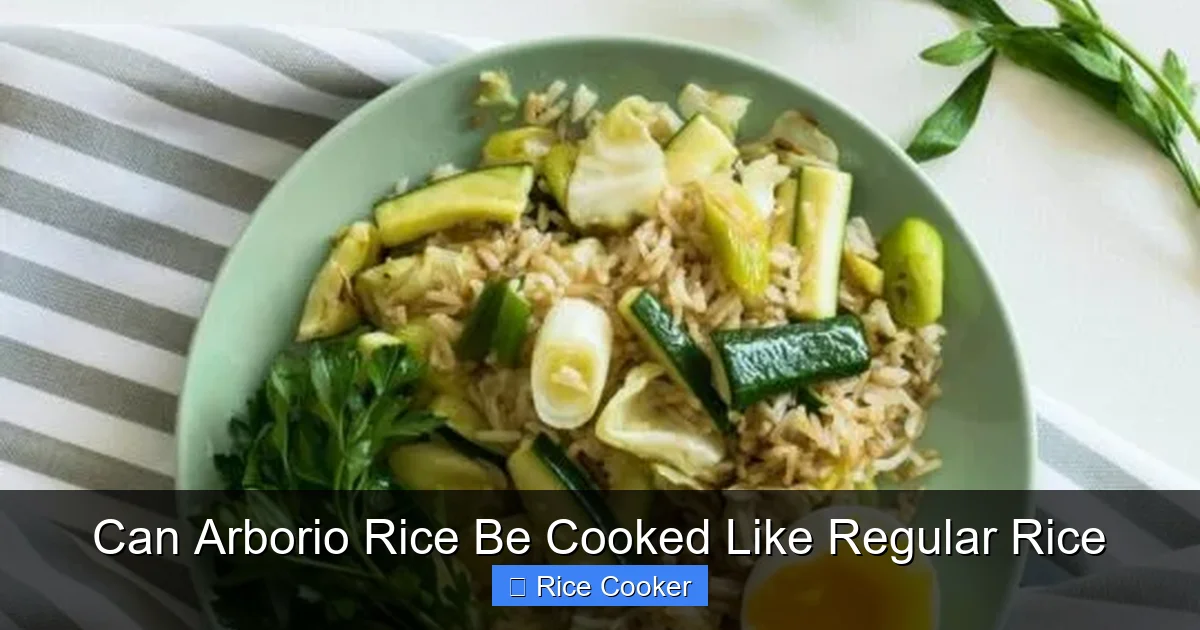
Visual guide about Can Arborio Rice Be Cooked Like Regular Rice
Image source: powerupcook.com
Before we talk cooking methods, let’s clarify what sets arborio apart.
A Unique Starch Profile
Arborio rice contains about 30% more starch than long-grain rice. This starch releases slowly during cooking, creating that signature creamy consistency. When you stir it (or let it simmer), the starch gels, thickening the dish without turning it mushy.
Texture and Mouthfeel
Unlike jasmine or basmati—which remain distinct and separate—arborio grains tend to cling together. They’re chewy and tender, with a melt-in-your-mouth quality. This is great for risotto but can feel heavy if used in every meal.
Cooking Behavior
Because arborio absorbs more liquid and takes longer to cook than most long-grain varieties, rushing the process leads to undercooked centers or overly sticky results. Patience and attention to water ratios are key.
Now that we know why arborio behaves differently, let’s explore how to adapt it for everyday cooking.
Can You Use a Rice Cooker for Arborio?
Yes! Most rice cookers can handle arborio—especially those with multiple settings like “white rice,” “brown rice,” or “porridge.” However, the outcome depends heavily on your machine and technique.
Standard vs. Custom Settings
Many basic rice cookers only have one “white rice” button. When you press it, the machine assumes a certain grain type and uses preset timers and temperatures. Since arborio needs more liquid and longer cook times, relying solely on default settings may give you a soupy mess or unevenly cooked grains.
Smart Machines Make It Easier
High-end models often include a dedicated “risotto” or “cream rice” mode. These machines detect moisture levels and adjust heating cycles accordingly. If yours has such a feature, go ahead and use it for authentic risotto.
But even without fancy tech, you can still get excellent results by tweaking ingredients and timing.
Pro Tip: Pre-Soak for Better Results
Soaking arborio for 20–30 minutes before cooking helps hydrate the grains evenly. Drain it afterward and rinse lightly to remove excess surface starch. This reduces cooking time and prevents clumping.
Cooking Arborio Like Regular Rice: Step-by-Step
Let’s break down the process so you can enjoy arborio in dishes beyond risotto.
Step 1: Measure Your Ingredients
Use a 1:1.5 to 1:2 ratio of water to arborio. For example:
– 1 cup arborio = 1½ cups water (softer)
– 1 cup arborio = 2 cups water (creamy)
Adjust based on desired texture. More water = fluffier; less = richer.
Step 2: Add Salt Early
Salt seasons from the inside out. Don’t wait until the end—add it with the water or rice. Too little salt means bland flavor; too much makes it unpalatable.
Step 3: Choose Your Setting
– **White Rice Mode**: Works for lighter textures but risks sogginess.
– **Brown Rice Mode**: Often slower and drier—good if your arborio feels dense.
– **Manual Timer**: Set for 20–25 minutes. Check halfway through.
Step 4: Avoid Opening the Lid
Steam escapes when you lift the lid, disrupting even cooking. Resist temptation!
Step 5: Rest After Cooking
Let the rice sit covered for 5 minutes after the cycle ends. This allows residual steam to finish cooking any underdone spots and equalizes moisture.
Step 6: Fluff Gently
Use a fork—don’t mash. Overworking breaks the grains and turns them gluey.
Flavoring Tips: Beyond Salt
Arborio shines when paired with bold flavors. Try these ideas:
– **Onion and garlic** sautéed in olive oil before adding rice
– **Vegetable or chicken broth** instead of plain water for depth
– **Herbs like thyme or rosemary** tied in a cheesecloth bag
– **A splash of white wine** halfway through cooking for acidity
Remember: less is more. Too many strong flavors can overwhelm arborio’s delicate nutty notes.
Common Mistakes to Avoid
Even experienced cooks slip up. Here’s what NOT to do:
Mistake #1: Using Too Little Water
This leads to dry, hard centers. Always follow the recommended ratio.
Mistake #2: Stirring During the Cook Cycle
Most rice cookers don’t allow manual stirring. If you must, pause the cycle carefully—but know that constant stirring is essential for risotto, not general cooking.
Mistake #3: Rushing the Process
Arborio takes 18–25 minutes. Don’t assume it’s done after 10.
Mistake #4: Over-Rinsing Before Cooking
Rinsing removes surface starch, which helps bind grains. Rinse just once, gently.
Mistake #5: Adding Dairy Late
If you’re making a creamy side (like a rice pilaf), warm dairy separately and stir it in off-heat to prevent curdling.
Creative Ways to Use Cooked Arborio
Once you master the basics, the possibilities expand:
Grain Bowls
Top cooled arborio with roasted veggies, chickpeas, and tahini dressing. Add a fried egg for protein.
Salads
Mix with cherry tomatoes, cucumber, parsley, lemon juice, and olive oil. Serve chilled.
Rice Cakes or Porridge
Cook extra-thick and form into patties for grilling. Or make overnight oats-style porridge with milk and cinnamon.
Stuffing
Use as a base for savory fillings in peppers or tomatoes.
The beauty of arborio is its versatility—once you learn how to control its texture, you’ll reach for it beyond risotto nights.
How Does Arborio Compare to Other Short-Grain Rices?
Not all short-grain rices behave the same. Here’s a quick comparison:
| Rice Type | Starch Content | Best For | Water Ratio |
|————-|—————-|——————-|————-|
| Arborio | High | Risotto, creamy dishes | 1:1.5–1:2 |
| Carnaroli | Very High | Professional risotto | 1:1.8–1:2 |
| Vialone Nano| Medium-High | All-purpose risotto | 1:1.7–1:2 |
| Japonica | Medium | Sushi, pudding | 1:1.2 |
Carnaroli is considered the gold standard for risotto—it holds shape better and absorbs more liquid. But arborio is widely available and nearly as good for home cooking.
Storing and Reheating Leftovers
Cooked arborio keeps well in the fridge for up to 4 days. Store in an airtight container with a damp paper towel on top to retain moisture.
Reheat gently: add a splash of water or broth, cover, and microwave in 30-second bursts. Stir between each interval.
Avoid microwaving uncovered—it dries out quickly.
Final Thoughts: Is It Worth It?
Can arborio rice be cooked like regular rice? Absolutely. While it’s not a direct substitute in every recipe, its adaptability makes it a kitchen superstar. With the right tools and techniques—especially a reliable rice cooker—you can enjoy creamy risottos, fluffy grain bowls, and even breakfast porridge.
The key is understanding its nature: high-starch, slow-cooking, and wonderfully versatile. Don’t shy away from experimenting. Try different water ratios, broths, and toppings until you find your favorite version.
Whether you’re a beginner or a seasoned home chef, arborio opens up new culinary doors. So next time you see it at the store, grab a bag—and start exploring.
Frequently Asked Questions
Can I substitute arborio rice for regular rice in recipes?
Sometimes—yes—but not always. Because arborio has more starch and sticks together, it works best in creamy dishes like risottos or pilafs. In recipes calling for fluffy, separate grains (like fried rice), regular long-grain rice is usually better.
What happens if I cook arborio with too little water?
You’ll end up with dry, undercooked rice that’s tough to chew. Always use the recommended water-to-rice ratio (about 1.5 to 2 cups per cup of arborio) for proper hydration and texture.
Do I need a special rice cooker for arborio?
No—any standard rice cooker works. Just adjust your water amount and consider using a manual timer or brown rice setting for better control. Smart models with risotto modes are helpful but not required.
Can I freeze leftover arborio rice?
Yes! Cool completely, portion into containers, and freeze for up to 3 months. Thaw in the fridge overnight and reheat with a bit of water or broth to restore moisture.
Why does my arborio rice turn mushy?
This usually happens from overcooking or too much water. Also, avoid stirring during the cook cycle unless it’s a risotto. Letting it rest after cooking helps stabilize the texture.
Is arborio rice gluten-free?
Yes—pure arborio rice is naturally gluten-free. Just check packaging if it’s blended with other grains or processed in shared facilities to ensure safety for celiac diets.