
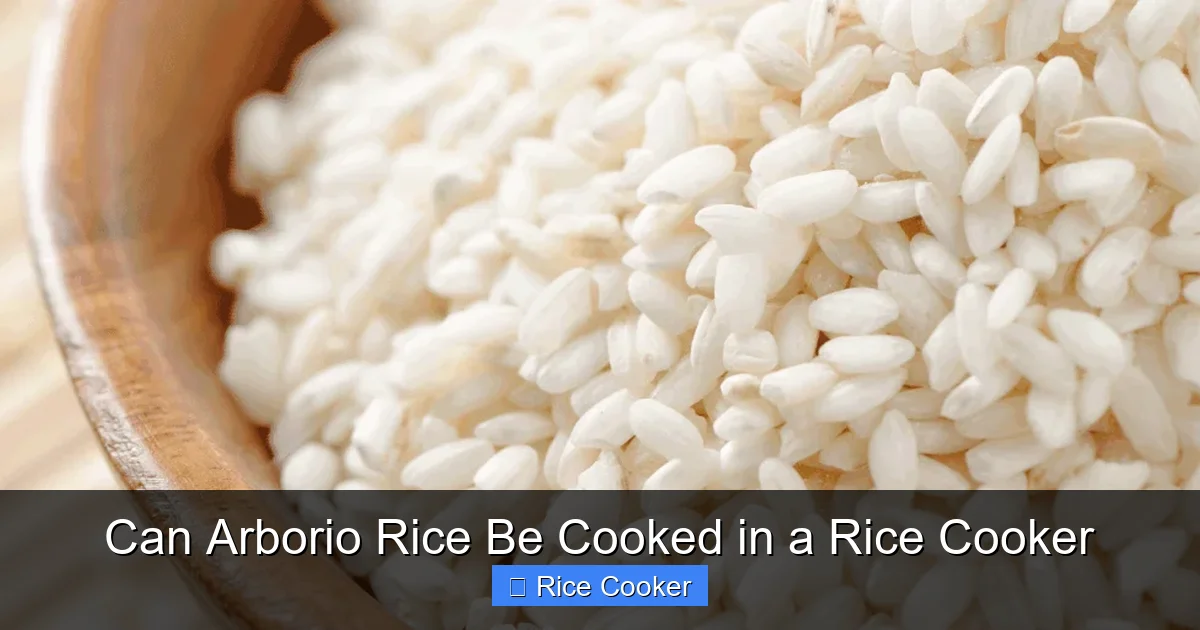
Arborio rice is perfectly suited for rice cookers, delivering rich, creamy results without constant stirring. With the right water ratio and settings, you can achieve restaurant-quality risotto at home effortlessly. Whether you’re making a classic Italian dish or experimenting with flavors, your rice cooker is a reliable kitchen ally.
Key Takeaways
- Yes, arborio rice works well in rice cookers — its high starch content creates creamy textures ideal for risotto when cooked properly.
- Use a 1:3 or 1:3.5 water-to-rice ratio — adjust based on desired consistency and grain tenderness.
- Soaking arborio rice improves texture — a quick soak before cooking helps distribute heat evenly and reduces cooking time.
- Pre-toasting enhances flavor — lightly sautéing arborio rice in butter or oil before adding liquid boosts aroma and depth.
- Don’t open the lid during cooking — steam buildup affects timing; use a timer and avoid peeking unless necessary.
- Let the rice rest after cooking — resting allows moisture to distribute evenly, preventing mushiness.
- Clean your rice cooker promptly — arborio’s stickiness requires thorough cleaning to maintain appliance performance.
📑 Table of Contents
- Can Arborio Rice Be Cooked in a Rice Cooker?
- Understanding Arborio Rice
- The Science Behind Cooking Arborio Rice
- Choosing the Right Rice Cooker
- Step-by-Step Guide: Cooking Arborio Rice in a Rice Cooker
- Tips for Perfect Arborio Risotto Every Time
- Troubleshooting Common Issues
- Cleaning and Maintenance
- Creative Recipes Using Rice Cooker Arborio
- Conclusion
Can Arborio Rice Be Cooked in a Rice Cooker?
If you’re a fan of risotto or creamy rice dishes, chances are you’ve heard of arborio rice. Known for its plump grains, slightly chewy texture, and ability to absorb liquids while retaining a firm bite (al dente), arborio is the gold standard for traditional Italian risotto. But what if you don’t have the time or patience to stir it constantly over the stove? Enter the humble rice cooker.
You might be wondering: Can arborio rice be cooked in a rice cooker? The short answer is yes — absolutely. In fact, many home cooks are discovering that a rice cooker not only simplifies the process but also delivers consistently creamy results. With its automated heating and timing functions, the rice cooker removes the guesswork from risotto preparation, allowing even beginners to create restaurant-worthy meals.
In this comprehensive guide, we’ll walk you through everything you need to know about cooking arborio rice in a rice cooker. From understanding the science behind arborio’s texture to mastering the perfect water ratio and cooking technique, you’ll learn how to transform this versatile grain into a luscious, velvety dish every time.
Understanding Arborio Rice
What Makes Arborio Rice Special?
Arborio rice originates from Italy’s Piedmont region and belongs to the short-grain variety. Its unique characteristics make it ideal for creamy dishes:
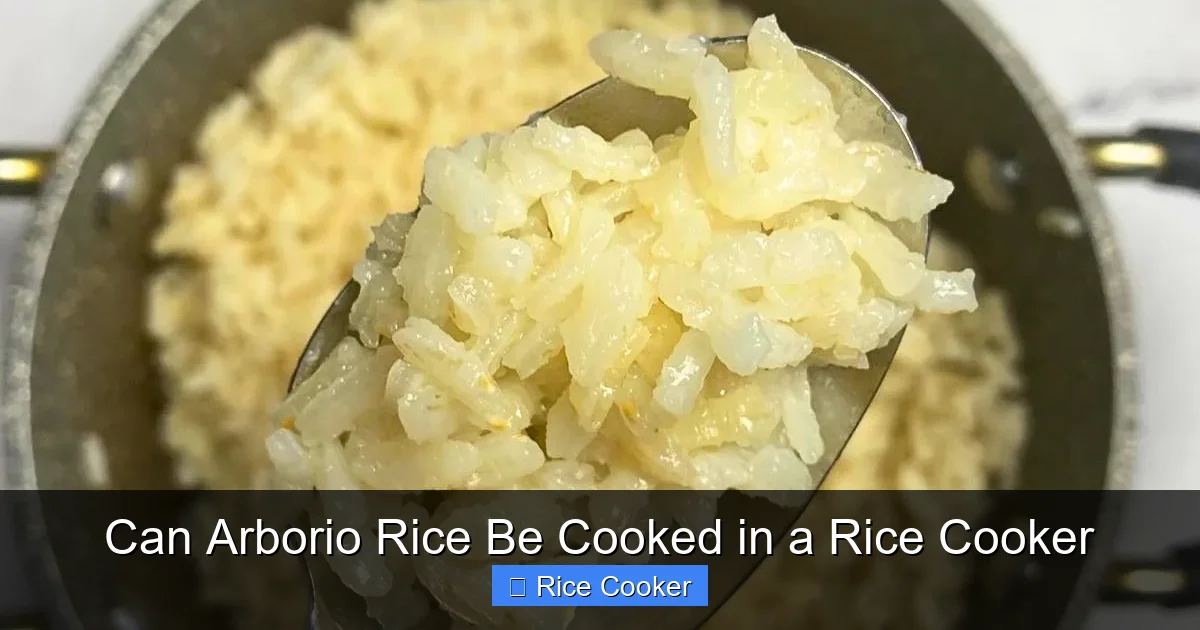
Visual guide about Can Arborio Rice Be Cooked in a Rice Cooker
Image source: theperfectrice.com
- High amylopectin content — This type of starch swells when cooked, releasing into the liquid to create a rich, creamy texture.
- Firm, round grains — They hold their shape well even after absorbing liquid, maintaining an al dente bite.
- Absorptive nature — Unlike long-grain rice, arborio soaks up broth or water efficiently, making it perfect for risottos and rice puddings.
These qualities have made arborio the go-to grain for risotto worldwide. However, because it requires constant stirring and gradual liquid addition during stovetop cooking, some people shy away from making risotto due to the effort involved.
Why Choose a Rice Cooker for Arborio?
Traditionally, risotto is cooked slowly by adding warm liquid one ladle at a time while stirring continuously. This method builds layers of flavor and ensures even starch release. But a rice cooker offers a faster, hands-off alternative that still respects the grain’s natural properties.
Rice cookers use precise temperature control and timed cycles to cook rice evenly. When adapted for arborio, they mimic the gentle simmer required for risotto without human intervention. Many modern models even have a “risotto” or “creamy rice” setting designed specifically for grains like arborio.
Using a rice cooker also reduces the risk of scorching, which can happen on the stovetop if the bottom isn’t stirred regularly. Plus, cleanup is easier — just rinse the inner pot and wipe the exterior.
The Science Behind Cooking Arborio Rice
How Starch Release Creates Creaminess
The magic of creamy risotto lies in the slow release of starch from the rice grains. As arborio absorbs liquid, its outer layer breaks down and releases amylopectin into the cooking medium. This creates the signature velvety mouthfeel.
On the stovetop, constant stirring helps agitate the grains, encouraging starch release. In a rice cooker, the gentle, consistent heat mimics this effect over time. The closed environment traps steam, creating pressure that softens the grains while keeping them intact.
To maximize creaminess, it’s important not to rush the process. Arborio needs enough time to fully hydrate and release its starches — usually between 18 and 25 minutes depending on your cooker and desired texture.
Differences Between Arborio and Other Rices
While all rices can technically be cooked in a rice cooker, arborio behaves differently from common varieties like jasmine or basmati:
| Rice Type | Cooking Method | Texture After Cooking |
|---|---|---|
| Arborio | Slow absorption, high liquid ratio | Creamy, slightly sticky |
| Basmati/Jasmine | Quick boil, low liquid ratio | Fluffy, separate grains |
| Short-Grain Japanese | Moderate liquid, short cook time | Sticky, moist |
This means you can’t simply swap arborio for white long-grain rice in your usual rice cooker recipe. The water ratio and cooking time must be adjusted accordingly.
Choosing the Right Rice Cooker
Types of Rice Cookers
Not all rice cookers are created equal when it comes to handling arborio. Here’s a breakdown of the main types:
- Basic Automatic Models — Affordable and simple, these cook rice once you add water and press a button. They work fine for arborio if used with the correct settings.
- Ceramic Inner Pots — These retain heat well and prevent sticking, which is helpful for sticky arborio rice.
- Multi-Function Models — Look for ones with a “risotto,” “porridge,” or “cream rice” mode. These often include extended cook times ideal for arborio.
- Induction Heating Systems — High-end models use precise temperature control to prevent overcooking and ensure even hydration.
For best results with arborio, choose a rice cooker with a non-stick ceramic inner pot and multiple preset programs. If you plan to cook arborio regularly, investing in a mid-range model with customizable timers is worth considering.
Capacity Considerations
Most standard rice cookers range from 6 to 14 cups (uncooked). For arborio rice, remember that it expands significantly when cooked — a 1-cup serving becomes about 3 cups when fully hydrated.
If you’re cooking for two, a 6-cup model should suffice. For larger families or meal prep, opt for an 8- to 10-cup capacity. Just make sure your kitchen counter has space for the unit, especially since rice cookers can get hot during operation.
Step-by-Step Guide: Cooking Arborio Rice in a Rice Cooker
Ingredients You’ll Need
- 1 cup arborio rice
- 3 cups water or broth (use chicken, vegetable, or mushroom for extra flavor)
- 1 tablespoon olive oil or butter (optional, for pre-toasting)
- Salt to taste
- Garlic, onions, or herbs (optional, for flavoring)
Preparation Tips
Before cooking, give your arborio rice a quick rinse under cold water. This removes excess surface starch and prevents overly gummy results. Use a fine-mesh sieve and gently rub the grains between your fingers.
Next, soak the rinsed rice in cold water for 15–30 minutes. Soaking helps the grains cook more evenly and reduces total cooking time. Drain thoroughly before proceeding.
Step 1: Pre-Toast the Rice (Optional but Recommended)
Heat olive oil or butter in the inner pot of your rice cooker over medium heat. Add the drained arborio rice and toast for 2–3 minutes, stirring frequently. This step develops nutty flavors and helps seal the grain surface, reducing stickiness.
Note: Not all rice cookers allow stovetop use. If yours doesn’t support direct heating, skip this step or do it separately in a skillet before transferring the rice to the cooker.
Step 2: Add Liquid and Seasonings
After toasting, add your warm broth or water (heated slightly above room temperature). Stir in salt and any aromatics like minced garlic or bay leaves. Warm liquids help the rice absorb faster and reduce cooking time.
Step 3: Set the Timer and Cook
Close the lid securely and set your rice cooker to the “White Rice” or “Risotto” setting. If your model doesn’t have a risotto option, use the standard cycle but extend the cook time to 25–30 minutes.
A word of caution: Do not open the lid during cooking. Steam loss can disrupt the internal temperature and lead to uneven results. Trust the machine — it’s designed to handle this.
Step 4: Rest and Fluff
Once the cycle ends, let the rice rest for 5–10 minutes with the lid closed. This allows residual steam to finish hydrating the grains and prevents them from becoming mushy when fluffed.
After resting, gently stir the rice with a wooden spoon or spatula. Avoid aggressive mixing, as this can break the grains and ruin the creamy texture.
Tips for Perfect Arborio Risotto Every Time
Master the Water-to-Rice Ratio
The key to creamy arborio lies in the liquid ratio. A general rule is:
- Standard risotto: 1 part rice to 3 parts liquid
- Creamier version: 1:3.5 ratio
- More liquidy (like paella): 1:4 ratio
Start with 3 cups of liquid per 1 cup of rice. Taste and adjust after cooking. If it’s too thick, stir in a splash of warm broth. If too runny, cook uncovered on the “keep warm” setting for 2–3 minutes to evaporate excess moisture.
Use Warm Broth for Best Results
Cold liquid slows down absorption and increases cooking time unnecessarily. Always use broth warmed to about 100°F (38°C) before adding it to the rice cooker.
Season Gradually
Add salt early in the process, but consider adding other seasonings toward the end. Too much salt upfront can draw out moisture prematurely and affect texture.
Avoid Overmixing
Stir only when necessary — once at the beginning to coat the grains, and again at the end to combine flavors. Overstirring breaks down the rice and leads to a gluey mess.
Customize Your Dish
Arborio’s neutral flavor makes it a canvas for creativity. Try adding:
- Shaved Parmesan and black pepper for classic risotto alla Milanese
- Sautéed mushrooms and thyme for a earthy variation
- Seared scallops and lemon zest for a seafood twist
- Pumpkin puree and sage for a seasonal fall dish
Troubleshooting Common Issues
Too Dry or Undercooked
If your arborio rice is hard or chalky, it likely didn’t absorb enough liquid. This can happen if:
- The water ratio was too low
- The cooker wasn’t hot enough
- The rice wasn’t soaked beforehand
Fix: Next time, increase the liquid by ½ cup and ensure the rice is soaked. Also, verify that your cooker reaches full heat before starting.
Too Wet or Mushy
Overcooked or excessive liquid leads to mushy arborio. This occurs when:
- The cook time was too long
- Too much liquid was added
- The lid was opened during cooking
Fix: Reduce liquid by ¼ cup next batch and stick to the recommended cook time. Keep the lid sealed throughout.
Rice Sticking to the Pot
Even with non-stick pots, arborio can cling if not stirred or if too little fat is used. To prevent this:
- Always use a thin layer of oil or butter
- Stir gently at the start
- Ensure the pot is clean and dry before use
Cleaning and Maintenance
Immediate Care After Use
Arborio’s stickiness makes cleanup essential. As soon as the rice is done, remove the inner pot and rinse it under warm water while the residue is still soft. Use a soft sponge — avoid abrasive scrubbers that can damage the coating.
Deep Cleaning Tips
For stubborn stains:
- Soak the pot in warm, soapy water for 15 minutes
- Use a wooden utensil to scrape off dried bits
- For mineral buildup, fill the pot with equal parts water and white vinegar and let sit overnight
Storage and Safety
Always store your rice cooker in a dry place. Wipe the exterior with a damp cloth and dry immediately. Never immerse the base or electrical components in water.
Creative Recipes Using Rice Cooker Arborio
Classic Creamy Risotto
Combine cooked arborio with grated Parmesan, butter, and freshly cracked black pepper. Serve immediately for the best texture.
Mushroom Risotto
Sauté sliced mushrooms in butter before adding rice. Cook as usual, then finish with truffle oil or fresh thyme.
Seafood Risotto
Add cooked shrimp, mussels, or scallops during the last 5 minutes of cooking. Top with lemon juice and parsley.
Vegetarian Delight
Roast vegetables like bell peppers, zucchini, and cherry tomatoes. Blend half into the rice cooker for a vibrant, nutrient-packed meal.
Conclusion
Cooking arborio rice in a rice cooker is not only possible — it’s a game-changer for anyone who loves creamy, flavorful rice dishes without the hassle of constant stirring. With the right techniques, ratios, and a little practice, you can produce risotto that rivals your favorite Italian restaurant’s version.
The beauty of using a rice cooker lies in its simplicity and consistency. No more watching the clock, no more worrying about burning the bottom — just add rice, liquid, and flavor, press a button, and let technology do the work. Whether you’re preparing a cozy family dinner or impressing guests, arborio rice in a rice cooker delivers satisfying results every time.
So go ahead — ditch the stove for once and embrace the ease of your rice cooker. Your taste buds will thank you.
Frequently Asked Questions
Can I use any type of rice in a rice cooker?
Most rices can be cooked in a rice cooker, but each has different water ratios and cook times. Arborio rice requires more liquid and longer cooking than jasmine or basmati rice due to its starch content and grain structure.
Do I need to soak arborio rice before cooking?
Soaking arborio rice for 15–30 minutes before cooking helps it hydrate evenly and reduces total cook time. It’s optional but recommended for better texture and consistency.
Can I cook arborio rice in a regular rice cooker without a risotto setting?
Yes, most standard rice cookers can handle arborio rice. Just adjust the water ratio to 3:1 (water to rice) and extend the cook time to 25–30 minutes if needed.
Why is my arborio rice too sticky?
Sticky rice usually results from too much liquid, lack of stirring, or insufficient rinsing before cooking. Rinse the rice thoroughly and use the correct water ratio to fix this issue.
Can I add cheese and butter directly into the rice cooker?
Yes, you can add grated Parmesan and a knob of butter at the end of the cooking cycle. Let the rice rest for 5 minutes before stirring in the cheese and butter for a creamy finish.
Is it safe to leave arborio rice in the rice cooker after cooking?
Yes, but only on the “keep warm” setting for up to 1 hour. Longer periods may cause the rice to dry out or become soggy. For best quality, serve immediately.