
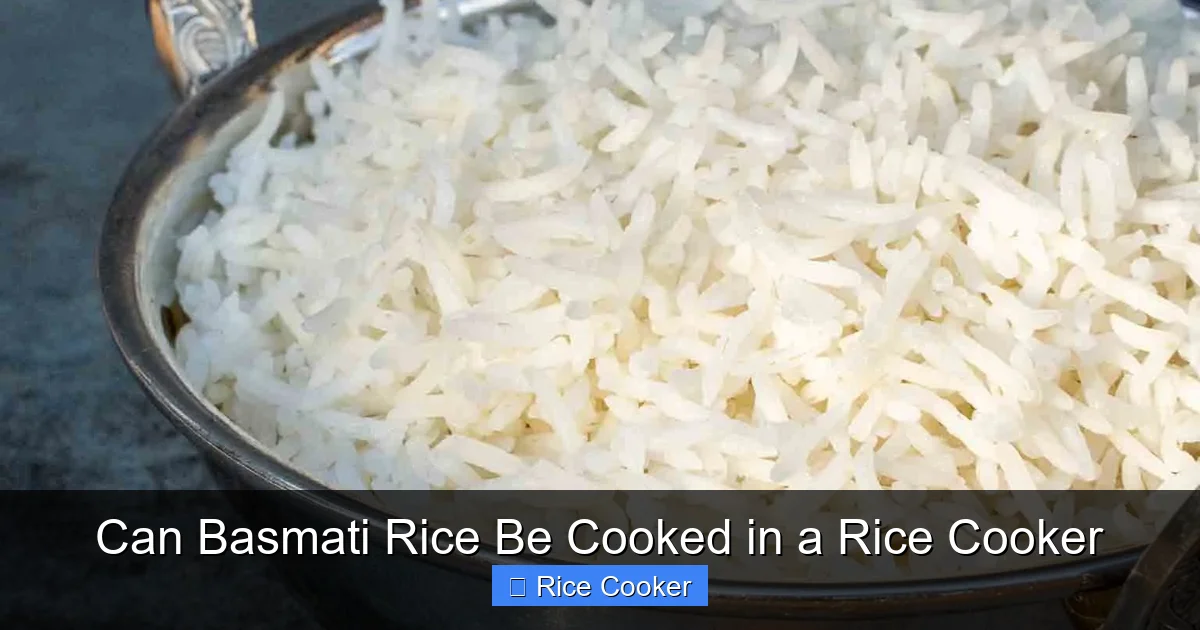
Can you cook basmati rice in a rice cooker? Absolutely! With the right water ratio and technique, your rice cooker can produce perfectly fluffy, aromatic basmati rice that rivals restaurant quality. The secret lies in using the proper cooking method and understanding your specific rice cooker model.
Key Takeaways
- Rice cookers work great for basmati rice: Modern rice cookers are designed to handle different rice varieties, including long-grain basmati.
- Water ratio matters most: The 1:1.5 to 1:2 ratio of rice to water is ideal for achieving fluffy, separate grains without being mushy.
- Rinsing prevents stickiness: Always rinse basmati rice before cooking to remove excess starch and prevent clumping.
- Soaking improves texture: Soaking basmati rice for 30 minutes to 1 hour helps achieve better texture and aroma.
- Different models need adjustments: Some rice cookers have specific settings for jasmine or basmati rice, while others require manual adjustments.
- Resting time is crucial: Let cooked rice sit covered for 5-10 minutes after cooking to complete the steaming process.
- Quality affects results: Higher-quality basmati rice will yield better flavor, aroma, and texture than lower-grade varieties.
Quick Answers to Common Questions
Question 1?
Can I cook basmati rice in any rice cooker?
Question 2?
How much water do I need for basmati rice?
Question 3?
Do I need to soak basmati rice before cooking?
Question 4?
Why is my basmati rice sticky?
Question 5?
How long should I let basmati rice rest after cooking?
📑 Table of Contents
- The Ultimate Guide to Cooking Perfect Basmati Rice in Your Rice Cooker
- Understanding Basmati Rice: What Makes It Special
- Preparing Your Rice Cooker for Basmati Rice
- Choosing the Right Rice Cooker Settings
- The Step-by-Step Cooking Process
- Troubleshooting Common Issues
- Creative Ways to Use Your Perfect Basmati Rice
- Storage and Reheating Tips
- Advanced Techniques for Expert Results
- Conclusion: Mastering Basmati Rice Made Easy
The Ultimate Guide to Cooking Perfect Basmati Rice in Your Rice Cooker
Have you ever wondered if your rice cooker can handle those fragrant, long-grain basmati rice dishes you love? The short answer is yes—absolutely! But getting that perfect fluffy, separate grain texture that makes basmati rice special requires more than just throwing it into the pot. Like any cooking technique, there are specific methods and ratios that make all the difference.
Whether you’re preparing a simple dinner side dish or an elaborate Indian curry, cooking basmati rice in a rice cooker has become one of the most convenient ways to achieve consistent, restaurant-quality results at home. The magic happens when you understand the science behind the process and learn to adapt your technique for this particular type of rice.
Understanding Basmati Rice: What Makes It Special
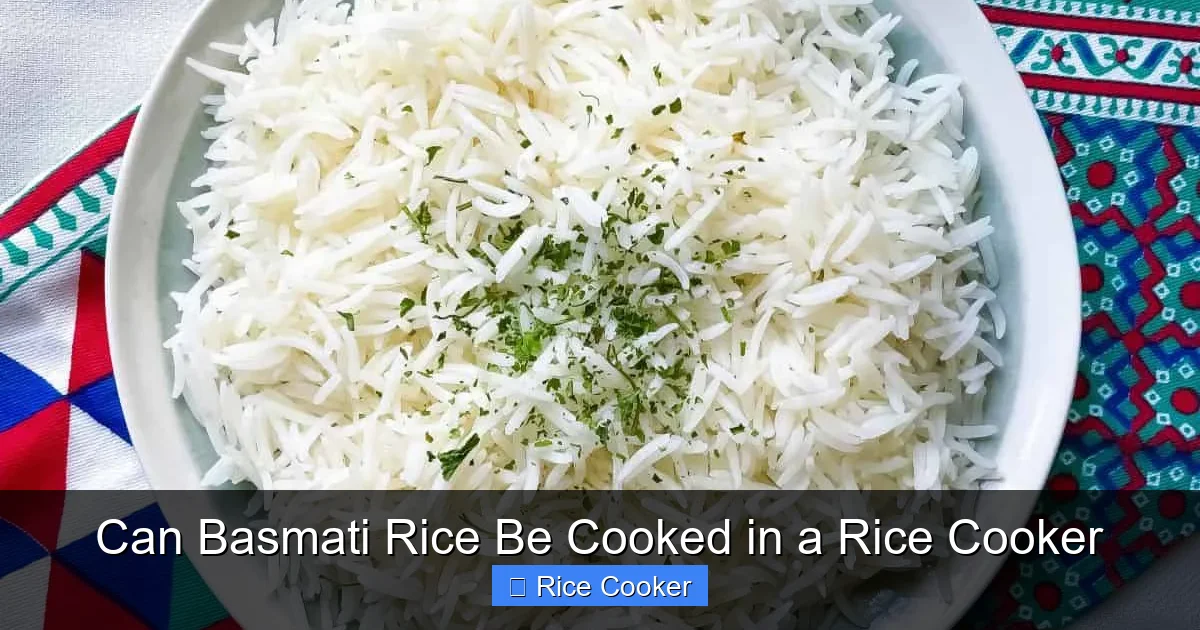
Before diving into the cooking process, it’s important to understand why basmati rice deserves special attention. Native to the Indian subcontinent, basmati rice is prized for its distinctive aroma, delicate flavor, and unique texture. These characteristics come from several key factors:
Visual guide about Can Basmati Rice Be Cooked in a Rice Cooker
Image source: fatimacooks.net
The Science Behind the Aroma
Basmati rice gets its signature fragrance from natural oils called 2-acetyl-1-pyrroline, which develop during growth and aging. When cooked properly, these compounds release that wonderful nutty, popcorn-like scent that fills your kitchen. This is why quality basmati rice often costs more—the best varieties are aged for months or even years to enhance their aromatic properties.
Texture and Grain Structure
Unlike other long-grain rice varieties, basmati rice has a slender, elongated grain with minimal starch content. This structure allows each grain to remain separate and fluffy rather than becoming sticky. However, this also means basmati rice is more delicate and can easily become mushy if overcooked or handled roughly.
Different Varieties and Grades
Not all basmati rice is created equal. You’ll find several grades on the market:
- Grade A (Premium): Extra-long grains, excellent aroma, slightly aged for enhanced flavor
- Grade B (Standard): Good quality, longer grains, commonly found in grocery stores
- Grade C (Economy): Shorter grains, less aroma, often blended with other rice varieties
For the best results in your rice cooker, opt for Grade A or B basmati rice from reputable brands like Tilda, Daawat, or Kohinoor.
Preparing Your Rice Cooker for Basmati Rice
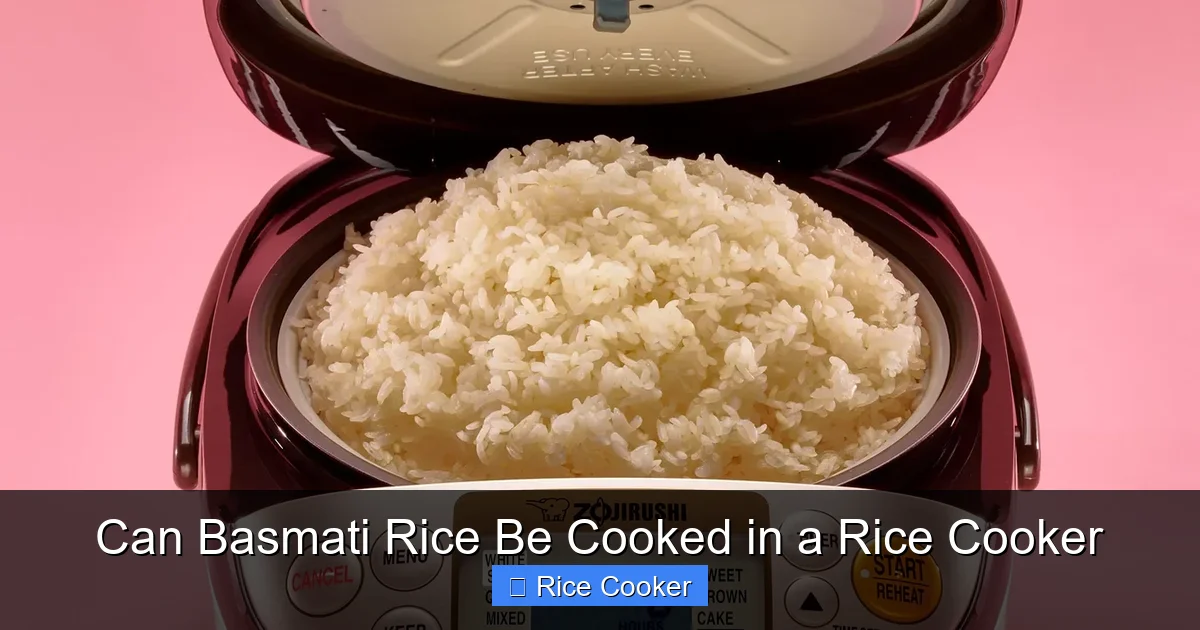
Getting started begins with proper preparation of both your ingredients and equipment. Taking a few extra minutes to set up correctly will pay off with much better results.
Visual guide about Can Basmati Rice Be Cooked in a Rice Cooker
Image source: pyxis.nymag.com
Rinsing the Rice Properly
This is perhaps the most critical step when cooking basmati rice. Rinsing removes excess surface starch that can cause the grains to stick together during cooking. Here’s the best method:
- Place your basmati rice in a fine-mesh strainer
- Run cool water through the rice until it runs clear
- Gently agitate the rice with your fingers to ensure thorough rinsing
- Drain completely – any remaining water will affect your final ratio
Avoid using hot water for rinsing, as it can begin the cooking process and affect the texture.
Soaking for Enhanced Texture
While not absolutely necessary, soaking basmati rice significantly improves the final result. The soaking process allows the grains to absorb water gradually, leading to more uniform cooking and better texture. Here’s what works best:
- Quick soak: 30 minutes in cold water
- Extended soak: Up to 1 hour for premium varieties
- Overnight soak: Optional for very dry or hard-to-cook rice
After soaking, drain the rice completely before measuring for cooking. This ensures accurate water measurements and prevents oversaturation.
Measuring Ingredients Accurately
The water-to-rice ratio is crucial for basmati rice success. Too much water leads to mushy rice; too little results in undercooked grains. For most modern rice cookers, use these guidelines:
| Rice Type | Water Ratio | Cooking Time |
|---|---|---|
| Regular Basmati | 1:1.5 (1 cup rice, 1.5 cups water) | 15-18 minutes |
| Premium Basmati | 1:1.75 | 18-22 minutes |
| Dry/Starchy Variety | 1:2 | 20-25 minutes |
Always measure both rice and water by volume, not weight. Use standard measuring cups for consistency.
Choosing the Right Rice Cooker Settings
Different rice cooker models offer various features that can simplify the basmati rice process. Understanding your options helps you select the best setting for your needs.
Basic vs. Advanced Models
If you have a basic rice cooker without specialized settings, don’t worry—you can still cook excellent basmati rice. However, advanced models offer distinct advantages:
- Fuzzy Logic Technology: Automatically adjusts cooking time based on rice type and quantity
- Multiple Preset Programs: Specific settings for jasmine, basmati, brown rice, etc.
- Slower Cooking Options: Gentle heating for better texture preservation
- Keep Warm Functions: Maintains perfect serving temperature without drying out
For beginners, start with the “white rice” or “long grain” setting if available, then adjust from there.
Using Preset Programs Effectively
If your rice cooker has a dedicated basmati or jasmine rice setting, use it! These programs typically optimize the cooking cycle specifically for long-grain rice varieties. The benefits include:
- Optimized temperature profiles for better starch gelatinization
- Adjusted cooking times for complete but gentle cooking
- Enhanced aroma development during the steaming phase
If you accidentally select the wrong setting, don’t panic—just follow the standard procedure described below.
The Step-by-Step Cooking Process
Now comes the main event—actually cooking your basmati rice. Following these steps precisely will give you the best results every time.
Setting Up Your Rice Cooker
Start by preparing your rice cooker pot:
- Wipe the inner pot dry if it has residue from previous use
- Add the rinsed (and optionally soaked) basmati rice
- Measure and add the appropriate amount of water
- Gently stir once to distribute the rice evenly
- Place the lid securely on the cooker
Never skip the initial stirring—it helps ensure even cooking throughout the batch.
Starting the Cooking Cycle
Press the power button and select your desired setting. For most rice cookers without presets:
- Select “White Rice” or “Long Grain”
- Wait for the indicator light to show it’s heating
- Avoid opening the lid during cooking—this disrupts the steam pressure
Modern rice cookers typically take 20-30 minutes total, including heating, cooking, and steaming phases.
Post-Cooking Procedures
This is where many people make mistakes. After the cooker automatically switches to “warm” mode, wait before serving:
- Let the rice sit covered for 5-10 minutes
- This resting period completes the cooking process and allows steam to distribute evenly
- Gently fluff the rice with a fork to separate grains
- Serve immediately for best texture
Resist the temptation to open the lid during resting—the steam helps finish cooking the center of each grain.
Troubleshooting Common Issues
Even with careful preparation, you might encounter some challenges. Here’s how to fix common problems.
Mushy or Sticky Rice
This usually indicates too much water or overcooking. Solutions include:
- Reduce water by 1/4 cup per cup of rice next time
- Rinse rice more thoroughly to remove excess starch
- Avoid stirring during cooking—it breaks up delicate grains
- Ensure your rice cooker maintains consistent heat
Undercooked or Hard Rice
If your rice is crunchy in the center, try these fixes:
- Increase water slightly—start with 1:1.75 ratio
- Check your water measurements carefully
- Make sure the rice cooker reaches full heat before starting
- Consider soaking the rice longer next time
Weak Aroma or Flavor
Poor aroma often results from low-quality rice or improper storage. Improvements:
- Invest in higher-grade basmati rice
- Store rice in an airtight container away from strong odors
- Avoid cooking for too long—overcooking can dull the aroma
- Try adding a pinch of salt or ghee during the last minute of cooking
Creative Ways to Use Your Perfect Basmati Rice
Once you master the basics, you can explore many delicious applications for your perfectly cooked basmati rice.
Biryanis and Pilafs
Basmati rice is the star ingredient in countless international dishes:
- Chicken Biryani: Layer marinated chicken with rice and spices, then cook slowly
- Vegetable Pilaf: Sauté vegetables first, then add rice and broth
- Beef and Barley Stew: Use as a bed for slow-cooked meats
Sushi and Sashimi Rice
With slight modifications, basmati rice can work for Asian cuisine:
- Use slightly less water (1:1.25 ratio)
- Add rice vinegar, sugar, and salt during cooking
- Cool quickly in front of a fan for sushi texture
International Dishes
Expand your culinary horizons with these recipes:
- Indian Pulao: Fragrant spices cooked with rice
- Persian Chelo: Saffron-infused rice with herbs
- Middle Eastern Mansaf: Rice served with lamb and yogurt sauce
Storage and Reheating Tips
Proper handling after cooking extends your rice’s quality and safety.
Short-Term Storage
For immediate use within 2-3 hours:
- Store covered at room temperature
- Avoid letting it sit uncovered—this dries out the surface
- Reheat gently in a covered pot with a splash of water
Long-Term Storage
For freezing up to 3 months:
- Let rice cool completely
- Spread in a thin layer on a baking sheet to freeze quickly
- Transfer frozen rice to freezer bags
- Label with date and contents
Thaw overnight in the refrigerator before reheating.
Advanced Techniques for Expert Results
Seasoned cooks can elevate their basmati rice game with these professional techniques.
Broth Substitution
Instead of plain water, use flavorful liquids for enhanced taste:
- Chicken or vegetable stock
- Saffron-infused milk
- Herbal teas or infused waters
- Beer or wine (for savory dishes)
Tempering Spices
Add complexity with traditional spice techniques:
- Sauté whole spices in oil before adding rice
- Add bay leaves or cardamom pods during cooking
- Dry-roast cumin seeds and coriander for depth
Flavor Infusion Methods
Create layered flavors with these approaches:
- Layer rice with aromatics before cooking
- Add herbs during the steaming phase
- Finish with butter or ghee for richness
Conclusion: Mastering Basmati Rice Made Easy
Cooking basmati rice in a rice cooker doesn’t have to be complicated. With the right preparation, understanding of ratios, and attention to detail, you can consistently produce fluffy, aromatic rice that serves as the perfect foundation for countless meals. The key is treating basmati rice with respect—its delicate nature requires gentle handling and precise timing.
Remember that practice makes perfect. Don’t be discouraged if your first attempts aren’t flawless. Each batch teaches you something new about your rice cooker’s behavior and your preferences. Experiment with different varieties, water ratios, and flavor additions until you find exactly what works for your family’s tastes.
The convenience of a rice cooker combined with these techniques puts restaurant-quality basmati rice within reach of any home cook. Whether you’re preparing a simple weeknight dinner or entertaining guests, you now have the knowledge to create exceptional rice that will impress everyone at the table.
Frequently Asked Questions
Do I need special rice for my rice cooker?
While most rice cookers can handle various types, using the right variety for your intended dish gives best results. Basmati rice works perfectly in standard rice cookers with proper technique.
Can I cook other rice varieties in the same rice cooker?
Yes, rice cookers are versatile appliances designed to handle multiple rice types including jasmine, arborio, brown rice, and wild rice with appropriate adjustments.
What’s the difference between washing and soaking rice?
Washing removes surface starch that causes stickiness, while soaking allows gradual water absorption for more uniform cooking and improved texture.
How can I tell if my rice is done cooking?
Most rice cookers automatically switch to warm mode when done. Check by gently pressing a grain—it should be tender but not mushy, with no white spots in the center.
Should I stir the rice during cooking?
No, avoid stirring during cooking as it breaks up delicate basmati grains. Gently stir only once at the beginning and once at the end.
Can I add spices directly to the rice while cooking?
Yes, you can add whole spices like bay leaves, cardamom pods, or cinnamon sticks during cooking for subtle flavor infusion without affecting texture.