

Yes, chickens can eat cooked rice—but with caution. It’s safe when plain, cooled, and given in moderation as part of a varied diet. Never feed them seasoned, fried, or raw rice, as these can harm your flock. Always prioritize cleanliness and portion control to keep your chickens healthy and happy.
Key Takeaways
- Safety First: Plain, cooled cooked rice is safe for chickens and provides carbohydrates and energy.
- Avoid Additives: Never give chickens seasoned, fried, salty, or sugary rice—these ingredients can cause digestive upset or toxicity.
- Moderation Matters: Rice should be an occasional treat, not a staple. Overfeeding can lead to obesity or nutritional imbalances.
- Cooking Method Matters: Boiled or steamed white or brown rice without oil, butter, or spices is ideal for poultry.
- Cool Before Serving: Always let rice cool completely before offering it to chickens to prevent burns or respiratory issues.
- Hydration Check: Ensure chickens have access to fresh water after eating rice, as it can absorb moisture and potentially lead to dehydration if water isn’t available.
- Monitor Your Flock: Watch for signs of digestive issues like diarrhea or lethargy after feeding rice, and discontinue if problems arise.
Quick Answers to Common Questions
Can chickens eat rice from my takeout meal?
Only if it’s plain, unseasoned, and cooled. Avoid fried rice, sushi rice with fish, or anything with garlic, onions, or sauces. Otherwise, it’s safer to stick with homemade plain rice.
How much rice should I give my chickens?
Limit it to a small handful per bird, once or twice a week. Never let rice make up more than 5% of their daily food intake.
Can chickens eat instant rice?
Only if it’s labeled “no salt added” and plain. Many instant rices contain sodium and preservatives that aren’t ideal for poultry.
Should I cook rice with broth for chickens?
No. Broth often contains salt, garlic, or onions, which are harmful. Use plain water only.
Will rice help chickens gain weight?
Rice adds calories, but not necessarily healthy weight. Combine it with protein and nutrients for effective weight gain.
📑 Table of Contents
- Can Chicken Eat Cooked Rice? A Friendly Guide for Chicken Owners
- Is Cooked Rice Safe for Chickens?
- How to Prepare Cooked Rice for Your Chickens
- Can Baby Chicks Eat Cooked Rice?
- Common Mistakes to Avoid When Feeding Rice to Chickens
- Benefits of Including Rice in a Chicken’s Diet
- Alternatives to Rice: What Else Can Chickens Eat?
- Final Thoughts: Rice Can Be Part of a Healthy Chicken Diet—With Care
Can Chicken Eat Cooked Rice? A Friendly Guide for Chicken Owners
You’ve probably seen chickens pecking at leftover food scraps—maybe even some rice from your dinner plate. But can chicken actually eat cooked rice? The short answer is yes, but not all rice is created equal. As a responsible chicken owner, it’s important to understand what’s safe, what’s not, and how to serve it properly.
Rice is a common pantry staple in many households, and its affordability and versatility make it tempting to share with your feathered friends. However, just because it’s easy to prepare doesn’t mean it’s always the best choice for your flock. Chickens thrive on a diet rich in protein, vitamins, and minerals—and while rice can play a small role in that balance, it shouldn’t dominate their meals. In this guide, we’ll explore everything you need to know about feeding cooked rice to chickens: the benefits, the risks, proper preparation methods, and how to incorporate it safely into your chicken’s routine.
Is Cooked Rice Safe for Chickens?
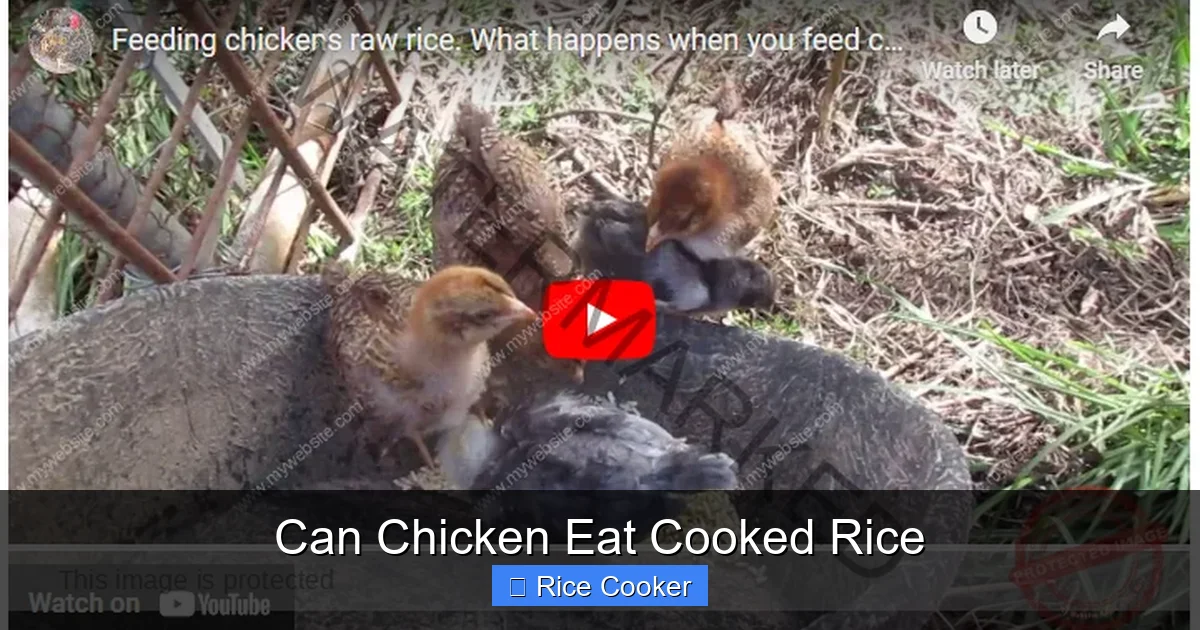
Absolutely—plain, cooled, cooked rice is perfectly safe for chickens to eat. In fact, it can be a good source of energy due to its carbohydrate content. When cooked properly without harmful additives, rice offers digestible calories that chickens can utilize efficiently. Brown rice, in particular, contains more fiber and nutrients than white rice, making it a slightly healthier option.
Visual guide about Can Chicken Eat Cooked Rice
Image source: agrolearner.com
However, safety hinges entirely on how the rice is prepared and served. Raw rice, while technically edible, is harder for chickens to digest and may expand in their stomachs, potentially causing blockages. More importantly, rice seasoned with salt, garlic, onions, herbs, or oils—especially from fried dishes like fried rice—can be dangerous. These additives can upset a chicken’s sensitive digestive system and, in large amounts, lead to health complications.
What Makes Rice Beneficial for Chickens?
Rice is primarily composed of starch, which breaks down into glucose during digestion. For chickens, this glucose provides a quick and steady energy boost—ideal for egg-laying hens or birds recovering from illness. Additionally, cooked rice is easy to chew and swallow, making it suitable for young chicks (once softened) or older chickens with dental issues.
Brown rice, being less processed, retains more of its natural bran and germ layers. This means it’s richer in fiber, B vitamins, and minerals like magnesium and selenium. While chickens don’t require as much fiber as humans, a modest amount supports healthy gut function and digestion.
Potential Risks of Feeding Rice to Chickens
Despite its benefits, there are several reasons to feed rice sparingly. First and foremost, rice lacks essential amino acids and fats that are critical for chicken health. Overreliance on rice can lead to malnutrition, especially if it replaces nutrient-dense foods like mealworms, grains, or commercial feed.
Another concern is the risk of mold or contamination. Leftover rice left out too long can grow bacteria like Bacillus cereus, which produces toxins that affect both humans and animals. Always ensure any rice you offer has been stored properly and hasn’t been sitting at room temperature for more than a few hours.
Finally, uncooked rice expands when it comes into contact with moisture in the digestive tract. While this isn’t usually harmful to chickens, it can cause discomfort or mild bloating if consumed in large quantities. Cooling the rice before serving reduces this risk significantly.
How to Prepare Cooked Rice for Your Chickens
If you decide to share a bit of rice with your flock, preparation is key. Start by cooking the rice using plain water—no oil, butter, salt, or seasonings. Boil white or brown rice until tender, then allow it to cool completely before offering it to your chickens.
Visual guide about Can Chicken Eat Cooked Rice
Image source: petshun.com
For younger chicks (around 6–8 weeks old), you may want to mash or soak the rice first to make it easier to digest. Older chickens can handle whole grains just fine, but mashed rice can still be a comforting treat during cold weather or after molting.
Portion size matters. A handful per bird once or twice a week is plenty. Think of rice as a special snack, not a meal replacement. Too much can fill them up without providing necessary nutrients, leading to picky eaters who avoid their regular feed.
Best Types of Rice for Chickens
Not all rice varieties are equally suitable. Here’s a quick breakdown:
- White Rice: Easy to digest and widely available. Good for occasional treats.
- Brown Rice: Higher in fiber and nutrients. Better for regular, limited feeding.
- Instant Rice: Often contains added sodium and preservatives. Avoid unless labeled “no salt added.”
- Wild Rice: Technically a grass seed, not true rice. Can be fed in moderation but is more challenging to digest.
When possible, opt for organic or non-GMO rice to minimize exposure to pesticides or genetically modified organisms. While chickens aren’t known to be highly sensitive to GMOs, many owners prefer to err on the side of caution with their flocks.
Serving Tips and Timing
The best time to offer rice is in the morning or late afternoon, so it doesn’t interfere with their main feed intake. Spread it evenly across the coop floor or mix it into scratch grains to encourage foraging behavior.
Always follow up with fresh water. Rice absorbs liquid, so if your chickens eat a lot of it without drinking, they might become dehydrated. Make sure your waterers are full and clean every day.
Also, rotate treats regularly. Variety keeps chickens engaged and ensures they get a broad spectrum of nutrients. Pair rice with bits of vegetables, fruits, or protein sources like scrambled eggs (cooked plain) for a balanced snack.
Can Baby Chicks Eat Cooked Rice?
Young chicks have delicate digestive systems and require specific nutrition during their first weeks of life. Their starter feed is formulated to meet all their needs—protein, fat, vitamins, and minerals—in a form they can easily consume.
While it’s tempting to share tiny portions of rice with baby chicks, it’s generally not recommended. Cooked rice lacks the complete amino acid profile and fat content that chicks need for rapid growth. Instead, offer soaked or crushed chick feed mixed with warm water to mimic soft mash.
That said, if you’re hand-rearing a chick and have no commercial starter feed on hand, plain boiled rice can serve as a temporary emergency food. Soak it well, mash it into a paste, and supplement with hard-boiled egg yolk or a few drops of liquid vitamin supplement. Even then, consult a veterinarian or poultry expert as soon as possible.
Signs Your Chick Is Ready for Solid Foods
Most chicks begin eating solid feed around 10–14 days old. At this stage, they can nibble on crumbled starter feed, small insects, and soft grains. If your chick is pecking around and trying to eat things other than liquid feed, it’s likely ready for variety—but rice should still be rare.
Remember: rice alone won’t sustain a growing chick. It must be part of a diverse diet that includes greens, protein sources, and high-quality pellets.
Common Mistakes to Avoid When Feeding Rice to Chickens
Even well-meaning owners sometimes make errors that can harm their flock. Let’s go over the most common pitfalls and how to avoid them.
Mistake #1: Using Seasoned or Fried Rice
This is the biggest no-no. Fried rice often contains garlic, onion, soy sauce, MSG, or oil—all of which are toxic or irritating to chickens. Garlic and onion, in particular, can damage red blood cells and lead to anemia. Stick to plain, unseasoned rice only.
Mistake #2: Serving Hot Rice
Hot rice can scald a chicken’s mouth or crop (esophagus). Always let rice cool completely—ideally to room temperature—before offering it. You can test by touching it with your finger; if it feels warm, wait longer.
Mistake #3: Overfeeding
Rice is calorie-dense but nutrient-poor. Feeding too much can cause chickens to skip their regular feed, leading to deficiencies. Limit rice to no more than 5% of their total diet.
Mistake #4: Leaving Leftover Rice Out
Unrefrigerated rice can harbor bacteria within two hours. If your chickens don’t finish a bowl of rice in one sitting, refrigerate the remainder immediately. Reheat thoroughly if you plan to reuse it later—but better yet, make smaller batches.
Mistake #5: Assuming All Grains Are Equal
Chickens can eat many grains—oats, barley, quinoa, even pasta (plain, cooled)—but each has different nutritional profiles. Rice is fine occasionally, but don’t rely on it as a primary grain source.
Benefits of Including Rice in a Chicken’s Diet
When used appropriately, rice offers several advantages beyond just calories. Let’s look at why it can be a smart addition to your chicken care routine.
Energy Boost During Cold Weather
In winter, chickens burn extra calories to stay warm. A small portion of rice can provide sustained energy without the spike caused by sugary snacks. Just pair it with warm water to help them digest more easily.
Encourages Natural Foraging Behavior
Scatter a few grains across the run or mix them into sand bedding. This mimics natural scratching and pecking instincts, keeping chickens mentally stimulated and physically active.
Easy to Digest for Older Chickens
As chickens age, their beaks may weaken, or they may lose interest in hard feeds. Softened rice can be a gentle alternative that still delivers calories and comfort.
Low Allergenicity
Unlike some human foods that trigger sensitivities in animals, rice is hypoallergenic for most chickens. It rarely causes reactions unless contaminated with something else.
Cost-Effective Treat Option
Rice is inexpensive and lasts a long time when stored properly. Making your own chicken treats saves money compared to store-bought options, which often contain fillers and artificial additives.
Alternatives to Rice: What Else Can Chickens Eat?
While rice is acceptable, it’s wise to diversify your chickens’ diet with other safe foods. Here’s a list of nutritious alternatives that complement—or replace—rice in moderation.
- Vegetables: Carrots, spinach, kale, zucchini, and sweet potatoes are rich in vitamins A, C, and K.
- Fruits: Apples (without seeds), berries, melons, and bananas offer natural sugars and hydration.
- Protein Sources: Mealworms, black soldier fly larvae, plain cooked beans, or scrambled eggs (no salt).
- Grains: Oats, barley, millet, and corn (whole or ground) provide balanced nutrition.
- Dairy (in moderation): Plain yogurt or cottage cheese can support gut health (feed sparingly, as chickens are lactose intolerant).
Rotating these foods ensures your chickens receive a wide range of nutrients and prevents boredom. Plus, it strengthens their immune systems naturally.
Final Thoughts: Rice Can Be Part of a Healthy Chicken Diet—With Care
So, can chicken eat cooked rice? Yes, absolutely—but only under the right conditions. Plain, cooled, unseasoned rice in small amounts is safe and can even benefit your flock. Just remember: variety is key, moderation is non-negotiable, and preparation matters more than quantity.
Your chickens depend on you for their health and happiness. By understanding what foods are safe and how to serve them, you’re giving them the gift of a well-rounded, enjoyable diet. Whether it’s a handful of brown rice on a chilly morning or a fun foraging challenge scattered across the run, these simple acts show love and responsibility.
And hey—if you’re using a rice cooker at home, consider setting aside a little plain rice just for your feathered friends. It’s an easy way to bond with your chickens while keeping them nourished. Just don’t forget the water!
Frequently Asked Questions
Can chickens eat raw rice?
Raw rice is harder to digest and may expand in a chicken’s stomach. It’s best avoided—stick to cooked rice instead.
Is brown rice better than white rice for chickens?
Yes, brown rice offers more fiber, vitamins, and minerals. Both are safe, but brown rice is nutritionally superior in small amounts.
Can I feed my chickens rice every day?
No. Daily feeding of rice can displace nutrient-rich foods and lead to imbalances. Offer it only occasionally as a treat.
Do chickens need water after eating rice?
Yes. Rice absorbs moisture, so ensure fresh water is always available to prevent dehydration.
Can I mix rice with chicken feed?
Yes, lightly mixing cooled rice with commercial feed encourages consumption and adds variety—just don’t overdo it.
Are there any breeds that shouldn’t eat rice?
No specific breed restriction exists. However, chickens with kidney issues or those on restricted diets should avoid excess carbs like rice—consult a vet if unsure.