
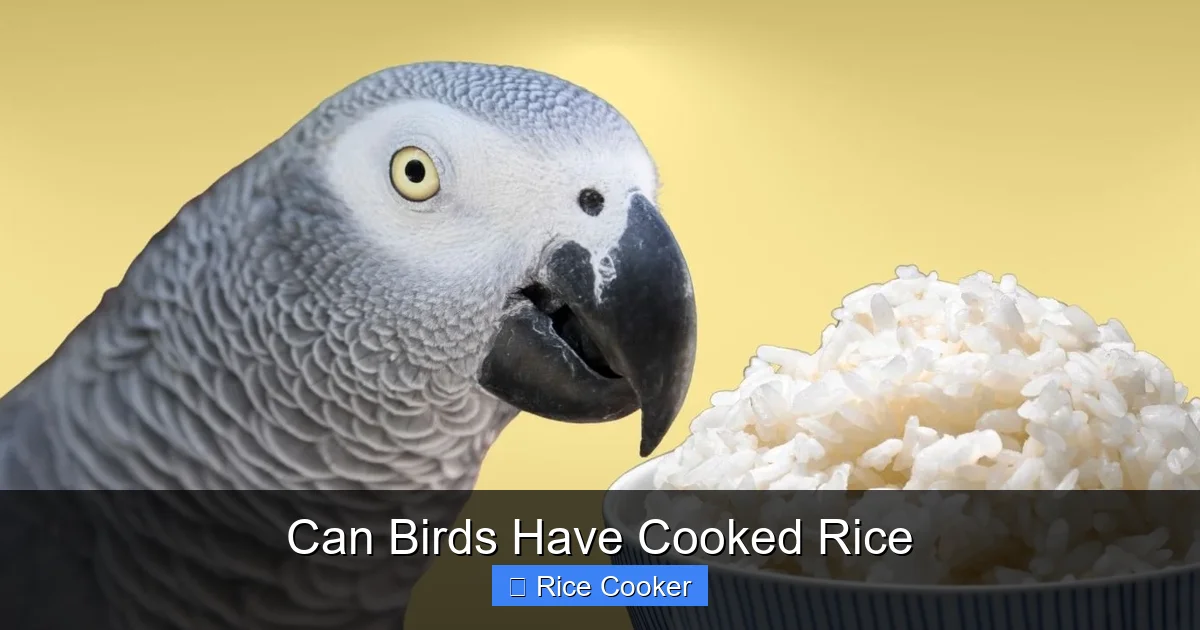
Yes, birds can eat cooked rice, and it’s actually a nutritious option when given the right way. Unlike raw grains, cooked rice is easier for birds to digest and provides energy through carbohydrates. However, never serve rice with salt, oil, spices, or butter—these additives are harmful to avian health. Always cook plain rice, let it cool completely, and offer small portions as an occasional treat. Think of it like a tiny energy boost for your backyard visitors.
Have you ever looked out your kitchen window and spotted a curious bird eyeing your leftover dinner plate? You might’ve found yourself wondering: “Can birds have cooked rice?” It’s a simple question, but one that opens up a world of nutrition, safety, and responsible pet care. Whether you’re feeding wild birds at a backyard feeder or caring for a domesticated parrot or chicken, understanding what’s safe to share matters.
Cooked rice is something many people have on hand—it’s filling, affordable, and pairs well with almost anything. But when it comes to our feathered friends, not all human foods are created equal. So, can birds eat cooked rice? The short answer is yes—but with important caveats. In this article, we’ll explore everything you need to know about feeding rice to birds, from nutritional benefits to potential risks, and how to do it responsibly.
Whether you’re a seasoned bird enthusiast or just starting your journey into avian care, this guide will help you make informed choices. We’ll cover which types of rice are best, how to prepare it safely, and why moderation is key. Plus, we’ll dive into related topics like rice cookers (yes, that’s the category!) and how they might play a role in your bird-feeding routine. Let’s get started!
Key Takeaways
- Cooked rice is safe for most birds, including finches, sparrows, doves, and even larger species like pigeons and turkeys when domesticated.
- Always serve plain, unseasoned rice. Avoid adding salt, garlic, onions, or any spices—they can cause serious health issues.
- Let rice cool completely before offering it to birds. Hot food can burn delicate beaks and crop tissue.
- Use rice as an occasional supplement, not a primary food source. Birds need a balanced diet rich in seeds, fruits, insects, and greens.
- Watch portion sizes to avoid overfeeding, which may lead to malnutrition or digestive upset.
- Rice helps with hydration because it absorbs water and can aid digestion in certain bird species.
- Store leftovers properly if you’re feeding multiple birds—use clean containers and refrigerate unused portions to prevent spoilage.
Quick Answers to Common Questions
Can baby birds eat cooked rice?
Yes, but only after they’ve started eating solid foods, usually around 2–3 weeks old. Offer very small, soft pieces mixed with mashed insects or formula for optimal nutrition.
Is brown rice better than white rice for birds?
Brown rice has more fiber and nutrients, but white rice is easier to digest. For most birds, either is fine—just avoid additives and serve plain.
How long can cooked rice sit out for birds?
No more than 1 hour at room temperature. Bacteria multiply quickly, and spoiled rice can make birds sick.
Can I mix rice with birdseed?
Absolutely! Mix cooled rice with sunflower seeds or millet for a nutritious blend. Just ensure no seasonings or oils are present.
Do birds need water with rice?
Yes—always provide fresh water nearby. Rice absorbs moisture, which can help with hydration, but clean water is still essential.
📑 Table of Contents
- The Nutritional Value of Cooked Rice for Birds
- Types of Rice and Their Suitability for Birds
- Safety Concerns: What Not to Feed Birds with Rice
- How to Safely Serve Cooked Rice to Birds
- Special Considerations for Different Bird Types
- Common Myths About Feeding Birds Rice
- Final Thoughts: Is Cooked Rice Worth It?
The Nutritional Value of Cooked Rice for Birds
Birds are unique creatures with specific dietary needs based on their species, age, and environment. While some thrive on seed-based diets, others require more protein-rich meals, especially during breeding or molting seasons. So, where does cooked rice fit into a bird’s nutrition?
Plain, cooked rice is primarily composed of carbohydrates. For birds, carbs provide essential energy—especially for those with high metabolisms, such as hummingbirds or songbirds that flit around all day. Carbohydrates are broken down into glucose, which fuels everything from flight to brain function.
But rice isn’t just empty calories. It also contains small amounts of fiber, which aids digestion. Brown rice offers slightly more nutrients than white rice, including B vitamins and magnesium. That said, birds don’t need large quantities of these micronutrients from rice alone. Instead, rice works best as part of a varied diet.
For example, a finch nibbling on millet or a dove pecking at cracked corn might occasionally enjoy a bite of plain rice. Even larger birds like chickens or turkeys can benefit from rice as a supplemental feed, particularly after illness or stress when they need quick energy.
How Rice Compares to Other Bird Foods
To understand rice’s place in a bird’s diet, let’s compare it to other common food sources:
– Seeds: High in fat and calories but low in protein. Birds love them, but too much can lead to obesity.
– Insects and worms: Excellent protein sources, crucial for growing chicks and breeding adults.
– Fruits and vegetables: Provide vitamins, antioxidants, and hydration.
– Grains like oats, barley, and quinoa: Similar to rice in composition but often richer in fiber and minerals.
Rice stands out because it’s easy to digest and widely available. Unlike raw grains, which can be hard for some birds to crack open, cooked rice softens quickly and poses little choking risk. This makes it a practical choice for emergency feeding or for older birds with weaker beaks.
However, relying solely on rice is not recommended. Just as humans need a mix of proteins, fats, and vitamins, birds do too. Think of rice as a side dish—not the main course.
Types of Rice and Their Suitability for Birds
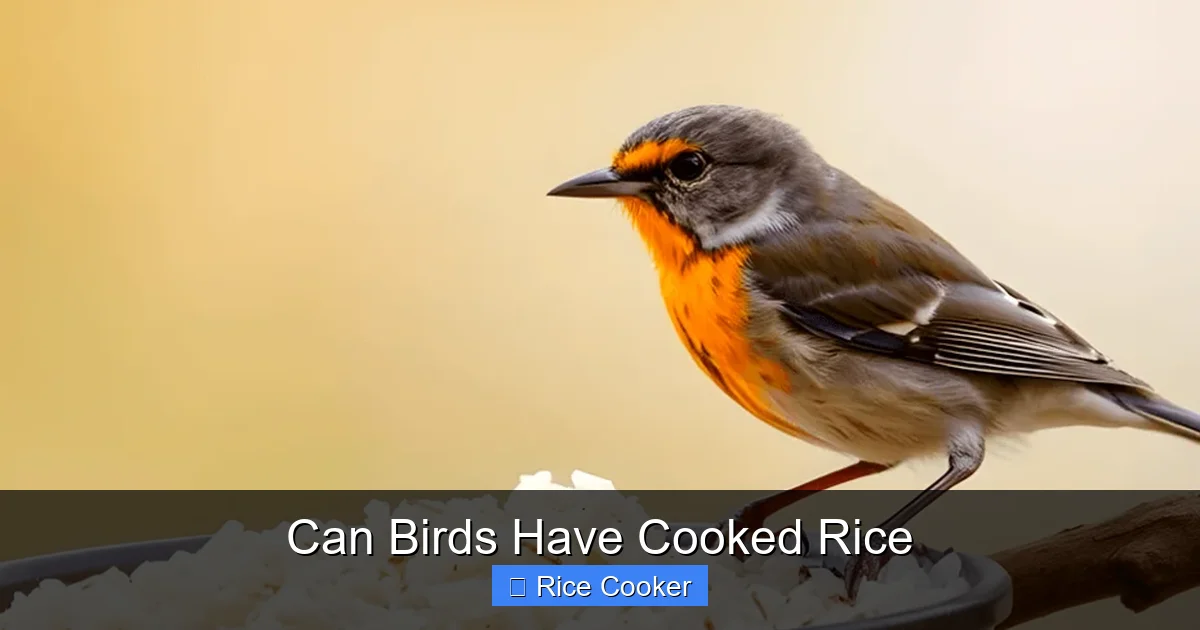
Visual guide about Can Birds Have Cooked Rice
Image source: birdsspotter.com
Not all rice is created equal when it comes to feeding birds. The type you choose can affect both safety and nutritional value.
White Rice vs. Brown Rice
White rice is the most commonly used type in households. It’s refined, meaning the outer bran and germ are removed. While this gives it a longer shelf life and softer texture, it also strips away fiber, vitamin E, and some B vitamins.
From a bird’s perspective, white rice is perfectly safe and easy to digest. It cooks quickly and doesn’t clump, making it ideal for mixing into moistened seed blends or offering as a standalone treat.
On the other hand, brown rice retains its natural husk and nutrients. It’s chewier and takes longer to cook, but it packs more fiber and phytonutrients. For birds recovering from illness or those needing extra energy, brown rice can be a slightly better option.
That said, many bird experts recommend starting with white rice unless you’re specifically aiming to boost fiber intake. Too much fiber can cause digestive slowdown in some species, especially smaller birds like finches.
Instant Rice and Pre-Cooked Varieties
Avoid instant or pre-cooked rice products designed for humans—these often contain sodium, preservatives, or flavorings that are toxic to birds. Stick to plain, freshly cooked rice from your kitchen.
If you’re using a rice cooker (the category we’re focusing on!), make sure it’s set to “plain” mode with no added ingredients. Many modern rice cookers even have settings for brown rice or quick-cook varieties, which can be useful depending on your bird’s needs.
Safety Concerns: What Not to Feed Birds with Rice
Visual guide about Can Birds Have Cooked Rice
Image source: petsfoodsafety.com
While plain cooked rice is generally safe, there are several pitfalls to watch out for.
Never Add Salt or Seasonings
This is the #1 rule. Salt is extremely dangerous for birds. Even a tiny amount can lead to dehydration, kidney damage, or death. Never cook rice with salt, oil, butter, garlic, or onion powder. These ingredients are toxic and can cause rapid poisoning.
Similarly, avoid flavored rice mixes, instant ramen, or anything labeled “seasoned.” Read every ingredient label carefully.
Avoid Raw or Undercooked Rice
Raw rice contains enzymes that can interfere with nutrient absorption—especially thiamine (vitamin B1), which birds need for neurological function. Feeding raw rice increases the risk of thiamine deficiency, leading to lethargy, loss of appetite, and even paralysis.
Always ensure rice is fully cooked. Test it by tasting a small piece—it should be tender and mash easily between your fingers. If it’s still hard or crunchy, give it more cooking time.
Beware of Mold and Spoilage
Leftover rice can harbor bacteria like *Bacillus cereus*, which causes food poisoning in humans. Birds are more sensitive to such contaminants due to their smaller size and higher metabolism.
After serving rice to birds, discard any uneaten portion within an hour. Store cooked rice in airtight containers in the refrigerator for no more than 2–3 days. Never reuse rice that’s been sitting out overnight.
How to Safely Serve Cooked Rice to Birds
Now that we’ve covered the basics, let’s talk about preparation and presentation.
Step-by-Step Preparation Guide
- Boil or steam plain rice—no salt, no butter, no spices.
- Let it cool completely—at least 30 minutes—before offering it to birds. Hot rice can scald their mouths.
- Serve in a shallow dish or mixed into seed blends—use a clean tray or bowl designed for bird feeders.
- Limited portions—start with a teaspoon-sized amount per bird per day. Observe how they react.
Best Feeding Practices
- Clean equipment daily to prevent mold and bacterial growth.
- Offer rice during colder months when birds need extra calories to stay warm.
- Combine with fresh foods like chopped apples, berries, or leafy greens for a balanced meal.
- Monitor bird behavior—if a bird refuses rice or shows signs of distress, discontinue use.
Using a Rice Cooker Effectively
If you own a rice cooker (and let’s face it, who doesn’t?), it’s a fantastic tool for preparing bird-safe meals. Modern models come with timers, keep-warm functions, and even steam baskets perfect for veggies.
Here’s a pro tip: Use your rice cooker to make small batches of plain rice specifically for your birds. Set it to cook white rice on the standard setting, then transfer the cooled grains to a separate bowl. You can even mix in finely chopped kale or pumpkin puree for added nutrients.
Just remember—clean the inner pot and lid thoroughly after each use to avoid residue buildup.
Special Considerations for Different Bird Types
Not all birds eat the same way. Some species have special dietary requirements.
Wild Birds (Sparrows, Finches, Doves)
Most backyard birds enjoy plain rice as an occasional snack. Offer it at bird feeders or scattered on the ground near safe zones. Avoid large quantities—these birds typically prefer seeds, nuts, and insects.
Pets (Parrots, Canaries, Lovebirds)
Domesticated birds often benefit from variety in their diet. Cooked rice can be part of a parrot’s weekly menu, especially when combined with legumes like lentils or chickpeas. Always chop it finely so smaller birds don’t choke.
Farm Birds (Chickens, Turkeys)
Commercial poultry feeds include grains like rice as fillers or energy sources. Homeowners raising chickens can safely feed cooked rice to their flocks. Mix it with grit and greens for optimal digestion.
Waterfowl (Ducks, Geese)
These birds naturally graze on grains in wetlands. Plain rice is a favorite among ducks, though it should still be served sparingly to prevent gout or fatty liver disease.
Common Myths About Feeding Birds Rice
There are plenty of misconceptions floating around. Let’s clear them up.
Myth 1: “Birds Should Only Eat Seeds”
While seeds are a staple for many birds, they’re not the only thing they should eat. A varied diet reduces the risk of deficiencies and keeps birds healthy year-round. Rice adds welcome diversity.
Myth 2: “All Cooked Grains Are Safe”
False. Bread, pasta, and processed grains often contain salt, fat, or additives that harm birds. Stick to plain, minimally processed options.
Myth 3: “More Rice Equals Better Health”
Overfeeding any single food—even safe ones—can lead to imbalanced nutrition. Moderation is always key.
Myth 4: “Raw Rice Is Fine if Mixed with Seeds”
Even small amounts of raw rice pose risks. Always cook it first.
Final Thoughts: Is Cooked Rice Worth It?
So, can birds have cooked rice? Absolutely—when done correctly. It’s a convenient, affordable, and relatively safe addition to a bird’s diet. Just remember: plain is best, portion control is essential, and balance is everything.
Whether you’re using a rice cooker to whip up a batch for wild birds or supplementing your parrot’s meals, informed choices make all the difference. With proper preparation and attention to detail, rice can be a delightful treat that supports your feathered friends without compromising their health.
Next time you’re at the stove, consider saving a small portion for your local birds. After all, sharing a little kindness—one grain at a time—makes the world a brighter place.
Frequently Asked Questions
Can birds eat uncooked rice?
No, uncooked rice is not safe for birds. It can expand in their crops or stomachs, causing blockages or digestive issues. Always cook rice before feeding.
Is salt bad for birds?
Yes, salt is extremely toxic to birds. It leads to dehydration, kidney failure, and even death. Never add salt to rice or any other bird food.
How often should I feed birds rice?
As an occasional treat, 1–2 times per week is sufficient. Overfeeding rice can displace more nutritious foods from their diet.
Can rice help dehydrated birds?
Yes, because rice absorbs water and softens. Offering hydrated rice (like congee) can help rehydrate birds, but always consult a vet if dehydration is severe.
Are there any birds that shouldn’t eat rice?
Most birds can tolerate plain rice, but very young chicks or birds with specific medical conditions should avoid grains. Consult a wildlife rehabilitator or avian vet for guidance.
What’s the best way to store cooked rice for bird feeding?
Refrigerate in an airtight container for up to 3 days. Reheat gently before serving if needed, and never use microwave-heated rice directly from the plate.