
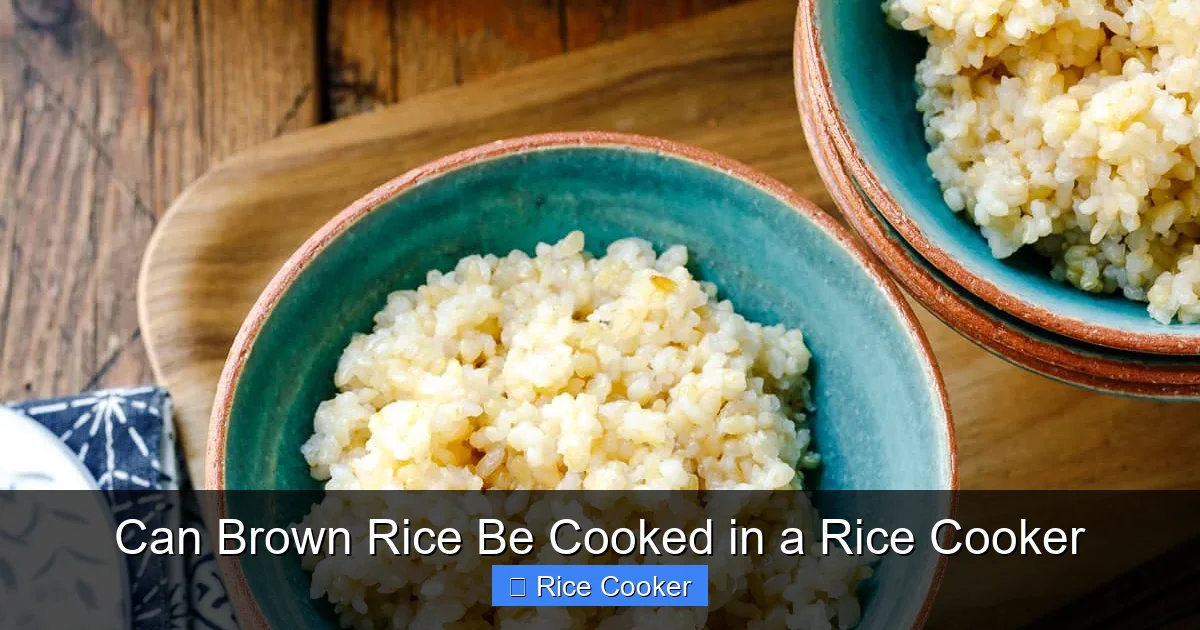
Absolutely! You can cook brown rice in a rice cooker—and it’s easier than you think. While the process takes longer than white rice, with the right water ratio and preparation, your rice cooker can produce tender, flavorful brown rice that’s packed with fiber and nutrients. In this guide, we’ll walk you through everything from rinsing to resting, plus pro tips for foolproof results every single time.
Key Takeaways
- Brown rice is fully compatible with rice cookers: Most modern rice cookers handle brown rice without issue, though cooking times are longer due to the bran layer.
- Water ratio matters: Use about 1½ cups of water per 1 cup of uncooked brown rice—more than you’d use for white rice.
- Rinsing removes excess starch: Rinse brown rice before cooking to prevent clumping and improve texture.
- Soaking shortens cooking time: A quick 30-minute soak makes brown rice fluffier and reduces overall cook time.
- Patience pays off: Brown rice typically needs 45–60 minutes to cook fully; avoid opening the lid during cooking.
- Resting is essential: Let cooked brown rice sit covered for 10 minutes after cooking to absorb remaining moisture evenly.
- Cleaning up is simple: Most rice cooker bowls are non-stick and dishwasher-safe—just rinse immediately after use.
Quick Answers to Common Questions
What is can brown rice be cooked in a rice cooker?
can brown rice be cooked in a rice cooker refers to essential knowledge and techniques.
📑 Table of Contents
- Can Brown Rice Be Cooked in a Rice Cooker?
- Understanding Brown Rice: Why It’s Different
- Step-by-Step Guide: How to Cook Brown Rice in a Rice Cooker
- Common Mistakes and How to Fix Them
- Tips for Elevating Your Brown Rice Game
- Do All Rice Cookers Handle Brown Rice Well?
- Frequently Asked Questions (Quick Q&A)
Can Brown Rice Be Cooked in a Rice Cooker?
If you’re someone who loves whole grains but finds yourself stuck in a white rice rut, you’re not alone. Brown rice has become a staple for health-conscious eaters—packed with fiber, vitamins, and minerals—but its stubborn texture can be a turnoff if not prepared correctly. The good news? Yes, you absolutely can cook brown rice in a rice cooker, and doing so might just transform how you think about your favorite grain.
Unlike stovetop methods that require constant monitoring and stirring, a rice cooker does all the hard work for you. It heats water, cooks the rice, and even keeps it warm—all with minimal effort. But because brown rice has a tough outer bran layer compared to refined white rice, it demands slightly different care. This guide will show you exactly how to get perfect, fluffy brown rice using your rice cooker every time.
Whether you’re new to brown rice or just looking to upgrade your cooking routine, this comprehensive guide covers everything from prep to cleanup. By the end, you’ll know the ideal water ratios, whether soaking helps (it does!), and how to troubleshoot common issues like mushy or undercooked batches. Plus, we’ve included expert tips for making brown rice even more delicious—think flavor infusions, side pairings, and storage hacks.
Let’s dive in!
Understanding Brown Rice: Why It’s Different
Before jumping into cooking instructions, it’s important to understand why brown rice behaves differently from white rice—and how that affects your rice cooker experience.
Brown rice retains its bran and germ layers, which give it a nuttier flavor and chewier texture. These layers also make it harder to break down during cooking, meaning it needs more time, moisture, and sometimes a little extra TLC. White rice, by contrast, has these layers removed during processing, resulting in faster absorption and softer grains.
Because of this structural difference, brown rice absorbs water more slowly and requires longer heat exposure to become fully tender. That’s why traditional stovetop recipes often recommend simmering brown rice for 45–50 minutes. Your rice cooker mimics this process—but with precision temperature control and automated timing, you don’t have to babysit it.
Most standard rice cookers come with multiple settings, including one specifically labeled “brown rice” or “whole grain.” If yours doesn’t, no worries—you can still achieve great results using the “white rice” setting with adjusted water levels.
The Science Behind Cooking Brown Rice
When you cook any type of rice, what’s really happening is hydration. The starches inside the rice kernel absorb water, swell, and gelatinize when heated. For white rice, this happens relatively quickly because the outer layers are thin and permeable.
Brown rice resists this process due to its protective bran layer. Think of it like trying to boil a hard-boiled egg with the shell on—it takes longer for the heat and moisture to penetrate fully. So while your rice cooker will do most of the work, giving brown rice the right environment ensures even cooking throughout.
That’s where water ratios, soaking, and resting come into play. Each step helps soften the bran, distribute heat evenly, and lock in moisture so every grain comes out soft, separate, and delicious.
Step-by-Step Guide: How to Cook Brown Rice in a Rice Cooker
Ready to make some perfect brown rice? Follow this simple, foolproof method for consistent results every time.
1. Measure Your Ingredients
Start by measuring your brown rice and water precisely. A general rule of thumb is:
– 1 cup uncooked brown rice
– 1½ cups water
This ratio works well for most rice cookers, but slight adjustments may be needed depending on altitude, rice brand, or cooker model. If you’re new to brown rice, stick close to this measurement first.
Pro tip: Use a dry measuring cup for rice (not liquid) to ensure accuracy.
2. Rinse the Rice Thoroughly
Rinsing removes excess surface starch, which prevents clumping and can lead to gummy results. Here’s how:
1. Place rice in a fine-mesh strainer.
2. Rinse under cold running water for 30–60 seconds.
3. Gently swirl the rice with your fingers—don’t scrub!
4. Drain well until water runs clear.
Skipping this step is one of the most common reasons people end up with sticky, mushy rice.
3. Optional: Soak for Better Texture
Soaking isn’t mandatory, but it significantly improves texture and shortens cooking time. Here’s why:
– Softens the bran layer
– Helps grains expand uniformly
– Reduces total cook time by 5–10 minutes
To soak:
1. After rinsing, place rice in a bowl.
2. Cover with room-temperature water (about 2 inches deep).
3. Let sit for 30 minutes to 1 hour.
4. Drain before adding to the rice cooker.
Note: Do not soak overnight unless refrigerating—this can encourage bacterial growth. Short-term soaking is safe and effective.
4. Add Rice and Water to the Cooker
Transfer rinsed (and optionally soaked) rice to the inner pot of your rice cooker. Then add water. Make sure the water level reaches the “brown rice” line if your cooker has markings—or simply follow the 1:1.5 ratio above.
Avoid overfilling—most pots hold 6–10 cups max. If you’re scaling up, check your manual for capacity limits.
5. Select the Right Setting
Many modern rice cookers have dedicated settings:
– **White Rice**: Not ideal—too fast, may leave grains hard
– **Brown Rice/Whole Grain**: Best choice—longer cycle, gentler heating
– **Quick Cook/Speed Mode**: Only if your cooker supports it and you’re okay with slightly firmer texture
If your rice cooker only has “white rice” mode, that’s okay! Just expect a slightly longer cook time. Some users report success by pressing the button twice or holding it down for 5 seconds to extend the cycle.
6. Start Cooking and Resist Temptation
Press start! Once the rice cooker switches to “warm,” resist the urge to open the lid. Steam builds pressure inside, and premature opening can disrupt the final stages of cooking.
Total cook time usually ranges from 45–60 minutes. You’ll hear a beep or see the light change to “keep warm.”
7. Rest Before Fluffing
This is a crucial step many skip—but don’t! After cooking, let the rice sit covered for 10 minutes. This allows residual steam to finish hydrating the grains and ensures even moisture distribution.
Then gently fluff with a fork. Avoid using a spoon or spatula aggressively—you want to preserve individual grains.
Common Mistakes and How to Fix Them
Even experienced cooks run into hiccups when making brown rice. Here are the most frequent pitfalls—and how to avoid (or fix) them.
Mushy or Sticky Rice
**Cause:** Too much water, insufficient rinsing, or rushing the process.
**Fix:** Reduce water to 1¼ cups per 1 cup rice. Always rinse thoroughly. Don’t stir during cooking—let the machine do its job.
Hard or Undercooked Grains
**Cause:** Not enough water, old rice, or interrupted cooking cycle.
**Fix:** Double-check your water ratio. Store rice in an airtight container away from light and heat to maintain freshness. If the cooker shut off early, add 2–3 tablespoons of hot water, cover, and steam for 10 more minutes.
Gummy Texture
**Cause:** Overcooking or using low-quality rice.
**Fix:** Try a shorter soak (15 minutes instead of 30). Also, consider switching brands—some imported brown rice varieties are naturally stickier.
Rice Burner Bottom Layer
**Cause:** Uneven heating or dirty heating plate.
**Fix:** Clean the inner pot and base regularly. Use medium-to-low heat settings if available. Stirring once halfway through (if your model allows) can help, but most rice cookers discourage this.
Tips for Elevating Your Brown Rice Game
Once you’ve mastered the basics, why stop there? Here’s how to take your brown rice from good to great.
Add Flavor During Cooking
Instead of plain water, try these flavor boosters:
– Vegetable broth (adds savory depth)
– Coconut milk (creamy, tropical taste)
– Bay leaf or garlic cloves (for aromatic notes)
– A pinch of salt or soy sauce
Just remember: if using broth or stock, reduce regular water by ¼ cup to compensate.
Make It Creamy Without Dairy
For a richer texture, replace ¼ of the water with unsweetened almond milk or oat milk. This adds subtle creaminess without heavy cream.
Pair It Smartly
Brown rice shines alongside:
– Grilled chicken or tofu
– Roasted vegetables (like sweet potatoes or broccoli)
– Mediterranean sides (olive oil, lemon, herbs)
– Curries or stir-fries
Its nutty flavor complements bold seasonings beautifully.
Store Leftovers Properly
Cooked brown rice lasts 4–5 days in the fridge. Store in an airtight container and reheat with a splash of water to revive dryness. Microwave in 20-second bursts, stirring between.
Freezing is also possible—portion into freezer bags, lay flat, and thaw in the fridge overnight.
Do All Rice Cookers Handle Brown Rice Well?
Not necessarily. While most basic rice cookers can manage brown rice, performance varies by model. Here’s what to look for:
– **Multiple settings**: Models with “brown rice” or “whole grain” modes tend to perform better due to extended cook cycles.
– **Temperature control**: Advanced units maintain precise temps, preventing scorching.
– **Non-stick coating**: Makes cleanup easier and reduces sticking risks.
If you only have a simple white-rice-only cooker, it’s still usable—just expect a bit more trial and error.
User reviews often highlight that older or budget models struggle with consistency. Upgrading to a higher-end brand (like Zojirushi, Instant Pot, or Panasonic) can make a noticeable difference in texture and reliability.
What About Instant Rice Cookers?
Yes—many popular multi-cookers (e.g., Instant Pot, Ninja Foodi) include brown rice settings and deliver excellent results. They combine pressure cooking with steaming, which can speed up the process even further. Just follow manufacturer guidelines closely.
Frequently Asked Questions (Quick Q&A)
Can I cook brown rice in any rice cooker?
Most standard rice cookers can handle brown rice, though performance depends on the model. Look for ones with extended cook cycles or dedicated “brown rice” settings for best results.
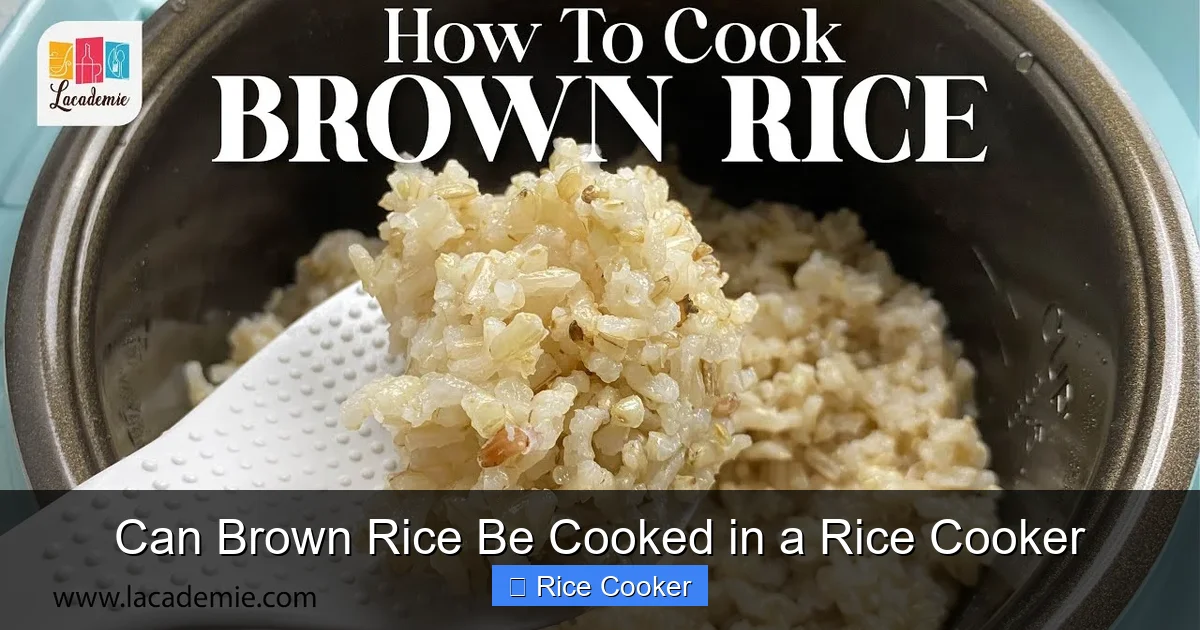
Visual guide about Can Brown Rice Be Cooked in a Rice Cooker
Image source: i.ytimg.com
Visual guide about Can Brown Rice Be Cooked in a Rice Cooker
Image source: ricearray.org
How much water do I need for brown rice?
Use 1½ cups of water for every 1 cup of uncooked brown rice. Adjust slightly based on your cooker and desired texture.
Do I need to soak brown rice?
Soaking isn’t required but helps soften the bran and reduces cooking time. A 30-minute soak at room temperature is ideal.
Why is my brown rice still crunchy after cooking?
This usually means not enough water or an interrupted cook cycle. Try adding a bit more water next time or let it rest longer after cooking.
Can I cook other whole grains in my rice cooker?
Yes! Quinoa, barley, millet, and farro all work well with similar techniques. Adjust water ratios as needed—usually 2:1 water to grain.
Frequently Asked Questions
Is it worth buying a special rice cooker for brown rice?
Not always—but if you eat brown rice frequently, a model with a dedicated “brown rice” setting saves time and improves consistency. Otherwise, a basic cooker works fine with proper technique.
Can I cook frozen brown rice in a rice cooker?
It’s not recommended. Frozen rice expands and can block drainage or cause uneven cooking. Always use dry, uncooked rice.
How long does cooked brown rice last in the fridge?
Cooked brown rice stays fresh for 4–5 days when stored properly in an airtight container in the refrigerator.
Can I add salt or spices while cooking brown rice?
Absolutely! Add salt with the water, or toss in aromatics like garlic, onion, or herbs during cooking for extra flavor.
Why does my brown rice turn out gummy?
Gumminess usually comes from too much water, insufficient rinsing, or overcooking. Cut back on water slightly and always rinse thoroughly.
Can I make sushi with brown rice in a rice cooker?
Technically yes, but brown rice lacks the stickiness needed for traditional sushi. Stick to white rice for authentic results.