
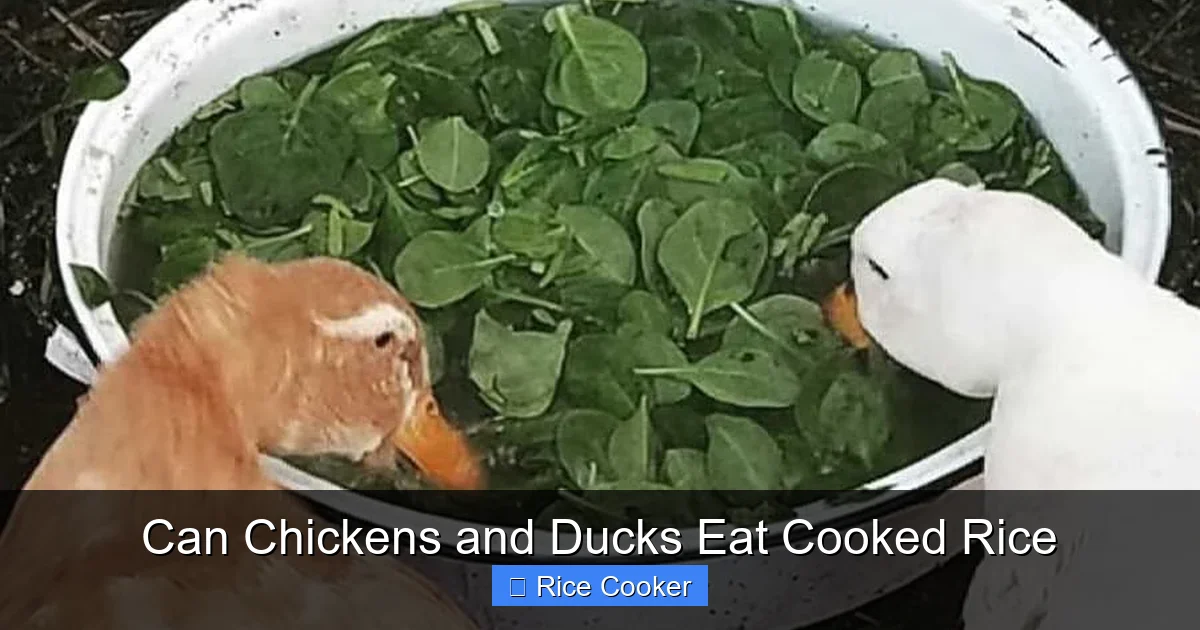
Yes, chickens and ducks can safely eat cooked rice, but only in moderation and without salt or seasoning. Cooked rice is a nutritious, easily digestible food that offers carbohydrates, B vitamins, and fiber—great for growing birds and boosting energy. However, raw rice should be avoided due to potential digestive issues. Always serve plain, cooled rice and combine it with a balanced diet for optimal flock health.
Chickens and ducks are curious creatures, always pecking at anything that moves or smells interesting. One common question many backyard flock owners ask is: Can chickens and ducks eat cooked rice? The short answer is yes—but with important caveats. Whether you’re feeding leftover dinner scraps or planning a treat for your feathered friends, understanding what rice does (and doesn’t) do for poultry is essential.
Rice is a staple in many human diets, so it makes sense that people often wonder if it’s safe—and beneficial—for chickens and ducks. In this article, we’ll explore everything you need to know about feeding cooked rice to your birds, from its nutritional value to proper serving sizes, potential risks, and creative ways to include it in their meals. By the end, you’ll feel confident adding this humble grain to your flock’s menu—without any guesswork.
Key Takeaways
- Understanding can chickens and ducks eat cooked rice: Provides essential knowledge
📑 Table of Contents
- Is Cooked Rice Safe for Chickens and Ducks?
- Benefits of Feeding Cooked Rice to Chickens and Ducks
- How to Safely Feed Cooked Rice to Your Flock
- Common Mistakes to Avoid
- Cooking Tips for Poultry-Safe Rice
- Alternatives to Rice for Variety
- Real-Life Examples and Owner Experiences
- When to Avoid Rice Completely
- Conclusion: Rice Can Be a Great Addition—With Caution
Is Cooked Rice Safe for Chickens and Ducks?
Before diving into the benefits, let’s address the most important question: Can chickens and ducks eat cooked rice? The answer is a qualified yes. When prepared correctly, cooked rice is safe and even nutritious for both species. However, there are key differences between how chickens and ducks process food, so understanding those will help you tailor your approach.
Chickens have a unique digestive system that includes a gizzard—a muscular organ that grinds food with the help of small stones they ingest (grit). This allows them to break down tough plant matter efficiently. Ducks, on the other hand, are dabbling birds with a different feeding behavior. They often forage in water, picking up seeds, insects, and soft vegetation. Their digestive tract is shorter than a chicken’s, meaning food moves through faster.
Despite these differences, both birds can safely consume cooked rice. The cooking process softens the grain, making it easier to digest. Raw rice, however, poses a risk because it can absorb moisture in the stomach and expand, potentially causing bloating or intestinal blockage. So while both species enjoy cooked rice, it’s crucial to avoid giving them uncooked versions.
What Makes Cooked Rice Different from Raw Rice?
The difference between cooked and raw rice isn’t just texture—it’s biology. Raw rice contains starches that remain hard and gelatinous until heated. When swallowed by a bird, especially one with a smaller crop or gizzard, raw rice can swell significantly as it absorbs digestive fluids. This expansion can lead to discomfort, reduced appetite, or even life-threatening blockages.
Cooking breaks down the starches, turning them into easily digestible carbohydrates. It also softens the outer hull, reducing the risk of choking or impaction. Think of it like how oatmeal works for humans: raw oats are tough; cooked oats are gentle on the stomach.
For ducks, who often eat aquatic plants and seeds, cooked rice mimics the soft, wet food they naturally forage. Chickens, meanwhile, enjoy the chewy texture and will readily peck at it once it’s cooled. That said, always serve rice plain—no butter, salt, garlic, or sauces. These additives can upset a bird’s sensitive system.
Benefits of Feeding Cooked Rice to Chickens and Ducks
Visual guide about Can Chickens and Ducks Eat Cooked Rice
Image source: raisechickensright.com
So why go out of your way to feed rice? Beyond being a convenient leftovers option, cooked rice offers several real benefits for your flock. Let’s break down the nutritional perks and practical advantages.
1. Energy-Rich Carbohydrates
Rice is primarily composed of carbohydrates, which are the body’s main source of fuel. For active birds—especially during molting, brooding, or cold weather—this energy boost is invaluable. A single cup of cooked white rice provides about 200 calories, mostly from carbs. While not all of that translates directly into usable energy for birds (they metabolize food differently), it still contributes to overall vitality.
Brown rice offers slightly more complex carbs and fiber, which can aid in sustained energy release. This makes it a better choice for long-term feeding than refined white rice.
2. Source of B Vitamins
Both chicken and duck diets require adequate B vitamins for enzyme function, nervous system health, and feather development. Cooked rice contains thiamine (B1), riboflavin (B2), and niacin (B3)—all essential nutrients. While not as rich as liver or leafy greens, rice adds a modest but meaningful contribution to daily vitamin intake.
Deficiencies in B vitamins can lead to lethargy, poor growth, and weakened immunity. Including rice in a varied diet helps prevent these issues.
3. Easily Digestible Protein
Although rice isn’t high in protein compared to legumes or insects, it does contain a small amount—around 2–3 grams per cup when cooked. For growing chicks or ducklings, this extra protein can support muscle and tissue development. Adult birds benefit too, especially if their regular feed is low-protein during certain life stages.
Combine rice with other protein sources like mealworms or cracked corn for a well-rounded meal.
4. Fiber Content Supports Gut Health
While not a high-fiber food, cooked rice—especially brown rice—provides some dietary fiber. This aids in healthy digestion and can help regulate bowel movements in birds prone to constipation. Fiber also feeds beneficial gut bacteria, promoting a balanced microbiome.
Just remember: too much fiber without enough moisture can cause issues, so always pair rice with fresh water.
5. Low Allergenicity and Gentle on the System
Unlike some grains or legumes that may trigger allergies or gas in sensitive birds, rice is generally well-tolerated. Its mild flavor and soft texture make it ideal for sick birds recovering from illness or chicks learning to eat solid food.
You might notice a mother hen offering rice to her hatchlings as they begin exploring outside the nest—this instinctual behavior shows nature’s wisdom!
How to Safely Feed Cooked Rice to Your Flock
Now that we’ve covered the “why,” let’s talk about the “how.” Proper preparation and serving habits ensure your chickens and ducks get the benefits without any risks.
Step 1: Use Plain, Unseasoned Rice
This is non-negotiable. Never feed your birds rice that’s been cooked with salt, pepper, garlic, onions, oil, or any commercial seasonings. These ingredients are toxic or harmful to poultry. Even a pinch of salt can raise blood pressure in birds, leading to heart problems over time.
Stick to plain white or brown rice cooked without butter or cream. Rinse off any leftover broth or sauce before offering it.
Step 2: Cool It Down First
Hot rice can burn a bird’s mouth or crop. Always let rice cool completely before placing it in the coop or pond. You can speed this up by spreading it on a tray or mixing it with cold water briefly.
Test the temperature by touching it—if it feels warm to your skin, wait longer.
Step 3: Serve in Moderation
Rice should never replace commercial feed or become a major part of their diet. Think of it as a treat or occasional supplement. A handful per bird every few days is plenty.
Overfeeding rice can displace more nutritious foods like greens, seeds, or protein-rich snacks, leading to malnutrition.
Step 4: Mix With Other Foods
Birds love variety! Try mixing cooked rice with chopped vegetables (like carrots or spinach), crushed eggshells for calcium, or a sprinkle of mealworms for protein. This creates a mini salad that’s both fun and nutritious.
For ducklings, mash rice with water to form a porridge-like consistency—ideal for early feeding.
Step 5: Clean Up Spoiled Food Promptly
Like all organic matter, rice can spoil quickly in warm weather. Remove uneaten portions after a few hours to prevent mold growth or attraction of pests.
Moldy rice produces toxins that can sicken birds, so don’t take chances.
Common Mistakes to Avoid
Even well-meaning owners sometimes make errors when introducing new foods. Here are the most common pitfalls to watch out for:
– **Feeding raw rice:** As mentioned earlier, this is dangerous and should never happen.
– **Adding dairy products:** Butter, cheese, or sour cream are not suitable for poultry.
– **Using instant or flavored rice packets:** These often contain MSG, preservatives, or excessive sodium.
– **Offering rice as a complete diet:** Birds need a balance of proteins, fats, vitamins, and minerals—rice alone won’t cut it.
– **Ignoring portion control:** Too much rice leads to obesity and fatty liver disease in poultry.
If you’re ever unsure whether a food item is safe, consult your vet or a poultry nutritionist.
Cooking Tips for Poultry-Safe Rice
Want to make rice feeding even easier? Try these simple kitchen hacks:
– **Batch cook:** Prepare a large pot of plain rice on weekends and store it in airtight containers. Refrigerate for up to three days or freeze in portions.
– **Use a rice cooker:** An appliance labeled under “Rice Cookers” can simplify the process—just add water and rice, then press start.
– **Flavor-free cooking:** Boil rice in unsalted water, drain excess liquid, and cool before serving.
– **Reheat gently:** If frozen rice needs warming, do so slowly at low heat to preserve texture.
Avoid using coconut milk, soy sauce, or any “healthy” twists unless you’re certain they’re poultry-safe.
Alternatives to Rice for Variety
While rice is great, rotating in other grains and treats keeps your flock interested and nourished. Consider these options:
– **Oats:** Soft when cooked, rich in fiber and B vitamins.
– **Quinoa:** A complete protein source; rinse well before cooking to remove bitterness.
– **Barley or millet:** Good for older birds; easier to digest than rice.
– **Cooked pasta:** Plain spaghetti or penne (no sauce!) can be fun to peck apart.
– **Fruit pieces:** Apples, berries, or melon in moderation provide natural sugars and hydration.
Always introduce new foods gradually and observe your birds’ reactions.
Real-Life Examples and Owner Experiences
Many backyard farmers swear by rice as a lifesaver during winter months or when supplementing store-bought feed. Sarah, a Rhode Island Red breeder, shares: “I started feeding leftover brown rice to my hens last fall. Not only did they love it, but I noticed fewer cases of feather plucking during molt.”
Another keeper, Mark, uses rice as an emergency food when his automatic feeder broke. “It kept my ducks alive and happy for two days until I could fix things. Just plain boiled rice with fresh water.”
These stories highlight rice’s versatility and reliability—when used responsibly.
When to Avoid Rice Completely
There are rare situations where rice might not be appropriate:
– Birds recovering from surgery or severe illness may need specialized diets.
– Birds with known grain sensitivities (though uncommon).
– During extreme heat, offer cooler foods like cucumber slices instead of dry grains.
In these cases, consult a veterinarian before making changes.
Conclusion: Rice Can Be a Great Addition—With Caution
To wrap things up: yes, chickens and ducks can eat cooked rice, and when done right, it’s a safe, nutritious, and cost-effective addition to their diet. It’s packed with energy, supports digestion, and appeals to their natural foraging instincts. But remember—moderation, proper preparation, and plainness are key.
Avoid raw rice, never season it, and always monitor your birds’ health after introducing new foods. With a little care, rice can become a beloved treat or emergency backup for your flock.
Whether you’re using a trusty rice cooker or boiling a pot on the stove, you now know exactly how to serve this humble grain with confidence. Happy feeding!
Frequently Asked Questions
Can baby chicks eat cooked rice?
Yes, but only after they’ve started eating starter feed. Offer small, soft pieces of cooled rice mixed with water to form a paste. Monitor closely for any digestive issues, as their systems are very delicate.
Is brown rice better than white rice for chickens and ducks?
Brown rice offers more fiber and nutrients, making it slightly superior. However, white rice is easier to digest for younger or less active birds. Choose based on your flock’s age and needs.
How often should I feed rice to my chickens?
Once every few days in small quantities is sufficient. Rice should complement, not replace, their regular feed. Overuse can lead to nutritional imbalances.
Can ducks eat rice directly from water?
Yes, ducks often enjoy soaking rice in shallow water, mimicking their natural dabbling behavior. Ensure the rice is fully cooked and free of contaminants.
What happens if a chicken eats raw rice?
Raw rice can expand in a bird’s stomach, potentially causing bloating, discomfort, or intestinal blockage. Always cook rice thoroughly before feeding.
Can rice help with egg production?
Rice provides energy and B vitamins that support overall health, which indirectly supports strong egg-laying. However, it’s not a magic solution—ensure your hens also get adequate protein and calcium.