
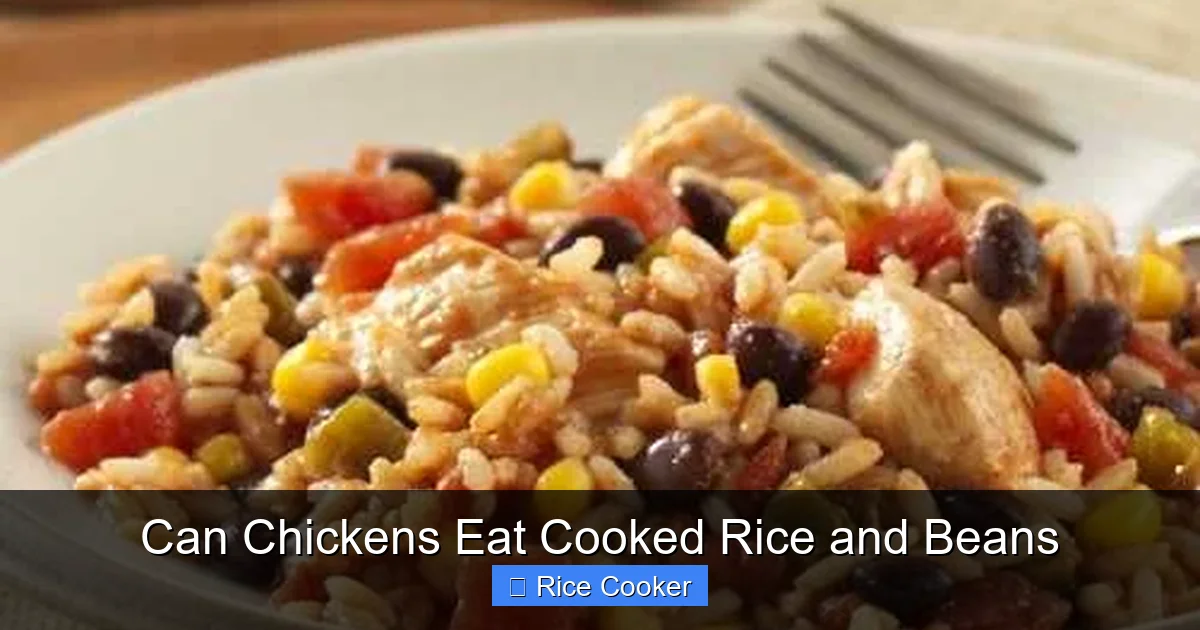
Chickens can eat cooked rice and beans, but only in moderation and as part of a balanced diet. While both are safe and nutritious, overfeeding or improper preparation can cause digestive issues. Always cook without seasoning, salt, or oil, and offer small portions alongside fresh greens and grains.
Can Chickens Eat Cooked Rice and Beans?
Have you ever wondered if it’s okay to share your leftover dinner with your backyard chickens? Maybe you just finished cooking a pot of rice or beans and thought, “Hey, my hens might enjoy this too!” It turns out, chickens can eat cooked rice and beans—but not every way, and definitely not all the time. Understanding what’s safe, how much they can have, and why it matters will help you keep your flock healthy and happy. Let’s dive into everything you need to know about feeding these common kitchen staples to your feathered friends.
Why Consider Feeding Cooked Grains to Chickens?
Many chicken owners love the idea of using kitchen scraps to reduce waste and save money on feed. Cooked rice and beans fit perfectly into this sustainable approach. Chickens are omnivores and naturally forage for a variety of plant matter, including seeds, grains, and legumes. When you cook rice or beans at home, you’re essentially offering them a familiar, human-edible food that can be both nutritious and satisfying. Plus, sharing meals with your chickens strengthens your bond and makes feeding time more fun!
But before you start tossing leftovers into the coop, it’s important to understand their nutritional needs and potential risks. Chickens thrive on a diverse diet that includes protein, fats, carbohydrates, vitamins, and minerals. While rice and beans can contribute to this balance, they shouldn’t replace commercial layer or broiler feeds. Think of them as occasional treats or supplements—not meal replacements. With that in mind, let’s explore the specifics of each food and how to serve it safely.
The Nutritional Value of Cooked Rice
Rice is one of the most widely consumed grains in the world, and for good reason—it’s filling, affordable, and easy to digest when cooked properly. For chickens, cooked white rice offers a rich source of carbohydrates, which are essential for energy. Carbohydrates fuel their active lifestyle, from scratching and pecking to flying short distances and laying eggs.
White rice is lower in fiber than brown rice, making it gentler on a chicken’s digestive system. This is especially helpful for younger birds or those recovering from illness. However, brown rice contains more nutrients, including magnesium, phosphorus, and antioxidants. If you choose to feed brown rice, make sure it’s fully cooked to soften the bran layer, which can be hard for chickens to digest otherwise.
When preparing rice for your chickens, always cook it plain—no butter, oil, salt, or spices. These additives can upset their sensitive stomachs and lead to long-term health problems. A simple boiled or steamed batch of rice is perfect. You can even mix it with other safe foods like chopped vegetables or mealworms to create a nutrient-packed snack.
How Beans Support Chicken Health
Beans are another pantry staple that chickens can enjoy—but only when cooked. Raw or undercooked beans contain a natural toxin called phytohaemagglutinin (lectins), which can cause severe gastrointestinal distress in both humans and poultry. Cooking destroys this toxin, making the beans safe to eat.
Once cooked, beans become an excellent source of plant-based protein and dietary fiber. Protein is crucial for feather growth, egg production, and overall muscle development in chickens. Fiber helps maintain healthy digestion by promoting gut motility and preventing issues like crop impaction or sour crop.
Common bean varieties safe for chickens include black beans, kidney beans, pinto beans, and lentils. Avoid canned beans unless you’re certain they’re low-sodium or no-salt-added, as excess sodium can dehydrate chickens. Always rinse canned beans thoroughly before feeding them to remove any preservatives or added sugars.
Remember: beans should be cooked until completely soft and mashable. Chickens have small beaks and lack strong teeth, so hard or chewy textures can be difficult to process. Steaming or boiling beans until tender is ideal. You can also blend cooked beans into a paste and mix them with rice for an extra-protein boost.
Potential Risks and How to Avoid Them
While cooked rice and beans are generally safe, there are a few risks to be aware of. One major concern is overfeeding. Both foods are high in carbohydrates and protein, which, in large amounts, can lead to weight gain or fatty liver disease in chickens. Obesity reduces lifespan and lowers egg quality, so moderation is key.
Another issue is improper preparation. Never feed raw rice or beans, as uncooked grains can swell in a chicken’s crop and cause blockages. Similarly, avoid feeding rice or beans that have been seasoned, fried, or baked with unhealthy fats. These can introduce harmful substances like garlic, onion, or trans fats into your flock’s diet.
Hydration is also critical. Chickens need constant access to fresh water, especially when eating dry foods like rice or beans. Without enough moisture, they risk crop impaction—a painful condition where undigested food hardens in the esophagus. To prevent this, always provide clean water after feeding, and consider soaking beans briefly before serving to increase their moisture content.
Finally, introduce new foods gradually. Just because chickens can eat something doesn’t mean they should try it immediately. Start with a tiny amount and watch for signs of discomfort, such as lethargy, diarrhea, or reduced appetite. Every bird is different, so what works for one flock might not work for another.
Best Practices for Feeding Cooked Rice and Beans
Now that you know the basics, here’s how to feed cooked rice and beans safely and effectively:
1. **Cook Plain and Simple**
Prepare rice and beans without any added salt, sugar, oils, or seasonings. Stick to basic boiling or steaming methods.
2. **Serve Small Portions**
Offer no more than 5–10% of your chickens’ daily diet as treats. That means if they eat 1 cup of feed per day, limit rice or beans to about 1 tablespoon.
3. **Mix with Other Foods**
Combine rice and beans with chopped greens (like spinach or kale), cracked corn, or scrambled eggs for a balanced snack.
4. **Avoid Leftovers from the Table**
Restaurant or takeout meals often contain spices, sauces, or fats that are toxic to chickens. Only feed homemade, plain-cooked versions.
5. **Store Properly**
Leftover cooked rice and beans should be refrigerated within two hours of cooking to prevent bacterial growth like *Bacillus cereus*. Use within 3–4 days.
6. **Monitor Your Flock**
Keep an eye on your chickens after introducing new foods. Look for changes in behavior, droppings, or egg production.
7. **Rotate Treats Regularly**
Don’t rely on rice and beans every day. Rotate with other safe options like oats, barley, pumpkin seeds, or apple slices to ensure variety.
Creative Ways to Serve Rice and Beans to Chickens
You don’t have to serve rice and beans in their plain form. Chickens enjoy novelty and stimulation, so mixing things up keeps them engaged. Try these ideas:
– **Protein-Packed Pasta Mix**: Blend cooked rice with mashed beans and sprinkle in some dried mealworms for a high-energy treat.
– **Grain Mash**: Soak rice and beans overnight, then mix with warm water to create a soft mash—perfect for chicks or molting hens.
– **Scattered Snack Time**: Spread a small pile of cooked grains across the ground to encourage natural foraging behavior.
– **Layer Boosters**: Add finely chopped beans to your regular layer feed once a week to support stronger eggshell formation.
Just remember: while these creative recipes are fun, always prioritize safety and nutrition over presentation.
What About Raw vs. Cooked Grains?
This is a common point of confusion. Raw rice and beans are dangerous for chickens because they expand when wet. In a chicken’s crop (the pouch at the front of the esophagus), raw rice can absorb moisture and swell to several times its size, potentially blocking airflow or causing internal injury.
Cooked grains, on the other hand, retain their structure but remain soft and easy to digest. The cooking process also breaks down complex starches, making them easier for chickens to absorb nutrients. So always cook before feeding—never serve raw.
Can Chicks Eat Rice and Beans?
Yes, but with caution. Chicks have delicate digestive systems and require highly digestible foods. Cooked rice is fine in very small amounts, especially if blended into a mush. Beans should be avoided until they’re older (around 8–10 weeks) due to their higher protein and fiber content, which can be tough for young birds to process.
For the first few weeks, stick to starter feed, boiled egg yolk, or finely chopped greens. Once they’ve transitioned to grower feed, you can slowly introduce small portions of cooked rice and beans as part of a varied diet.
How Often Should You Feed Cooked Rice and Beans?
Treats should never exceed 10% of a chicken’s total diet. That means if your flock eats 1 pound of feed per day, limit rice and beans to about 1 ounce combined. Aim to offer them no more than 2–3 times per week. On other days, rotate with fruits, vegetables, or whole grains like quinoa or barley.
Over time, you’ll learn your chickens’ preferences. Some may go wild for beans, while others prefer rice with a side of peas. Observe their reactions and adjust accordingly.
Signs Your Chicken Is Enjoying Rice and Beans
Happy chickens show clear signs of enjoyment. They’ll eagerly peck at the food, flap their wings slightly, and follow you around the coop when they see you heading toward the treat bucket. Their droppings may appear more frequent or slightly softer due to the increased fiber, but this is normal as long as they’re not runny or discolored.
If your chickens seem disinterested, it could be because they’ve already had enough of that particular food, or perhaps the texture isn’t quite right. Experiment with different preparations—some prefer drier rice, others like it mixed with water.
What Foods Should You Avoid Alongside Rice and Beans?
While rice and beans are safe, combining them with certain foods can be problematic. For example:
– **Onions and Garlic**: Toxic to chickens and can damage red blood cells.
– **Avocado Skins and Seeds**: Contain persin, a compound that affects heart function.
– **Citrus Fruits**: Too acidic and can upset the digestive tract.
– **Processed Meats**: High in salt, nitrates, and preservatives.
Stick to whole, unprocessed ingredients whenever possible.
Final Thoughts: A Balanced Approach to Feeding
Chickens can absolutely eat cooked rice and beans—and doing so can enrich their diet with valuable energy and protein. But like any treat, it’s all about balance. These foods should complement, not dominate, your flock’s nutrition plan. Always cook them plain, serve them in moderation, and ensure your chickens stay hydrated.
By treating your chickens thoughtfully and observing their responses, you’ll build trust and promote long-term health. After all, a happy chicken is a productive chicken—whether she’s laying golden eggs or strutting proudly across the yard.
Key Takeaways
- Safety First: Cooked rice and beans are safe for chickens when properly prepared—no salt, oil, or seasonings.
- Nutritional Benefits: Rice provides carbohydrates for energy; beans offer plant-based protein and fiber.
- Moderation Matters: Overfeeding can lead to obesity or digestive upset due to high starch and lectin content.
- Cooking Methods: Boiled or steamed is best; avoid fried or processed versions that may contain harmful additives.
- Hydration is Key: Always provide fresh water when feeding dry grains like rice and beans to prevent choking or impaction.
- Watch for Allergies: Introduce new foods slowly and monitor your chickens for signs of discomfort or illness.
- Supplement Wisely: Use rice and beans as treats, not staples—balance with commercial feeds and forage.
Frequently Asked Questions
Can chickens eat raw rice?
No, raw rice is not safe for chickens. It can expand in their crop and cause blockages or digestive issues. Always cook rice before feeding it to your flock.
Are dried beans safe for chickens?
Only if they are fully cooked. Raw or undercooked beans contain toxins that can harm chickens. Boil beans until soft and mashable before serving.
How much cooked rice can I give my chickens?
Limit rice to no more than 10% of their total diet. For a typical chicken eating 1 cup of feed daily, offer about 1 tablespoon of rice as an occasional treat.
Can chickens eat leftover restaurant rice?
Not recommended. Restaurant rice often contains salt, oils, or spices that are harmful to chickens. Stick to plain, homemade versions.
Do chickens need water when eating rice or beans?
Yes, always provide fresh water. Dry grains can lead to crop impaction if chickens don’t drink enough, so hydration is essential.
Can I mix rice and beans together for my chickens?
Absolutely! Combining cooked rice and beans creates a balanced snack rich in carbs and protein. Just ensure both are plain and well-cooked.