
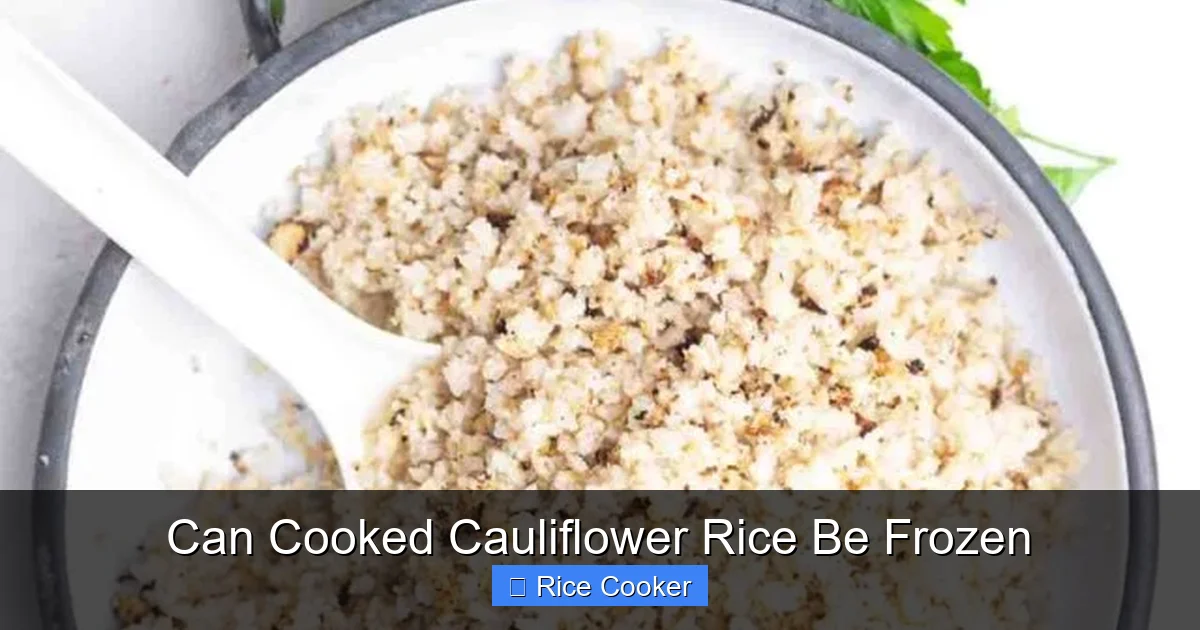
Can cooked cauliflower rice be frozen? Absolutely! Freezing is a great way to preserve its nutrients and extend shelf life. With the right steps, you’ll keep it flavorful, fluffy, and ready for quick meals.
Key Takeaways
- Yes, it freezes well: Cooked cauliflower rice freezes beautifully when stored correctly, maintaining texture and nutrition.
- Proper storage is key: Use airtight containers or freezer bags to prevent freezer burn and moisture loss.
- Label and date everything: Keep track of how long it’s been frozen to ensure optimal quality and safety.
- Reheating matters: Steam or microwave gently to avoid mushiness—never overcook.
- Nutrition stays intact: Freezing preserves vitamins like C and K, especially if done quickly after cooking.
- Best for meal prep: Batch-cook and freeze portions for easy, low-carb swaps in stir-fries, bowls, or casseroles.
📑 Table of Contents
- Can Cooked Cauliflower Rice Be Frozen? Yes, and Here’s How!
- Why Freeze Cauliflower Rice?
- How to Freeze Cooked Cauliflower Rice Properly
- Best Ways to Reheat Frozen Cauliflower Rice
- Creative Ways to Use Frozen Cauliflower Rice
- Common Mistakes to Avoid When Freezing Cauliflower Rice
- Health Benefits of Frozen Cauliflower Rice
- Storage Tips for Maximum Freshness
- Final Thoughts: Yes, Freeze It!
Can Cooked Cauliflower Rice Be Frozen? Yes, and Here’s How!
You’ve probably heard that rice—especially white rice—can go bad fast if not eaten soon. But what about cauliflower rice? That humble, low-carb staple has taken kitchens by storm, and for good reason: it’s versatile, nutrient-dense, and perfect for keto, paleo, and Whole30 diets. But let’s face it—sometimes you make too much. So the big question lingers: Can cooked cauliflower rice be frozen?
The short answer? Absolutely! In fact, freezing is one of the best ways to preserve cauliflower rice while keeping it fresh, nutritious, and ready to use whenever you need a quick side dish or base for your favorite recipes. Whether you’re meal prepping for the week or just want to reduce food waste, freezing cooked cauliflower rice is a smart, sustainable choice. And don’t worry—it doesn’t turn into a soggy mess if done right.
In this complete guide, we’re diving deep into everything you need to know about freezing cauliflower rice. From how to prepare it properly before freezing to tips on thawing and reheating, we’ve got you covered. Plus, we’ll share creative ways to use your frozen stash so nothing goes to waste. Ready to become a cauliflower rice pro? Let’s get started!
Why Freeze Cauliflower Rice?
Before we jump into the “how,” let’s talk about the “why.” Why would anyone go through the trouble of freezing something as delicate as cauliflower rice? Well, there are several compelling reasons:
Visual guide about Can Cooked Cauliflower Rice Be Frozen
Image source: acouplecooks.com
Meal Prep Magic
If you’re serious about healthy eating, meal prep is your best friend. Imagine waking up Monday morning with perfectly portioned cauliflower rice already waiting in your freezer. You can whip up a stir-fry, add it to a grain bowl, or even toss it into a frittata—all in minutes. No more last-minute grocery runs or relying on processed foods. Freezing allows you to cook once and eat smart all week.
Reduces Food Waste
Let’s be real: sometimes you cook too much, or plans change, or the fridge gets crowded. Instead of tossing out leftover cauliflower rice (which happens faster than you’d think), freezing it extends its life by months. It’s an eco-friendly move that saves money and supports a zero-waste kitchen.
Nutrient Retention
Cauliflower is packed with antioxidants, fiber, vitamin C, and potassium. While cooking can reduce some nutrients slightly, freezing—especially flash-freezing—helps lock in what’s left. When stored properly, your frozen cauliflower rice will still offer most of its nutritional punch when reheated.
Convenience for Low-Carb Living
If you follow a low-carb or ketogenic diet, traditional rice is off the table. But cauliflower rice fits perfectly. Having a stash in the freezer means you’ll never be caught without a carb-free substitute again. Think tacos, fried “rice” bowls, or even a quick risotto alternative.
So now that we’ve sold you on the benefits, let’s walk through the step-by-step process of freezing cooked cauliflower rice like a pro.
How to Freeze Cooked Cauliflower Rice Properly
Freezing cauliflower rice isn’t complicated, but there are a few important steps to follow to ensure it stays fresh, flavorful, and texture-perfect. Let’s break it down.
Step 1: Cook It Right
Not all cauliflower rice is created equal. For the best results, start with freshly made rice—not pre-packaged or thawed from frozen. Here’s how to cook it:
- Steam or sauté fresh cauliflower florets until tender but still firm (about 5–7 minutes).
- Alternatively, pulse raw cauliflower in a food processor until it reaches rice-like consistency, then cook.
- Avoid overcooking—this leads to mushiness, which doesn’t freeze well.
Step 2: Cool Quickly
This is crucial. Hot food dumped straight into the freezer creates ice crystals and raises the temperature inside, which can affect other items and lead to uneven freezing. To cool it fast:
- Spread the cooked rice on a baking sheet lined with parchment paper.
- Place it in the freezer for 30–60 minutes, stirring occasionally, until completely chilled.
- This process, called flash freezing, prevents clumping and helps retain texture.
Step 3: Portion and Pack
Now comes the storage part. You’ll want to divide the cooled cauliflower rice into usable portions. Think: one serving = about 1 cup. This makes thawing easier and reduces waste.
- Use airtight freezer-safe containers or heavy-duty freezer bags.
- If using bags, squeeze out as much air as possible to prevent freezer burn.
- Label each container or bag with the date and contents. Trust us—you’ll thank yourself later.
Step 4: Store at 0°F or Below
Keep your freezer at 0°F (-18°C) or lower for optimal preservation. Most home freezers hover around -9°F, which is still fine—just know that ideal conditions help maintain quality longer.
With these steps, your cauliflower rice can stay frozen for up to 8–12 months. Beyond that, flavor and texture may degrade, though it’s still safe to eat if stored properly.
Best Ways to Reheat Frozen Cauliflower Rice
One of the biggest fears people have about frozen vegetables—including cauliflower rice—is that they’ll turn into soup when reheated. But that’s avoidable with the right technique. Here are the top methods:
Microwave Method (Fastest)
If you’re in a hurry, the microwave is your friend. Just follow these steps:
- Remove the desired amount from the freezer (no need to thaw fully).
- Place it in a microwave-safe bowl and cover loosely with a damp paper towel or lid.
- Heat on high in 30-second intervals, stirring between each, until warm throughout (usually 1–2 minutes total).
- Add a splash of water or broth if it seems dry.
Stovetop Method (Best for Texture)
For a fluffier result, try the stovetop:
- Thaw the rice slightly by leaving it in the fridge overnight or running cold water over the package.
- Heat a non-stick pan over medium heat and add a little olive oil or butter.
- Pour in the rice and sprinkle with water (1–2 tbsp per cup).
- Cook for 3–5 minutes, stirring frequently, until heated through and slightly crispy on the edges.
Steaming Method (Gentlest)
This mimics how you first cooked it and works great for delicate dishes:
- Bring a pot of water to a boil.
- Place a steamer basket over the water and add the frozen rice.
- Cover and steam for 4–6 minutes until warmed through.
No matter the method, avoid boiling—it’ll break apart the rice and make it gluey. And remember: a little moisture goes a long way. If your rice looks dry after reheating, add a teaspoon of water, cover, and let it sit for a minute.
Creative Ways to Use Frozen Cauliflower Rice
Frozen cauliflower rice isn’t just a side dish—it’s a kitchen superhero. Once thawed and reheated, it shines in countless recipes. Here are some tasty ideas to inspire you:
Fried “Rice” Bowls
Turn your cauliflower rice into a satisfying fried rice by sautéing it with scrambled eggs, diced carrots, peas, soy sauce, and your favorite protein. Add sesame oil for depth, and you’ve got a restaurant-quality meal in under 10 minutes.
Low-Carb Tacos or Burrito Bowls
Skip the tortilla and serve taco meat, black beans, avocado, and salsa over a bed of warm cauliflower rice. Top with lime juice and cilantro for a fresh, crunchy twist.
Cheesy Cauliflower Rice Casserole
Bake it with shredded cheese, cream of mushroom soup, and breadcrumbs for a comforting casserole. It’s gluten-free and surprisingly rich.
Breakfast Hash
Sauté the rice with bell peppers, onions, sausage, and eggs. Serve with a fried egg on top for a hearty morning meal.
Smoothie Booster (Blended)
Yes, really! Blend a small amount of frozen cauliflower rice into smoothies for extra fiber and nutrients without changing the taste. Great for green smoothies or post-workout shakes.
These are just a few ideas—get creative! The beauty of cauliflower rice is its neutrality. It absorbs flavors beautifully, so feel free to experiment with spices, herbs, and sauces.
Common Mistakes to Avoid When Freezing Cauliflower Rice
Even with the best intentions, mistakes happen. Here are some common pitfalls and how to dodge them:
Skipping the Flash-Freeze Step
Dumping hot rice into a container leads to ice crystals and clumping. Always cool it first on a baking sheet. This simple step makes a huge difference in texture.
Overfilling Containers
Leave about an inch of headspace in containers. When liquids expand during freezing, pressure builds—and that can crack glass or burst bags.
Not Labeling
It’s easy to forget what’s in your freezer after a few months. Write the date and contents clearly. A marker works great on plastic containers.
Using Weak Packaging
Not all freezer bags are created equal. Invest in thick, leak-proof freezer bags or rigid containers. Thin ziplocks often tear or let air in.
Thawing Wrongly
Never defrost cauliflower rice at room temperature—it invites bacteria growth. Either thaw in the fridge overnight or cook directly from frozen (with added moisture).
Ignoring Freezer Burn Signs
If your rice has icy spots, discoloration, or a strange smell, it’s likely freezer-burned. While still safe to eat, the texture will be off. Wrap tightly and store upright to minimize exposure.
By avoiding these errors, you’ll enjoy consistently great-tasting cauliflower rice every time.
Health Benefits of Frozen Cauliflower Rice
Beyond convenience, freezing cauliflower rice helps you keep enjoying its health perks year-round. Here’s why it’s a smart addition to any diet:
- High in Fiber: Supports digestion and keeps you full longer.
- Rich in Antioxidants: Helps fight inflammation and oxidative stress.
- Low in Calories: One cup of cooked cauliflower has only about 25 calories—perfect for weight management.
- Gluten-Free & Dairy-Free: Safe for those with dietary restrictions.
- Versatile Base: Can replace grains in almost any dish without altering the recipe much.
And yes—freezing doesn’t significantly reduce these benefits. While some water-soluble vitamins (like vitamin C) can degrade over time, the overall nutritional profile remains strong, especially if you freeze it quickly and consume it within 6 months.
Storage Tips for Maximum Freshness
To get the longest shelf life and best quality, follow these expert storage tips:
- Freeze in Small Batches: This ensures even freezing and makes portion control easier.
- Use Vacuum Sealing (Optional): For ultimate protection against air and odor transfer, vacuum-seal portions. This is ideal if you freeze large quantities.
- Store Upright in Bags: Prevents liquid from pooling at the bottom and reduces clumping.
- Avoid Opening the Freezer Unnecessarily: Each opening causes temperature fluctuations that affect food quality.
- Rotate Your Stock: Use the oldest batches first—follow the FIFO (First In, First Out) rule.
With consistent care, your frozen cauliflower rice will stay fresh, nutritious, and ready to use for months.
Final Thoughts: Yes, Freeze It!
So, can cooked cauliflower rice be frozen? Definitely. It’s not only possible—it’s practical, delicious, and a game-changer for anyone looking to eat healthier with less stress. By following the right steps—cooling quickly, portioning wisely, and storing securely—you’ll preserve texture, flavor, and nutrition for weeks or even months.
Whether you’re meal prepping for busy weekdays, reducing food waste, or simply stocking up on a superfood, freezing cauliflower rice is a savvy move. And the best part? It tastes just as good—if not better—when reheated creatively in soups, salads, or savory pies.
Next time you cook a big batch, don’t hesitate to freeze the extras. Your future self will thank you.
Frequently Asked Questions
How long does frozen cauliflower rice last in the freezer?
When stored properly, cauliflower rice can last 8–12 months in the freezer. After that, quality may decline, though it remains safe to eat.
Can I freeze cauliflower rice directly from the rice cooker?
Yes, but let it cool first. Never place hot food straight into the freezer—cool it on a baking sheet for 30–60 minutes before packing.
Does freezing destroy nutrients in cauliflower rice?
Some nutrients may decrease slightly over time, but freezing helps preserve many vitamins and antioxidants, especially if done quickly.
Can I refreeze thawed cauliflower rice?
It’s not recommended. Once thawed, the texture changes and bacterial growth risk increases. Use it within a few days at room temp or in the fridge.
Is frozen cauliflower rice safe to eat cold?
While technically edible, it’s best warmed before eating. Cold cauliflower rice can be hard to digest and lacks appeal in most dishes.
Do I need to add anything to cauliflower rice before freezing?
No additives are needed. Just ensure it’s cooled, portioned, and sealed tightly. Any extra oil or sauce should be added after reheating.