
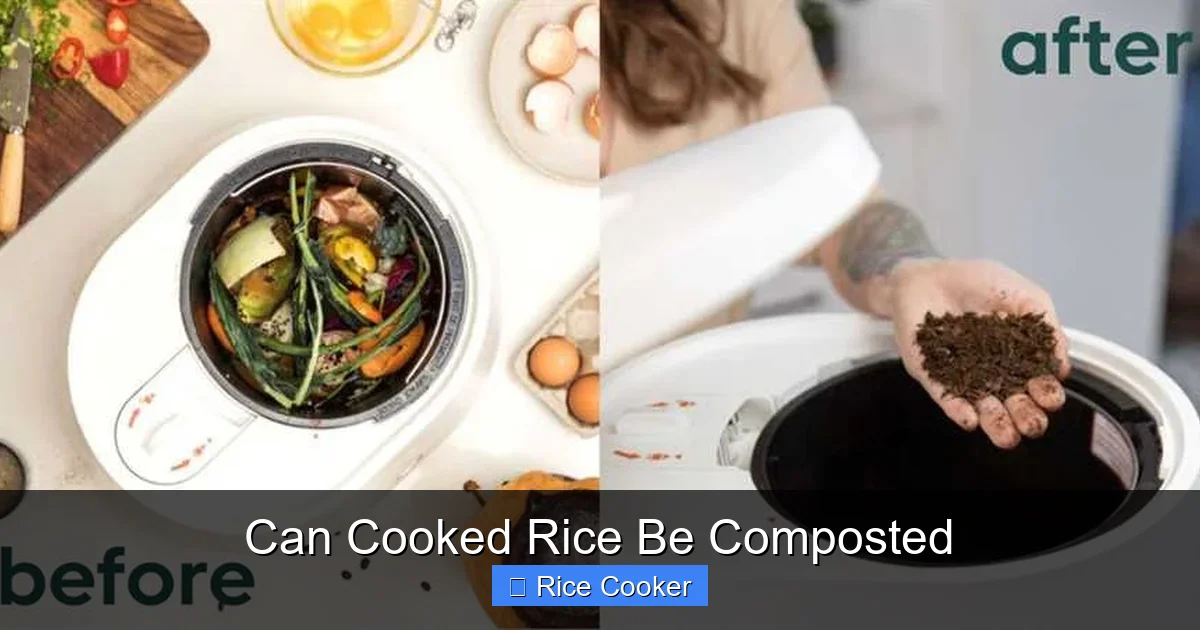
Can cooked rice be composted? Absolutely! Yes, cooked rice is a fantastic composting ingredient because it’s rich in carbon and breaks down quickly. Just mix it with greens, avoid mold, and keep your pile balanced. Whether you’re reducing food waste or growing fresh herbs, composting rice is simple and beneficial.
Have you ever tossed leftover rice into the trash, only to feel guilty about contributing to landfill waste? You’re not alone. Millions of households worldwide discard perfectly good food every day, including cooked rice—a staple in many diets across Asia, the Middle East, and beyond. But what if we told you that instead of throwing that rice away, you could transform it into something even more valuable: rich, dark, earthy compost for your garden?
That’s right—cooked rice can absolutely be composted. In fact, it’s one of the most effective ways to recycle kitchen scraps while enriching your soil at the same time. Whether you’re a seasoned gardener, a beginner with a windowsill herb planter, or just someone trying to live a little greener, learning how to compost cooked rice is a small change with big environmental and practical benefits.
In this comprehensive guide, we’ll walk you through everything you need to know about composting cooked rice—from understanding why it works so well, to step-by-step instructions, troubleshooting common issues, and creative ways to use your finished compost. So grab your compost bucket, and let’s turn that leftover dinner into tomorrow’s garden gold.
Key Takeaways
- Cooked rice is compostable: It breaks down easily and adds valuable nutrients like nitrogen and carbon to your compost pile.
- Balance is key: Mix rice with brown materials (like dry leaves) to prevent excess moisture and odors.
- Avoid raw or greasy rice: Raw rice can harden, and oily rice may attract pests—cook it thoroughly and skip the butter or oil.
- Small amounts are best: Add rice gradually to avoid clumping and maintain airflow in your compost bin.
- Use finished compost wisely: Once broken down, rice-enriched compost improves soil structure and plant growth.
- Consider vermicomposting: Worm bins love rice scraps, making them ideal for indoor composting setups.
📑 Table of Contents
Why Cooked Rice Makes Great Compost
Cooked rice isn’t just food—it’s nature’s way of giving back. When rice is cooked, its starches become accessible to microorganisms in your compost pile. These tiny decomposers—bacteria, fungi, and worms—break down the organic material, converting it into humus, which is essentially nature’s fertilizer. The result? A dark, crumbly substance teeming with nutrients that plants crave.
Unlike raw grains, which can remain dense and take years to decompose, cooked rice softens and integrates smoothly into active compost systems. It’s considered a “green” compost material because it’s high in nitrogen—a vital element for microbial activity. However, too much nitrogen alone causes problems like ammonia smells and slow decomposition. That’s where balancing comes in.
Most successful compost piles follow the rule of mixing greens (nitrogen-rich items like fruit scraps, vegetable peels, and yes—cooked rice) with browns (carbon-rich materials like dried leaves, straw, or shredded paper). This balance ensures proper airflow, moisture control, and efficient breakdown. Think of it like baking: you need both flour and sugar to make a cake rise evenly.
Another reason cooked rice is ideal for composting is its availability. Most people cook rice regularly, and when done right, there’s usually a bit left over. Instead of tossing it, consider repurposing it. Even slightly stale rice can go straight into your compost bin. Just remember: plain, boiled rice works best. Skip the fried rice with soy sauce, chili flakes, or heavy sauces—those additives introduce salt, fat, or non-compostable ingredients that can harm your pile.
What Types of Rice Can Be Composted?
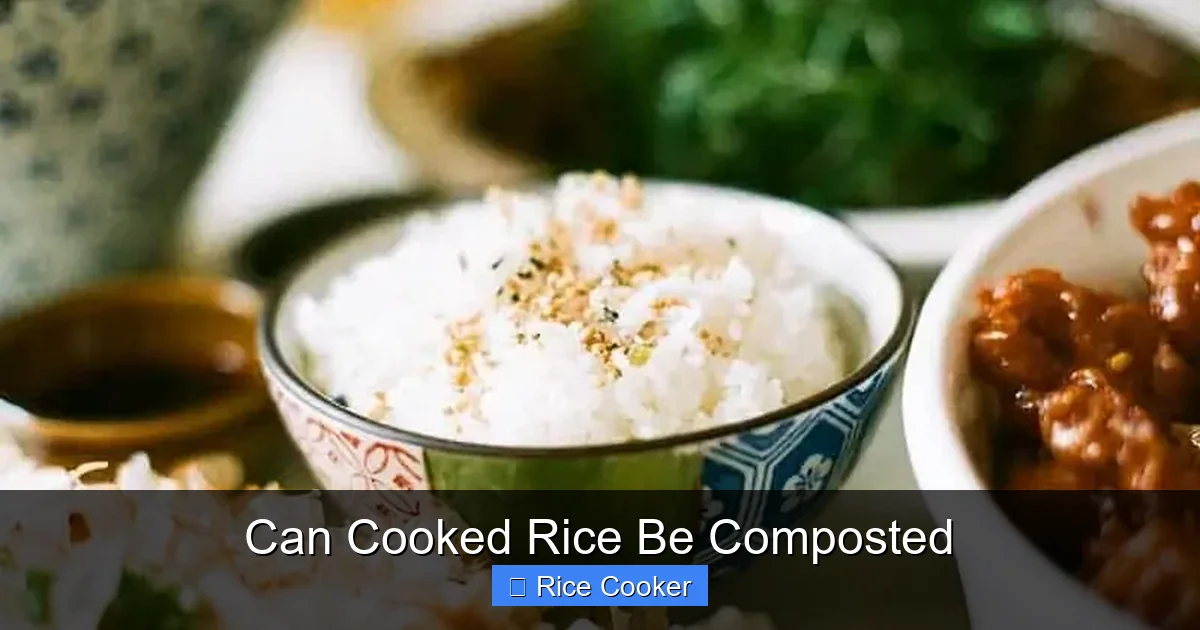
Visual guide about Can Cooked Rice Be Composted
Image source: metrocookingdallas.com
Not all rice is created equal when it comes to composting. Let’s break it down:
Plain Boiled White Rice
This is the gold standard for composting. Simple white rice—whether basmati, jasmine, or long-grain—breaks down quickly and adds clean carbon and nitrogen to your pile. Since it contains no oils or seasonings, it won’t attract pests or create unpleasant odors.
Brown Rice
Like white rice, brown rice is excellent for composting. Though it has a harder outer layer due to bran and germ, once cooked, it softens and decomposes effectively. Brown rice also adds trace minerals like magnesium and zinc, further enriching your final compost product.
Instant or Quick-Cook Rice
These varieties are pre-cooked and dehydrated, so they break down faster than regular rice. They’re especially useful if you have small amounts of leftover instant rice. Just ensure there’s no added flavor packet—those often contain synthetic chemicals that aren’t suitable for home composting.
Stale or Day-Old Rice
Don’t worry if your rice has been sitting out for hours or even days. As long as it hasn’t grown visible mold or been contaminated with dairy, meat, or oils, stale rice is still compostable. In fact, older rice may actually be easier to decompose since the cooking process already started breaking down its starches.
Rice With Minimal Additives
Avoid adding rice dishes that include:
– Fried rice with soy sauce or oil
– Rice mixed with cheese, cream, or butter
– Leftover curry, stir-fry, or rice pudding
– Rice buried under other food waste without separation
While small bits of plain rice from these meals *might* be okay, it’s safer to stick to pure cooked rice to avoid complications.
How to Compost Cooked Rice Properly
Now that you know *what* to compost, here’s *how* to do it right. Follow these steps for a smooth, odor-free composting experience.
Step 1: Cool the Rice First
If you’ve just finished eating, let the rice cool to room temperature before adding it to your compost bin. Hot food can kill beneficial microbes in your compost pile or create steam buildup, leading to condensation and potential spoilage. A few minutes on the counter is usually enough.
Step 2: Chop or Crush Large Amounts
For large quantities of rice (say, a full bowl), chop it into smaller pieces. This increases surface area, allowing microbes to work faster. If you’re using a worm bin (vermicomposting), crush it into tiny bits so earthworms can eat it easily.
Step 3: Layer Greens and Browns
Never dump all your rice into one spot. Instead, sprinkle it evenly across your compost pile or bin. Then cover it immediately with a layer of brown materials—about 2–3 inches thick. This prevents clumping, controls smell, and keeps rodents and flies away.
Step 4: Maintain Moisture and Aeration
Your compost pile should feel like a damp sponge—not dripping wet, not bone dry. If your rice makes the pile too soggy, add more browns like shredded newspaper or cardboard. Turn the pile every week or two to introduce oxygen and speed up decomposition.
Step 5: Monitor for Pests
If raccoons, mice, or flies start showing interest in your bin, reduce the amount of rice you’re adding. Cover food scraps tightly with soil or burlap, and avoid placing the bin near entry points to your home.
Step 6: Wait Patiently
Depending on your compost system, rice typically breaks down within 2–6 weeks. In hot, active piles with regular turning, it may vanish faster. Once fully decomposed, the rice will resemble dark soil and blend seamlessly into your finished compost.
Common Mistakes to Avoid When Composting Rice
Even experienced composters make mistakes. Here are some pitfalls to watch out for:
Mistake #1: Adding Too Much Rice at Once
Too much nitrogen-rich material (like rice) without enough carbon causes smelly, slimy piles. Stick to a general guideline: for every handful of rice, add a handful of dry leaves or paper. Adjust based on your pile size.
Mistake #2: Not Mixing Well
Piling rice on top without covering it invites pests and creates anaerobic conditions. Always bury food scraps under browns.
Mistake #3: Using Greasy or Seasoned Rice
Butter, oil, soy sauce, and spices don’t belong in compost. They can repel worms, breed bacteria, and even contaminate your garden if used on edible plants.
Mistake #4: Ignoring Temperature and Humidity
Compost piles thrive between 120°F and 160°F. If yours stays cold, it’s likely due to poor aeration or imbalance. Check moisture levels and turn the pile more frequently.
Mistake #5: Expecting Instant Results
Composting isn’t magic. It takes time, effort, and patience. Don’t expect rice to disappear overnight—trust the process.
Using Your Finished Compost: Tips and Tricks
Once your rice (and other scraps) have transformed into dark, crumbly compost, you’ll want to put it to good use. Here’s how:
Top Dressing for Garden Beds
Sprinkle a thin layer (about ½ inch) around the base of vegetables, flowers, or shrubs. Water lightly afterward to help it settle into the soil.
Potting Soil Enhancer
Mix 20–30% finished compost into potting soil for houseplants or seed starting. This boosts microbial life and nutrient availability without overwhelming roots.
Compost Tea
Steep a bag of compost in water for 24–48 hours, strain, and dilute with water (1 part tea to 10 parts water). Use as a liquid fertilizer for leafy greens or herbs.
Mulch Base
Combine compost with mulch (wood chips, straw) to retain moisture and suppress weeds. This combo is especially great for vegetable gardens.
Seed Starting Mix
Create a custom blend by mixing equal parts compost, peat moss, and perlite. This light, nutrient-dense mix gives seedlings a strong start.
Remember: Never apply unfinished compost directly to edible plants unless you’re certain it’s fully matured. Unfinished material can contain pathogens or weed seeds.
Vermicomposting: Worms Love Rice!
If you’re looking for an indoor composting method, consider vermicomposting—using red wiggler worms to digest organic waste. These gentle creatures adore soft, cooked foods like rice, pasta, and fruit peels. Unlike traditional piles, worm bins operate quietly and produce nutrient-rich castings (aka worm poop) in weeks rather than months.
To add rice to your worm bin:
– Crush it into small pieces.
– Bury it under a layer of bedding (shredded newspaper, coconut coir).
– Limit rice to no more than 10% of total food input.
– Keep the bin moist but not wet.
Worm castings from rice-fed bins are exceptionally fine and pH-balanced—perfect for sensitive plants like lettuce or basil.
Frequently Asked Questions
Can I compost raw rice?
Raw rice is harder to decompose and may clump together or sprout in your compost pile. It’s better to stick with cooked rice for faster breakdown.
Does composting rice attract rats?
Uncovered food scraps—including rice—can attract pests. Always bury rice under dry leaves or cardboard and secure your compost bin.
How long does it take for cooked rice to decompose?
In a healthy, active compost pile, cooked rice typically breaks down within 2 to 6 weeks. Smaller pieces decompose faster.
Can I compost rice with soy sauce or oil?
No, oils and salty condiments like soy sauce can disrupt microbial balance, attract pests, and create foul odors. Stick to plain cooked rice.
Is it safe to use rice compost on vegetable gardens?
Yes, once fully decomposed, rice compost is rich in nutrients and safe for edibles. Just ensure it’s mature and mixed well into the soil.
Can I compost rice in a plastic container without turning?
Yes, but decomposition will be slower. Without turning, air circulation decreases, and the pile may become compacted or sour. Consider a tumbler or bokashi system for low-maintenance options.