
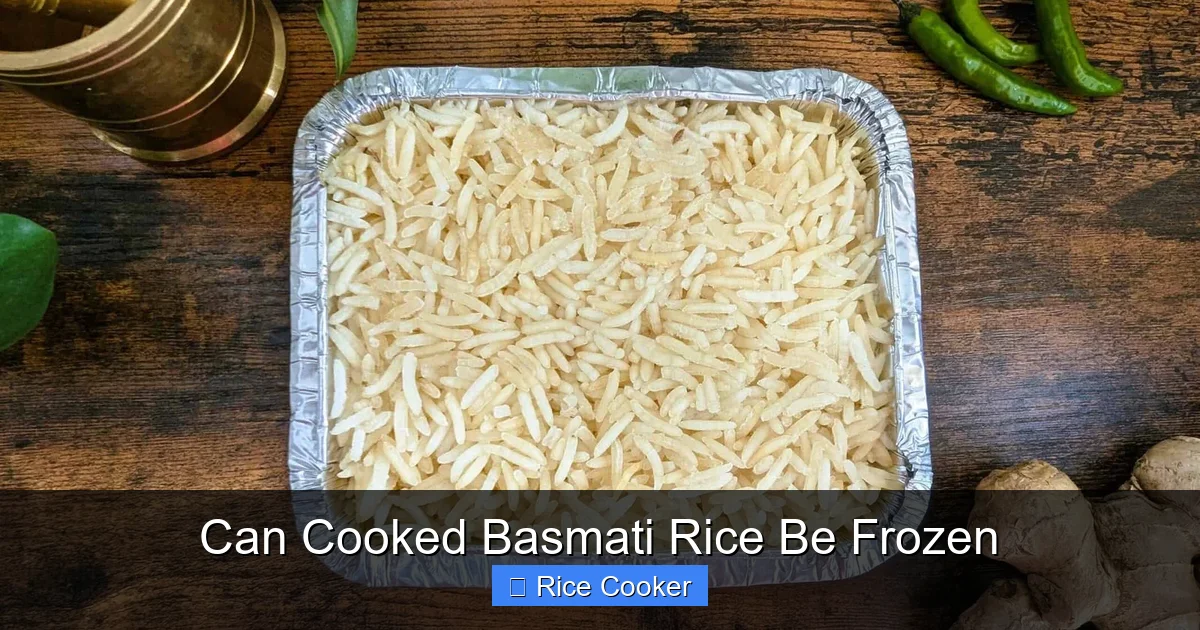
Can cooked basmati rice be frozen? Absolutely! Freezing is a smart way to preserve leftover rice, lock in freshness, and reduce food waste. With the right steps, you can enjoy perfectly textured basmati rice straight from the freezer whenever needed. This guide walks you through safe freezing, storage tips, and best practices to keep your rice delicious and nutritious.
Key Takeaways
- Freezing preserves quality: When stored properly, cooked basmati rice can stay fresh in the freezer for up to 3 months without losing flavor or texture.
- Use airtight containers: Always use freezer-safe containers or heavy-duty plastic bags to prevent freezer burn and moisture loss.
- Cool before freezing: Let rice cool completely before packaging to avoid condensation and ice crystals that affect taste.
- Label and date: Mark packages with the date so you know exactly when they were frozen—this helps maintain optimal quality.
- Reheat with care: Thaw and reheat rice slowly using the microwave or stovetop to restore its soft, fluffy texture.
- Avoid refreezing: Once thawed, never refreeze cooked rice to reduce the risk of bacterial growth.
- Portion control: Divide rice into small batches before freezing—this makes reheating quicker and more efficient.
📑 Table of Contents
- Can Cooked Basmati Rice Be Frozen?
- Why Freeze Cooked Basmati Rice?
- How Long Can Cooked Basmati Rice Be Frozen?
- Step-by-Step Guide: How to Freeze Cooked Basmati Rice
- Best Practices for Storing Frozen Basmati Rice
- How to Reheat Frozen Cooked Basmati Rice
- Common Mistakes to Avoid When Freezing Basmati Rice
- Creative Ways to Use Thawed Cooked Basmati Rice
- Health Benefits of Basmati Rice (Even When Frozen)
- Frequently Asked Questions About Freezing Cooked Basmati Rice
- Conclusion: Freeze Smart, Eat Well
Can Cooked Basmati Rice Be Frozen?
Have you ever looked at a pot of leftover basmati rice after dinner and wondered, “Should I just toss this out?” You’re not alone. Many home cooks face the same dilemma every week. But here’s the good news: cooked basmati rice can absolutely be frozen, and doing so is one of the easiest ways to reduce food waste while keeping meals convenient.
Basmati rice, known for its long grains, aromatic scent, and fluffy texture when cooked, responds well to proper freezing techniques. Unlike some delicate ingredients, rice holds up surprisingly well in the freezer—especially when handled correctly. Whether you made too much for a family meal or want to prep ahead for busy weekdays, freezing cooked basmati rice is a game-changer. In this complete guide, we’ll walk you through everything you need to know: from why freezing works so well with basmati rice to step-by-step instructions on how to do it safely and effectively.
You might be thinking, “But won’t it get soggy or mushy when I reheat it?” Great question! The key lies in how you store and reheat it. With the right approach, your frozen basmati rice will taste nearly as fresh as the day it was cooked. We’ll also cover common mistakes to avoid, ideal storage times, and creative ways to use thawed rice in new dishes. So grab your rice cooker, and let’s dive into the world of frozen basmati perfection!
Why Freeze Cooked Basmati Rice?
Before jumping into the how-to, it’s helpful to understand why freezing cooked basmati rice makes sense. There are several practical reasons people choose to freeze their rice, and each one adds value to your kitchen routine.
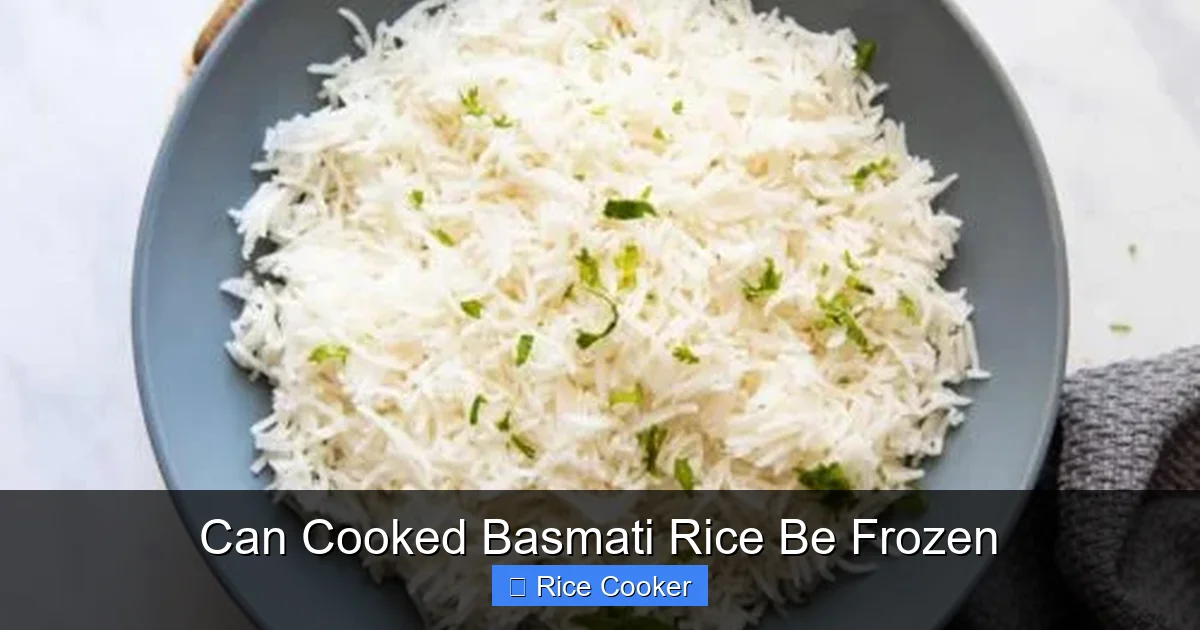
Visual guide about Can Cooked Basmati Rice Be Frozen
Image source: myfoodstory.com
1. Extends Shelf Life Significantly
Freshly cooked basmati rice lasts about 4–6 days in the refrigerator. After that, the starches begin to break down, and the risk of spoilage increases. Freezing slows down bacterial growth and enzymatic activity, effectively extending the shelf life to up to three months. That means you can prepare a big batch on Sunday and still have perfectly usable rice by month’s end.
2. Reduces Food Waste
In the U.S., over 30% of food goes uneaten, according to the USDA. Freezing leftovers is a simple yet powerful way to fight back. Instead of tossing half your rice, you save it for later. This not only saves money but also supports sustainable cooking habits.
3. Saves Time and Effort
Prepping meals takes time—especially when starting from scratch. Having pre-cooked, portioned rice in the freezer means you can whip up stir-fries, fried rice, or grain bowls in minutes. It’s like having instant whole-grain protein ready whenever hunger strikes.
4. Maintains Nutritional Value
Contrary to popular belief, freezing doesn’t destroy nutrients. Basmati rice retains most of its fiber, B vitamins, and minerals when frozen properly. Just ensure you’re storing it in airtight containers to prevent oxidation and nutrient loss due to exposure to air.
5. Ideal for Meal Preppers and Busy Families
If you follow a weekly meal plan or cook in bulk, freezing cooked basmati rice is a staple strategy. Portion it out, label it, and you’ve got a versatile base for countless recipes. From Indian curries to Mediterranean salads, thawed rice adapts beautifully to many cuisines.
How Long Can Cooked Basmati Rice Be Frozen?
This is one of the most frequently asked questions: how long can you actually freeze cooked basmati rice? The short answer is up to three months. Beyond that, while the rice may still be safe to eat, quality starts to decline.
Let’s break it down:
- Best quality (1–2 months): Flavor, texture, and aroma remain excellent during this period. Ideal for high-quality reheating experiences.
- Acceptable (2–3 months): Rice stays safe and usable, but you might notice slight changes in texture or mild odor. Still great for casseroles or soups where texture isn’t critical.
- Beyond 3 months: Risk of freezer burn increases, and nutritional degradation becomes noticeable. Not recommended unless you’re using it in blended dishes.
Remember: these timeframes assume proper storage in airtight containers and consistent freezer temperatures (0°F or -18°C). If your freezer fluctuates often, stick to the shorter end of the range.
Step-by-Step Guide: How to Freeze Cooked Basmati Rice
Freezing cooked basmati rice isn’t complicated, but following a few key steps ensures success. Here’s a foolproof method:
Step 1: Cool the Rice Quickly
After cooking, spread the rice on a baking sheet or large tray. This creates a bigger surface area, allowing heat to escape faster. Leave it uncovered for 15–20 minutes until it reaches room temperature. Skipping this step can cause condensation inside the container, leading to ice crystals and uneven freezing.
Step 2: Portion Into Servings
Divide the cooled rice into single-serving or meal-sized portions. Use measuring cups or scale it out if you plan to follow recipes. Smaller portions freeze and thaw faster, reducing the chance of bacterial growth during reheating.
Step 3: Choose the Right Container
Opt for freezer-safe containers with tight-fitting lids or heavy-duty resealable plastic bags. Glass jars work too—just leave headspace (about ½ inch) to allow expansion. Avoid cardboard boxes or paper bags; they don’t protect against moisture or odors.
Step 4: Remove Excess Air
If using bags, press out as much air as possible before sealing. You can also use the “vacuum seal” setting on your bag if available. Less air means less freezer burn.
Step 5: Label and Date
Write the contents and date on masking tape or use a permanent marker. This prevents confusion later and helps you rotate stock efficiently.
Step 6: Place in Freezer Immediately
Once sealed, put the containers or bags directly into the freezer. Flatten bags to save space and promote even freezing.
Best Practices for Storing Frozen Basmati Rice
Even with perfect freezing techniques, poor storage habits can ruin your efforts. Follow these best practices to maximize shelf life and quality:
Use High-Quality Containers
Invest in freezer-grade containers designed for repeated use. Brands like Pyrex, Rubbermaid, or Ziploc Heavy Duty offer reliable options. Avoid thin plastic or reused takeout containers, which may crack or leak.
Avoid Overpacking
Don’t cram too many containers into one spot. Good airflow prevents temperature spikes that accelerate freezer burn. Leave empty spaces between items.
Keep Your Freezer at 0°F (-18°C)
Most home freezers run slightly warmer than ideal. Check your appliance manual or use a thermometer to confirm. Consistent cold = longer-lasting food.
Rotate Stock Using FIFO
FIFO stands for “First In, First Out.” Always use older frozen rice first. Place newer batches behind older ones so you naturally cycle through inventory.
Thaw Safely When Ready to Use
Never thaw rice at room temperature. Transfer frozen portions to the fridge overnight or use the defrost setting on your microwave. Rapid thawing helps maintain texture.
How to Reheat Frozen Cooked Basmati Rice
One of the biggest fears about frozen rice is that it comes out dry or rubbery. But with the right reheating method, you can restore that fluffy, fragrant goodness. Here are three tried-and-tested approaches:
Method 1: Microwave (Fastest Option)
Pros: Quick, easy, requires minimal cleanup.
Cons: Can create uneven heating spots.
Steps:
- Remove rice from freezer and transfer to a microwave-safe bowl.
- Add 1 tablespoon of water per cup of rice to reintroduce moisture.
- Cover loosely with a damp paper towel or vented lid.
- Cook on high for 1 minute, stir, then continue in 30-second intervals until heated through.
- Let sit 1–2 minutes before fluffing with a fork.
Method 2: Stovetop (Best for Texture)
Pros: Even heating, better flavor restoration.
Cons: Requires more attention.
Steps:
- Place frozen rice in a saucepan with a splash of water or broth.
- Heat over medium-low, stirring occasionally.
- Cover and simmer for 5–7 minutes, adding liquid as needed.
- Fluff gently before serving.
Method 3: Oven (For Large Batches)
Pros: Hands-off, consistent results.
Cons: Takes longer than other methods.
Steps:
- Preheat oven to 350°F (175°C).
- Spread thawed or partially thawed rice on a baking sheet lined with parchment.
- Drizzle lightly with water and cover tightly with foil.
- Bake for 20–25 minutes, fluffing halfway through.
Common Mistakes to Avoid When Freezing Basmati Rice
Even experienced home chefs make errors when handling frozen foods. Here are the top pitfalls to watch out for:
Mistake #1: Not Cooling Before Freezing
Adding hot rice to a container traps steam, creating ice crystals and promoting bacterial growth in the outer layers. Always cool completely first.
Mistake #2: Using Non-Freezer-Safe Containers
Regular plastic bags or glass with poor seals allow air in, leading to freezer burn. Always verify your container is labeled “freezer safe.”
Mistake #3: Freezing in Large Blocks
Freezing all your rice at once makes reheating inefficient. Portioning ensures only what you need thaws at a time, saving energy and maintaining quality.
Mistake #4: Ignoring Labels
Without dates, you’ll forget when you froze something. Use labels or color-coded tape systems to stay organized.
Mistake #5: Refreezing Thawed Rice
Once rice has been thawed, it should be used immediately. Refreezing increases the risk of foodborne illness because bacteria multiply rapidly during thawing.
Mistake #6: Overloading the Freezer
Too many items block airflow, causing temperature fluctuations. Keep your freezer at least 75% full for optimal performance, but don’t pack it to the brim.
Creative Ways to Use Thawed Cooked Basmati Rice
The beauty of having pre-frozen basmati rice is its versatility. Don’t just serve it plain—let your creativity shine!
1. Fried Rice Stir-Fry
Heat oil in a wok, add diced vegetables (carrots, peas, bell peppers), and stir in thawed rice. Toss with soy sauce, garlic, ginger, and scrambled eggs for a classic Asian-inspired dish.
2. Biryani or Pilaf
Layer rice with spiced meat or vegetables, saffron-infused milk, and herbs. Bake covered for an aromatic, restaurant-style main course.
3. Grain Bowls
Top with roasted chickpeas, avocado, cherry tomatoes, feta, and tahini dressing for a balanced, customizable lunch.
4. Rice Pudding
Simmer thawed rice with milk, cinnamon, cardamom, and sugar. Finish with chopped nuts and dried fruits for a comforting dessert.
5. Rice Cakes or Patties
Mix rice with mashed beans, onions, and spices. Form into patties, pan-fry, and serve with yogurt or chutney.
6. Soups and Stews
Add thawed rice to lentil soup or tomato-based stews. It thickens the dish and boosts fiber content.
Health Benefits of Basmati Rice (Even When Frozen)
You might wonder: does freezing affect the health benefits of basmati rice? The short answer is no—when stored properly, it retains most of its nutritional value. Here’s why basmati rice deserves a place in your diet:
- Low Glycemic Index: Helps regulate blood sugar levels, making it suitable for diabetics when consumed in moderation.
- High Fiber Content: Supports digestion and promotes satiety, aiding weight management.
- Gluten-Free: Perfect for those with celiac disease or gluten sensitivity.
- Rich in B Vitamins: Essential for energy metabolism and brain function.
- Lighter Than Regular White Rice: Has a nuttier flavor and lower calorie density compared to short-grain varieties.
Frozen rice loses none of these qualities—only convenience. So whether you’re meal prepping for fitness goals or building kid-friendly meals, frozen basmati rice is a smart, healthy choice.
Frequently Asked Questions About Freezing Cooked Basmati Rice
Can you freeze basmati rice immediately after cooking?
No, always let it cool first. Adding hot rice to a container causes condensation and raises the risk of bacterial contamination. Cool it to room temperature before packaging.
How do I know if my frozen basmati rice is spoiled?
Signs include off smells, slimy texture, unusual colors, or mold. If any of these appear, discard the rice immediately. Otherwise, it’s safe to use within three months.
Can I freeze basmati rice with sauce or seasoning?
Yes, but mix thoroughly before freezing. Sauces help retain moisture during storage. Just remember to adjust salt levels when reheating, as flavors concentrate when frozen.
Is frozen basmati rice safe to eat?
Absolutely—when stored and handled correctly, frozen basmati rice is safe for consumption. Just follow food safety guidelines: cool quickly, store in airtight containers, and avoid refreezing after thawing.
Does freezing change the taste of basmati rice?
Minimal change occurs if frozen properly. Some people note a slight shift in aroma after long-term storage, but most find it negligible, especially when used in cooked dishes like curries or soups.
Can I freeze uncooked basmati rice?
Technically yes, but it’s unnecessary since uncooked rice keeps indefinitely in a cool, dry pantry. Cooking then freezing is more practical and avoids potential moisture issues in raw form.
Conclusion: Freeze Smart, Eat Well
So, can cooked basmati rice be frozen? The answer is a confident yes—and now you know exactly how to do it right. Freezing isn’t just about saving leftovers; it’s about embracing efficiency, sustainability, and culinary flexibility. With proper techniques, your frozen basmati rice will stay fresh, flavorful, and ready to transform into delicious meals week after week.
Whether you’re meal prepping for the week, hosting guests, or simply trying to minimize waste, this simple practice pays off in big ways. Remember: cool it, portion it, seal it tight, label it clearly, and reheat with care. And don’t forget to experiment—frozen rice is a blank canvas for creativity!
Next time you have extra basmati rice, skip the trash bin. Grab your containers, follow these steps, and turn yesterday’s dinner into tomorrow’s feast. Your future self (and wallet) will thank you.
Frequently Asked Questions
Can you freeze basmati rice immediately after cooking?
No, always let it cool first. Adding hot rice to a container causes condensation and raises the risk of bacterial contamination. Cool it to room temperature before packaging.
How do I know if my frozen basmati rice is spoiled?
Signs include off smells, slimy texture, unusual colors, or mold. If any of these appear, discard the rice immediately. Otherwise, it’s safe to use within three months.
Can I freeze basmati rice with sauce or seasoning?
Yes, but mix thoroughly before freezing. Sauces help retain moisture during storage. Just remember to adjust salt levels when reheating, as flavors concentrate when frozen.
Is frozen basmati rice safe to eat?
Absolutely—when stored and handled correctly, frozen basmati rice is safe for consumption. Just follow food safety guidelines: cool quickly, store in airtight containers, and avoid refreezing after thawing.
Does freezing change the taste of basmati rice?
Minimal change occurs if frozen properly. Some people note a slight shift in aroma after long-term storage, but most find it negligible, especially when used in cooked dishes like curries or soups.
Can I freeze uncooked basmati rice?
Technically yes, but it’s unnecessary since uncooked rice keeps indefinitely in a cool, dry pantry. Cooking then freezing is more practical and avoids potential moisture issues in raw form.