
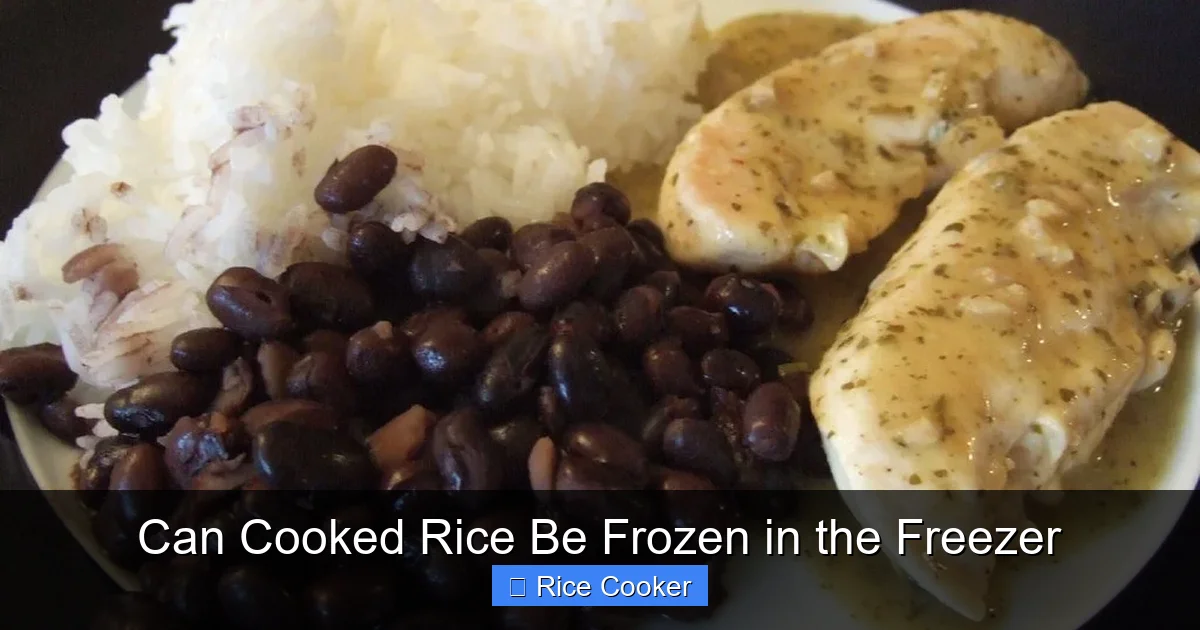
Can cooked rice be frozen in the freezer? Absolutely—yes, and it’s one of the easiest ways to reduce food waste and save time. Freezing cooked rice preserves its texture and taste, allowing you to enjoy meals like fried rice or stir-fries in minutes later. With proper storage techniques, your rice stays safe, flavorful, and ready when you need it.
Key Takeaways
- Yes, cooked rice can safely be frozen: When stored correctly, frozen rice remains safe to eat for up to 6 months without losing quality.
- Proper portioning prevents waste: Divide large batches into small portions before freezing so you only thaw what you need.
- Use airtight containers or freezer bags: This protects against freezer burn and maintains moisture while preventing cross-contamination.
- Label and date your containers: Keep track of how long the rice has been frozen to ensure optimal taste and safety.
- Reheating matters: Always reheat frozen rice thoroughly until steaming hot throughout to kill any potential bacteria.
- Freezing affects texture slightly: While rice freezes well, repeated freeze-thaw cycles may cause slight changes in consistency.
- Best types of rice freeze well: White rice typically holds up better than brown rice due to lower oil content and faster cooking times.
📑 Table of Contents
- Can Cooked Rice Be Frozen in the Freezer? The Complete Guide to Storing Leftover Rice Safely
- Why Freeze Cooked Rice?
- How Long Can You Store Cooked Rice in the Freezer?
- Step-by-Step Guide: How to Freeze Cooked Rice Correctly
- Common Mistakes to Avoid When Freezing Cooked Rice
- How to Thaw and Reheat Frozen Rice Safely
- Creative Uses for Frozen Cooked Rice
- Does Freezing Change the Texture of Rice?
- Food Safety Considerations
- Final Thoughts: Make Freezing Rice Part of Your Routine
Can Cooked Rice Be Frozen in the Freezer? The Complete Guide to Storing Leftover Rice Safely
Have you ever looked at a pot of perfectly cooked rice—only to realize you won’t finish it all by dinner time? Instead of tossing it out (and wasting good food), consider this: cooked rice can absolutely be frozen in the freezer. It’s not just possible—it’s practical, cost-effective, and surprisingly easy. Whether you’re meal prepping for the week or simply want to avoid kitchen waste, freezing your leftover rice is a smart strategy that many home cooks overlook.
In this comprehensive guide, we’ll walk you through everything you need to know about freezing cooked rice. From understanding food safety to mastering storage techniques and reheating methods, you’ll learn how to keep your rice fresh, flavorful, and ready whenever hunger strikes. We’ll also explore which types of rice freeze best, common mistakes to avoid, and even creative ways to use frozen rice beyond plain reheats. By the end, you’ll feel confident saying yes—not only can you freeze cooked rice, but you should!
Why Freeze Cooked Rice?
Reducing Food Waste
Every year, millions of pounds of cooked rice end up in landfills because people don’t know how to store it properly. But here’s the truth: rice isn’t spoiled when leftovers remain. With proper freezing, those extra servings stay edible and delicious for weeks—or even months. Freezing cooked rice is an eco-friendly habit that benefits both your wallet and the environment. Plus, it gives you peace of mind knowing you’re making the most of every ingredient.
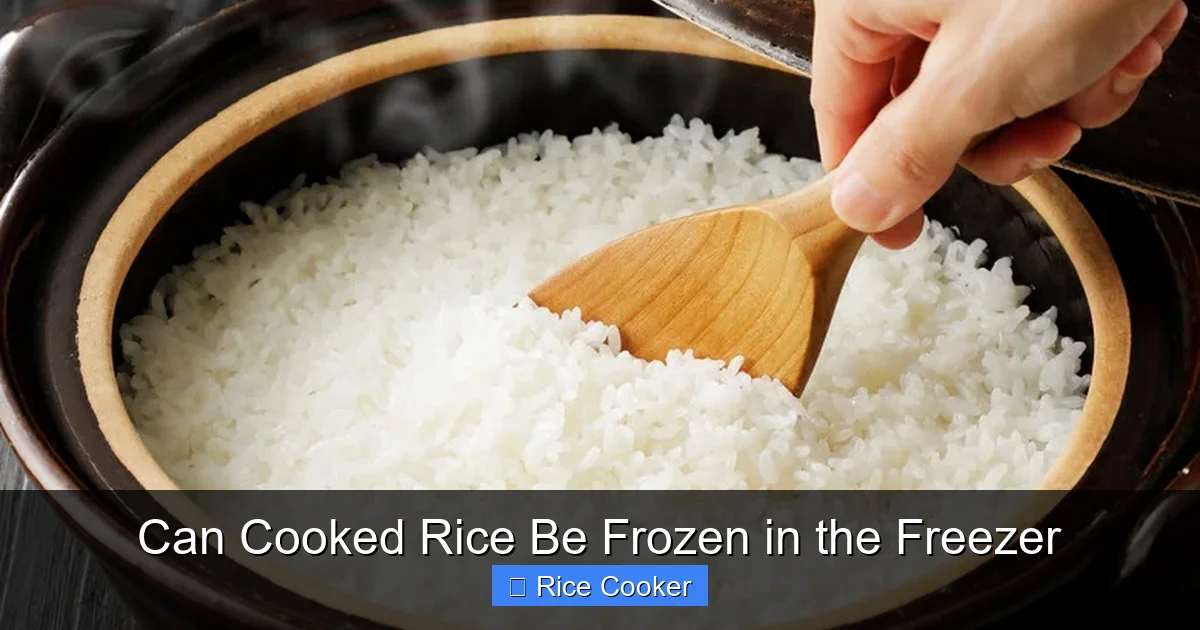
Visual guide about Can Cooked Rice Be Frozen in the Freezer
Image source: mashed.com
Convenience for Meal Prep
Imagine waking up on a busy Monday morning with no time to cook breakfast. No problem—just grab a portion of frozen rice, thaw it quickly, and toss it into a pan with some scrambled eggs and veggies for a fast, satisfying meal. That’s the power of freezing cooked rice. It turns leftovers into staples, turning last night’s dinner into tomorrow’s lunch with minimal effort. For families, busy professionals, or anyone who values convenience, this method transforms rice from a daily necessity into a versatile pantry ally.
Preserving Flavor and Texture
Many assume freezing ruins food, but with rice, that’s far from true—when done right. Unlike raw grains that absorb odors easily, cooked rice holds onto its natural flavor better when sealed tightly. Freezing slows down degradation, meaning your rice stays tender and aromatic instead of becoming dry or bland. Just remember: the key lies in proper storage and minimal exposure to air.
How Long Can You Store Cooked Rice in the Freezer?
General Guidelines
The U.S. Department of Agriculture (USDA) states that cooked rice can be safely stored in the freezer for up to six months. However, quality gradually declines after three months. Most experts recommend using frozen rice within four to six months for the best taste and texture. After that, while still safe, the rice may develop off-flavors or become slightly mushy upon reheating.
Factors That Affect Longevity
- Storage container quality: Airtight, leak-proof containers reduce moisture loss and contamination risks.
- Temperature consistency: Keep your freezer at 0°F (-18°C) or below to slow bacterial growth and preserve integrity.
- Initial cooling speed: Cooling rice quickly after cooking reduces the chance of harmful bacteria forming.
- Type of rice: White rice generally lasts longer than brown rice due to differences in oil content and structure.
Brown vs. White Rice Storage
While both types are safe to freeze, white rice tends to maintain better texture because it lacks the bran layer found in brown rice. Brown rice contains natural oils that can oxidize over time, leading to rancidity—even in the freezer. Still, if stored properly, brown rice can last up to six months without spoiling. Just monitor it closely after three months for any unusual smells.
Step-by-Step Guide: How to Freeze Cooked Rice Correctly
Step 1: Let the Rice Cool Slightly
Never put hot or warm rice directly into a freezer-safe container. Doing so raises the internal temperature of your freezer, causing other foods to thaw slightly and potentially spoil faster. Instead, spread the rice out in a shallow dish or tray and let it cool at room temperature for about 30–60 minutes. You want it to reach near-room temperature before sealing.
Step 2: Portion Into Small Batches
Divide the cooled rice into single-serving or family-sized portions based on your needs. Smaller portions freeze faster and thaw more evenly. Use measuring cups or standard containers (like mugs or small bowls) as guides. Avoid overfilling—leave about half an inch of headspace to allow expansion during freezing.
Step 3: Choose the Right Container
Opt for freezer-safe, airtight containers or heavy-duty freezer bags. Glass or plastic containers work well, but make sure they have secure lids. If using bags, squeeze out excess air before sealing to prevent freezer burn. Double-bagging offers extra protection but isn’t necessary if the first bag is tightly sealed.
Step 4: Label and Date Everything
Write the contents and date on each container using waterproof ink. Include details like “Basmati Rice – 5/10/24” so you can identify items easily. Clear labeling prevents confusion and ensures nothing gets forgotten in the back of the freezer.
Step 5: Freeze Flat for Efficiency
If using bags, lay them flat on a baking sheet until frozen solid. This allows them to stack neatly and take up less space. Once frozen, you can stand them upright for compact storage. For containers, place them side by side without stacking until fully frozen.
Common Mistakes to Avoid When Freezing Cooked Rice
Not Cooling Before Freezing
Skipping the cooling step forces your freezer to work harder and compromises the integrity of other frozen goods. It also increases condensation inside the container, which can dilute flavor and create ice crystals.
Overcrowding the Freezer
Placing too much rice in at once blocks airflow, making your freezer inefficient and risking uneven freezing. Always leave space between packages for proper circulation.
Using Non-Freezer-Safe Containers
Regular plastic containers or cardboard boxes aren’t designed for sub-zero temperatures. They may warp, crack, or leach chemicals into your food. Stick to labeled freezer containers or high-quality zip-top bags.
Ignoring Air Exposure
Even tiny gaps between rice and the lid allow air in, which leads to freezer burn. Press rice firmly against the container walls and remove all air from bags before sealing.
Failing to Label
Without dates and labels, you might accidentally eat rice that’s past its prime. Write clearly and include both content and date—use a permanent marker if needed.
How to Thaw and Reheat Frozen Rice Safely
Thawing Methods
- Refrigerator method (best): Move the sealed container from the freezer to the fridge 12–24 hours before use. This slow thawing preserves texture and prevents bacterial growth.
- Microwave defrost: Place rice in a microwave-safe dish, cover loosely with plastic wrap, and heat on low power in 30-second intervals until thawed. Stir between intervals.
- Cold water bath (quick option): Submerge the sealed bag in cold tap water for 15–20 minutes, changing water halfway through. Pat dry before heating.
Reheating Tips
Always reheat frozen rice until it reaches an internal temperature of 165°F (74°C). Microwave in short bursts with stirring to ensure even heating. Add a splash of water or broth if it seems dry—steam helps revive texture. For stovetop reheating, combine rice with a bit of liquid in a saucepan over medium heat, stirring frequently until heated through.
Enhancing Flavor During Reheat
To bring back moisture and depth, mix in sauces, herbs, spices, or a pat of butter while warming. Try soy sauce, sesame oil, or garlic powder for Asian-style fried rice. Vegetables, proteins, and cheese can also be added during reheating to create new dishes.
Creative Uses for Frozen Cooked Rice
Meal Prep Bowls
Portion rice into mason jars layered with beans, veggies, and protein. Seal, freeze, and thaw as needed. When ready, top with salsa, avocado, or hot sauce for instant taco night.
Rice Pudding & Desserts
Cook rice with milk, cinnamon, sugar, and raisins. Chill overnight, then freeze individual servings. Thaw and top with nuts or caramel for a comforting dessert.
Burgers & Patties
Combine cooled rice with eggs, breadcrumbs, and seasonings to form patties. Freeze unbaked patties on a tray, then transfer to bags. Bake straight from frozen—no prep needed!
Breakfast Options
Scramble frozen rice with diced ham, onions, and cheese. Or blend it into pancake batter for savory waffles. It even works in quiches and frittatas.
Does Freezing Change the Texture of Rice?
What to Expect
Freezing doesn’t ruin rice—but it does alter its molecular structure slightly. Upon thawing, some grains may feel firmer or chewier than fresh-cooked rice. This is normal and usually resolved by adding moisture during reheating.
Minimizing Texture Changes
- Use freshly cooked rice for freezing—older rice becomes gummy.
- Avoid overcooking when reheating; stop once steaming hot.
- Add liquids like broth, milk, or even egg yolks to restore creaminess.
When Texture Matters Less
For dishes like fried rice, casseroles, or rice salads, minor texture changes are barely noticeable. In fact, some chefs prefer frozen rice because it absorbs flavors better after thawing.
Food Safety Considerations
Is It Safe to Freeze Cooked Rice?
Yes—as long as it’s handled correctly. The USDA confirms that properly stored cooked rice poses no health risks when frozen. However, improper handling (like letting it sit at room temperature too long) can lead to bacterial growth, especially from *Bacillus cereus*, which causes food poisoning.
Safe Handling Practices
- Cool rice quickly (within 2 hours).
- Store in airtight containers.
- Label with dates.
- Reheat thoroughly.
- Discard if it smells sour, slimy, or unusually colored.
Symptoms of Improperly Stored Rice
If your frozen rice develops an off-odor, unusual texture, or mold after thawing, discard it immediately. Trust your senses—if something feels wrong, it probably is.
Final Thoughts: Make Freezing Rice Part of Your Routine
Freezing cooked rice isn’t just about saving leftovers—it’s about embracing efficiency, sustainability, and culinary creativity. With simple steps and mindful storage, you can transform everyday rice into a flexible, reliable ingredient that supports your lifestyle. Whether you’re feeding a crowd, planning ahead, or just trying to cut down on waste, this method checks all the boxes.
Next time you make a big batch of rice, don’t hesitate—freeze the extras. Your future self will thank you when dinner calls but cooking feels impossible. And who knows? You might discover a new favorite recipe born from frozen leftovers.
Frequently Asked Questions
Can I freeze cooked rice immediately after cooking?
No, you shouldn’t freeze rice right after cooking. Let it cool to room temperature first to prevent raising your freezer’s temperature and to avoid condensation inside the container. Cooling takes about 30–60 minutes.
How do I know if frozen rice is still safe to eat?
Check for signs of spoilage after thawing: sour smell, slimy texture, discoloration, or mold. If none of these are present and the rice was stored properly, it’s likely safe. When in doubt, throw it out.
Can I refreeze rice that has already been thawed?
It’s not recommended. Once thawed and reheated, rice should be eaten immediately. Refreezing increases the risk of bacterial growth and degrades quality significantly.
Does freezing rice affect its nutritional value?
Freezing doesn’t destroy nutrients. While some vitamins may degrade slowly over time, the overall nutritional profile remains intact. Proper storage minimizes any loss.
Can I freeze rice with sauce or toppings already added?
Yes, but be cautious. Sauces can separate or thicken when frozen. Stir well after thawing and reheat thoroughly. Avoid highly acidic sauces like citrus-based dressings, as they may affect texture.
What’s the best way to store rice in the freezer for quick access?
Use flat freezer bags and label them clearly. Lay them flat until frozen, then stack vertically. This saves space and makes it easy to grab single servings without thawing everything at once.