
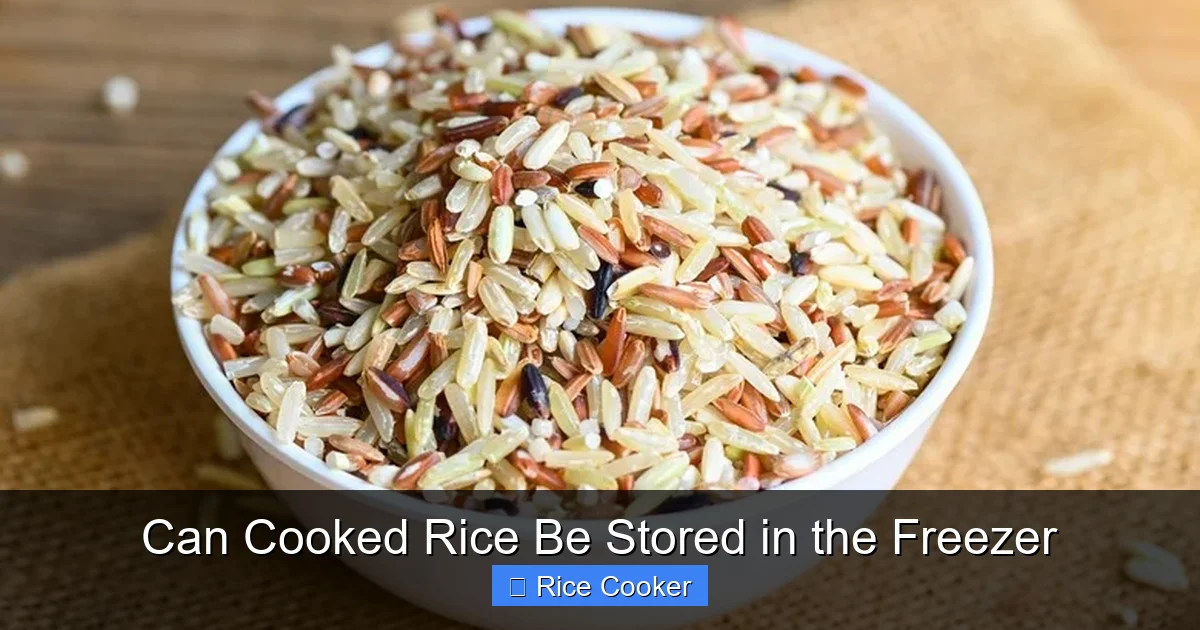
Can cooked rice be stored in the freezer? Absolutely! Freezing cooked rice is a smart way to preserve its freshness, extend shelf life, and cut down on food waste. With proper preparation and storage, frozen rice stays safe for up to 3 months and can be reheated into fluffy, delicious meals with minimal effort.
Key Takeaways
- Freezing extends shelf life: Cooked rice can safely be stored in the freezer for up to 3 months without losing quality or safety.
- Proper packaging is key: Use airtight containers or heavy-duty freezer bags to prevent freezer burn and moisture loss.
- Portion control saves time: Divide rice into meal-sized portions before freezing for easy reheating later.
- Thawing method matters: Thaw rice in the refrigerator overnight or use the defrost setting on your microwave to maintain texture.
- Reheating brings back flavor: Add a splash of water or cover with a damp paper towel when microwaving to restore moisture and fluffiness.
- Safety first: Never refreeze rice that has been thawed at room temperature—always thaw it safely to avoid bacterial growth.
- Ideal for batch cooking: Freeze leftover rice from meal prep or big dinners to save time during busy weekdays.
📑 Table of Contents
- Can Cooked Rice Be Stored in the Freezer?
- The Science Behind Freezing Cooked Rice
- Best Practices for Freezing Cooked Rice
- Creative Ways to Use Frozen Rice
- Thawing and Reheating Frozen Rice
- Common Mistakes to Avoid
- Comparing Freezing vs. Refrigeration
- Special Considerations: Brown Rice vs. White Rice
- Environmental and Economic Benefits
- Final Thoughts: Should You Freeze Your Cooked Rice?
Can Cooked Rice Be Stored in the Freezer?
You’ve just finished a delicious dinner of stir-fried vegetables and tender chicken over a bed of perfectly steamed jasmine rice. But now you’re faced with a common dilemma: what do I do with the leftovers? If you’re like most home cooks, you might toss the extra rice in the fridge, hoping it will last until tomorrow. But did you know there’s an even better way to preserve it? Yes, you guessed it—freezing cooked rice.
Storing cooked rice in the freezer isn’t just possible; it’s one of the most effective ways to keep your grains fresh, reduce waste, and save time on future meals. Whether you’re meal prepping for the week or simply want to avoid throwing away perfectly good food, freezing rice is a game-changer. In this comprehensive guide, we’ll walk you through everything you need to know about freezing cooked rice—from safety tips and best practices to creative uses and reheating techniques. By the end, you’ll never look at your leftover rice the same way again.
The Science Behind Freezing Cooked Rice
Why Freezing Works
When you freeze food, especially starchy ones like rice, the process essentially pauses spoilage by slowing down bacterial activity. Rice contains natural starches that break down over time, which is why freshly cooked rice tends to be firmer and more flavorful than day-old or older rice. Freezing halts this process, locking in both taste and texture.
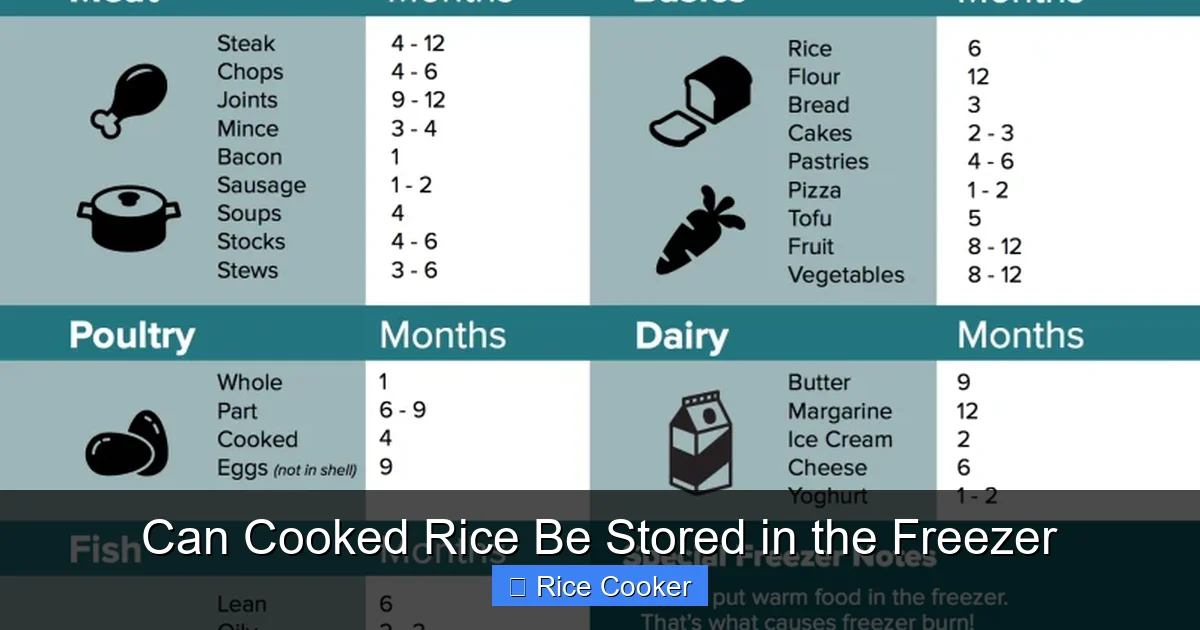
Visual guide about Can Cooked Rice Be Stored in the Freezer
Image source: res.cloudinary.com
But here’s a fun fact: rice is actually one of the easiest foods to freeze successfully. Unlike meats or dairy, which can develop off-flavors or separate when frozen, rice maintains its structure remarkably well—especially if handled properly. The key lies in how quickly you cool and package the rice. Rapid cooling prevents the formation of large ice crystals, which can damage cell walls and lead to mushiness upon thawing.
How Long Does Frozen Rice Last?
According to the USDA and food safety experts, cooked rice can be safely stored in the freezer for up to 3 months. After that, while it won’t necessarily spoil, quality begins to decline. You might notice changes in texture—perhaps slight dryness or a softer bite—but it remains edible and safe to eat.
For best results, label your containers with the date so you can rotate your stock. Think of it like a pantry inventory system for your freezer. This simple habit ensures you always use the oldest batches first and avoid any confusion down the line.
Best Practices for Freezing Cooked Rice
Cooling Before Freezing
This step is crucial. Never place hot or warm rice directly into a freezer-safe container and seal it tightly. Doing so traps steam, creating condensation inside the bag or container. When that moisture freezes, it turns into ice, which can cause freezer burn or make the rice soggy once thawed.
Instead, spread the cooked rice out in a thin layer on a baking sheet or shallow dish. Let it cool at room temperature for about 30–60 minutes, stirring occasionally. Once it reaches room temperature, transfer it to your chosen storage container. This two-step process minimizes ice crystal formation and preserves texture.
Choosing the Right Containers
Not all containers are created equal when it comes to freezing. Avoid using regular plastic wrap or aluminum foil alone—they don’t create an airtight seal and allow air (and odors) to seep in.
Opt for one of these options instead:
- Airtight plastic containers with lids: Great for portion control and stacking.
- Heavy-duty freezer bags: Lay flat to save space and remove as much air as possible before sealing.
- Silicone freezer trays: Perfect for making rice cubes—ideal for quick stir-fries or soups.
Whatever you choose, leave a little headspace (about half an inch) at the top. As liquids expand when frozen, too much pressure can warp containers or crack lids.
Labeling and Portioning
Imagine opening your freezer only to find a giant block of rice that you have no idea how much is inside. Messy, right? That’s why portioning is essential.
Divide your cooled rice into meal-sized servings—usually 1 cup per person works well. Use small containers or bags so you can thaw exactly what you need without wasting anything. Label each with the date and contents (e.g., “Brown Rice – Oct 5”). This also helps track how long it’s been stored.
Creative Ways to Use Frozen Rice
Meal Prep Powerhouse
If you follow a weekly meal prep routine, frozen rice is your secret weapon. Pre-cook a large batch of rice on Sunday, divide it into containers, and tuck them into the freezer. Then, during the week, grab a portion, thaw it, and combine it with whatever proteins or veggies you have on hand. Voilà—instant stir-fry, fried rice, or even rice bowls!
Pro tip: Add a teaspoon of oil or butter to each portion before freezing. It prevents the rice from drying out and adds subtle richness when reheated.
Emergency Food Supply
Life happens. Sometimes you’re too tired to cook, or you run out of fresh ingredients. Having a stash of frozen rice in your freezer means you’re never completely stranded. Pair it with canned beans, frozen veggies, or pre-cooked chicken for a fast, nutritious meal.
Baking and Breading
Crushed frozen rice makes an excellent coating for fish or chicken. Just pulse it in a food processor until it resembles breadcrumbs, then dip your protein in egg and coat with the crumbs. Bake or fry for crispy, golden perfection. Bonus: it’s gluten-free!
Thawing and Reheating Frozen Rice
Safe Thawing Methods
There are three main ways to thaw frozen rice:
- Refrigerator overnight: Slow but safest. Place the container in the fridge for 8–12 hours. This method keeps the rice at a consistent cold temperature and prevents bacterial growth.
- Microwave defrost: Fastest option. Use the defrost setting on your microwave, checking and stirring every 30 seconds until thawed. Note: rice may start to cook slightly during this process.
- Cold water bath: Submerge the sealed bag in cold tap water for 20–30 minutes. Change the water every 10 minutes to keep it cold. This is ideal if you forgot to plan ahead.
Avoid letting rice sit at room temperature for more than 2 hours—bacteria multiply rapidly between 40°F and 140°F (the “danger zone”). If your rice has been thawing outside the fridge beyond that window, discard it.
Restoring Flavor and Texture
Even the best-thawed rice can sometimes feel a bit dry or compacted. Don’t worry—you can easily bring it back to life.
Here’s a foolproof trick: Place the thawed rice in a microwave-safe bowl, sprinkle a tablespoon of water over it, cover with a damp paper towel or vented lid, and heat in 30-second intervals. The moisture steams the rice gently, restoring fluffiness. Alternatively, toss it in a skillet with a drizzle of oil and a pinch of salt over medium heat, stirring frequently for 3–5 minutes.
Common Mistakes to Avoid
Freezing Too Much at Once
While it’s tempting to cook a huge pot of rice and freeze it all, doing so can lead to uneven cooling and potential food safety risks. Large volumes take longer to chill, increasing the chance of bacterial growth. Stick to smaller batches for optimal results.
Skipping the Cooling Step
As mentioned earlier, skipping the cooling phase is a major no-no. Hot rice creates condensation, which leads to ice crystals and degraded quality. Always let it cool before freezing.
Using Improper Packaging
Plastic wrap doesn’t hold up well in the freezer. It can tear, and it doesn’t seal tightly enough to prevent air exposure. Invest in proper freezer-safe gear—your future self will thank you.
Overlooking Rotation
Just because rice lasts 3 months doesn’t mean you should hoard it. Rotate your stock regularly. Use the oldest batches first, and don’t be afraid to freeze new rice even if you still have some in the fridge. FIFO (First In, First Out) keeps things fresh and organized.
Comparing Freezing vs. Refrigeration
So why choose freezing over refrigeration—or vice versa?
Refrigeration: Best for short-term storage (up to 4 days). Ideal if you’ll eat the rice within a few days. However, rice loses quality quickly due to starch retrogradation, becoming firmer and less flavorful.
Freezing: Superior for long-term preservation (up to 3 months). Maintains texture and taste far better than refrigeration. Requires planning ahead but offers unmatched convenience for meal prep and bulk cooking.
In most cases, if you won’t consume rice within a few days, freezing is the clear winner.
Special Considerations: Brown Rice vs. White Rice
Both types freeze beautifully, but there are slight differences to note.
White Rice
White rice freezes exceptionally well. Its high starch content holds up nicely, and it retains a light, fluffy texture after thawing. Because it lacks the bran and germ found in brown rice, it doesn’t oxidize as quickly, meaning it stays fresher longer.
Brown Rice
Brown rice is heart-healthier thanks to its fiber and nutrients—but it’s also more prone to drying out and developing off-flavors over time. To combat this, consider adding a bit of oil (like coconut or avocado oil) to each portion before freezing. This acts as a protective barrier against moisture loss.
Also, brown rice typically takes longer to cook initially, so adjust your prep time accordingly if you’re cooking from dry rice before freezing.
Environmental and Economic Benefits
Beyond practicality, freezing cooked rice offers real-world advantages:
- Reduces food waste: Up to 30% of food goes uneaten in the U.S. annually. Freezing leftovers cuts down dramatically.
- Saves money: Buying rice in bulk and storing it properly reduces grocery costs.
- Lowers carbon footprint: Less food thrown away means fewer resources used in production and disposal.
It’s a win-win for your wallet, your health, and the planet.
Final Thoughts: Should You Freeze Your Cooked Rice?
Absolutely. Freezing cooked rice is a simple, science-backed technique that enhances convenience, safety, and sustainability. Whether you’re a busy parent, a student, or someone who loves meal prep, having a freezer full of ready-to-use rice transforms how you handle leftovers and plan meals.
With the right tools and a few mindful steps—cooling, packaging, labeling—you can enjoy perfectly textured rice anytime. And the best part? No more guilt over tossing out stale grains. Embrace the freezer, and turn every last grain into a tasty, satisfying bite.
Frequently Asked Questions
Can you freeze cooked rice in Ziploc bags?
Yes, but only if they’re heavy-duty freezer bags. Regular Ziploc bags aren’t thick enough and may tear. Make sure to squeeze out excess air before sealing to prevent freezer burn.
How long does frozen rice stay good?
Frozen cooked rice remains safe and retains quality for up to 3 months. After that, while still edible, texture and flavor may begin to degrade.
Can you freeze rice immediately after cooking?
No. Allow rice to cool to room temperature first. Placing hot rice directly in the freezer traps moisture, leading to ice crystals and poor texture.
Do you need to add oil to rice before freezing?
Not strictly necessary, but recommended. A small amount of oil (like vegetable or coconut) helps prevent dryness and improves flavor when reheated.
Is it safe to refreeze thawed rice?
Only if the rice was thawed in the refrigerator or microwave and consumed within a few days. If it’s been sitting at room temperature for more than 2 hours, discard it to avoid food poisoning.
What’s the best way to reheat frozen rice?
Microwave with a splash of water and a damp paper towel over the bowl. Stir halfway through for even heating. For stovetop lovers, sauté with a bit of oil over low heat, stirring constantly.