
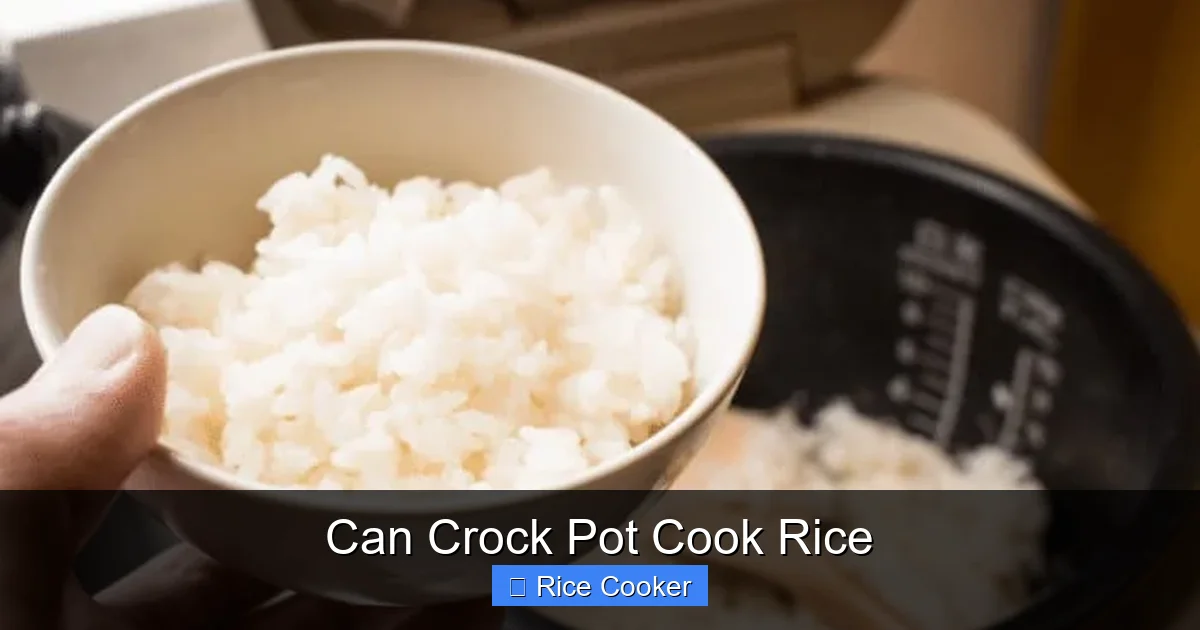
Yes, a crock pot can cook rice, but it requires careful attention to water-to-rice ratios and cooking times. While not as precise as a dedicated rice cooker, a slow cooker can produce fluffy, flavorful rice when used correctly.
Can Crock Pot Cook Rice?
If you’re like most home cooks, you probably own a crock pot—that trusty slow cooker sitting on your counter, waiting for those one-pot meals that simmer all day while you’re at work. You’ve made stews, soups, chili, and even roasts. But have you ever wondered: Can I cook rice in my crock pot? The answer is yes—but with some caveats. Unlike a dedicated rice cooker, which uses precise heat control and steam management, a crock pot relies on low-and-slow simmering. That doesn’t mean it can’t work. With the right technique, patience, and understanding of how moisture and heat interact, you can turn out perfectly cooked rice in your slow cooker.
In this guide, we’ll walk through everything you need to know about cooking rice in a crock pot. From choosing the right type of rice to mastering the water ratio, from troubleshooting mushy results to adding flavor, we’ll cover it all. Whether you’re meal prepping for the week, cooking for a large family, or just tired of buying boxed rice meals, learning how to cook rice in your crock pot could save you time, money, and effort.
Key Takeaways
- Crock pots can cook rice successfully with the right technique and timing.
- Water ratio is critical—typically 1:1.5 to 1:2 (rice to water), depending on grain type.
- Pre-soaking rice improves texture and reduces cooking time in a slow cooker.
- Natural release after cooking helps prevent mushiness and ensures even absorption.
- Not all rice types work equally well; long-grain white rice performs better than short-grain or brown rice.
- Use the “Keep Warm” function cautiously—it’s best for short-term holding, not extended warmth.
- Cleaning and maintenance matter—crock pot liners are non-stick but require gentle care.
Quick Answers to Common Questions
Can I cook brown rice in a crock pot?
Yes, but it requires more water and longer cooking time. Soak the rice overnight and use a 1:2.5 ratio (rice to water).
Do I need to soak rice before cooking in a crock pot?
Soaking isn’t mandatory but helps reduce cooking time and improves texture by allowing the grains to absorb water beforehand.
How do I prevent rice from burning in the crock pot?
Stir occasionally, avoid metal utensils, and consider placing a small dish at the bottom to reduce direct heat exposure.
Can I add seasonings directly to the rice while cooking?
Absolutely! Add salt, spices, or herbs along with the water for infused flavor.
Is it safe to leave rice on the “Keep Warm” setting for hours?
No. The “Keep Warm” function isn’t designed for long-term storage. Refrigerate leftovers within 1 hour to ensure food safety.
📑 Table of Contents
- The Basics: Can a Crock Pot Really Cook Rice?
- Choosing the Right Type of Rice for Your Crock Pot
- Perfecting the Water-to-Rice Ratio
- Step-by-Step Guide: How to Cook Rice in a Crock Pot
- Troubleshooting Common Crock Pot Rice Problems
- Flavor Enhancements and Creative Uses
- Comparing Crock Pot vs. Rice Cooker: Which Is Better?
- Final Tips for Success
The Basics: Can a Crock Pot Really Cook Rice?
Let’s start with the most important question: Is it possible? Absolutely. A crock pot is essentially a sealed vessel that slowly heats ingredients over several hours. When you add rice and water, the heat causes the grains to absorb moisture and expand. Over time, the starch gelatinizes, turning the liquid into a soft, fluffy consistency—just like in a rice cooker.
However, unlike a rice cooker, which typically uses high heat for a short burst followed by a keep-warm cycle, a crock pot maintains a steady, low temperature throughout the cooking process. This means rice takes longer to cook—usually 60 to 90 minutes on low, or 30 to 45 minutes on high. But more importantly, the lack of direct steam release and the absence of a built-in timer for phase changes (like switching from cook to warm) can make results inconsistent if you don’t pay attention.
That said, many people have had great success using their crock pots for rice, especially when preparing meals like jambalaya, fried rice, or even simple side dishes. It all comes down to preparation, monitoring, and knowing your equipment.
Choosing the Right Type of Rice for Your Crock Pot
Visual guide about Can Crock Pot Cook Rice
Image source: cookingtipsblog.com
Not all rice is created equal—especially when it comes to slow cooking. Some varieties absorb too much water and turn to mush, while others stay undercooked. Here’s a quick breakdown of the best rice types for crock pot use:
Long-Grain White Rice
This is your best bet. Long-grain white rice, like Basmati or Jasmine, has a lower starch content compared to short-grain varieties, so it resists becoming gummy. It also absorbs water well without falling apart. Because it’s less sticky, it’s easier to fluff and serve later.
Medium-Grain White Rice
Also works reasonably well. Varieties like Calrose rice (common in the U.S.) hold their shape better than short-grain rice and cook evenly in a slow cooker. Just be sure not to overcook—medium-grain rice can get soft quickly.
Brown Rice
Technically possible, but challenging. Brown rice has a tough outer bran layer that slows down water absorption, meaning it needs more time and often more liquid. Even then, it may remain slightly chewy. If you want to try it, soak it overnight and increase the water ratio to 1:2.5 or higher.
Short-Grain or Sushi Rice
Generally not recommended. These rice types are designed to be sticky and clumpy when cooked—perfect for sushi or risotto, but terrible in a crock pot. They tend to form a dense, glue-like mass unless you stir constantly, which defeats the purpose of slow cooking.
Instant or Parboiled Rice
These are already partially pre-cooked, so they can work in a crock pot—but only if added near the end of the cooking process. Otherwise, they’ll dissolve into the liquid.
For beginners, stick with long-grain white rice. It’s forgiving, widely available, and delivers consistent results.
Perfecting the Water-to-Rice Ratio
Visual guide about Can Crock Pot Cook Rice
Image source: eatingonadime.com
One of the biggest challenges in crock pot rice is getting the water right. Too little, and your rice will be dry and chalky. Too much, and it becomes soupy and mushy. Here’s the general rule of thumb:
– **White rice**: 1 cup rice to 1.5 cups water (1:1.5)
– **Brown rice**: 1 cup rice to 2.5 cups water (1:2.5)
But remember: these are estimates. Your crock pot might be hotter or cooler than others, and altitude can affect boiling points. The key is to start with a conservative amount of water and adjust based on experience.
Here’s a tip: After the rice finishes cooking, let it sit for 10–15 minutes with the lid off. This allows excess moisture to evaporate, helping achieve the right texture. You can also uncover the pot during the last 10 minutes of cooking to reduce steam and thicken the liquid.
Step-by-Step Guide: How to Cook Rice in a Crock Pot
Ready to give it a try? Follow these simple steps for foolproof rice:
1. **Rinse the Rice**
Rinse 1 cup of long-grain white rice under cold water until the water runs clear. This removes excess starch and prevents clumping.
2. **Add Ingredients to the Crock Pot**
Place the rinsed rice in the insert. Add 1.5 cups of water (or your preferred ratio). For extra flavor, add a pinch of salt, a teaspoon of butter, or a splash of broth.
3. **Cook on Low or High**
– **Low setting**: 60–90 minutes
– **High setting**: 30–45 minutes
Note: High heat can cause the bottom of the rice to burn. If you use high, stir occasionally or place a wooden spoon across the top of the pot to prevent sticking.
4. **Check for Doneness**
After the timer goes off, fluff the rice with a fork. If it’s still crunchy, cover and cook for another 10–15 minutes.
5. **Let It Rest**
Turn off the crock pot and let the rice sit, uncovered, for 10 minutes. This helps redistribute moisture and makes fluffing easier.
6. **Serve Immediately or Keep Warm**
Use the “Keep Warm” function for up to an hour if needed. Avoid leaving rice on warm for more than 2 hours to prevent bacterial growth.
Troubleshooting Common Crock Pot Rice Problems
Even with the best intentions, things can go wrong. Here’s how to fix the most common issues:
Rice Is Mushy or Sticky
This usually means too much water or overcooking. Next time, reduce the water by ¼ cup and check doneness earlier. Also, avoid stirring too much—gentle folding is enough.
Rice Is Undercooked or Hard
Too little water or insufficient cooking time. Increase water slightly or extend cooking time in 10-minute increments. Stirring once halfway through can help distribute heat.
Burned Bottom Layer
This happens because the bottom of the crock pot gets hotter than the sides. To prevent it:
– Use a wooden or silicone spatula instead of metal.
– Stir occasionally.
– Place a small dish or trivet at the bottom (not recommended for ceramic inserts).
Water Doesn’t Absorb Fully
Some crock pots retain moisture better than others. If your rice is wet after resting, transfer it to a baking sheet and broil for 5 minutes to evaporate excess steam.
Lid Won’t Seal Properly
Ensure the rubber gasket is clean and undamaged. A loose lid allows steam to escape, affecting texture.
Flavor Enhancements and Creative Uses
Cooking rice in a crock pot isn’t just about sustenance—it’s about flavor. Since the rice sits in liquid for a long time, it absorbs spices, herbs, and aromatics beautifully. Try these ideas:
– Add diced onions, garlic, and ginger before cooking for a fragrant base.
– Stir in frozen peas, carrots, or corn during the last 20 minutes.
– Cook chicken broth instead of water for extra depth.
– Infuse with bay leaves, cumin, or turmeric for global flavors.
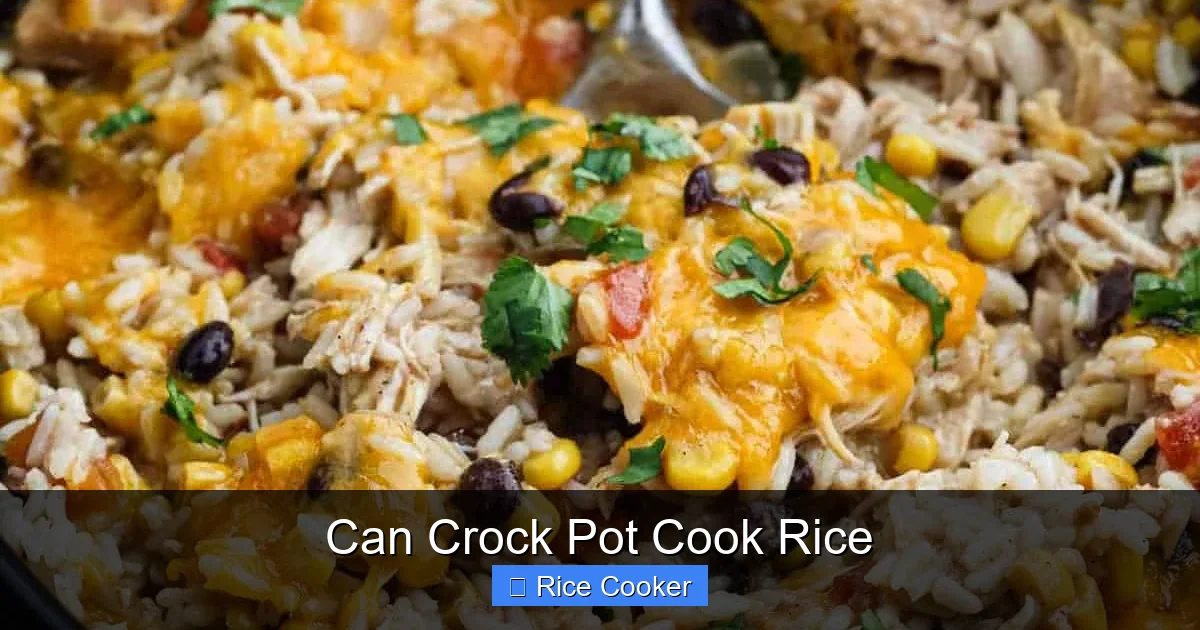
– Make a one-pot meal by adding cooked beans, shredded meat, or vegetables.
You can even turn your crock pot into a rice-based dessert. For example, cook Arborio rice with milk, sugar, cinnamon, and raisins on low for 2–3 hours for a creamy rice pudding.
Comparing Crock Pot vs. Rice Cooker: Which Is Better?
Now, here’s the honest truth: a rice cooker will almost always outperform a crock pot when it comes to plain white rice. Why?
– **Precision**: Rice cookers switch from boil to simmer automatically.
– **Steam release**: They vent excess moisture, preventing mushiness.
– **Timer and sensor technology**: Built-in features detect when rice is done.
– **Consistency**: Every batch turns out the same.
But a crock pot wins in versatility. Want to make jambalaya, curry, or a hearty casserole? The crock pot handles it all. And if you already own one, why buy another appliance?
So ask yourself: Do you need perfect, fluffy rice every single time? Get a rice cooker. Do you want flexibility and convenience for multiple dishes? Stick with your crock pot—and master the rice technique.
Final Tips for Success
– **Don’t skip rinsing**: It’s essential for removing starch.
– **Use a timer**: Crock pots vary in performance; don’t rely solely on the default cycle.
– **Experiment gradually**: Start with small batches to dial in your ratios.
– **Clean your liner gently**: Scrub with a sponge, not abrasive tools, to preserve the non-stick surface.
– **Store leftovers properly**: Cool rice within 1 hour and refrigerate in airtight containers.
With practice, cooking rice in your crock pot becomes second nature. It’s not magic—just science, patience, and a little trial and error.
Frequently Asked Questions
What’s the best type of rice for crock pot cooking?
Long-grain white rice works best due to its low starch content and resistance to becoming mushy during slow cooking.
How much water should I use per cup of rice?
For white rice, use 1.5 cups of water per cup of rice. Adjust based on your model and desired texture.
Can I cook other grains in a crock pot besides rice?
Yes, but options are limited. Quinoa, barley, and oats can work with adjusted ratios and cooking times.
Why does my rice come out sticky even after rinsing?
Overcooking or too much water can cause stickiness. Try reducing water by ¼ cup and checking doneness earlier.
Should I stir the rice while it’s cooking?
Gentle stirring once halfway helps distribute heat, but avoid constant stirring as it breaks down the grains.
Can I cook rice in a crock pot with meat or vegetables?
Yes, especially in dishes like jambalaya or biryani. Add meat early, rice toward the end, and follow layered cooking instructions.