
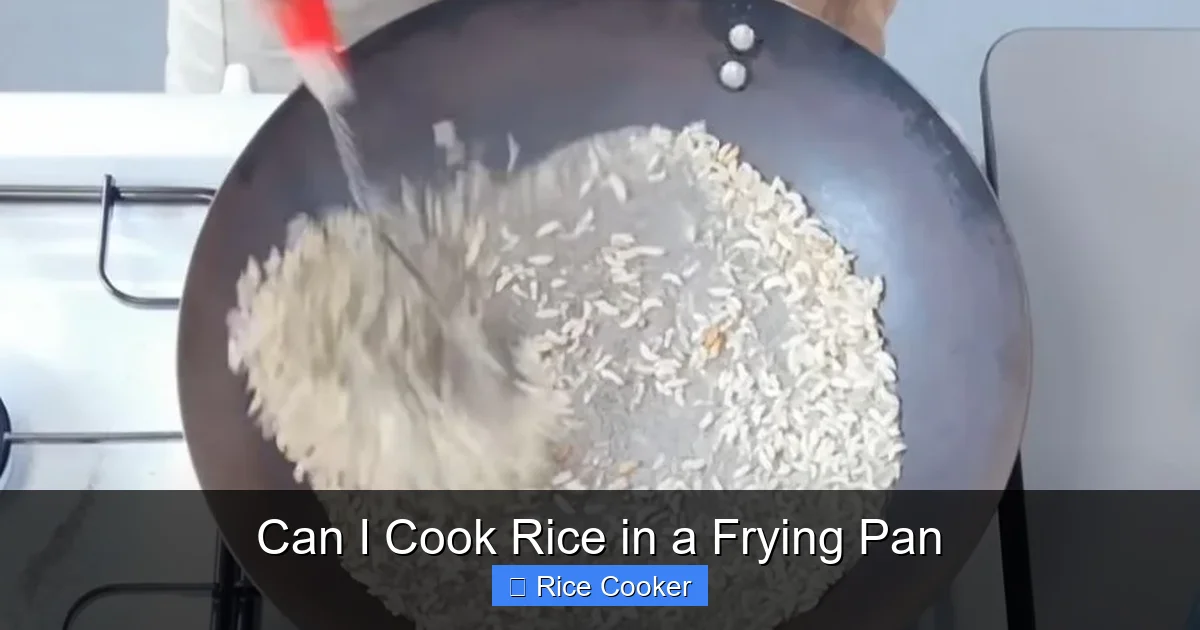
Absolutely, you can cook rice in a frying pan—it’s a simple, effective method that works great for small batches or when your rice cooker isn’t available. This technique gives you fluffy, evenly cooked grains every time, especially if you follow the right steps. Whether you’re making a quick side dish or just want to try something new, using a frying pan is totally doable with a little know-how.
Key Takeaways
- Yes, it’s possible: You can absolutely cook rice in a frying pan, and many people prefer it for small batches or convenience.
- Use the right pan: A heavy-bottomed skillet with a lid works best to distribute heat evenly and trap steam.
- Measure carefully: The 1:2 ratio (1 cup rice to 2 cups water) is key—too much or too little liquid changes everything.
- Simmer, don’t boil: After bringing to a boil, reduce heat and cover to let the rice absorb moisture slowly.
- Rest before fluffing: Let the rice sit off the heat for 5–10 minutes after cooking for perfect separation.
- Tip for stickiness: Rinse rice before cooking and use a wooden spoon to break up clumps at the end.
- Works for most types: White rice, jasmine, basmati, and even brown rice can be cooked this way with slight adjustments.
[FEATURED_IMAGE_PLACEHOLDER]
Can I Cook Rice in a Frying Pan? Yes, Here’s How!
You’ve probably seen those viral videos where someone cooks a perfect pot of rice on the stove—no fancy equipment needed. And honestly, it’s not magic. It’s science, technique, and a few helpful kitchen hacks. One of the most common questions I get is: *Can I cook rice in a frying pan?* And the short answer is yes—you absolutely can. In fact, many home cooks swear by this method because it’s quick, easy, and doesn’t require special tools.
But before we dive into the how-to, let’s talk about why someone might even consider cooking rice in a frying pan in the first place. Maybe your rice cooker broke. Maybe you’re meal prepping for one person and don’t want to make a full batch. Or maybe you just love the idea of using what’s already in your kitchen. Whatever the reason, frying pans aren’t just for frying eggs or searing steaks—they’re surprisingly versatile.
The key to success lies in understanding how rice cooks. Unlike boiling pasta or simmering soup, rice needs steady, indirect heat and a controlled amount of steam to turn raw starchy kernels into fluffy, separate grains. A frying pan with a tight-fitting lid can mimic the conditions of a rice cooker by trapping steam and distributing heat evenly across the bottom.
Why Use a Frying Pan Instead of a Rice Cooker?
Let’s be real: rice cookers are awesome. They’re programmable, keep rice warm for hours, and usually give consistent results. But they’re also bulky, expensive, and not always necessary. So why reach for a frying pan?
- Convenience: If your rice cooker is broken or you’re in a hurry, a frying pan gets the job done fast. For tips on using your rice cooker safely, see our guide on leaving the rice cooker on warm.
- Small batches: Need only half a cup of rice? A frying pan handles small quantities better than a large pot.
- Multi-purpose use: Once you’ve mastered rice, you can sauté veggies or scramble eggs in the same pan without extra cleanup.
- Less clutter: No need to store a separate appliance—just use what’s already on your stovetop.
Of course, there are trade-offs. A rice cooker does the thinking for you, adjusting heat automatically and keeping everything warm. With a frying pan, you’re hands-on. But for most everyday meals, the difference in outcome isn’t huge—especially if you follow the right steps.
What Kind of Frying Pan Should I Use?
Not all frying pans are created equal when it comes to cooking rice. Here’s what to look for:
Heavy Bottom
A thick, heavy base (like stainless steel or cast iron) ensures even heat distribution. Thin pans tend to burn rice on the bottom while leaving the top undercooked.
Lid That Fits Tightly
Steam is your best friend when cooking rice. A well-fitting lid traps moisture and helps the grains cook evenly. Glass lids are fine, but metal ones with silicone or rubber rims seal better.
Suitable Size
Choose a pan that’s 8 to 10 inches in diameter—large enough to spread the rice out but not so big that it becomes difficult to manage. Avoid deep skillets; a shallow one works better for rice.
Non-Stick vs. Stainless Steel
Both work, but non-stick pans make cleanup easier—especially if you’re worried about sticking. Just avoid metal utensils that could scratch the surface.
The Basic Method: Step-by-Step Guide
Ready to give it a try? Follow these simple steps:
1. Rinse the Rice (Optional but Recommended)
Washing rice removes excess starch, which prevents clumping. Place your rice in a fine-mesh strainer and rinse under cold water until the water runs clear.
2. Add Water and Heat
In your frying pan, combine 1 part rice with 2 parts water (e.g., 1 cup rice + 2 cups water). For brown rice, use 2.5 parts water. Bring the mixture to a boil over medium-high heat.
3. Reduce Heat and Simmer
Once boiling, lower the heat to low. Cover the pan tightly and let it simmer for about 15–20 minutes (white rice) or 30–40 minutes (brown rice). Don’t peek!
4. Turn Off Heat and Rest
After simmering, turn off the heat and let the rice sit, covered, for 5–10 minutes. This allows residual steam to finish cooking the rice gently.
5. Fluff and Serve
Use a fork or wooden spoon to fluff the rice. Break up any clumps and serve immediately.
Tips for Perfect Rice Every Time
Even experienced cooks can struggle with mushy or dry rice. Here are some pro tips:
Measure Accurately
Use measuring cups, not guesswork. Too much water = soggy rice. Too little = crunchy, undercooked grains.
Don’t Lift the Lid
Every time you lift the lid, you lose precious steam. Keep it closed during the entire cooking process.
Use a Wooden Spoon to Break Clumps
At the end, gently press down with a fork or spoon to separate grains without crushing them.
Try the “Water Level” Trick
After adding water, bring it to a boil, then drop the heat to low. The water should barely bubble—like a gentle simmer.
Brown Rice Takes Longer
Brown rice has more fiber and takes longer to absorb water. Increase water slightly and extend cooking time by 10–15 minutes.
Can You Cook Other Types of Rice in a Frying Pan?
Absolutely! While white long-grain rice is the easiest to start with, you can adapt this method for other varieties.
Jasmine and Basmati Rice
These aromatic rices work well because they have a fluffy texture when cooked properly. Use the same 1:2 ratio and rinse before cooking to remove excess starch.
Brown Rice
Requires more water (about 2.5 cups per 1 cup rice) and longer cooking time (35–40 minutes). Be patient—it’s worth it!
Wild Rice
Cooks faster than brown rice (about 45–60 minutes) and benefits from soaking beforehand to speed up cooking.
Instant Rice Mixes
Most instant mixes are designed for stovetop cooking. Just follow package instructions—usually just add hot water and wait.
Common Mistakes to Avoid
Even with the right technique, mistakes happen. Here’s what to watch out for:
Using the Wrong Ratio
Too much water leads to mushy rice. Too little leaves you with hard, chewy grains.
Lifting the Lid Too Early
Opening the pan before the timer goes off disrupts the cooking process and dries out the rice.
Not Rinsing the Rice
Unwashed rice tends to clump together, especially if it’s high in starch.
Using a Poor-Quality Pan
Thin aluminum pans conduct heat unevenly and often warp at high temperatures.
Overmixing After Cooking
Fluffing is good—but pounding the rice with a spoon ruins the texture.
How Is Cooking Rice in a Frying Pan Different From Using a Pot?
You might wonder: if a pot works fine, why bother with a frying pan? Well, it’s mostly about size and control.
Pots are great for large batches, but frying pans are better for small servings. They also allow you to stir occasionally (if needed), whereas pots usually stay untouched once covered. Plus, frying pans are lighter and easier to handle when you’re cooking solo.
That said, traditional pots with tight lids are still perfectly valid—many people use them interchangeably. The core principle remains the same: boil, reduce heat, cover, and rest.
Can You Add Flavors to the Rice While Cooking?
Yes! Cooking rice in a frying pan makes it easy to infuse flavor directly into the grains.
Try adding:
- A pinch of salt
- 1 bay leaf or whole peppercorns
- A splash of soy sauce or fish sauce
- Sliced ginger or garlic
- A pat of butter or olive oil
Just remember to remove any solids (like spices or herbs) before serving—unless you enjoy chewing on cloves!
Cleaning Up After Cooking Rice in a Frying Pan
Starchy residue can be tough to clean, but here’s how to make it easy:
Soak Immediately
Let the pan cool slightly, then fill it with warm water and let it soak for 10–15 minutes. This loosens stuck-on bits.
Use Non-Abrasive Scrubbing
Avoid steel wool or harsh scrubbers on non-stick pans. A soft sponge and dish soap usually does the trick.
Boil Water to Help
For stubborn spots, bring a small amount of water to a boil in the pan, then let it cool before wiping.
Hand Wash When Possible
Machine washing can damage non-stick coatings. Hand wash to extend the life of your pan.
When to Use a Rice Cooker Instead
While frying pans are great, rice cookers have their place:
- You’re making large batches (more than 2 cups)
- You want to multitask—cook rice while preparing other dishes
- You need the rice to stay warm for hours
- You’re cooking multiple types of grains at once
If you cook rice often, investing in a basic rice cooker is a smart move. But for occasional use, your trusty frying pan won’t let you down.
Final Thoughts: Is It Worth It?
Cooking rice in a frying pan is totally doable—and surprisingly satisfying. With the right technique, you can achieve fluffy, restaurant-quality rice without any special equipment. It’s especially handy for small households, dorm rooms, or anyone who prefers minimalist cooking.
The beauty of this method is its flexibility. You’re not locked into one appliance. You can switch between tools based on what you need that day. And honestly, mastering this skill gives you confidence in the kitchen.
So next time your rice cooker breaks—or you just feel like shaking things up—grab your frying pan and give it a try. You might just find yourself preferring it over the machine.
FAQs
Do I need to soak the rice before cooking it in a frying pan?
No, soaking isn’t required, but it can help reduce cooking time and improve texture—especially for brown rice. For white rice, rinsing is usually enough. If you’re interested in other rice cooker recipes, check out our guide on making cake in a rice cooker.
Can I cook rice in a non-stick frying pan?
Yes! Just avoid metal utensils that could scratch the surface. Use a wooden spoon to stir or fluff the rice at the end.
How do I prevent my rice from sticking to the bottom of the pan?
Use enough water, don’t stir too often, and ensure your pan has a heavy bottom. A light coating of oil or butter at the start can also help.
Can I cook rice in an electric frying pan?
Yes, as long as it has a lid and can maintain steady heat. Adjust cooking times slightly, as electric pans may cook faster or slower than gas stoves.
What if my rice turns out too wet or sticky?
Next time, reduce the water slightly or cut back on cooking time. You can also transfer the rice to a colander to drain excess moisture and let it air-dry briefly.
Is it safe to cook rice in a cast iron frying pan?
Yes, cast iron is excellent for even heat distribution. Just avoid acidic ingredients that might react with the metal, and season the pan regularly to maintain its non-stick properties.
This is a comprehensive guide about can i cook rice in a frying pan. For more rice-related tips, see our article on cooking arborio rice in a rice cooker.
Key Takeaways
- Understanding can i cook rice in a frying pan: Provides essential knowledge
Frequently Asked Questions
What is can i cook rice in a frying pan?
can i cook rice in a frying pan is an important topic with many practical applications.