
Ducks can absolutely enjoy cooked rice as part of a balanced diet, but only when prepared and served correctly. Plain, unseasoned rice offers carbohydrates and energy, making it a safe and healthy treat—especially in winter or during breeding season. Just avoid salt, oil, or spices, and always offer small portions to prevent digestive upset. Feeding cooked rice to ducks is a common practice at parks and ponds, and many people find it rewarding. With the right approach, you can share this simple food with your local waterfowl while supporting their health.
Have you ever seen ducks waddling around a park pond, eagerly pecking at breadcrumbs tossed from the bank? While bread might seem harmless, it’s actually not the best choice for ducks. But what about something simpler—like cooked rice? You might’ve seen someone offering rice to ducks after a holiday meal, or maybe you’re wondering if it’s okay to share your leftover plain rice with the birds in your local pond.
So, can ducks have cooked rice? The short answer is yes—plain, properly cooked rice is safe and even beneficial for ducks when given in moderation. In fact, rice has become a go-to food for many people who want to support local duck populations. But there are important details to understand before tossing that plate of rice into the water.
In this article, we’ll walk through everything you need to know about feeding ducks cooked rice. From nutritional benefits to safety tips, seasonal considerations, and ethical practices, we’ve got you covered. Whether you’re a backyard bird enthusiast, a nature lover, or just curious about what’s best for our feathered friends, this guide will give you all the facts in a clear, friendly way.
Key Takeaways
- Cooked rice is safe for ducks: Plain, well-cooked rice without additives provides essential carbohydrates and supports energy needs.
- Avoid seasoning and fats: Never feed ducks rice with salt, butter, oil, garlic, or spices—these can be toxic or cause stomach issues.
- Small portions are best: Too much rice can upset a duck’s digestion; offer rice as an occasional treat rather than a daily staple.
- Hydration matters: Always ensure ducks have access to clean water after eating dry foods like rice to aid digestion.
- Rice helps in cold weather: Offering plain rice during colder months can help wild ducks maintain body heat and energy levels.
- Choose the right type of rice: White rice is easier to digest than brown rice for most ducks due to its simpler starch structure.
- Feeding responsibly supports wildlife: When done ethically, feeding cooked rice contributes to community bird populations without harming ecosystems.
📑 Table of Contents
- Why People Feed Ducks Cooked Rice
- The Nutritional Value of Cooked Rice for Ducks
- Types of Rice: Which Is Best for Ducks?
- Safety Guidelines: What Not to Feed Ducks
- How to Properly Feed Ducks Cooked Rice
- Seasonal Considerations: When to Feed Ducks Rice
- Ethical Feeding Practices
- Common Myths About Feeding Ducks
- Alternatives to Cooked Rice for Ducks
- What Happens If Ducks Eat Too Much Rice?
- Can Ducklings Eat Cooked Rice?
- Wild vs. Domesticated Ducks: Differences in Diet
- The Role of Rice in Wildlife Conservation
- Final Thoughts: A Simple Act of Kindness
Why People Feed Ducks Cooked Rice
It’s hard not to feel good when you see ducks happily eating from your hand or diving into the pond for food. Many people enjoy feeding wild ducks as a way to connect with nature, especially during holidays like Thanksgiving or Easter when rice is a common side dish. Leftover rice is plentiful, easy to prepare, and non-perishable—making it a convenient option for spontaneous feeding.
Over time, feeding ducks rice has become a tradition in parks, lakes, and urban ponds across the world. In some places, like China, feeding rice (and other grains) to ducks is deeply rooted in cultural practices. Even in Western countries, the image of someone scattering rice over water for ducks has become symbolic—often associated with peace, renewal, and goodwill.
But beyond tradition, people feed ducks rice because they genuinely care about the animals’ well-being. During harsh winters or droughts, when natural food sources are scarce, supplemental feeding with safe foods like cooked rice can make a real difference. It’s a small act of kindness that reflects our desire to support wildlife in urban environments.
The Nutritional Value of Cooked Rice for Ducks
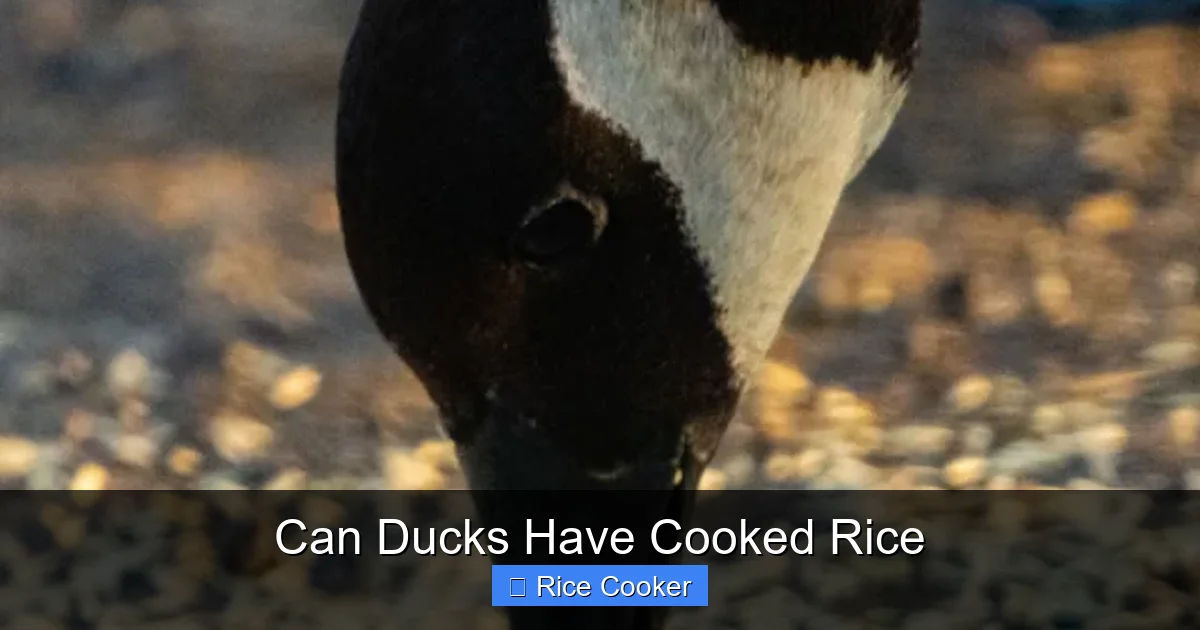
Visual guide about Can Ducks Have Cooked Rice
Image source: farmhouseguide.com
So, what exactly makes cooked rice such a good food for ducks? Let’s break down the nutrition.
Rice is primarily composed of carbohydrates, which provide quick energy—something ducks need to stay warm, active, and healthy. A single cup of cooked white rice contains about 130 calories and 28 grams of carbs. That might not sound like much, but for a small bird like a mallard duck, every calorie counts, especially in cold weather.
Carbohydrates are especially important during breeding season and migration, when ducks expend extra energy building nests, laying eggs, or flying long distances. Rice offers a steady source of fuel without the high fat content found in many human foods.
Rice also contains small amounts of protein, fiber, and trace minerals like magnesium and selenium. While these aren’t the primary nutrients ducks seek, they contribute to overall balance when rice is part of a varied diet.
One key advantage of rice is that it’s easily digestible when cooked properly. Unlike raw grains or uncooked rice, which can swell in a duck’s stomach and cause blockages, cooked rice breaks down quickly and is less likely to cause digestive issues.
However, it’s important to remember that rice alone doesn’t provide all the nutrients ducks need. They also require proteins, vitamins, and minerals from sources like insects, aquatic plants, and small crustaceans. Think of rice as a supplement—not a replacement—for a natural, diverse diet.
Types of Rice: Which Is Best for Ducks?
Not all rice is created equal when it comes to feeding ducks. Let’s explore the different types and their suitability.
White rice is the most commonly recommended type for ducks. It’s soft, easy to chew, and digests quickly. Because it’s processed to remove the bran and germ, it lacks the fiber found in brown rice, making it gentler on a duck’s digestive system. This is especially important if you’re feeding ducks in large groups or in cold weather, when slower digestion could lead to discomfort.
Brown rice, while healthier for humans due to its higher fiber and nutrient content, is tougher for ducks to process. Its outer layer is more fibrous, which can be difficult for ducks to break down, particularly in winter when their metabolism slows down. That said, some ducks may still manage it if the rice is thoroughly cooked until very soft.
Instant rice is another option, though it often contains added sodium or preservatives, so it’s better to stick with plain, unseasoned versions.
Avoid flavored rice mixes, seasoned rice dishes, or anything with onions, garlic, or butter. These ingredients can be harmful to ducks. Remember: when in doubt, keep it simple.
Safety Guidelines: What Not to Feed Ducks
Just because rice is safe doesn’t mean all foods are. Here’s what to avoid:
– Salt: Excess sodium can lead to dehydration, kidney stress, and even death in birds.
– Oil and Butter: These create a greasy coating on feathers, reducing insulation and waterproofing.
– Spices and Seasonings: Garlic, onion, pepper, and other spices can irritate a duck’s digestive tract.
– Leftover Meal Debris: Foods like fried rice, rice pilaf, or rice casseroles often contain unhealthy additives.
– Raw Rice: Uncooked rice can expand in a duck’s stomach, potentially causing blockages.
– Moldy or Stale Rice: Like any spoiled food, moldy rice can cause illness.
If you’re unsure whether a food item is safe, it’s better to err on the side of caution. When in doubt, skip it.
How to Properly Feed Ducks Cooked Rice
Feeding ducks doesn’t require fancy equipment—just a little knowledge and care. Here’s how to do it right.
Start by cooking plain white rice using minimal water and no salt, oil, or seasonings. Once cooked, let it cool slightly so it’s not too hot for the ducks. You can serve it directly from your hand, a bowl, or even sprinkle it gently into the water.
Place the rice near the edge of the pond or in shallow water, where ducks feel safe feeding. Avoid throwing large clumps—break the rice into small pieces so ducks can pick it up easily.
Never chase or crowd ducks when feeding them. Give them space to eat comfortably. Also, avoid feeding during extreme weather conditions unless necessary—ducks may already be stressed.
If you’re feeding ducks regularly, try to establish a routine. This helps build trust and allows you to observe their behavior. Healthy ducks are active, alert, and responsive. If you notice lethargy, labored breathing, or unusual aggression, stop feeding and consult a wildlife expert.
Seasonal Considerations: When to Feed Ducks Rice
The timing of feeding can impact both duck health and ecosystem balance.
In winter, ducks rely heavily on supplemental feeding because natural food sources like aquatic plants and seeds are frozen or buried under snow. Offering plain rice during this time can help them survive cold spells. However, always check local regulations—some areas restrict feeding during winter to prevent dependency.
During spring and summer, ducks typically have abundant food. Still, offering rice occasionally is fine, especially if you notice flocks struggling. Breeding season is another critical time—hens need extra energy for egg production, and ducklings require protein-rich foods. While rice won’t replace insects or worms, it can provide a helpful carb boost.
Avoid overfeeding in summer, as excess food can attract pests or promote algae growth in the water.
Ethical Feeding Practices
Feeding wild animals comes with responsibility. While it seems innocent to toss a few grains to ducks, improper feeding can do more harm than good.
Over-reliance on human-provided food can make ducks dependent, reduce their foraging skills, and increase competition among birds. It can also attract predators or lead to aggressive behaviors.
Instead of feeding constantly, consider offering rice as an occasional treat. This mimics natural feeding patterns and reduces strain on the environment.
Also, never feed ducks from boats or too close to nesting areas. Disturbance can cause stress or abandonment of nests.
Finally, educate others. If you see someone feeding ducks bread or salty snacks, gently suggest safer alternatives like plain rice.
Common Myths About Feeding Ducks
There are plenty of myths floating around about what ducks can and can’t eat. Let’s clear them up.
Myth: All grains are bad for ducks.
Reality: Plain cooked grains like rice, oats, and barley are safe and nutritious when offered in moderation.
Myth: Bread is a good substitute for rice.
Reality: Bread has little nutritional value and can swell in a duck’s crop, leading to impaction. Stick to whole grains.
Myth: Ducks don’t need water after eating.
Reality: Hydration is essential. Always provide clean water so ducks can drink after eating dry foods.
Myth: Feeding ducks is always harmful.
Reality: When done responsibly, feeding can support local bird populations, especially during tough times.
Myth: Only wild ducks should eat rice.
Reality: Domestic ducks (like those from farms or pets) can also enjoy plain rice—just ensure they’re healthy and not on restricted diets.
Alternatives to Cooked Rice for Ducks
While rice is a great option, there are other safe foods you can offer:
– Cooked oats or quinoa
– Plain pasta (without sauce)
– Small pieces of unsalted crackers
– Cooked lentils or beans (well-cooked and unseasoned)
– Crushed cereal (non-sweetened)
You can mix these with rice for variety, or rotate between different grains to ensure a balanced intake.
Remember, the goal is diversity. Ducks thrive on a mix of plant matter, animal protein, and grains.
What Happens If Ducks Eat Too Much Rice?
While rice is safe, overfeeding can cause problems. Ducks have small stomachs and sensitive digestive systems. Consuming large quantities of any single food—even healthy ones—can lead to bloating, reduced appetite, or diarrhea.
If you notice ducks acting sluggish or refusing other food after eating rice, stop feeding immediately. Offer fresh water and give them time to recover.
Also, feeding in one spot repeatedly can lead to overcrowding, which spreads disease. Rotate feeding locations when possible.
Can Ducklings Eat Cooked Rice?
Yes, ducklings can eat cooked rice once they’ve started eating solid food, usually around 3–4 weeks old. At this stage, they’re transitioning from yolk sac nutrition to external food sources.
Offer finely ground or mashed rice mixed with water to create a soft paste. This makes it easier for tiny beaks to handle. As they grow, you can offer larger pieces.
Avoid feeding rice to ducklings under 2 weeks old—their digestive systems aren’t ready for solid food yet.
Wild vs. Domesticated Ducks: Differences in Diet
Wild ducks naturally forage for food, consuming a mix of seeds, aquatic plants, insects, and small fish. Their diet changes with the seasons and location.
Domestic ducks, on the other hand, are often fed commercial pellets designed for poultry. While these are nutritionally complete, they differ from what wild ducks eat.
When feeding domesticated ducks rice, ensure they’re healthy and not on a restricted diet. Consult a veterinarian if you’re unsure.
The Role of Rice in Wildlife Conservation
Supplemental feeding, including rice, plays a small but meaningful role in supporting local wildlife populations. In urban areas, where green spaces are limited, people often step in to help birds survive.
Organizations and volunteers sometimes distribute grains like rice to ducks during harsh winters. This practice, when guided by experts, can help maintain stable populations and reduce human-wildlife conflict.
However, it’s crucial to balance assistance with education. Teaching communities about responsible feeding ensures long-term benefits for both birds and ecosystems.
Final Thoughts: A Simple Act of Kindness
Feeding ducks cooked rice is more than just tossing a few grains into the water. It’s a gesture of care, observation, and connection with nature. When done thoughtfully, it strengthens our bond with wildlife and reminds us of our shared environment.
By choosing plain, unseasoned rice and offering it in moderation, you’re giving ducks a safe, nutritious treat that supports their health. You’re also setting an example for others to follow.
So next time you have leftover rice, consider sharing it—responsibly—with the ducks in your area. Watch them peck with delight, splash in the water, and glide gracefully across the surface. Moments like these are worth every grain.
Frequently Asked Questions
Can ducks eat brown rice?
Yes, ducks can eat brown rice, but it’s harder to digest than white rice. Cook it until very soft and offer only in small amounts. Brown rice is richer in fiber and nutrients, but too much can cause digestive upset, especially in cold weather when ducks metabolize slowly.
Is uncooked rice dangerous for ducks?
Yes, uncooked rice can be dangerous. When it enters a duck’s stomach, it may absorb water and expand, potentially causing a blockage. Always serve rice fully cooked and cooled to prevent this risk.
How much rice should I feed ducks?
Feed rice sparingly—once or twice a week is sufficient. A handful per visit is enough for a small group of ducks. Overfeeding can lead to dependency, digestive issues, or environmental problems like algae growth.
Can I feed ducks rice from my dinner leftovers?
Only if the rice is plain and unseasoned. Avoid rice from dishes with salt, butter, garlic, or spices. Leftover fried rice or rice casseroles often contain harmful additives. Stick to freshly cooked, plain rice for safety.
Do ducks need water after eating rice?
Yes, ducks need access to clean water after eating dry foods like rice. Water helps them swallow food and aids digestion. Always provide a shallow pool or clean pond nearby when feeding.
Are there legal restrictions on feeding ducks?
Yes, some parks or regions have rules about feeding wildlife, including ducks. Check local regulations before feeding. In some areas, feeding is banned to protect natural behaviors and prevent overcrowding. When in doubt, ask park staff or local wildlife authorities.